When homeowners explore the concept of an iron tin shed pricethey are often embarking on a journey toward long-term property protection and structural integrity. The term “tin shed” is a classic piece of architectural nomenclature that has evolved significantly over the last century. While the aesthetic remains timeless, the engineering behind modern metal structures has undergone a revolution, moving from simple corrugated iron to sophisticated, multi-layered alloy systems designed to withstand the harshest environmental conditions. Choosing the right roofing material for a shed is not merely a functional decision; it is a commitment to the longevity of the assets stored within, whether those are high-end gardening tools, classic automobiles, or a dedicated backyard workspace. In the modern era, the shed has transitioned from a mere utility closet to an essential extension of the home, often serving as a home office, a creative studio, or a high-tech workshop. This shift in usage necessitates a corresponding shift in building standards, where the roof must provide more than just a basic shield from the rain.
Understanding the value of a metal shed system requires looking beyond the surface. The roofing material you choose has a direct impact on the building’s thermal performance, its resistance to local weather patterns, and the frequency of required maintenance. In regions like North Carolina, where humidity, intense sun, and occasional severe storms are common, the structural choices made during the planning phase will dictate the building’s performance for decades to come. A well-constructed metal roof acts as a primary defense mechanism, mitigating the risks of moisture intrusion that can lead to mold, rot, and the degradation of stored items. Furthermore, the psychological peace of mind that comes with knowing your structure is fire-resistant and pest-proof adds an intangible but significant layer of value to the overall investment.
Here’s a comprehensive overview of the factors that shape the performance and value of an iron tin shed system:
| Factor | Impact on Performance and Longevity |
|---|---|
| Material Composition | Galvalume and galvanized steel offer varying levels of corrosion resistance and sacrificial protection. |
| Panel Profile | The geometry of the panel (corrugated vs. standing seam) dictates water shedding efficiency and structural rigidity. |
| Gauge (Thickness) | A lower gauge number indicates thicker steel, which provides superior resistance to impact and wind uplift. |
| Coating Technology | Advanced paint systems like PVDF offer superior UV resistance and color retention compared to standard SMP. |
| Structural Engineering | The integration of the roof with the frame determines the building’s overall diaphragm strength. |
| Environmental Adaptation | Regional factors such as salt spray or high humidity require specific alloy selections to prevent premature oxidation. |
| Installation Methodology | The choice between exposed fasteners and concealed fastener systems impacts the long-term moisture barrier. |
| Thermal Management | Reflective coatings and proper ventilation systems reduce heat transfer and prevent condensation buildup. |
Modern metal roofing is a marvel of metallurgical science. Despite the colloquial name, contemporary “tin” roofing is almost never made from pure tin. Instead, it utilizes high-strength steel sheets that are meticulously coated with protective layers of zinc, aluminum, or a combination of both. This process, known as hot-dip galvanization or Galvalume coating, creates a barrier that prevents the base steel from coming into contact with oxygen and moisture, the primary catalysts for rust. The result is a structure that resists insects, fire, rot, and extreme weather with far greater efficacy than traditional wood or asphalt-based alternatives. By investing in these advanced materials, homeowners are effectively future-proofing their property, ensuring that the shed remains a functional and attractive asset for the next half-century.
Simple guide to iron tin shed price:
When we analyze the iron tin shed pricewe are essentially evaluating the quality of the metallurgical engineering involved in the structure. Most modern sheds are constructed from steel, a material valued for its high strength-to-weight ratio. However, raw steel is highly susceptible to oxidation. To combat this, manufacturers utilize three primary types of protective systems: mild steel with industrial coatings, galvanized steel, and Galvalume. Each of these options offers a different value proposition in terms of environmental resistance and structural lifespan. The choice between these materials is often the most significant factor in the total cost, as the chemical composition of the substrate dictates how the metal will interact with its environment over the next 40 to 60 years.
Mild steel serves as the foundational material for many heavy-duty industrial sheds. It is prized for its weldability and sheer strength, making it the preferred choice for massive clear-span structures like aircraft hangars or large-scale agricultural warehouses. However, because it lacks inherent corrosion resistance, it must be treated with high-performance primers and topcoats. This leads to the two types of metal roofing systems most commonly seen in the industry: exposed fastener systems and standing seam systems. In an exposed fastener system, the panels are overlapped and screwed directly into the structure, while standing seam systems use a more complex interlocking design that hides the fasteners, providing a cleaner look and superior leak protection.
Galvanized steel is a time-tested solution where the steel is submerged in a bath of molten zinc. This creates a metallurgical bond, resulting in a coating that acts as a sacrificial anode. If the surface is scratched, the zinc will corrode in preference to the underlying steel, providing a unique form of “self-healing” protection. This is particularly useful in agricultural settings where physical abrasions are common. Galvalume technology, however, represents the next step in evolution. By using an alloy of 55% aluminum and 45% zinc, Galvalume combines the barrier protection of aluminum with the sacrificial protection of zinc. This results in a material that is exceptionally resistant to the “edge creep” rust often seen in humid environments. Galvalume is often the preferred choice for residential sheds because it offers a more modern appearance and superior long-term durability in a wider variety of climates.
According to Your Guide to Understanding Metal Roof Pricingthe chemical composition and the thickness of these coatings are the primary drivers of long-term performance. A high-quality zinc-aluminum alloy ensures that your shed remains structurally sound for half a century, whereas thinner, entry-level coatings may require more frequent inspections and maintenance to prevent the onset of red rust. When evaluating prices, it is crucial to ask about the coating weight, such as G90 for galvanized or AZ50 for Galvalume, as these numbers indicate the amount of protective alloy applied to the steel surface. A higher coating weight directly correlates to a longer lifespan, making it a critical component of the value equation.
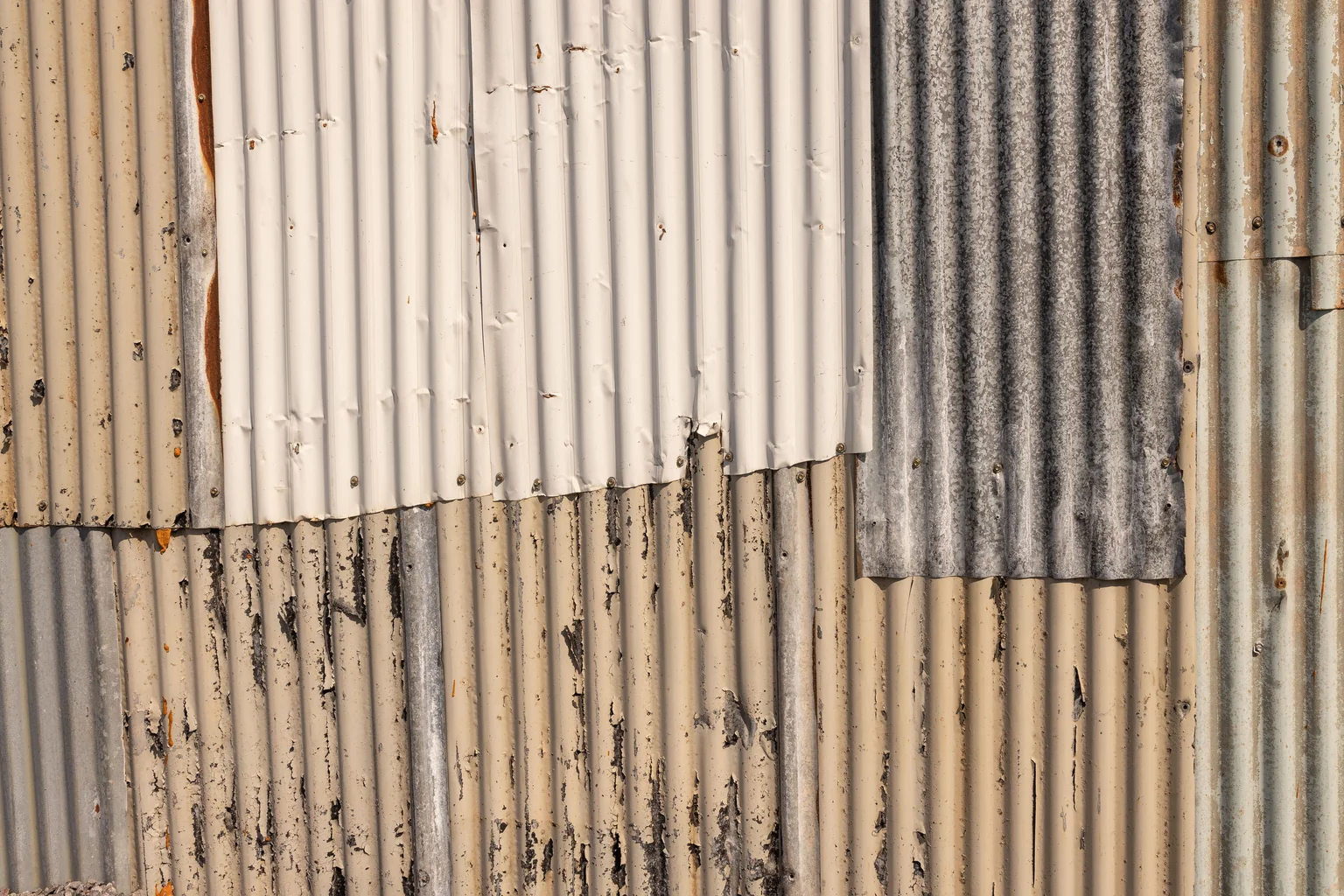
In the world of metal fabrication, the term Gauge is a critical specification that defines the physical thickness of the metal sheet. It is a counterintuitive scale: the lower the gauge number, the thicker and more robust the metal. Selecting the appropriate gauge is a balance between the structural requirements of the shed and the environmental stressors it will face. Thicker metal not only provides better protection against physical impacts but also contributes to the overall rigidity of the building, allowing it to withstand higher wind loads and heavier snow accumulation without deforming.
Choosing the right Gauge is vital for the longevity of your shed, but the thickness of the steel is only half of the equation. The paint system applied to that steel determines how well the building will maintain its appearance and resist the elements. Most professional-grade panels are coated with either SMP and PVDF. These coatings are applied in a factory setting using a coil-coating process that ensures a uniform thickness and a strong bond to the metal substrate.
SMP (Silicone Modified Polyester) is a durable and widely used paint system. It offers excellent hardness and abrasion resistance, making it suitable for most residential applications. However, over long periods of exposure to intense ultraviolet radiation, SMP coatings may begin to fade or chalk. PVDF (Polyvinylidene Fluoride), often recognized by the brand name Kynar 500, is the pinnacle of coating technology. It features a superior molecular bond that is nearly impervious to UV degradation. While a PVDF coating represents a higher initial commitment, it is often backed by a more comprehensive paint warrantyensuring the shed retains its vibrant color and protective qualities for 30 to 40 years. For homeowners who want their shed to look as good in year 30 as it did on day one, PVDF is the clear choice.
The steel industry is a global market influenced by complex supply chains and raw material availability. In 2025, the value of metal structures is shaped by advancements in manufacturing efficiency and the increasing demand for sustainable building materials. Because steel is a globally traded commodity, the specifications and availability of certain panel types can vary based on regional logistics. Factors such as energy costs, transportation fees, and international trade policies all play a role in the final price you pay for your shed materials.
In any area, local environmental factors such as annual rainfall and average temperature fluctuations play a role in determining which materials are most suitable. For instance, a shed located in a heavily wooded area might benefit from a thicker gauge to protect against falling branches, while a shed in an open field might require specific fastening patterns to resist wind uplift. Furthermore, the proximity to manufacturing hubs can influence lead times and shipping costs. While many homeowners look to major retailers for individual panels, larger or more complex projects often benefit from consulting with specialists who can provide custom-engineered solutions and professional-grade accessories. Using a Roofing Calculator is an excellent first step in determining the scope of the project, allowing for a more precise understanding of the materials required to create a durable and lasting structure. By planning ahead and understanding these regional nuances, you can ensure that your investment is both cost-effective and perfectly suited to your local environment.
Need a hand with this in Winston-Salem, Greensboro and the NC Triad? Call (336) 971-0464 or request a free estimate. Honest answers, no pressure.
When deciding on a roofing material, many homeowners compare the traditional familiarity of asphalt shingles with the modern performance of metal. While asphalt has been a standard for decades, a detailed compare metal to an asphalt roof reveals that metal offers a significantly higher value over the lifespan of the building. The decision is often between a short-term solution and a multi-generational investment. Asphalt shingles are often chosen for their low upfront cost, but when you factor in the need for multiple replacements and the potential for water damage, the total cost of ownership for asphalt often exceeds that of metal within just 15 to 20 years.
While the New Roof Cost for asphalt shingles may appear lower at the outset, their physical limitations become apparent over time. Asphalt shingles are organic or fiberglass mats saturated with petroleum-based products. They are susceptible to thermal shock, the rapid expansion and contraction caused by temperature swings, which leads to cracking, granule loss, and eventual water infiltration. In contrast, a metal shed roof is engineered for a 40-70 year lifespan. This means that while an asphalt roof might need to be replaced two or three times over a fifty-year period, a metal roof remains a permanent fixture. Additionally, metal roofs do not suffer from the same “drying out” process that causes asphalt shingles to become brittle and fail as they age.
| Feature | Metal Panels (Iron/Tin) | Asphalt Shingles |
|---|---|---|
| Lifespan | 40-70 Years | 15-25 Years |
| Maintenance | Minimal (Periodic Inspection) | Moderate (Algae, Moss, Granule Loss) |
| Fire Resistance | Class A (Non-combustible) | Varies (Typically Class A) |
| Pest Protection | Impermeable to Rodents/Insects | Susceptible to Boring Insects/Nesting |
| Eco-Friendliness | 100% Recyclable at End of Life | Significant Landfill Contribution |
| Thermal Performance | High Reflectivity (Cool Roof) | High Heat Absorption |
| Weight | Lightweight (1.5 lbs/sq ft) | Heavy (2.5 – 4 lbs/sq ft) |
Beyond simple durability, metal provides superior protection against specific threats. In rural or wooded areas, rodents and termites can be a significant concern for outbuildings. Steel panels provide an impenetrable barrier that these pests cannot breach, protecting the structural framing of the shed from expensive damage. Furthermore, metal is a non-combustible material. In the event of a nearby brush fire or a stray ember from a fire pit, a metal roof provides a critical layer of fire safety that asphalt cannot match. From an environmental perspective, metal is the clear winner; most steel panels contain a high percentage of recycled content and are fully recyclable at the end of their long service life, whereas asphalt shingles contribute millions of tons to landfills annually. By choosing metal, you are making a choice that is better for your wallet, your property, and the planet.
A truly resilient shed is more than just a collection of metal panels; it is an integrated system where every component plays a vital role in moisture management and structural stability. One of the most critical, yet often overlooked, elements is the underlayment. This is the secondary barrier that sits between the metal panels and the roof deck. We strongly recommend the use of synthetic underlayment over felt. Unlike traditional organic felt, which can absorb water and rot, synthetic underlayment is made from woven polymers that are incredibly strong, tear-resistant, and completely waterproof. This ensures that even if moisture manages to get past the primary metal barrier, perhaps due to wind-driven rain or a compromised fastener, the structure beneath remains dry and protected from rot.
When reviewing The Ultimate Guide to Metal Roofing Sheet Prices: Per Foot, Per Square Foot, and Everything in Betweenit is essential to understand the role of the “trim package.” Trim is not just for aesthetics; it is the engineering that seals the edges of the system and prevents the elements from gaining access to the building’s interior. Key components include:
Another vital consideration is the management of thermal bridging and condensation. Metal is a highly conductive material, meaning it transfers heat quickly. In a shed environment, this can lead to “sweating” on the underside of the panels when warm, moist air hits the cold metal. This is especially common in the early morning hours. To prevent this, many modern shed systems incorporate an anti-condensation barrier, a felt-like material applied to the bottom of the panels, or a thin layer of spray foam insulation. This not only protects the contents of the shed from dripping water but also helps regulate the interior temperature, making the space more comfortable for use as a workshop or hobby room. Proper ventilation, achieved through soffit vents and ridge vents, is also essential to ensure that moisture-laden air is constantly being exhausted from the building.
The structural integrity of a metal shed is defined by its “diaphragm strength.” This engineering term refers to the ability of the roof and wall panels to act as a single unit that resists lateral forces, such as those generated by high winds or heavy snow loads. When panels are correctly fastened to the underlying frame, they provide a tremendous amount of shear strength, preventing the building from racking or twisting. Achieving proper diaphragm strength requires a precise understanding of fastener spacing and, in larger industrial applications, the use of high-quality welds to secure the decking to the steel joists. For the average homeowner, this means following the manufacturer’s fastening schedule to the letter, ensuring that every screw is placed in the correct location and driven to the proper depth.
For residential and light-duty sheds, homeowners typically choose between two primary installation styles, each with its own set of benefits and price points:
Regardless of whether you are considering a Roof Replacement Cost 2025 for an aging structure or building a new shed from the ground up, the foundation and framing are paramount. A metal roof is relatively lightweight, but its large surface area makes it susceptible to wind uplift. Proper anchoring of the shed to a concrete pad or a weighted timber foundation is essential to ensure the building remains secure during storm events. Furthermore, the roof pitch must be carefully considered; most ribbed or corrugated panels require a minimum slope (often 3:12) to ensure that water sheds effectively and does not pool. Pooling water can lead to premature coating failure and eventual rust, even on high-quality Galvalume panels. If you are building a shed with a very low slope, specialized standing seam panels with mechanical seams may be required to ensure a watertight seal.
The visual impact of a metal shed is a significant factor in how it integrates with your home’s overall landscape. The “look” of the structure is primarily determined by the panel profile, which refers to the shape and height of the ribs in the metal. Corrugated metal roofing is perhaps the most iconic choice, offering a rhythmic, wavy pattern that evokes a sense of rustic charm and traditional craftsmanship. It is a timeless design that has remained popular for over a century because of its inherent strength and efficient water-shedding capabilities. Corrugated panels are also excellent at hiding minor imperfections in the roof deck, making them a favorite for renovation projects.
For those seeking a more contemporary or industrial aesthetic, box rib or PBR (Purling Bearing Rib) panels offer sharp, clean lines and a more structured appearance. These profiles are often used in modern architectural designs to create a sense of order and strength. The PBR panel, in particular, features an extra “leg” on one side of the panel that provides better support during the overlapping process, resulting in a more secure and weather-tight joint. If the goal is a high-end residential look that mimics the appearance of a luxury home, a Snap Lock Metal Roofing Price analysis will show that standing seam panels provide the most sophisticated finish. The vertical lines of standing seam create a sense of height and elegance, making the shed feel like a deliberate architectural addition rather than a mere utility building.
Color selection is another area where metal sheds offer unparalleled flexibility. Unlike asphalt shingles, which are limited to a narrow palette of grays and browns, metal panels are available in a vast spectrum of colors. Modern PVDF coatings allow for everything from deep, matte blacks and charcoal grays to vibrant greens, reds, and even metallic finishes that mimic the look of aged copper or zinc. When evaluating the total Metal Roof Costit is worth considering how a premium color or a textured finish can enhance the curb appeal of your property. A well-chosen color can help the shed blend into a wooded background or stand out as a bold focal point in a modern garden design. Furthermore, “cool” colors with high solar reflectance can help keep the shed interior cooler, reducing the energy required if the space is climate-controlled. Many homeowners are now opting for matte finishes, which reduce glare and provide a more subtle, high-end appearance that complements modern home designs.
A professionally installed metal shed roof, utilizing modern alloys and coating systems, typically has a service life of 40 to 70 years. This longevity is due to the inherent durability of steel and the advanced protection provided by Galvalume and PVDF paint systems. Regular inspections to ensure fasteners remain tight and the surface is free of debris can help extend the lifespan toward the upper end of this range. Unlike other materials, metal does not become brittle with age, meaning it maintains its impact resistance throughout its entire life.
In the majority of residential and commercial applications, Galvalume is considered the superior choice. Its unique blend of aluminum and zinc provides better long-term resistance to corrosion, particularly in environments with high humidity or salt air. Galvanized steel remains an excellent option for certain industrial applications where sacrificial protection is the primary concern, but Galvalume’s heat reflectivity and overall durability make it the modern standard for most backyard structures.
The gauge is a measure of the steel’s thickness. A lower gauge number (such as 24 or 26) indicates a thicker, stronger panel than a higher gauge number (such as 29). Thicker metal provides greater structural rigidity, making the building more resistant to the forces of nature. It also offers better resistance to physical damage, such as denting from hail, falling tree limbs, or accidental impacts during yard work. For most residential sheds, 26-gauge is the ideal balance of strength and cost.
Actually, the opposite is often true. Metal roofs have high solar reflectivity, meaning they bounce a large portion of the sun’s energy back into the atmosphere rather than absorbing it. This is known as “Cool Roof” technology. When combined with proper ventilation, a metal roof can keep the interior of a shed significantly cooler than an asphalt shingle roof, which tends to absorb and hold heat. This makes the shed a much more pleasant environment for working or hobbies during the hot summer months.
While the sound of rain on a metal roof is a nostalgic favorite for many, modern shed construction often includes underlayment or insulation that significantly dampens sound. When panels are installed over a solid wood deck with a high-quality synthetic underlayment, the noise level is virtually indistinguishable from that of a traditional shingle roof. The “drum effect” often associated with metal roofs is typically only an issue in structures where the metal is installed directly over open purlins without any solid decking or insulation.
Yes, metal roofs are actually the ideal substrate for solar installations. For standing seam roofs, solar panels can be attached using specialized clamps that grip the seams without penetrating the metal, preserving the watertight integrity of the roof. For exposed fastener roofs, there are various mounting brackets designed to create a secure, leak-proof connection. Because a metal roof lasts so long, you won’t have to worry about removing the solar panels to replace the roof anytime soon.
Maintenance for a metal roof is remarkably simple. We recommend a visual inspection once or twice a year to check for any debris buildup in the valleys or gutters. If you have an exposed fastener system, you should check the condition of the rubber washers every few years to ensure they haven’t become brittle. If the roof becomes dirty, it can usually be cleaned with a simple solution of mild soap and water. Avoid using abrasive cleaners or wire brushes, as these can damage the protective coating.
Investing in a high-quality metal shed system is a strategic decision that pays dividends in durability, security, and aesthetic value. For homeowners in North Carolina, from the bustling centers of Winston-Salem and Greensboro to the quiet suburbs of Kernersville, choosing a structure built with superior materials ensures that your investments are protected for a lifetime. While the iron tin shed price is influenced by a variety of technical factors, including material gauge, alloy composition, and coating technology, the long-term benefits of a “once-and-done” roofing solution far outweigh the frequent maintenance and replacement cycles associated with traditional materials. By understanding the nuances of metallurgy and installation, you can transform a simple storage building into a high-performance asset that enhances your property’s value.
At Smithrock Roofing, we are dedicated to the principles of quality craftsmanship and educational transparency. As PREMIER ShingleMaster Certified professionals, our expertise encompasses the full spectrum of building envelope solutions. We understand that a shed is an extension of your home, and it deserves the same level of attention to detail and material quality as your primary residence. Whether you are looking for advanced gutter systems, high-performance siding, or a roofing solution that will stand the test of time, we are here to provide the guidance you need. Our team is committed to helping you navigate the complexities of material selection and installation, ensuring that your project is a success from start to finish.
If you are ready to enhance your property with a structure that combines timeless style with 21st-century engineering, More info about metal roof cost is available to help you begin your project. Let us help you build a structure that is as resilient as it is beautiful, providing peace of mind for decades to come. Whether you are storing valuable equipment or creating a new workspace, a metal-roofed shed is an investment in quality that you will appreciate every time it rains, every time the sun beats down, and every year that passes without the need for a roof replacement.
Need a local pro? Learn more about our roofing services in Kernersville.
According to the article, key factors include material composition, panel profile, and gauge thickness. Galvalume and galvanized steel differ in corrosion resistance, panel geometry affects water shedding and rigidity, and lower gauge numbers indicate thicker steel.
The article says metal roofing is well suited to regions like North Carolina because it can better handle humidity, intense sun, and occasional severe storms. A well-constructed metal roof also helps prevent moisture intrusion that can cause mold, rot, and damage to stored belongings.
The article explains that the traditional tin shed has evolved from simple corrugated iron structures into advanced multi-layered alloy systems built for harsh environmental conditions. At the same time, sheds have shifted from basic storage spaces to home offices, studios, and workshops, increasing the need for higher building standards.
Beyond basic weather protection, the article says a metal shed roof can improve thermal performance, resist local weather conditions, and lower maintenance frequency. It also offers added benefits such as fire resistance, pest resistance, and protection against moisture-related damage.

Smithrock Roofing © Copyright 2026 • All Rights Reserved • Privacy Policy • Maintained by Mongoose Digital Marketing