
Winterizing your windows is a critical step before cold weather arrives. If you’re cranking up the heat but still feel a chill, your windows are the likely culprit. Here’s a quick overview of how to fix it:
Quick Answer: How to Winterize Your Windows
Heat loss through windows can account for 25% to 30% of your home’s heating costs, which means a significant portion of your energy bill is escaping through the glass. Fortunately, you don’t need to replace your windows to stay warm. A few simple DIY projects can dramatically reduce drafts and heat loss.
This guide will walk you through the best methods for winterizing your windows, from quick fixes to more permanent solutions. You’ll learn how to apply the right materials to make your home cozier and lower your heating bills this winter.
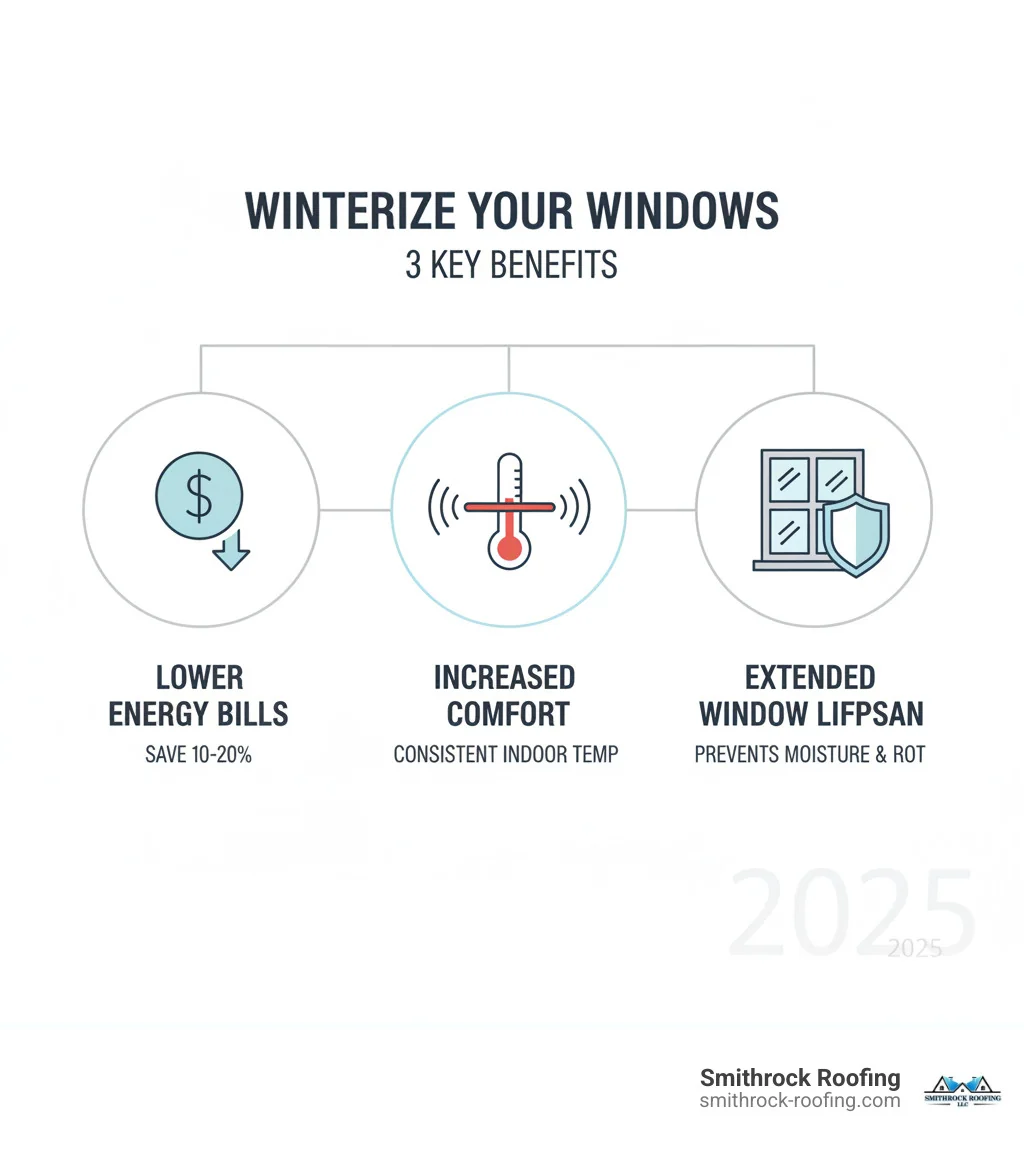
When winter arrives, your home should be a warm haven. If you’re constantly adjusting the thermostat and still feel cold, your windows are likely working against you. The reality is that heat loss through windows accounts for 25% to 30% of residential heating use. This means nearly a third of the expensive air your furnace heats up could be escaping through gaps and cracks.
Drafty windows don’t just waste money—they make your home uncomfortable. Cold air sneaking through gaps can make a room feel ten degrees colder than the thermostat reading, forcing your heating system to work overtime without ever catching up. The result is high heating bills and rooms that never feel truly warm. Winterizing your windows solves this problem by creating a strong barrier against the outdoor chill.
Beyond comfort and savings, winterizing protects your windows from damage. Moisture that seeps into cracks can freeze and expand, causing window frames to rot, paint to peel, and mold to grow in hidden damp spots. Sealing your windows before winter prevents this destructive freeze-thaw cycle.
Properly winterizing your windows addresses all three issues at once: you’ll enjoy lower heating bills, a more comfortable indoor temperature, and windows that last longer without needing costly repairs. It’s essential home maintenance that pays for itself all season long.
Proper preparation is the secret to successful window winterization. Just as you wouldn’t paint over a dirty wall, you can’t expect sealants to work on unprepared surfaces.

First, thoroughly clean your window frames, sills, and surrounding trim, both inside and out. Use a scrub brush and warm, soapy water to remove all dirt, grime, and peeling paint. Caulk and weatherstripping require a clean, dry surface to adhere properly. Allow everything to dry completely before proceeding.
Next, it’s time for some detective work to find air leaks. There are several easy methods:
While inspecting, check any existing caulk for cracks or gaps. If it’s dried out or pulling away, it needs to be removed and replaced. Also, look for any cracked or broken glass, which must be repaired before you can effectively seal the window.
Many people forget to remove and store window screens for the winter. Screens can trap moisture and debris against the glass and frame, and ice buildup can cause damage. Carefully remove your screens, clean them, and store them in a dry place like a basement or garage.
Finally, gather your tools and materials before you start. You’ll need a putty knife for removing old caulk, cleaning supplies, a caulk gun, and your chosen sealants like caulk, weatherstripping, or window film kits. Proper prep work ensures your winterization efforts are effective and long-lasting.
With your windows prepped, it’s time to seal out the cold. Often, a combination of the following methods provides the best results for a draft-free home.
Caulking is your first line of defense for sealing stationary gaps where the window frame meets the wall. Cold air easily slips through these small cracks.
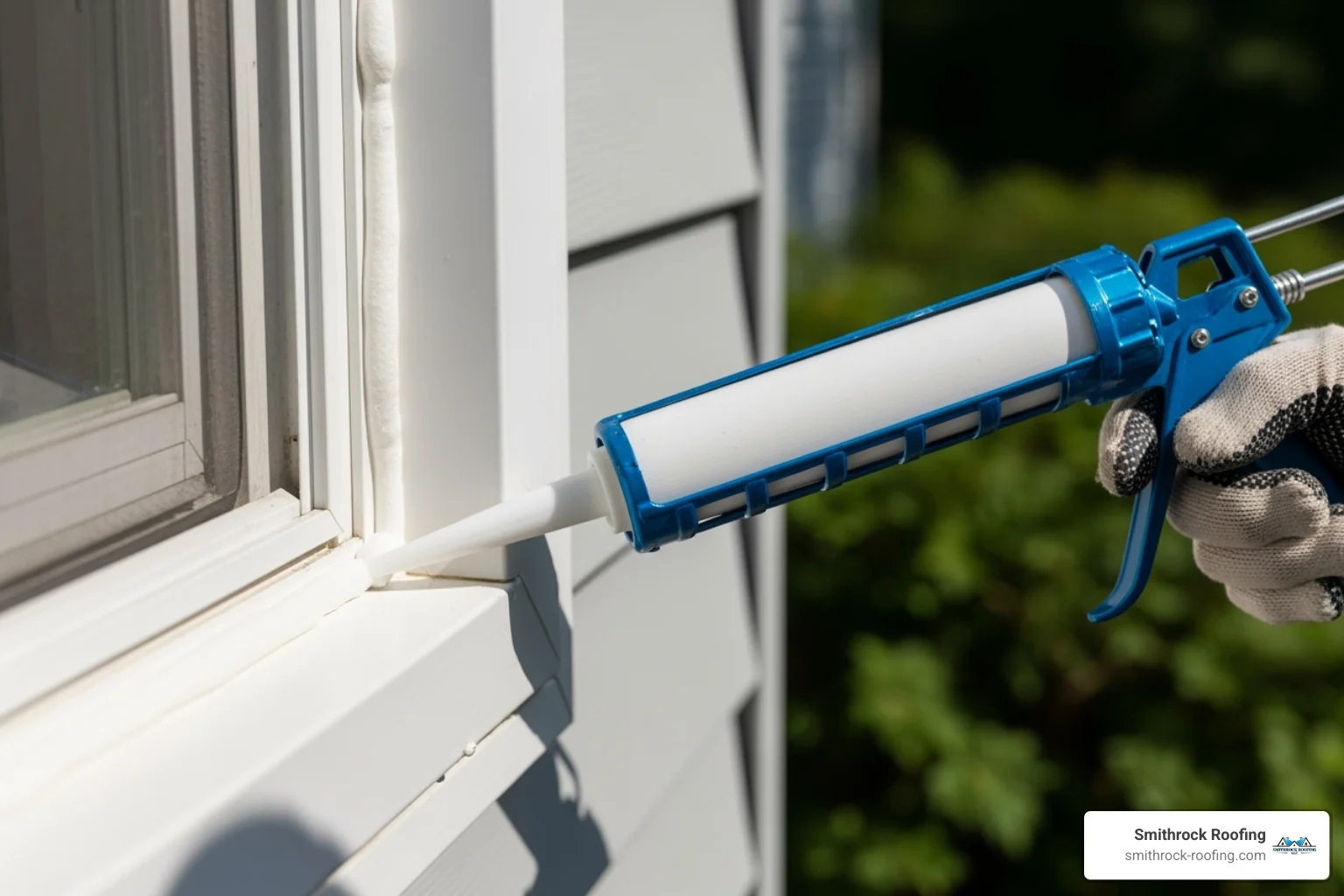
Materials: Putty knife, scrub brush, caulk gun, and exterior-grade caulk (silicone or paintable acrylic latex with silicone).
How to Apply:
Weatherstripping is designed for the moving parts of your window, like sashes, creating a seal that still allows the window to open and close.
Types of Weatherstripping:
How to Apply Self-Adhesive Strips:
For single-pane or very drafty windows, insulation film kits are an affordable way to add an insulating air pocket, boosting thermal performance.
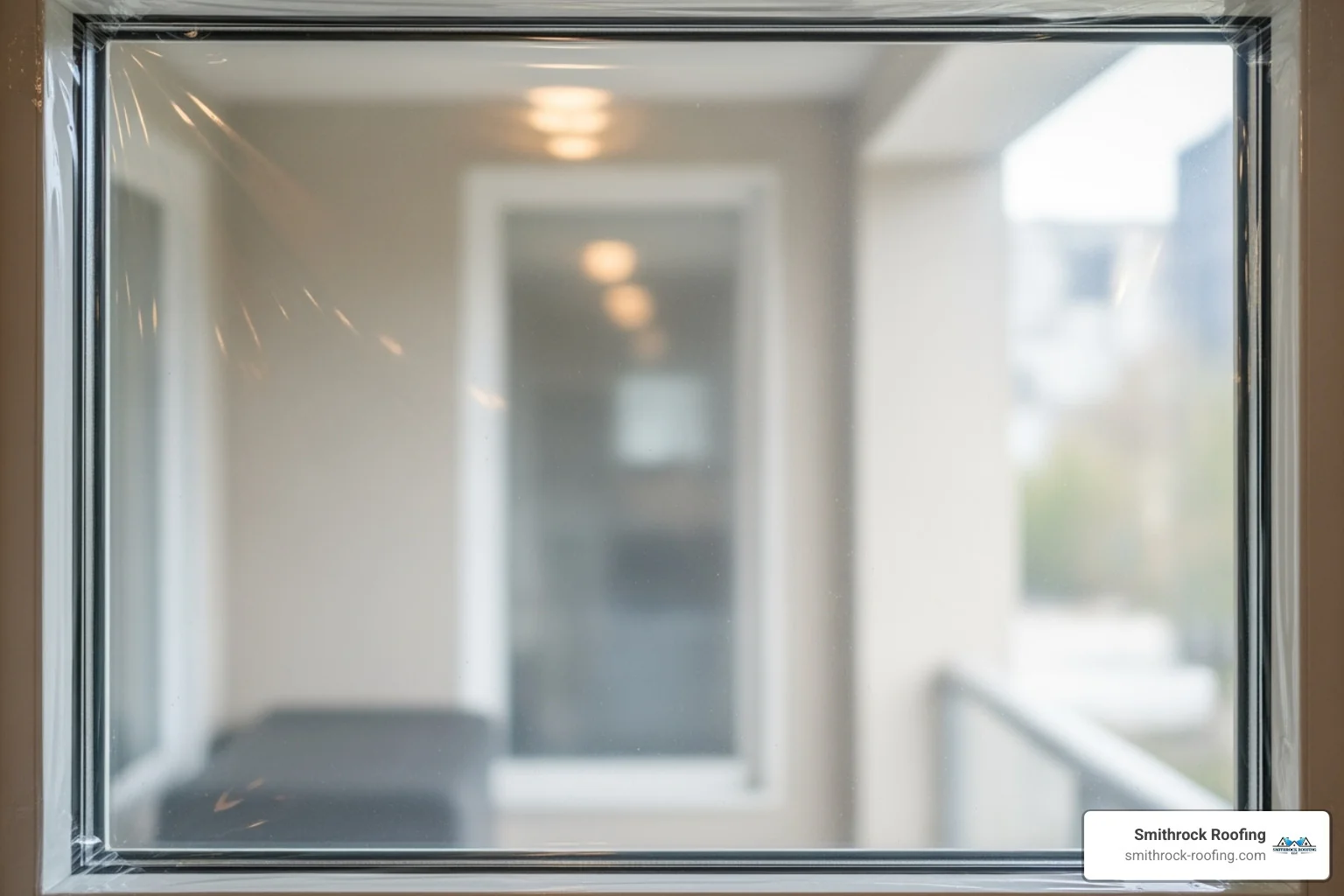
Materials: A window insulation kit (like a Duck brand or 3M kit), scissors, and a hair dryer.
How to Apply:
Window treatments offer a stylish and flexible way to add insulation.
Thermal Curtains: These are made with multiple layers or a thermal lining to create an insulating barrier. They trap air between the curtain and the window, reducing heat loss. For best results, hang them close to the wall, ensure they overlap in the middle, and extend several inches beyond the frame.
Cellular (Honeycomb) Shades: These shades feature unique honeycomb-shaped pockets that trap air, creating a highly effective insulating layer. They are excellent for both winter heat loss and summer heat gain, offering year-round energy savings, light control, and UV protection.
Don’t overlook your window locks. A properly engaged lock pulls the window sashes tightly together, compressing the weatherstripping and creating a better seal against drafts. This is especially important for double-hung windows where the sashes meet.
Inspect all locks to ensure they engage smoothly and firmly. If a lock is loose or broken, it can’t create a tight seal. Clean any built-up grime from the mechanism and apply a silicone-based lubricant to ensure smooth operation. For older windows that still feel loose when locked, consider adding a second sash lock to pull the sashes together more securely.
Older homes have charming original windows, but they require a gentle, preservation-focused approach to winterization.
Use Removable Caulk: To protect delicate woodwork and finishes, use removable weatherstrip caulk. It seals gaps effectively for the season and peels away in the spring without causing damage.
Install Interior Storm Windows: Also known as window inserts, these custom-fit acrylic or glass panels slide into your existing window frames from the inside. They create an insulating air pocket, mimicking the performance of double-pane windows without altering your home’s exterior. They are completely removable and can significantly reduce energy bills.
Address Sash Weight and Pulley Systems: Many older windows use a rope-and-pulley system to operate. If ropes are frayed or pulleys are stuck, the window won’t close tightly, creating drafts. Repairing these systems can be tricky, so consider calling a professional who specializes in vintage windows if you’re not comfortable with the mechanics.
Know When to Get Help or Replace: If you find extensive rot, soft or spongy frames, or your windows are warped beyond repair, it’s time to consult a professional. While DIY fixes are great, they can’t solve severe structural decay. If winterization efforts fail and windows are at the end of their life, replacement with modern, energy-efficient windows designed to complement historic styles may be the most practical long-term solution.
Choosing the right winterization strategy depends on your budget, DIY skills, and window condition. Here’s a quick comparison to help you decide.
Caulking:
Weatherstripping:
Window Film Kits:
Thermal Curtains:
Cellular Shades:
Locks and Latches:
Window Inserts:
The most effective strategy often combines several of these methods to create a comprehensive defense against the cold.
After completing your work, you’ll want to know if it made a difference. Here are a few simple ways to check if your winterizing your windows project was a success.
Repeat the Draft Tests: Use the candle or wet hand test again around the window edges. A steady flame and no cool sensation mean you’ve successfully sealed the leaks.
Feel the Glass: While the glass will still be cool, it should feel noticeably warmer to the touch if you’ve installed window film or inserts. An icy-cold surface indicates more insulation may be needed.
Look for Less Condensation: Properly insulated windows have warmer interior surfaces, which reduces the foggy condensation that forms on cold mornings. Excessive moisture may still point to a need for more insulation or high indoor humidity.
Monitor Your Heating Bills: The ultimate proof is in the numbers. According to the U.S. Department of Energy, sealing air leaks can save 10%-20% on energy costs. Compare your bills to previous winters to see the savings.
Notice Your Comfort Level: The best test is how your home feels. If you’re no longer avoiding sitting by the window and the temperature feels more consistent throughout the room, your efforts have paid off.
DIY winterization is highly effective, but sometimes windows are past the point of a simple fix. Knowing when to stop applying band-aids and invest in replacement is key to your home’s long-term comfort and efficiency.
It may be time for replacement if you notice these signs:
Modern, energy-efficient windows offer superior performance that DIY fixes can’t replicate. Features like low-emissivity (Low-E) coatings, multiple panes filled with inert gas, and advanced frame materials work together to drastically reduce heat transfer, block UV rays, and even dampen sound. Our high-quality Norandex eXtreme 3000S windows, for example, incorporate these technologies for exceptional performance.
While the initial cost of replacement is higher, the long-term savings on energy bills, increased home value, and improved comfort make it a worthwhile investment. You can learn more in our guide to the best windows for insulation.
Don’t assume you have to wait for spring. As we explain in our article on why fall and winter are the perfect time for window replacements, cooler months are an ideal time for an upgrade. If you’re seeing these warning signs, our team at Smithrock Roofing can help. We specialize in expert window installation and replacement in Winston-Salem NC, King NC, and surrounding areas.
Here are concise answers to some of the most common questions about winterizing your windows.
The most budget-friendly and effective methods are caulking and weatherstripping. These directly target air leaks for a very low cost. Window film kits are another inexpensive superstar, creating an insulating air barrier that can pay for itself in energy savings in a single season. For a no-cost option, DIY draft stoppers placed at the base of windows can block drafts effectively. Combining these methods offers comprehensive protection without a large investment.
It depends on the method:
Savings vary, but the potential is significant. The U.S. Department of Energy estimates that sealing air leaks with caulk and weatherstripping can reduce heating and cooling costs by 10% to 20%. Considering that heat loss through windows accounts for 25% to 30% of residential heating use, these small improvements can lead to noticeable savings on your monthly bills. A modest investment in supplies often pays for itself within the first winter, and the savings continue year after year.
By winterizing your windows, you’re not just blocking drafts—you’re reclaiming your home’s comfort and taking control of high heating bills. Sealing leaks, adding insulation, and ensuring a tight lock are investments in warmer mornings, cozier evenings, and real energy savings. This essential home maintenance also protects your window frames from moisture damage, preventing rot and extending their lifespan.
However, if your windows are old, have failed seals (condensation between panes), or are structurally compromised, winterization is only a temporary fix. In these cases, a full window replacement is the smartest long-term investment for maximum energy efficiency, home value, and year-round comfort. Modern windows offer performance that older units simply cannot match.
At Smithrock Roofing, we’re committed to helping you create a comfortable, efficient home. Our team specializes in expert Window Installation and Replacement, offering high-quality solutions like our Norandex eXtreme 3000S windows. Whether you’re in Winston-Salem NC, King NC, or our surrounding service areas, we can help you decide between winterization and replacement. Take the first step toward a warmer home this winter—your future self and your wallet will thank you.
Need a local pro? Learn more about our window replacement in High Point.

Smithrock Roofing © Copyright 2026 • All Rights Reserved • Privacy Policy • Maintained by Mongoose Digital Marketing