Smithrock Roofing LLC logo featuring stylized rooftops with chimneys and arched windows

Don’t Get Sided: How to Pick the Perfect Contractor

Why Choosing the Right Siding Contractor Matters for Your Home

Choosing the best siding contractors is one of the most critical decisions you can make as a homeowner. This choice goes far beyond simple aesthetics; it is a fundamental investment in your home’s structural integrity, long-term value, and daily comfort. Your home’s siding serves as its primary shield—its first and most important line of defense against a constant barrage of environmental threats. From the sun’s harsh UV radiation and wind-driven rain to pests and seasonal temperature swings, your siding is what protects the underlying structure of your house.

A quality installation by a skilled contractor can dramatically enhance your home’s energy efficiency, potentially reducing heating and cooling costs by an impressive 5-30%. This is achieved by creating a tight building envelope, eliminating air leaks, and ensuring moisture barriers like house wrap are installed correctly. Conversely, a poor installation can set off a disastrous chain reaction. Improperly fastened panels can lead to moisture intrusion, which in turn causes hidden rot in your wall sheathing, promotes unhealthy mold growth within your walls, and renders your insulation ineffective. The result is not just an ugly exterior but also skyrocketing energy bills and the risk of catastrophic structural damage. To find true professionals who are licensed, insured, and experienced, follow this essential checklist.

Quick checklist for finding the best siding contractors:

  1. Verify Licensing and Insurance: This is non-negotiable. Confirm they hold a valid state license and carry both general liability insurance (to protect your property) and workers’ compensation coverage (to protect you from liability for on-site injuries).
  2. Check Experience and Credentials: Look for a company with a long history in your local area. Prioritize contractors with manufacturer certifications (e.g., James Hardie Elite Preferred), as this proves they are trained in the latest installation standards.
  3. Read Customer Reviews and Seek Referrals: Scour reviews on Google, the Better Business Bureau (BBB), and other local platforms. Look for consistent themes of professionalism, quality craftsmanship, and excellent communication.
  4. Compare Detailed, Itemized Quotes: Never settle for a single bid. Obtain at least three written estimates that break down all costs for materials, labor, permits, and debris removal. This allows for a true apples-to-apples comparison.
  5. Ask In-Depth Questions: A professional will welcome your questions. Inquire about their specific installation process, material and workmanship warranties, project timelines, and how they handle unforeseen problems like hidden rot.

Whether you’ve noticed warped panels, fading color, or simply want to modernize your home’s appearance, selecting the right contractor is the most important step. The best siding contractors bring a wealth of expertise in proper installation techniques, a deep understanding of local building codes, and an unwavering commitment to protecting your investment for decades to come.

Infographic showing a 5-step process for selecting the best siding contractor: Step 1 - Verify contractor credentials including licensing, insurance, and certifications; Step 2 - Research reputation through online reviews, BBB ratings, and references; Step 3 - Request and compare detailed itemized quotes from multiple contractors; Step 4 - Interview contractors about their experience, process, warranties, and timeline; Step 5 - Review contract terms carefully before signing and starting your project - best siding contractors infographic

Is It Time for a Change? Recognizing the Telltale Signs

Knowing when to replace your siding is crucial for preventing minor issues from escalating into major, costly structural repairs. A proactive approach can save you from significant headaches down the road. Conduct regular inspections of your home’s exterior, ideally twice a year, and watch for these telltale signs that your siding is failing.

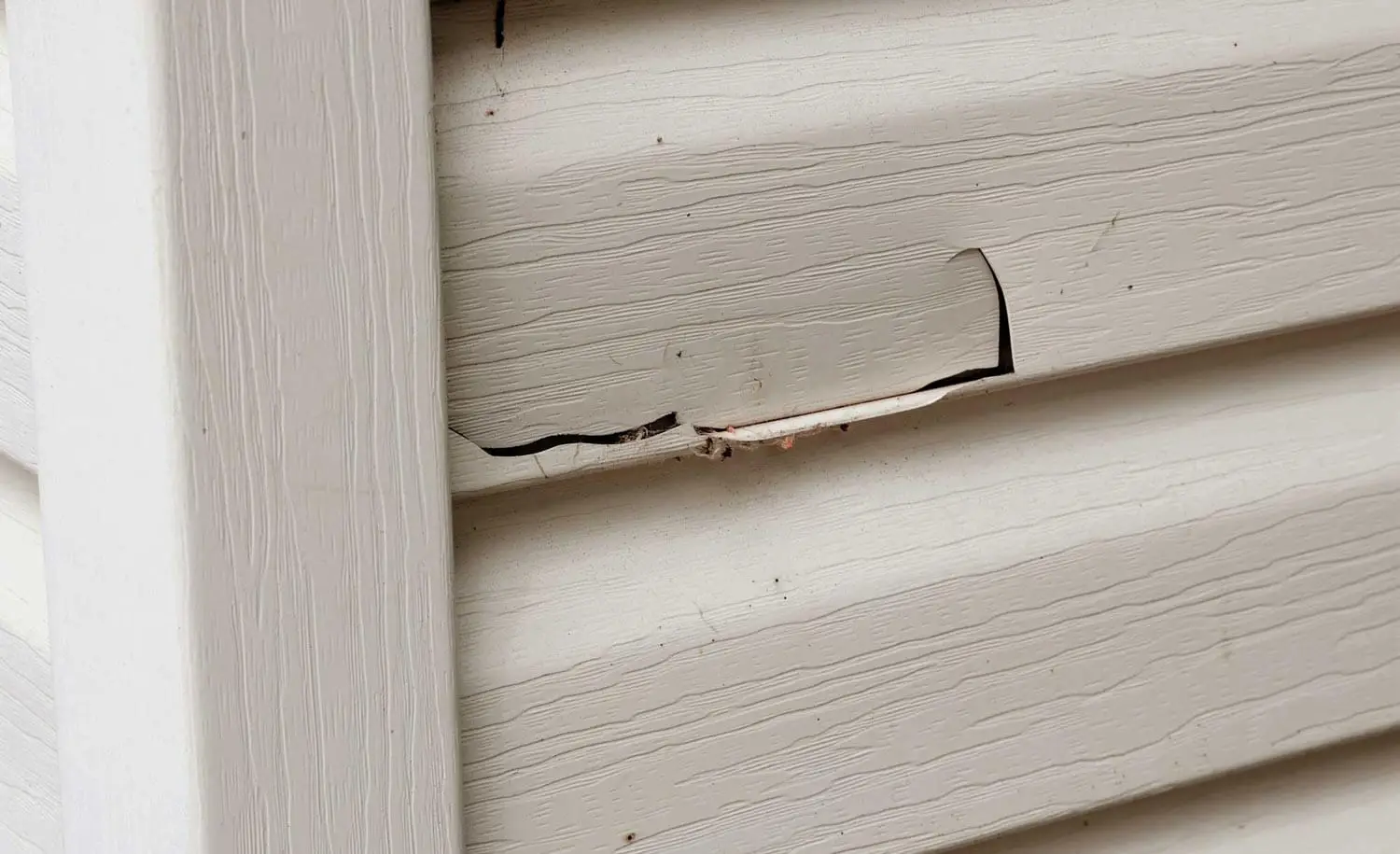
cracked, warped, and faded siding on a house - best siding contractors

Physical Damage to Siding Panels

Visible damage is the most straightforward indicator that your siding’s protective capabilities are compromised. Look closely for these specific issues:

  • Warping, Buckling, or Sagging: These distortions are clear signs of distress. In vinyl siding, this is often caused by improper installation where panels were nailed too tightly, preventing them from expanding and contracting naturally with temperature changes. In fiber cement or wood, buckling can indicate a serious issue with the substrate or moisture saturation from behind.
  • Cracking and Chipping: Any breach in the siding’s surface is a potential entry point for water. Small, hairline cracks might be cosmetic, but larger, expanding cracks demand immediate attention. This is a common problem in older wood siding that has become brittle or fiber cement that has sustained an impact.
  • Fading Color: While some fading is normal over many years, severe or uneven fading suggests that the siding’s protective UV coating has broken down. This leaves the material underneath vulnerable to moisture and physical degradation, reducing its effectiveness and lifespan.
  • Hail and Wind Damage: After any severe storm, a thorough inspection is essential. Hail leaves behind telltale dents, chips, or circular impact marks. High winds can lift and even rip panels completely off the wall, leaving your home’s underlying structure exposed to the elements. This type of damage may be covered by your homeowner’s insurance, so documenting it is critical.

Signs of Moisture and Rot

Moisture is the ultimate enemy of a home’s structure, and it often causes damage silently behind the siding. The best siding contractors emphasize that preventing moisture intrusion is the single most important function of an exterior system.

  • Mold, Mildew, or Fungus: Green or black patches on your siding’s surface are a clear signal of excess moisture. While power washing might remove the cosmetic stain, it doesn’t address the root cause. Growth near seams or joints can indicate that water is getting behind the panels.
  • Soft Spots or Rotting Boards: This is a five-alarm fire for your home. Carefully walk the perimeter and gently press on your siding, especially on the bottom courses near the foundation and around windows and doors. If the material feels spongy, soft, or crumbles, you almost certainly have rot that may extend into the wall sheathing.
  • Peeling Paint or Blistering: On painted surfaces like wood or older fiber cement, this indicates that moisture is trapped underneath, pushing the paint away from the surface. Bubbling under the surface of the siding material itself is even more serious, suggesting that water has saturated the panel and potentially the sheathing behind it.

Interior Warning Signs

Sometimes, the first clues of a siding problem don’t appear on the outside at all. Pay close attention to these signs inside your home:

  • Peeling Paint or Separating Wallpaper: If you notice paint or wallpaper peeling on walls that face the exterior, it’s a strong indicator that moisture is wicking through the wall assembly from the outside.
  • Water Stains on Interior Walls or Ceilings: Unexplained water stains, especially after a rainstorm, are a clear sign that your home’s weather-resistant barrier has been breached. Your siding and house wrap have failed.
  • Unexplained Spikes in Energy Costs: If your heating and cooling bills are climbing without any other explanation, failing siding could be the culprit. Gaps, cracks, and poor insulation compromise your home’s thermal barrier, forcing your HVAC system to work overtime and driving up utility bills. A quality installation can reduce these costs by 5-30%.
  • Drafty Rooms: Feeling a draft near windows, outlets, or along exterior walls means your home’s building envelope isn’t properly sealed. Your siding and insulation should work in tandem to prevent this air infiltration.
  • Pest Infestations: Damaged siding with cracks and holes can become an open invitation for termites, carpenter ants, and other pests to enter your wall cavities, where they can cause extensive damage.

If you observe any of these signs, it’s imperative to contact a professional siding contractor for a thorough inspection. Addressing these problems promptly is the key to protecting your home’s value and structural integrity.

Choosing new siding is a significant decision that will define your home’s protection, character, and curb appeal for decades. The best siding contractors will guide you through the process, but understanding your options is the first step. The right choice involves a careful balance of aesthetics, durability, maintenance requirements, budget, and performance in your local climate, from the humidity of Winston-Salem to the cooler air of Mt. Airy, NC.

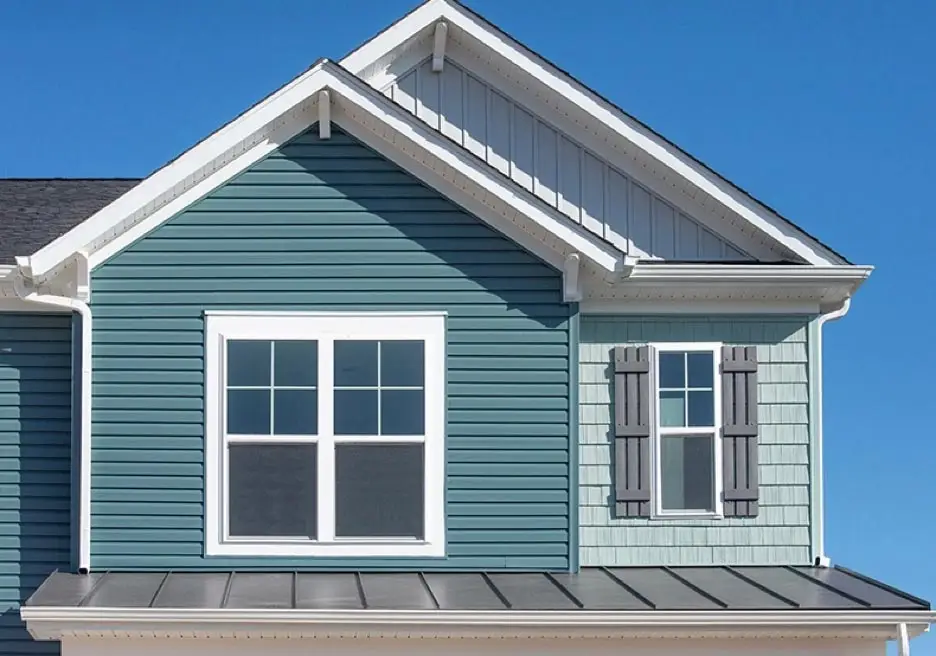
various siding material samples like vinyl, fiber cement, and wood - best siding contractors

Choosing the Right Siding Material for Your Home

There is no single “best” material for every home. The ideal choice is deeply personal and depends on your priorities.

  • Vinyl Siding

    • Cost: $4 – $8 per sq. ft. installed.
    • Pros: Most affordable option, extremely low-maintenance, available in a vast array of colors and styles (including wood-look textures), and resistant to rot and insects.
    • Cons: Can become brittle and crack in freezing temperatures, may warp or melt under intense heat (like from a grill or window reflections), and lower-quality, thinner panels can look cheap and are easily dented. Insulated vinyl siding is a premium option that adds rigidity and improves energy efficiency but increases the cost.
  • Fiber Cement Siding

    • Cost: $9 – $15 per sq. ft. installed.
    • Pros: A durable, high-performance workhorse. Products from brands like James Hardie® are resistant to rot, insects, fire (Class A fire rating), and impact. It can convincingly mimic the look of wood, stucco, or masonry. Its longevity and industry-leading 30-year non-prorated warranties often provide the best long-term value.
    • Cons: Higher upfront cost than vinyl. It’s heavy and requires specialized tools and techniques for installation, making the choice of contractor absolutely critical. If not factory-painted, it will need repainting every 10-15 years.
  • Wood Siding

    • Cost: $8 – $14 per sq. ft. installed (varies widely by wood species).
    • Pros: Offers unparalleled natural beauty and a timeless, traditional aesthetic. Available in various species like cedar, redwood, and pine, and styles like clapboard, shakes, and shingles.
    • Cons: Highest maintenance requirement of any siding type. It must be regularly painted or stained (every 2-5 years) to prevent rot, UV damage, and insect infestations. It is also susceptible to fire and can be one of the more expensive options.
  • Engineered Wood Siding

    • Cost: $7 – $12 per sq. ft. installed.
    • Pros: Provides the aesthetic of real wood with enhanced durability. Made from wood strands, wax, and resin binders, it’s treated to resist moisture and insects far better than traditional wood. It’s a smart compromise for those who love the wood look but not the maintenance.
    • Cons: While more durable than wood, it’s not as impervious to the elements as fiber cement or vinyl. Installation must be perfect to prevent moisture issues where boards are cut.
  • Metal Siding

    • Cost: $8 – $16+ per sq. ft. installed.
    • Pros: Incredibly durable, especially seamless steel, which won’t warp, chip, or crack. It’s an excellent choice for areas with severe weather like hail or high winds. Requires minimal maintenance and has a modern, clean look.
    • Cons: Steel can rust if the finish is deeply scratched. Aluminum, another metal option, is rust-proof but dents much more easily. The industrial aesthetic may not suit all home styles.

While classic looks are always in style, current trends can give your home a fresh, modern update.

  • Bold, Dark Colors: Moody hues like charcoal, deep navy, and forest green are increasingly popular for creating a dramatic, sophisticated facade. Materials with superior color retention, like James Hardie’s ColorPlus® Technology, are essential for ensuring these dark colors don’t fade prematurely.
  • Mixed Materials and Textures: Adding visual interest by combining different materials is a major trend. This could mean pairing horizontal fiber cement lap siding with stone veneer accents on the foundation, or using vertical board and batten siding on gables to contrast with the main body of the house.
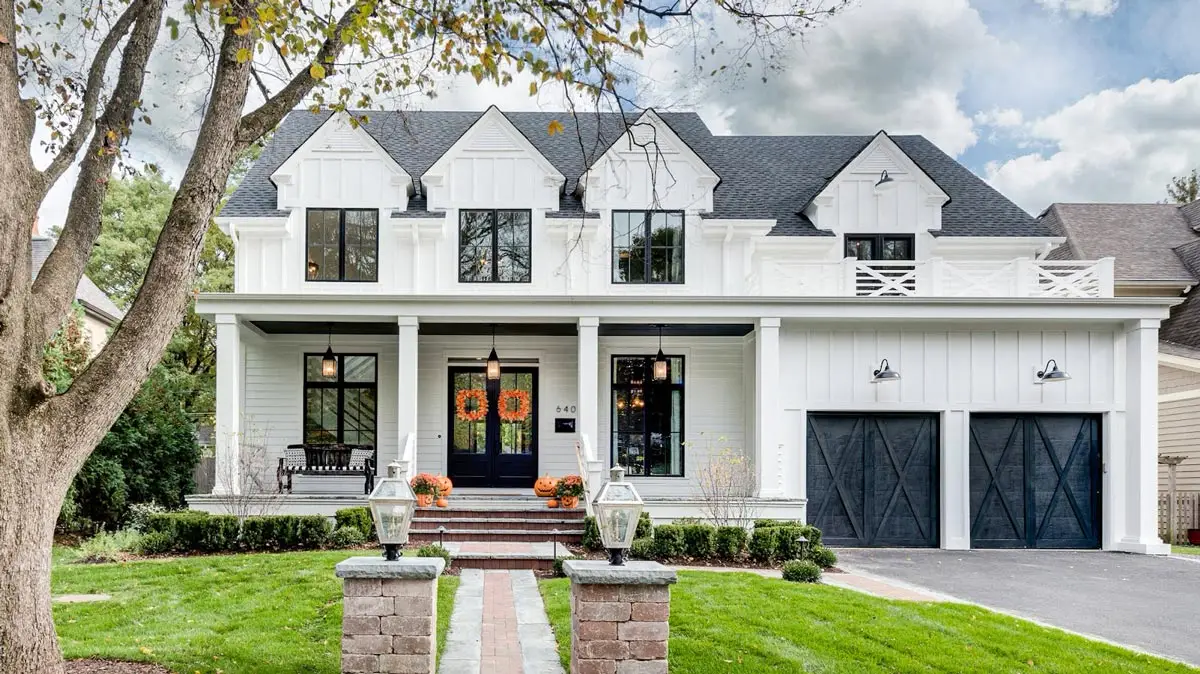
  • Vertical Siding: Using board and batten or other vertical panel styles can make a home appear taller and provides a clean, modern aesthetic that also fits the popular modern farmhouse look.
  • Monochromatic Schemes: A sleek, contemporary trend involves using the same color, or very similar shades, for the siding, trim, and even window frames. This creates a unified, minimalist appearance.

Siding Maintenance by Material Type

Proper maintenance is key to maximizing your siding’s lifespan and protecting your investment.

  • Vinyl: Requires only an annual cleaning with a soft-bristle brush, mild detergent, and a garden hose. Avoid high-pressure power washers, which can force water behind the panels.
  • Fiber Cement: Needs a gentle wash every 6-12 months. Crucially, inspect caulk joints around windows, doors, and at seams annually and re-caulk as needed to maintain a watertight seal.
  • Wood: Demands the most attention. Expect to repaint or restain every 2-5 years to prevent moisture damage, rot, and UV degradation. Inspect regularly for signs of pests or decay.
  • Engineered Wood & Steel: Generally low-maintenance, requiring only occasional cleaning to remove dirt and grime.

For professional guidance on material selection or installation, explore our siding services.

The Ultimate Vetting Process for Finding the Best Siding Contractors

Finding and hiring one of the best siding contractors is a strategic process that requires diligence and careful evaluation. This isn’t just about getting a good price; it’s about entrusting a significant asset—your home—to a skilled partner. The quality of your contractor will directly determine the quality, durability, and long-term value of your siding project.

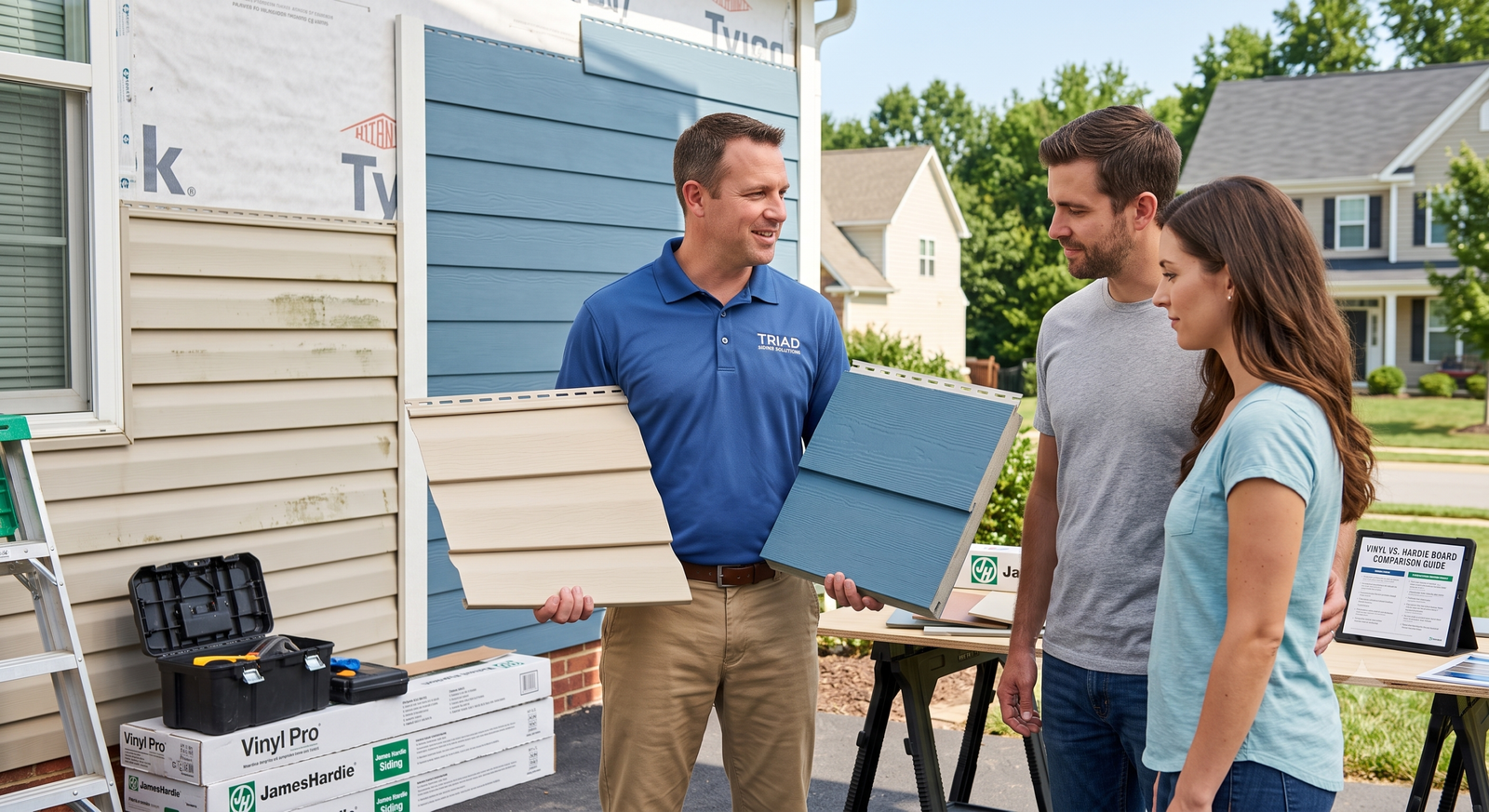
professional contractor discussing plans with a homeowner in front of a house - best siding contractors

How to Identify the Best Siding Contractors in Your Area

First, build a strong shortlist of potential candidates. Don’t rely on a single source.

  1. Start Local: Begin with targeted online searches like “siding replacement Winston-Salem NC” or “James Hardie installers near me.” Local contractors, such as those in King NC or the surrounding areas, will have essential knowledge of regional building codes, climate considerations, and permitting processes.
  2. Leverage Referrals: Ask friends, family, and neighbors for word-of-mouth recommendations. If a neighbor had siding done recently, ask them specific questions: Did the project stay on schedule and on budget? Was the crew professional and respectful? How was the final cleanup?
  3. Consult Manufacturer Networks: For specific materials, use the manufacturer’s own contractor locator. For example, the James Hardie network vets contractors for compliance, insurance, and a satisfactory record with past clients. This is a powerful shortcut to finding qualified installers.
  4. Check Reputable Directories: Use the Better Business Bureau (BBB) to find siding contractors near you and filter for accredited businesses with high ratings. Platforms like Angi and Houzz can also provide lists of top siding pros in King, NC, complete with reviews and project photos. We are proud of our client feedback, which you can see on our reviews page.

Essential Qualifications and Credentials to Verify

Once you have a shortlist of 3-5 contractors, it’s time for due diligence. Do not skip this step.

  • State Licensing: Verify that the contractor holds a current, valid license in your state. This can usually be checked online through your state’s contractor licensing board website. A license ensures they have met minimum competency standards.
  • Proof of Insurance: This is critical for your protection. Request and receive a current Certificate of Insurance directly from their insurance agent. It must show two things: General Liability Insurance (to cover any damage to your property) and Workers’ Compensation Insurance (to cover their employees if injured on your job, protecting you from liability).
  • Company Longevity and Experience: Look for companies that have been in business for many years. A long track record indicates stability and a deep well of experience in handling both routine installations and unexpected challenges.
  • Portfolio and References: A picture is worth a thousand words. Review their portfolio of past projects to assess the quality of their craftsmanship. Ask for references from recent jobs, but also ask for one from a project completed 3-5 years ago to see how their work holds up over time.
  • Certifications and Ratings: An A+ rating from the BBB is a strong positive signal. Manufacturer certifications are even better, as they prove a commitment to ongoing training and adherence to best practices, which is often required to validate material warranties.

Comparing Quotes and the Interview Process

With your vetted list, it’s time to get detailed estimates and conduct interviews.

Obtain at least three detailed, written quotes. A professional quote is not a one-line price; it is an itemized document that should clearly break down costs for:

  • Specific siding material and trim package chosen
  • House wrap and flashing materials
  • Labor for tear-off and installation
  • Debris removal and dumpster fees
  • Permit acquisition fees
  • A contingency plan outlining the cost structure for repairing hidden rot or damage (e.g., a per-foot or hourly rate).

Be extremely wary of unusually low bids. They are a major red flag and often indicate that the contractor is cutting corners by using inferior materials, is uninsured, or is employing unskilled labor. Focus on comparing value, not just price. The cheapest bid is rarely the best investment.

During your interviews, treat it like a job interview—because it is. Come prepared with these key questions:

  • Can you provide proof of your state license and insurance certificates?
  • How many years of experience do you have with the specific siding material I’ve chosen?
  • Will your own employees be doing the work, or will you use subcontractors?
  • What do your material and workmanship warranties cover, and for how long?
  • What specific steps do you take to protect my landscaping, windows, and driveway during the project?
  • What is the projected timeline, and who will be my dedicated point of contact?

A trustworthy contractor will answer every question patiently and thoroughly. They should inspire confidence and communicate clearly. If a contractor is evasive, pressures you to sign immediately, or demands a large upfront payment (more than 10-30% is a red flag), walk away. The best siding contractors understand that earning your trust is the foundation of a successful project.

Beyond Curb Appeal: The Long-Term Value of Quality Siding

While a stunning new exterior is an immediate and gratifying benefit, the true value of a quality siding project runs much deeper. Partnering with the best siding contractors for a professional installation is a strategic financial decision that pays dividends in your home’s protection, energy efficiency, and long-term equity.

How Proper Siding Installation Boosts Energy Efficiency

Properly installed siding is a cornerstone of your home’s energy performance. It functions as the outer layer of a complex system known as the “building envelope,” which includes your sheathing, house wrap (or weather-resistive barrier), and insulation. When installed correctly by an expert, this system creates a formidable thermal barrier, wrapping your home in a protective shield that keeps conditioned air inside and extreme outdoor temperatures out.

Expert installation is critical for sealing the countless small air leaks common in older homes, which are a primary source of energy waste. Furthermore, a professional job addresses “thermal bridging”—the process where heat escapes through the wooden studs in your walls, which lack insulation. By installing continuous insulation under the new siding, a contractor can break this bridge and significantly boost your home’s overall R-value (its resistance to heat flow).

Crucially, quality installation includes meticulous moisture control measures, such as properly integrated house wrap and flashing. This keeps your wall cavity and insulation dry. Wet insulation loses its thermal resistance and becomes ineffective. By preventing heat transfer and stopping air leakage, a professional siding job allows your HVAC system to run less frequently and more efficiently. The result is a more comfortable, less drafty home and significantly lower heating and cooling costs, with potential energy savings ranging from 5% to 30% annually.

The Long-Term Financial Benefits of a Quality Job

Choosing high-quality materials and expert installers delivers a powerful return on investment (ROI) that unfolds over many years.

  • Increased Resale Value: Curb appeal is a powerful market differentiator. A home with fresh, well-maintained siding signals to potential buyers that it has been cared for. According to the Remodeling Magazine’s “Cost vs. Value” report, siding replacement projects consistently rank among the highest ROI home improvements, often recouping a significant portion of their cost at resale.
  • Exceptional Durability and Longevity: Premium materials like fiber cement are engineered to withstand the elements for decades. They are backed by impressive 30-year non-prorated warranties from manufacturers like James Hardie®. This incredible longevity means you avoid the cost and disruption of a premature replacement, saving you thousands in the long run.
  • Drastically Reduced Maintenance Costs: Low-maintenance materials like fiber cement, vinyl, and steel liberate you from the costly and time-consuming cycle of scraping, sanding, and painting every few years. This saved expense, both in terms of money and weekend hours, adds up significantly over the life of the siding.
  • Manufacturer Warranty Protection: The best material warranties are only as good as the installation. Manufacturers like James Hardie have strict installation protocols, and failure to follow them can void the warranty. Hiring certified best siding contractors ensures the job is done right, keeping your investment fully protected. For instance, James Hardie’s ColorPlus® Technology finishes come with a 15-year limited warranty covering paint and labor, but only when installed to their exacting specifications.
  • Improved Indoor Air Quality: By creating a superior moisture barrier, a professional siding installation helps prevent water from entering your wall cavities. This is crucial for inhibiting the growth of mold and mildew, which can release harmful spores and allergens into your home’s air supply, protecting your family’s health.
  • Peace of Mind: Ultimately, there is invaluable peace of mind in knowing your home is shielded from the elements by a durable, expertly installed exterior. It’s a smart, long-term investment in your family’s comfort, safety, and financial well-being.

At Smithrock Roofing, we are dedicated to delivering this long-term value. Learn more about our commitment to quality and how we protect your investment from day one.

Frequently Asked Questions about Siding Projects

Embarking on a major home improvement project like siding replacement naturally brings up many questions. To help you feel more informed and confident, we’ve gathered and answered the most common questions we hear from homeowners in Winston-Salem NC, Greensboro NC, and our surrounding service areas.

What kind of warranties should I expect for my siding project?

You should always receive two distinct types of warranties, and it’s crucial to understand the difference.

  1. The Material Warranty is provided by the manufacturer of the siding product. It covers defects in the material itself, such as peeling, blistering, or delaminating. Premium products offer robust protection. For example, James Hardie® fiber cement siding comes with a 30-year, non-prorated warranty. A non-prorated warranty is superior because it provides full replacement value for the entire term. In contrast, a prorated warranty decreases in value over time, leaving you with less coverage in later years. Factory-applied finishes, like James Hardie’s ColorPlus® Technology, often carry a separate 15-year warranty on the paint and labor.

  2. The Workmanship Warranty (or labor warranty) is provided by your contractor. This warranty covers the quality of the installation itself and protects you from issues arising from installation errors, such as improper nailing, incorrect flashing, or panels coming loose. A reputable contractor will stand behind their work with a clear, written warranty of at least 5-10 years. The best siding contractors will happily provide and explain both warranties in detail.

How should I prepare my property for a siding installation?

A little preparation on your part helps the project run smoothly, safely, and efficiently.

  • Clear the Perimeter: Move all items at least 10-15 feet away from your home’s exterior walls. This includes patio furniture, grills, planters, hoses, and any other movable objects.
  • Trim Landscaping: Cut back any trees, shrubs, or bushes that are touching or very close to the house. This provides the crew with safe access and prevents damage to your plants.
  • Secure Outdoor Items: Take down and store any fragile decorations like hanging baskets, wind chimes, flags, or address plaques.
  • Protect Interior Wall Hangings: The hammering and vibrations from the work can cause pictures, mirrors, or shelves on your exterior-facing walls to shake and fall. It’s wise to remove them temporarily.
  • Plan for Pets and Children: For their safety, establish a plan to keep pets and young children away from the work zone, which will include tools, debris, and a dumpster.
  • Communicate with Your Contractor: Discuss logistics beforehand. Confirm where the crew can park, where the dumpster will be placed, and which outdoor electrical outlets they can access.

What is house wrap and why is it so important?

House wrap, also known as a Weather-Resistive Barrier (WRB), is a critical component that is installed over your home’s sheathing before the siding goes on. While siding is the first line of defense against weather, house wrap is the true moisture barrier. Its job is to prevent any water that gets behind the siding from reaching your wall structure, preventing rot and mold. At the same time, it is engineered to be vapor-permeable, meaning it allows moisture vapor from inside your home to escape. This lets the wall assembly “breathe” and dry out, which is essential for long-term structural health. Skipping or improperly installing house wrap is one of the biggest and most costly mistakes a contractor can make.

Can I install new siding over my old siding?

While it’s technically possible in some rare cases (e.g., over perfectly flat wood siding), it is almost universally not recommended by reputable contractors and manufacturers. Installing new siding over old siding (a “layover”) can trap moisture, hide existing rot and structural damage, and create an uneven surface that leads to a wavy, unprofessional final appearance. Most importantly, nearly all siding manufacturers will void their material warranty if their product is not installed over a clean, flat, and properly prepared substrate. A complete tear-off of the old siding is the only way to ensure a quality, long-lasting, and warrantied installation.

How long does a typical siding replacement project take?

The timeline depends on the size of your home, the material being installed, the complexity of the job, and the weather. However, for an average-sized single-family home, a typical project follows this schedule:

  • Day 1-2: Delivery of materials and dumpster; tear-off of old siding.
  • Day 2-3: Inspection for hidden damage and completion of any necessary repairs.
  • Day 3-4: Installation of house wrap, flashing, and window/door trim.
  • Day 4-10: Installation of the new siding panels.
  • Day 10-12: Installation of soffit, fascia, and final details; thorough site cleanup.
    On average, you can expect the entire process to take between one and two and a half weeks.

Conclusion: A Lasting Investment in Your Home’s Future

Your home is likely your most significant financial asset, and it deserves the ultimate protection and a beautiful exterior that you can be proud of. Achieving this begins and ends with choosing the best siding contractors for the job. Throughout this guide, we’ve detailed how to identify the warning signs of failing siding, how to navigate the complex world of material options, and, most importantly, how to thoroughly vet the professionals you entrust with your home. This decision is about so much more than immediate curb appeal; it’s a critical investment in safeguarding your family, protecting your home’s structural integrity, and boosting its energy efficiency for years to come.

The greatest value in a siding project is never found in the lowest bid. It is delivered by a licensed, fully insured, and highly experienced local contractor who provides transparent, itemized quotes, stands behind their work with robust warranties, and has earned the trust of your community through consistent, high-quality results. By diligently verifying credentials, comparing detailed proposals, and asking the right questions, you empower yourself to make a confident decision and ensure a successful project that will perform beautifully for decades.

We are proud to be a trusted local contractor serving families throughout Winston-Salem NC, King NC, Clemmons NC, Lewisville NC, Pilot Mountain NC, East Bend NC, Mt. Airy NC, Kernersville NC, Siloam NC, Danbury NC, High Point NC, Trinity NC, Pfafftown NC, Tobaccoville NC, Greensboro NC, Walnut Cove NC, Belews Creek NC, Rural Hall NC, Pinnacle NC, Bethania NC, Advance NC, Wallburg NC, Horneytown NC, Union Cross NC, and Midway NC. At Smithrock Roofing, we have built our reputation on doing things the right way, using superior materials and expert craftsmanship. We’re not just installing siding; we’re building lasting relationships and protecting our neighbors’ homes.

If you are ready to transform and protect your home’s exterior, we invite you to take the first step. Don’t settle for anything less than the best siding contractors who will prioritize your home’s long-term health. Contact us for a free, no-obligation siding estimate today, or explore our full range of siding solutions to see the quality and commitment we bring to every project.

Share:

Categories

Follow us

You can find us on Facebook, Instagram, and Google.
Smithrock Roofing LLC logo featuring stylized rooftops with chimneys and arched windows
Smithrock Roofing proudly services the cities of Winston-Salem, King, Clemmons, Lewisville, Pilot Mountain, East Bend, Mt. Airy, Kernersville, Siloam, Danbury, High Point, Trinity, Pfafftown, Tobaccoville, Greensboro, Walnut Cove, Belews Creek, Rural Hall, Pinnacle, Bethania, Advance, Wallburg, Horneytown, Union Cross, and Midway, NC.

Get In Touch

Location

483 Forum Parkway
Rural Hall, NC 27045

Email

info@smithrock-roofing.com

Phone

(336) 971-0464

Newsletter

Sign up to receive important tips, special offers, and discounts.

Smithrock Roofing © Copyright 2025 • All Rights Reserved • Privacy Policy • Maintained by Mongoose Digital Marketing