Roof Repair vs. Roof Replacement in High Point: How to Know Which One You Need
One of the most common questions we hear from homeowners searching for roof repair in High Point is simple: do I actually need a full replacement, or can this be fixed? The honest answer depends on a few key signals, and we would rather walk you through them than push you toward the bigger job.
| | Signal | Likely Repair | Likely Replacement |
|---|
| Roof age | Under 15 years old | 20 years or older |
| Damage area | Isolated to one section | Widespread across the roof |
| Shingle condition | A few missing or cracked | Granule loss, curling, or buckling throughout |
| Interior water signs | Single leak point | Multiple stains or recurring leaks |
| Decking condition | Solid decking beneath | Soft spots or rotted sheathing |
When our team inspects your home, we give you a straight answer backed by a detailed satellite report, not a rough guess. If a repair is the right call, we will say so. If replacement makes more long-term sense for your home, we will explain why. You can also learn more about our roofing services or call us directly at (336) 971-0464 to schedule a free inspection.
Emergency Roof Repair for High Point Homeowners
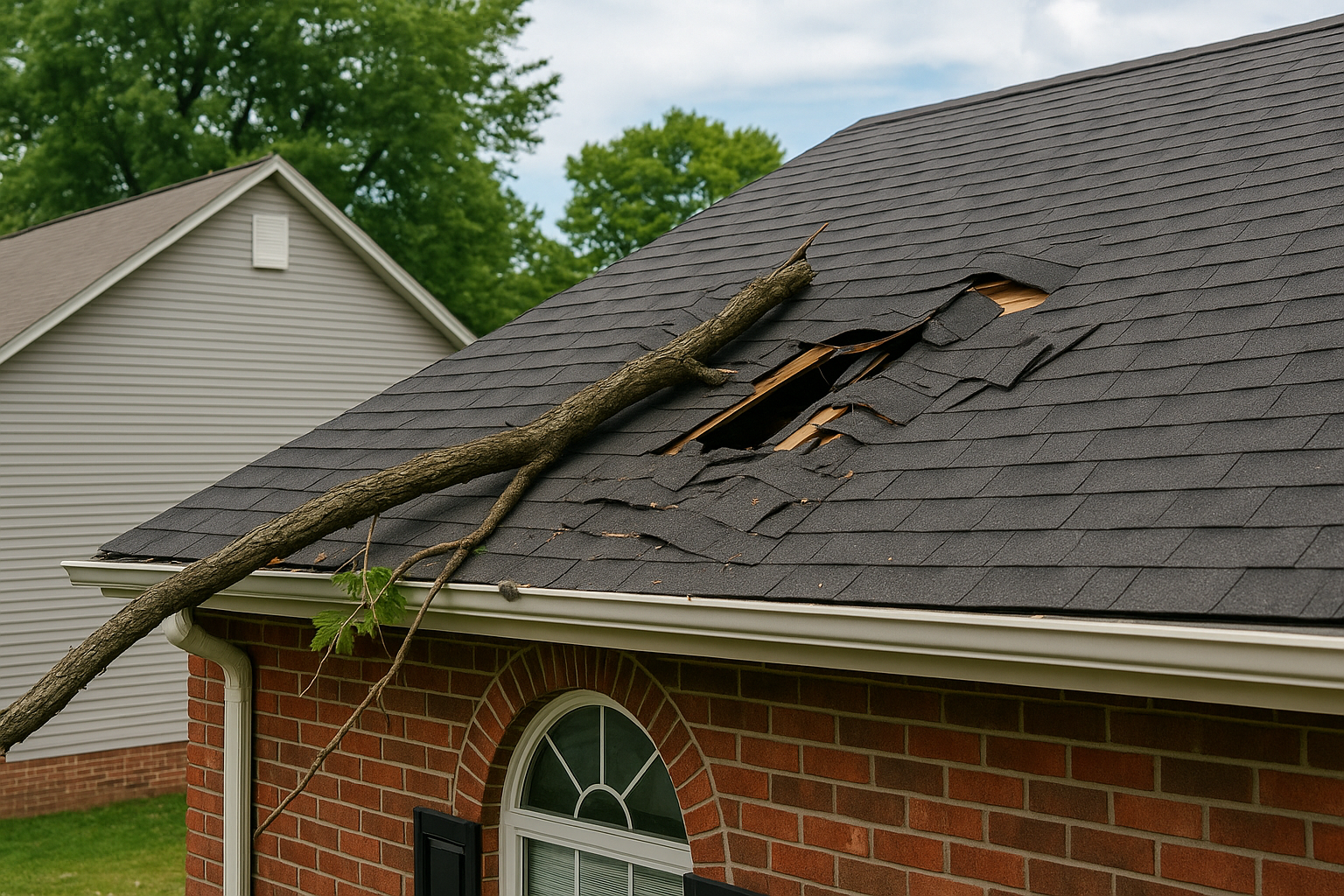
When homeowners search for emergency roof repair in High Point, they are usually dealing with a stressful situation right now. A storm has just moved through, water is coming in, and they need someone reliable to respond fast, not someone who will leave them waiting.
Our approach is straightforward: stabilize the roof first to stop active water intrusion, then assess the full scope and complete a permanent repair. We document everything thoroughly, which also helps if you need to work through your homeowner's insurance.
If you are dealing with an urgent situation, call us at (336) 971-0464. We will get someone out to your property to protect your home and give you a clear path forward.
High Point Siding and Gutter Services That Work Together
Homeowners searching for siding contractors in High Point or gutter installation in High Point are often solving one visible problem without realizing the two systems are closely connected. Water that is not managed properly at the roofline puts real stress on your siding and foundation over time. Getting both right together means fewer problems down the road.
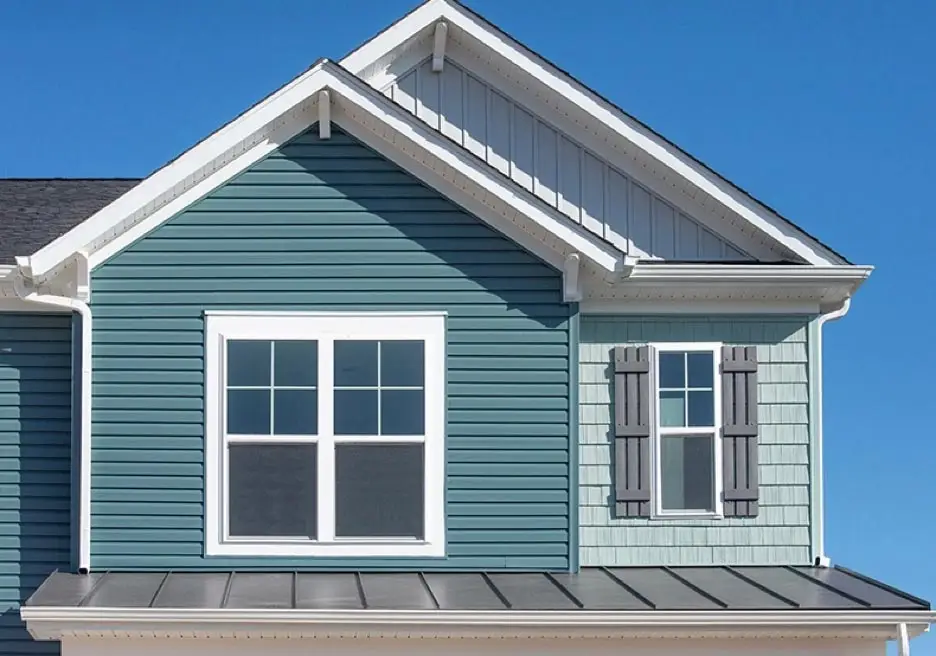
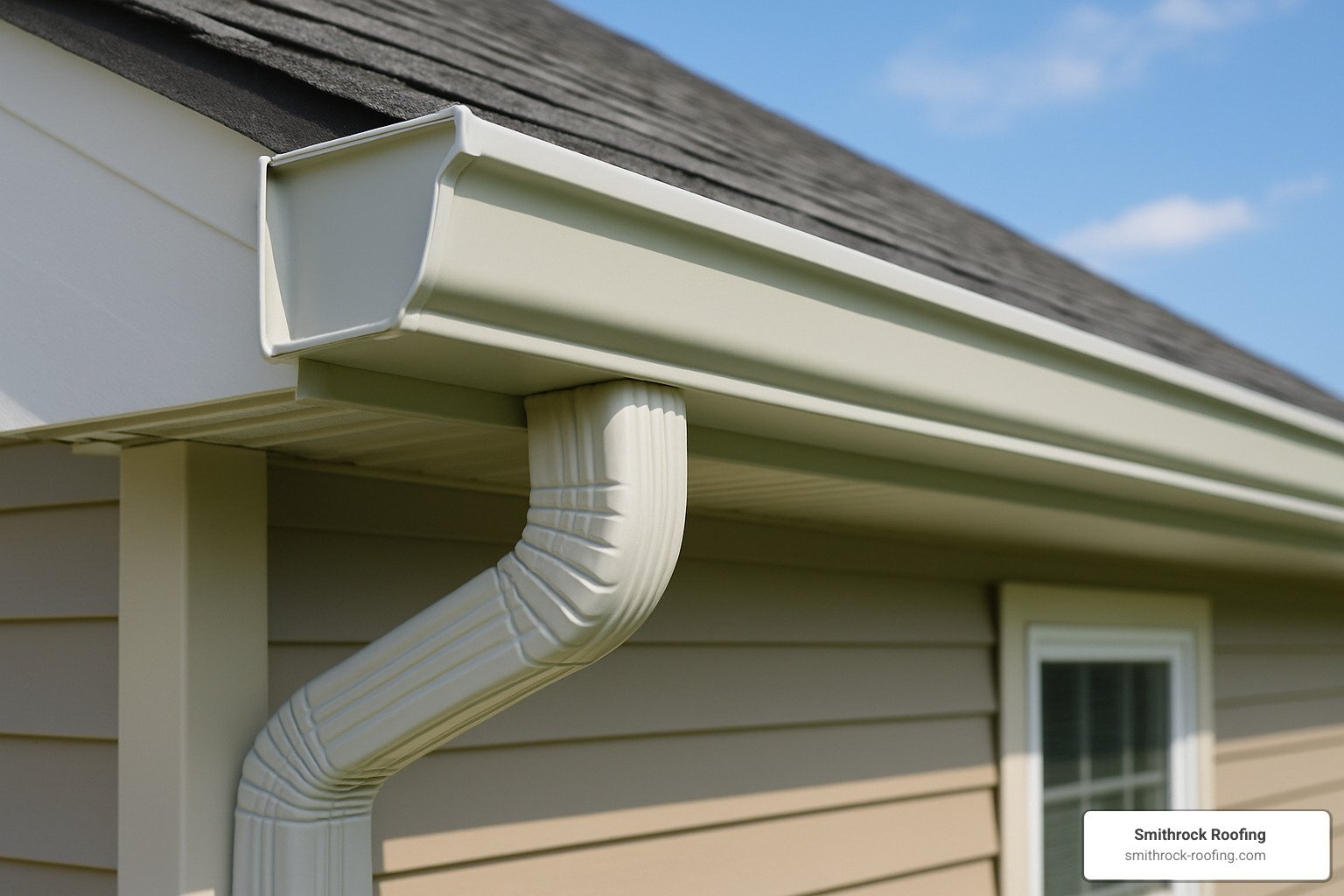
Our siding installation is built for long-term exterior protection, improving your home's curb appeal while shielding it from moisture and weathering. Our seamless gutter systems are designed to handle heavy rainfall and direct water away from your home's foundation and siding before damage can start.
When you work with Smithrock Roofing, you get one contractor managing your roof edge and gutter performance as a single system rather than two separate crews who never coordinate.
What Makes Smithrock Roofing a Trusted Roofing Company in High Point
There is no shortage of roofing contractors in High Point and across the NC Triad. What separates the reliable ones from the rest comes down to credentials, materials, and accountability.
- Certified craftsmanship: Smithrock Roofing is CertainTeed PREMIER ShingleMaster Certified, a designation that requires demonstrated installation standards and ongoing training. Not every contractor in the area holds this certification.
- Premium materials: We install CertainTeed Landmark shingles and back them with a 5-year labor warranty plus a limited lifetime manufacturer warranty. You can review the full details on our warranty page.
- Proven reputation: With an A+ BBB rating and more than 300 five-star reviews, our track record speaks clearly. You can read what High Point and Triad homeowners say on our reviews page.
- 60 plus combined years of experience: Our team has seen the full range of roofing challenges across residential and commercial properties in this region.
- Job-site respect: Every project ends with yard magnet sweeping and thorough cleanup. We treat your property like it is our own.
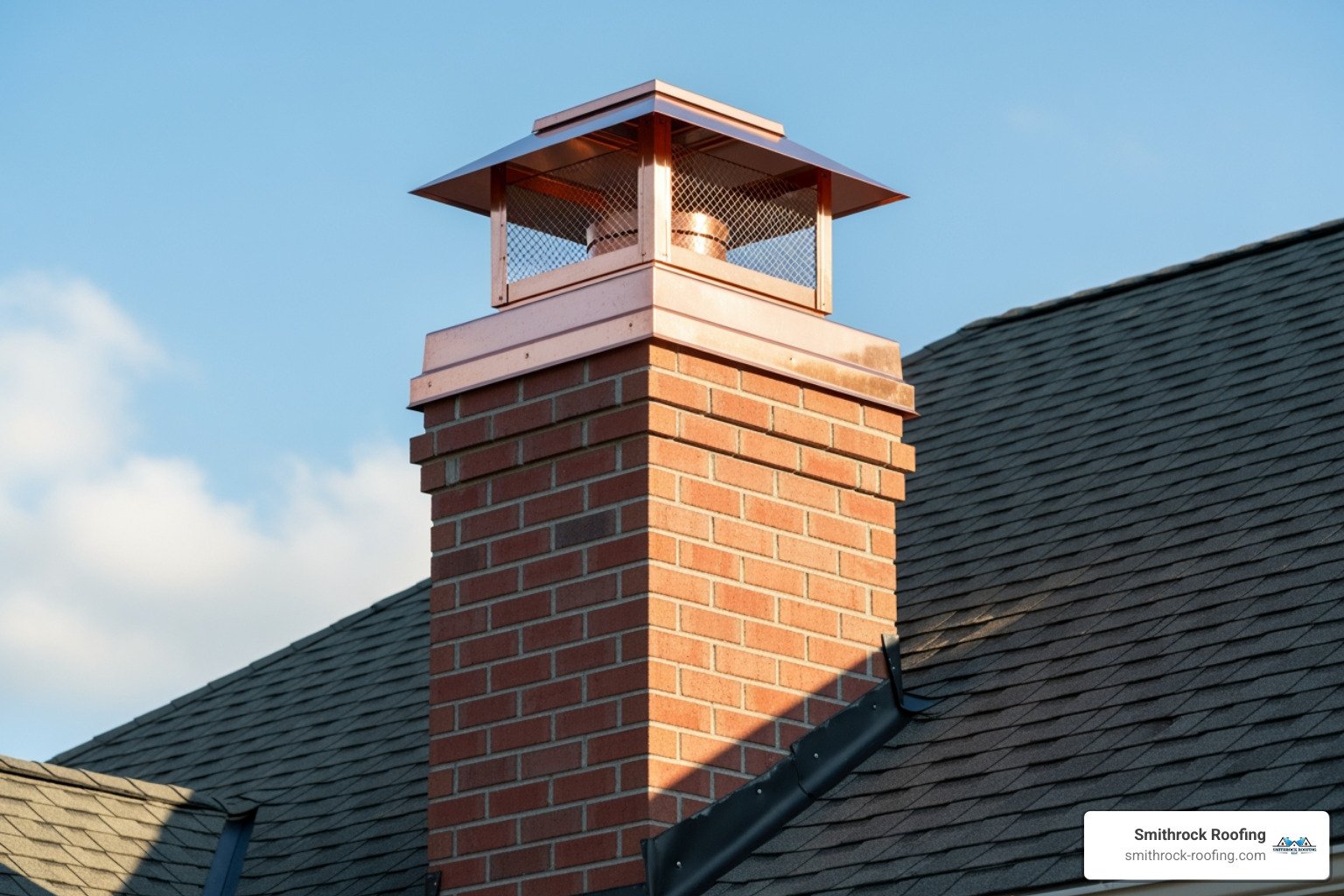
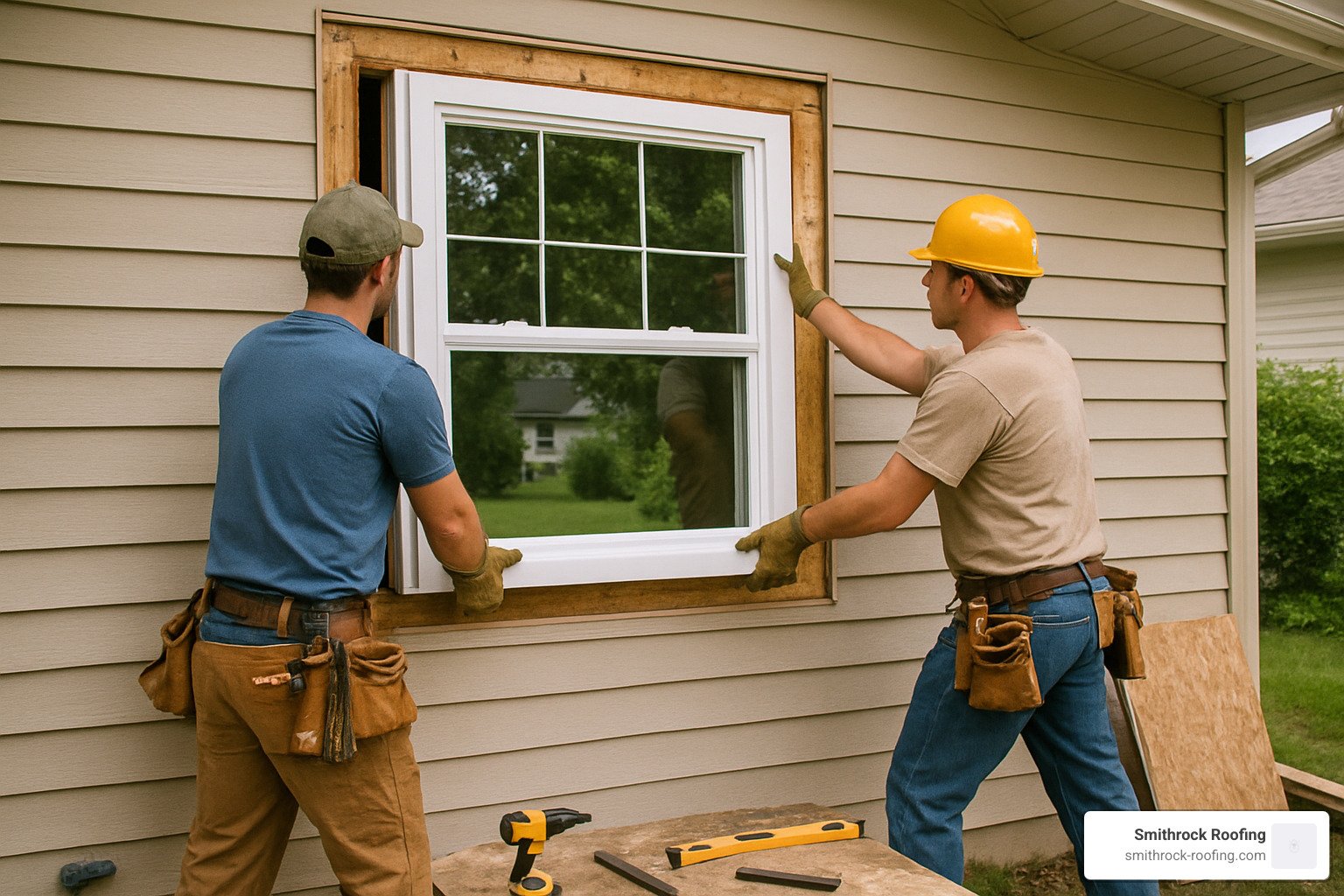
We also offer energy-efficient window replacement and custom chimney cap installation for homeowners who want one trusted contractor handling their full exterior.
Residential and Commercial Roofing in High Point: One Contractor for Both
Whether you own a home or manage a light-commercial property in High Point, the standard for quality should be exactly the same. Smithrock Roofing serves both residential and commercial clients across the area, applying the same certified installation process, premium materials, and honest project communication regardless of property type.
Homeowners looking for asphalt shingle roofing, metal roofing, or a full roof inspection in High Point can expect a detailed assessment and clear recommendations before any work begins. Commercial clients benefit from the same thorough approach, including proper documentation and scheduling reliability that minimizes disruption.
If you are ready to get started or just want honest answers about your roof, contact our team or call (336) 971-0464. A free quote and a straight conversation are always the first step.
More High Point roofing questions
How do I know if I need a roof repair or a full roof replacement in High Point?
The main factors are the age of your roof, how widespread the damage is, and the condition of the decking underneath. A roof under 15 years old with isolated damage is usually a repair candidate. A roof 20 years or older with widespread granule loss, curling shingles, or soft decking typically warrants replacement. A free inspection from our team gives you a clear, honest answer.
Does Smithrock Roofing handle emergency roof repair in High Point?
Yes. When urgent storm damage or an active leak puts your home at risk, we respond quickly to stabilize the roof and stop water intrusion first. From there, we assess the full scope of damage and complete a permanent repair. We also document everything thoroughly, which is helpful if your situation involves an insurance claim.
What roofing materials do you install for homes in High Point, NC?
We install CertainTeed Landmark asphalt shingles as our primary residential roofing system, along with standing seam and exposed fastener metal roofing for homeowners who want greater durability and a different aesthetic. All installations are backed by a 5-year labor warranty plus a limited lifetime manufacturer warranty, and our team is CertainTeed PREMIER ShingleMaster Certified.
Does Smithrock Roofing offer roof inspections and maintenance in High Point?
Yes. Routine roof inspections help catch small issues before they become costly problems and extend the overall life of your roofing system. We provide detailed assessments using satellite reporting technology so you get an accurate picture of your roof's condition, not a vague estimate. Preventative maintenance is one of the most cost-effective things a High Point homeowner can do for their home.
Talk to a High Point Roofing Contractor Today
Whether you need a roof inspection, an emergency repair, or a full replacement, Smithrock Roofing is ready to give you straight answers and reliable service. Reach out to schedule your free quote.
Call (336) 971-0464Request a free estimate