Why Siding Installation is the Ultimate Exterior Upgrade
A high-quality siding installation is one of the most transformative and valuable improvements you can make to your home. It’s far more than a simple cosmetic facelift; it’s a protective shield that enhances curb appeal, defends your home’s structure from moisture and extreme weather, and can significantly reduce energy bills when installed correctly. A successful project can yield a high return on investment, making your home stand out in the neighborhood. Whether you’re replacing worn, faded, or damaged panels or undertaking a complete exterior makeover, a thorough understanding of the process is crucial for deciding if this is a manageable DIY project or one that demands the expertise of a professional.
Quick Answer: Key Steps for Siding Installation
- Prepare the Surface – Remove old siding if necessary, inspect and repair the underlying sheathing, and install a complete water-resistant barrier (WRB) system.
- Establish a Level Foundation – Find the lowest point of the wall sheathing and snap a level chalk line to guide the installation of the starter strip and corner posts.
- Hang Panels Correctly – Lock each panel securely into the course below it, leaving 1/4″ expansion gaps at all trim pieces and nailing loosely in the center of the nailing slots.
- Add Finishing Details – Meticulously install J-channel around windows and doors with proper water-diverting cuts, fit panels precisely, and complete the soffit and fascia for a polished, weatherproof finish.
- Inspect and Maintain – After installation, double-check that all panels can move freely. Perform regular cleaning and inspections to ensure longevity.
The secret to a durable, professional-looking siding installation isn’t found in complex tools or innate talent. It hinges on one critical, non-negotiable principle: vinyl siding must be allowed to move freely. A standard 12′ 6″ vinyl panel can expand and contract by more than half an inch during the temperature swings of a single day. If you nail it too tightly, fail to leave adequate expansion gaps, or otherwise restrict this natural movement, you are guaranteed to see unsightly buckling, warping, and premature failure.
This comprehensive guide will walk you through every critical phase of the project, from calculating materials and preparing your walls to hanging the final panel. We will delve into the essential prep work that protects your home from moisture intrusion, the precise fastening techniques that prevent costly and amateurish-looking mistakes, and the finishing touches that distinguish a professional job from a DIY-gone-wrong. While vinyl siding is a popular choice for its durability, low maintenance, and forgiveness for first-time installers, other materials like fiber cement, wood, and engineered wood offer different benefits in aesthetics and performance. However, the principles of water management and proper fastening remain universal. With meticulous planning and unwavering attention to detail, you can transform your home’s exterior and enjoy the results for decades to come.

Terms related to siding installation:
Phase 1: Planning, Preparation, and Materials
This initial phase lays the essential groundwork before the first siding panel is ever attached to the wall. Meticulous planning is the bedrock of a successful siding installation, ensuring the project is completed efficiently, on budget, and with a high degree of satisfaction. This section covers assembling the right tools, thoroughly preparing the wall surface, and accurately estimating your material needs.
Having every necessary item on hand before you begin will prevent frustrating interruptions and countless trips to the hardware store, keeping your project on track. Here is our comprehensive checklist:
- Cutting Tools: A circular saw equipped with a fine-tooth plywood blade installed in reverse for clean, melt-free cuts in vinyl. Tin snips (aviator snips) for curved cuts and trimming. A sharp utility knife for scoring and snapping panels.
- Layout & Measuring Tools: A 4-foot level (or longer) is essential for establishing level lines. A chalk line for snapping long, straight guidelines. A high-quality tape measure, a speed square for accurate angles, and a laser level for establishing a consistent height around the entire house.
- Fastening Tools: A lightweight hammer is sufficient, but a pneumatic roofing nailer with an adjustable depth-of-drive can dramatically speed up the process. Ensure you can set it to not drive fasteners tightly.
- Specialty Siding Tools: A snap-lock punch is used to create locking tabs on cut panels under windows and at the top of walls. A zip tool (or siding removal tool) is indispensable for unhooking and removing panels without causing damage.
- Siding & Trim Materials: Siding panels, starter strips, J-channel (for around windows/doors and at gable ends), F-channel (for soffits), inside/outside corner posts, and under-sill (utility) trim.
- Weatherproofing Materials: A high-quality Water-Resistive Barrier (WRB) like house wrap. Self-adhering flashing tape (butyl-based is often preferred for its superior sealing properties) for windows and doors. Corrosion-resistant fasteners, typically hot-dipped galvanized roofing nails (1-1/2″ to 2-1/2″ long).
- Safety Gear: Safety glasses are non-negotiable to protect your eyes from flying debris. Work gloves will protect your hands from sharp edges. Sturdy footwear is essential for safety on and around the worksite.
Essential Wall Preparation for Siding Installation
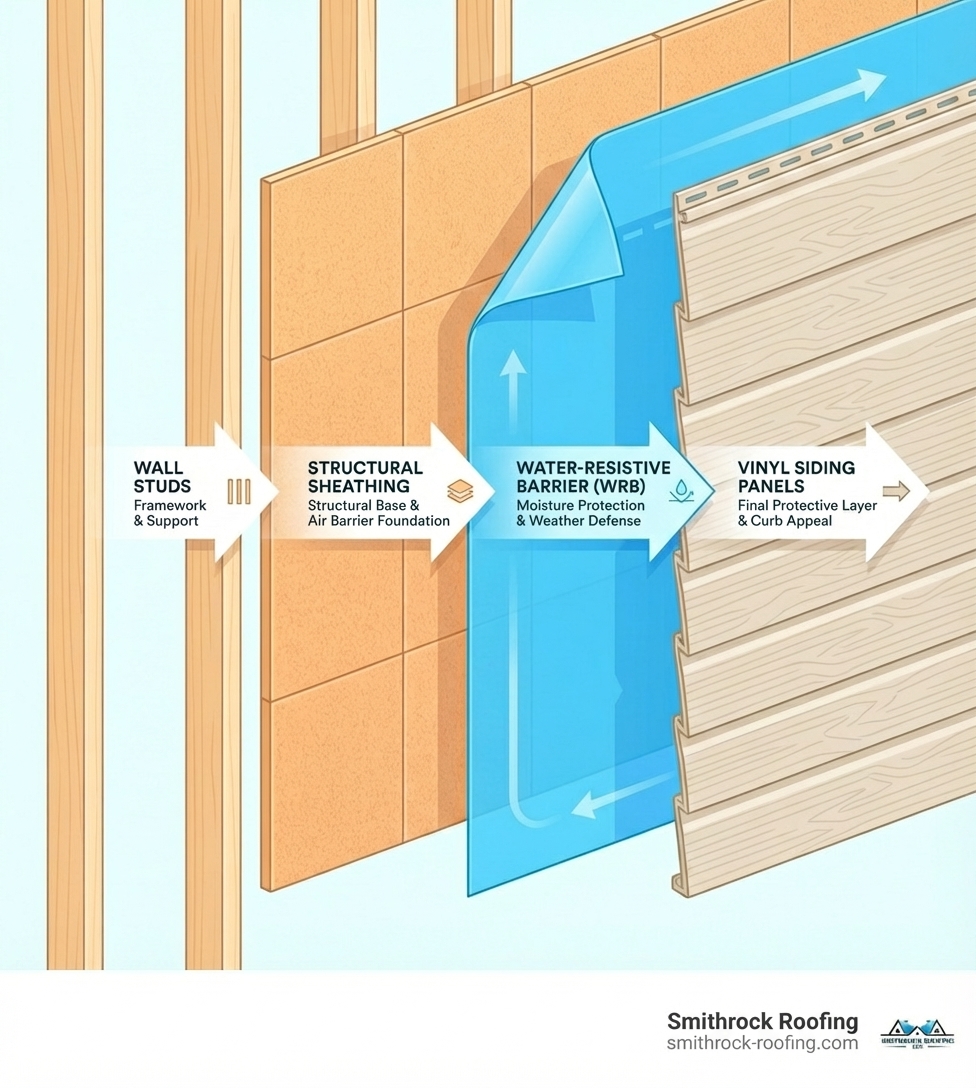
Proper wall preparation is the most critical, yet often overlooked, aspect of a durable and water-tight siding installation. Vinyl siding is a cladding, not a waterproofing layer. The true moisture protection for your home lies beneath it.

- Inspection and Repair: Begin by removing the old siding. Thoroughly inspect the exposed wall sheathing for any signs of rot, delamination, or insect damage. Use an awl or screwdriver to probe any suspect areas; if the wood is soft and spongy, it must be cut out and replaced with new material to provide a solid nailing base.
- Surface Preparation: The wall surface must be as smooth and flat as possible. Scrape away any old, hardened caulking. Remove all obstacles such as downspouts, light fixtures, vents, and decorative moldings. CRITICAL SAFETY NOTE: If your home was built before 1978, the old paint may contain lead. Federal law requires specific lead-safe work practices (EPA RRP Rule) to prevent hazardous dust. Consult a certified professional if you suspect lead paint.
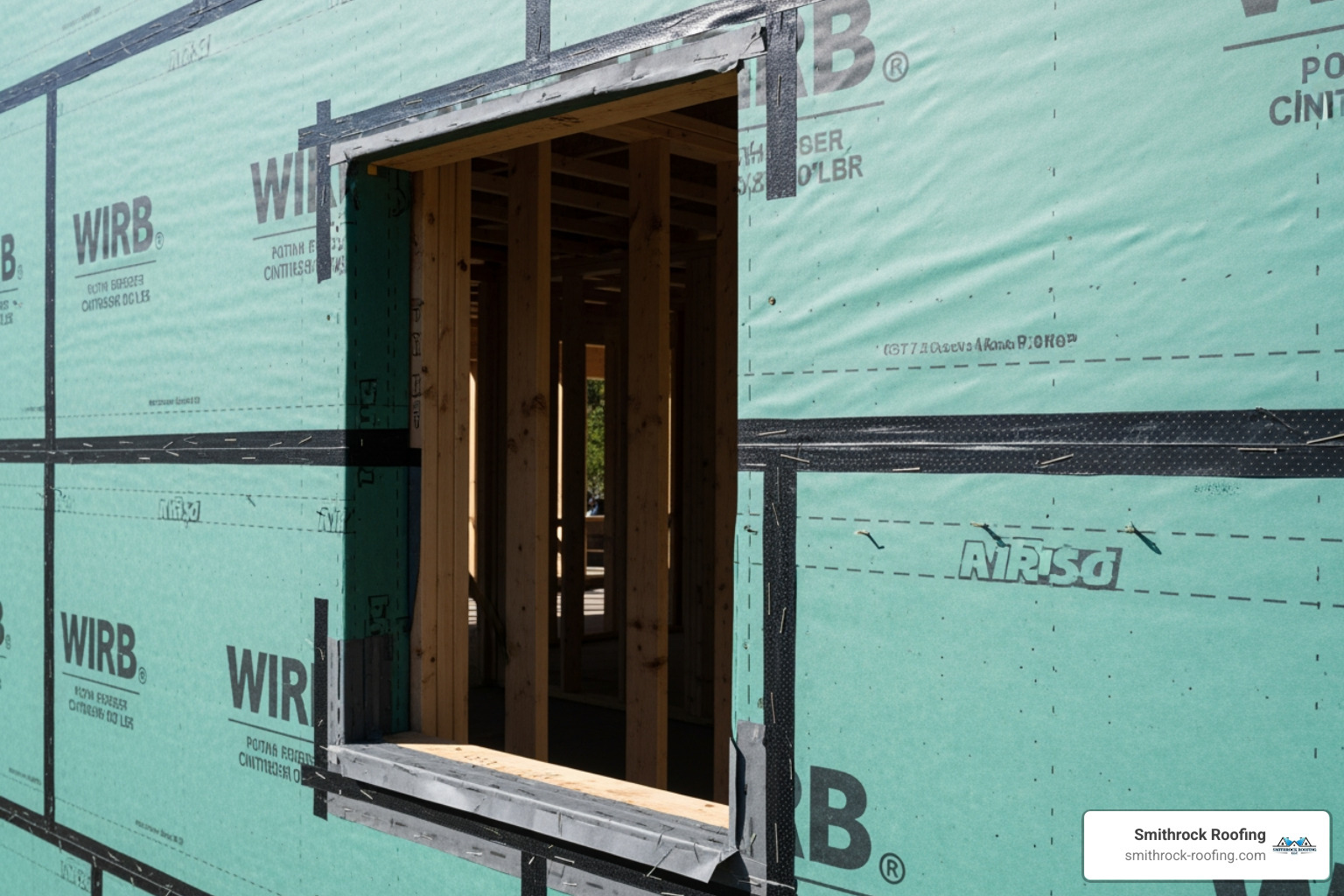
- Installing the Water-Resistive Barrier (WRB): The WRB (house wrap) is your home’s primary defense against water intrusion. Install it directly over the sheathing, starting from the bottom and working your way up. Overlap horizontal seams by at least 6 inches and vertical seams by 12 inches in a shingle-like fashion so that water always flows down and over the layer below. Use cap-nails or wide staples to secure it. Properly integrate the WRB with flashing around all windows and doors to create a continuous, unbroken moisture shield.
- Furring Strips (Rainscreen): If the existing wall is uneven (common in older homes) or if you are siding over masonry like brick or stucco, you must install vertical furring strips (e.g., 1x3s) every 16 inches on center. This creates a perfectly flat plane for the siding and, more importantly, provides a drainage gap or “rainscreen.” This gap allows any water that gets behind the siding to drain away and promotes air circulation to dry out the wall assembly, significantly enhancing the home’s long-term durability.
For more information on the various vinyl siding options available, explore our resources.
Estimating and Storing Your Siding
Accurate material estimation is key to avoiding project delays and budget overruns.
- Measurement: Calculate the total square footage of all wall surfaces to be sided by multiplying the length by the height of each wall. Measure the area of all windows, doors, and other non-sided areas and subtract this from your total. Siding is sold in “squares” (100 sq. ft. bundles), so divide your net square footage by 100. Always add 10% to your final number to account for waste, cuts, and potential mistakes.
- Accessories: Measure the total linear feet required for all trim pieces: starter strips (perimeter of the house base), J-channel (perimeter of all windows, doors, and rooflines), corner posts (height of all corners), and any other trim. Again, add 10% for waste.
- Storage: Store siding cartons on a flat, fully supported surface. Keep them out of direct sunlight and away from sources of extreme heat (anything above 130°F can cause permanent distortion). Ensure the cartons remain dry and protected from physical damage before installation.
The Complete Siding Installation Process: From Starter Strip to Final Panel
With the meticulous preparation complete, this phase transforms your planning into a beautiful, durable exterior. We will now break down the fundamental techniques for hanging siding, with an intense focus on the single most important principle: accommodating the material’s natural movement.
Mastering the Fastening Technique for Longevity
This is the most crucial skill in any vinyl siding installation. Getting this wrong is the number one cause of siding failure. Incorrect fastening will inevitably lead to wavy, buckled, and distorted siding that looks unprofessional and performs poorly.
- The Physics of Expansion and Contraction: Vinyl (PVC) has a relatively high coefficient of thermal expansion. This means it expands in the heat and shrinks in the cold. A single 12′ 6″ (3.81m) panel can change in length by 1/2″ (12.7mm) or even more between a cold morning and a hot afternoon. Your installation technique must allow for this movement.

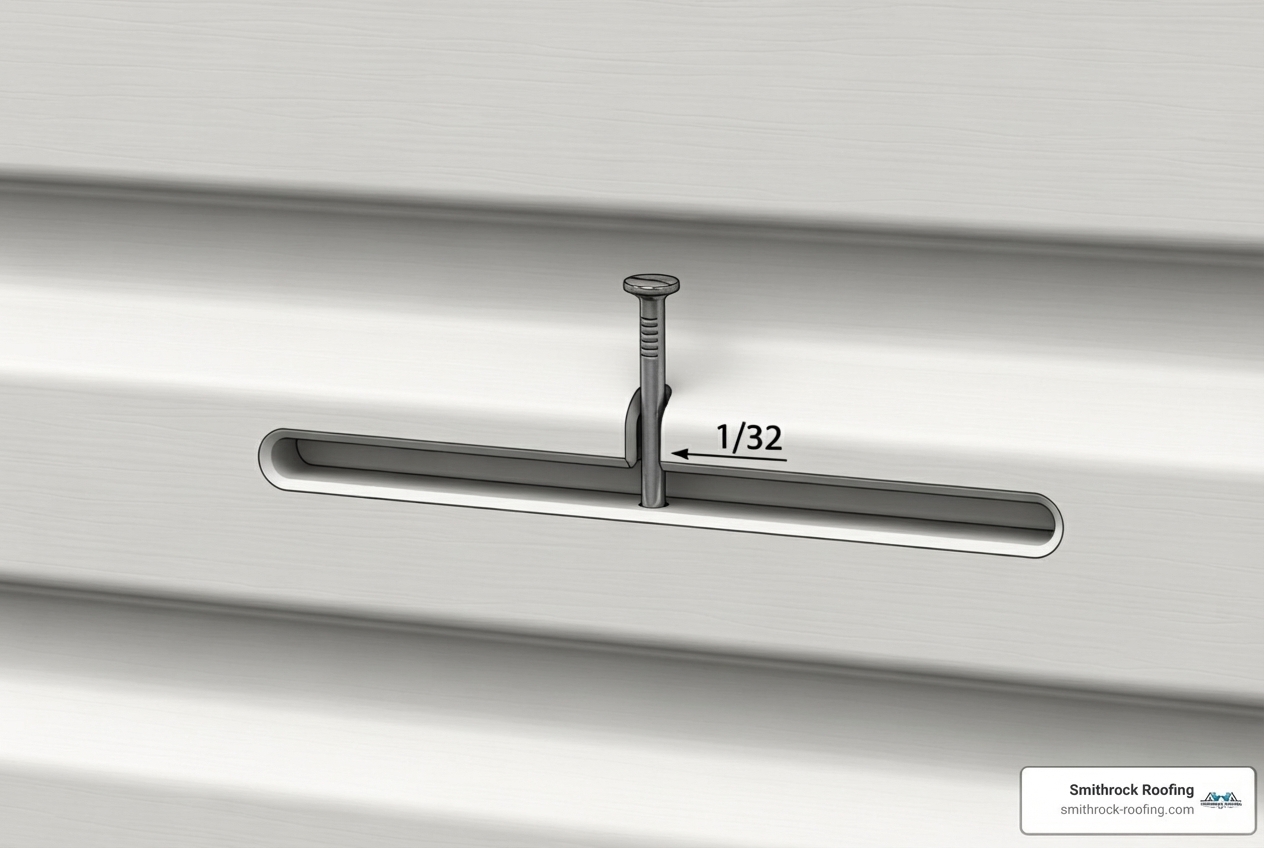
- Nail Placement: Always drive the fastener in the center of the elongated nailing slot. Never nail at the ends of the slot. Centering the nail allows the panel to slide freely left and right as it expands and contracts.
- Nail Depth: Do not drive the fastener tight against the nailing hem. You must leave a small gap of approximately 1/32″ (0.8mm)—about the thickness of a dime—between the fastener head and the vinyl. This is why it’s called “hanging” siding, not “nailing” it. The panel should be loose enough to move slightly by hand after being fastened. Drive all nails straight and level, not at an angle, which can pinch the panel and restrict movement.
- Fastener Spacing: Space fasteners a maximum of 16 inches (406mm) apart for horizontal siding, typically hitting every wall stud. For vertical siding, space fasteners every 12 inches (305mm). All accessories, like J-channel and corner posts, should be fastened every 8 to 12 inches (203mm to 305mm).
- Penetration Depth: To ensure a secure hold, fasteners must penetrate a minimum of 3/4 inch (19mm) into a solid nailable base, such as wood sheathing or a stud.
Installing Starter Strips and Corner Posts
These foundational components are critical for ensuring the entire installation is level, plumb, and properly aligned.
- Finding the Lowest Point: Your foundation may not be perfectly level. Use a laser level or water level to find the lowest corner of the house sheathing. This will be your starting reference point.
- Snapping a Level Chalk Line: From the lowest point, measure up to where you want the bottom of the siding to sit (allowing for proper ground clearance) and make a mark. Use your level to transfer this mark around the entire perimeter of the house, then snap a crisp chalk line connecting the marks. This line is your guide for the top of the starter strip.
- Starter Strip Installation: Align the top edge of the starter strip with your chalk line and nail it every 8 to 12 inches. When joining two pieces of starter strip, leave a 1/4″ (6.4mm) gap between them to allow for expansion. Use shims behind the strip to even out any low spots in the wall.
- Corner Post Installation: Install inside and outside corner posts before hanging the main siding panels. Place the first nail at the very top of the uppermost nailing slot on both sides. This will hang the post plumb. All subsequent nails should be centered in their slots. The post should extend about 3/4″ (19mm) below the bottom of the starter strip. Leave a 1/4″ gap between the top of the corner post and the soffit or eave above.
Hanging and Overlapping Siding Panels
With the foundation of trim in place, you can now begin installing the siding panels themselves.
- First Course: Lock the bottom lip of the first siding panel securely into the starter strip. This connection is vital for the stability of the entire wall. Give it a gentle tug to ensure it’s fully engaged before fastening.
- Panel Engagement: As you work your way up the wall, push up gently from the bottom of each new panel until you feel its lock fully engage with the panel below it. Do not force it or pull it tight vertically; the panel should hang freely from the fasteners above it, not be stretched between courses.
- Maintaining Expansion Gaps: This is non-negotiable. Where a panel meets any receiving channel (like a J-channel or corner post), you must leave a 1/4″ (6.4mm) clearance. This gap allows the panel to expand without buckling. In temperatures below 40°F (4.4°C), increase this gap to 3/8″ (9.5mm) to account for greater expansion as temperatures rise.
- Strategic Overlapping: Overlap horizontal panels by approximately 1 inch (25.4mm). To make laps less conspicuous, stagger them so they are not aligned vertically, with at least 3 feet between laps in adjacent courses. Plan your laps so they are located away from high-traffic areas like front doors and patios, and consider the primary viewing angles of your house.
These best practices are crucial for a successful and long-lasting siding installation. For more detailed guidance, you can refer to Vinyl Siding Installation Best Practices.
Detailing and Finishing Touches for a Professional Look
The final details are what separate an amateur, leak-prone job from a professional, watertight one. This section covers the critical techniques for handling tricky areas like windows, doors, gables, and rooflines, ensuring a clean, water-resistant finish—the hallmark of a quality siding installation.
Working Around Windows, Doors, and Fixtures
Properly trimming and flashing openings is essential for preventing water intrusion and achieving a polished, high-end look.
- Flashing First: Before any vinyl trim is installed, the window or door opening must be properly flashed. This is a critical water management step. Using self-adhering flashing tape, flash the opening in this order: first the sill (bottom), then the jambs (sides) overlapping the sill flashing, and finally the head (top) overlapping the jamb flashing. This shingle-lap sequence ensures water is always directed down and out.
- J-Channel Installation: J-channel is used to create a finished edge and receive the cut ends of siding panels around all openings. When installing J-channel around a window, create a “raincoat” system at the corners. Cut a tab in the bottom of the top piece of J-channel and fold it down over the side pieces. Miter the side pieces to create a clean corner. This diverts water out and away from the opening. Leave a 1/4″ (6.4mm) expansion gap where J-channel pieces meet corner posts.
- Weep Holes: Any horizontal piece of trim that has a nailing hem facing up, such as the J-channel under a window or the base trim for vertical siding, must have weep holes. Drill 3/16″ (4.8mm) diameter holes every 24 inches (610mm) along the bottom of the channel to allow any trapped water to escape.
- Finishing Under Openings and at the Top of Walls: To finish the course of siding that runs along the top of a wall or under a window sill, you’ll use under-sill trim (also called utility trim). Secure the trim flush against the wall. Measure and cut the final siding panel to height. Then, use a snap-lock punch to create raised lugs every 6-8 inches along the cut edge of the panel. These lugs allow the panel to snap securely into the under-sill trim, creating a tight finish without using any exposed face nails.
Installing Soffit and Fascia
These components protect the underside of your roof’s eaves and play a crucial role in attic ventilation, completing your home’s exterior envelope.
- Soffit and Attic Ventilation: Soffit panels are available in solid and vented styles. Vented soffit is essential for proper attic ventilation, providing the necessary air intake. A common rule of thumb is the 1/300 rule: 1 sq. ft. of net free vent area (NFVA) for every 300 sq. ft. of attic floor space, balanced between intake (soffit) and exhaust (ridge/gable vents). Proper ventilation helps prevent ice dams in winter and reduces cooling loads in summer.
- Soffit Installation: To install soffit, you first must install receiving channels. Typically, an F-channel is nailed to the wall, and a second F-channel or J-channel is nailed to the fascia board. Measure the width of the eave, subtract 1/2″ for expansion (1/4″ per side), and cut the soffit panels to length. Insert the panels into the channels, nailing them to any intermediate supports (required for eaves wider than 16-24 inches) to prevent sagging.
- Fascia Installation: Fascia panels cover the rafter ends and provide a clean edge. First, install under-sill trim along the top edge of the fascia board. An F-trim or a pre-bent aluminum trim is often used at the bottom of the fascia board to support the bottom edge of the vinyl fascia. Hook the bottom of the fascia panel onto this trim and slide the top edge up into the under-sill trim. Use a snap-lock punch to create lugs on the top edge to lock it into place, avoiding face nailing.
For more information about adjacent exterior components that protect your home, explore our gutter services.
Horizontal vs. Vertical Siding Installation: Key Differences
While the core principles of allowing for movement and managing water remain the same, there are key differences in the installation process for horizontal and vertical siding.
- Orientation and Aesthetics: This is primarily an aesthetic choice. Traditional horizontal lap siding can make a house appear wider and more classic. Vertical siding, including popular board and batten styles, offers a modern look that can make a house appear taller.
- Support System: Horizontal siding is typically fastened directly to the wall sheathing. Vertical siding requires a different support system. You must first install horizontal furring strips over the WRB every 12-16 inches to provide a nailing surface for the vertical panels. This also creates an excellent rainscreen.
- Starter/Base Trim: Horizontal siding begins with a starter strip at the bottom of the wall. Vertical siding installation starts with a special base trim that has built-in weep holes for drainage.
- Fastening: Fasten horizontal panels a maximum of 16″ (406mm) apart. Fasten vertical panels every 12″ (305mm) into the horizontal furring strips. In both cases, always center fasteners in the slots and leave the 1/32″ gap.
Here’s a quick comparison:
| Feature | Horizontal Installation | Vertical Installation |
|---|
| Support | Directly to sheathing/studs | Requires horizontal furring strips for nailing |
| Fastening | Maximum 16″ (406mm) apart, centered in slots | Every 12″ (305mm) apart, centered in slots |
| Trim | Starter strip at bottom, J-channel for openings | Special base trim with weep holes at bottom |
| Aesthetics | Traditional, classic, makes house appear wider | Modern, can make house appear taller |
Post-Installation: Maintenance and Common Mistakes
Your new exterior is installed, but the project isn’t truly complete. Understanding how to perform routine maintenance and, more importantly, how to identify and fix common installation errors is essential for protecting and maximizing your siding installation investment for years to come.
Common Siding Installation Mistakes and How to Fix Them
Even with careful work, mistakes can happen. Knowing what to look for can help you correct issues before they cause significant damage.
- Buckling, Waving, or Warping: This is the most common visual defect and is almost always caused by restricted movement. The primary culprits are: nailing too tightly, not leaving a 1/32″ gap, driving nails at an angle, or not leaving a 1/4″ expansion gap where panels meet trim.
- Face Nailing: Never drive a nail through the visible face of a siding panel. This is a cardinal sin. It completely locks the panel in place, leading to severe buckling and potential cracking around the nail as the panel tries to expand and contract.
- Improper Overlaps: Laps that are too small (less than 1″) can pull apart in cold weather, exposing the wall. Laps that are too large or too tight restrict movement. Laps should also be staggered and not aligned vertically up the wall, which creates an unsightly “stair-step” pattern.
- Insufficient Ground Clearance: Siding should terminate at least 6-8 inches above grade (the ground). If it’s installed too close to the ground, it can wick up moisture, leading to dirt, mildew, and potential water issues behind the siding.
- Correction with a Zip Tool: Fortunately, many of these mistakes are correctable without removing the entire wall of siding. A zip tool is designed to unlock panels. To use it, slide the curved tip under the buttlock of the panel above the one you want to remove. Hook the locking edge and pull down while sliding the tool horizontally along the panel. This will “unzip” the panel. You can then access the fasteners of the problem panel, correct the nailing, and then use your hands to snap the upper panel back into place.
For more in-depth guidance, check out our siding repair resources.
Cleaning and Maintaining Your New Siding
One of vinyl siding’s most significant advantages is its minimal maintenance requirements. A little bit of care will keep your home’s exterior looking fantastic for decades.
- Routine Cleaning: For light dirt and dust, a simple rinse with a garden hose is often all that’s needed. For a deeper clean, use a soft-bristled brush (like one for washing a car) with a simple solution of mild soap and water. Work from the bottom up and rinse from the top down.
- Tougher Stains: For more stubborn grime, a solution of 70% water and 30% white vinegar is effective. For things like grease or oil, mild, non-abrasive household cleaners can be used. Always test any cleaner on a small, inconspicuous area first.
- Mildew Removal: If you notice green or black spots, it’s likely mildew. A solution of one part household bleach to four parts water can be used to treat it. Apply the solution, let it sit for a few minutes (but don’t let it dry), and then rinse thoroughly with clean water.
- Prohibited Methods: Never use a high-pressure power washer set above 1500 PSI or hold the nozzle too close to the siding, as this can force water up behind the panels. Avoid using abrasive cleaners, wire brushes, acetone, paint thinner, or other harsh solvents, as they can permanently damage the vinyl’s surface.
- Periodic Inspection: At least once a year, walk around your home and inspect the siding for any loose panels, cracks, or damage, especially after a severe storm. Addressing minor issues promptly prevents them from becoming major problems.
- Durability: When properly installed and cared for, high-quality vinyl siding can easily last for between 30 and 40 years. This impressive lifespan makes it an excellent long-term investment in your home’s protection and value.
Frequently Asked Questions about Siding Installation
Can I install new vinyl siding over my old siding?
While it is technically possible in some situations, it is strongly discouraged and generally not considered best practice. You might be able to install over a single, flat layer of old siding (like wood lap or even old vinyl) if it’s in sound condition. However, removing the old siding is almost always the better choice. Removal allows for a thorough inspection of the wall sheathing, which is your only opportunity to find and repair hidden rot, insect damage, or structural issues. Installing over old, uneven siding will telegraph those imperfections through to the new siding, resulting in a wavy, unprofessional finish. Furthermore, removing the old layer allows for the proper installation of a modern, continuous water-resistive barrier (WRB) and flashing system, which is critical for long-term water management. Starting with a clean, flat, properly waterproofed surface is the key to a professional and durable job.
What happens if I nail the siding too tightly?
Nailing siding too tightly is the single most common and damaging mistake made during a siding installation. Vinyl siding is designed to expand and contract significantly with daily and seasonal temperature fluctuations. When fasteners are driven too tightly against the nailing hem, they pin the panel to the wall, completely restricting this essential movement. As the panel tries to expand in the heat, it has nowhere to go, so it will buckle, warp, and distort, creating an unsightly wavy appearance often called “oil canning.” In the cold, as the panel tries to contract, the restricted points can become highly stressed, leading to cracking and failure. To prevent this, you must always center the nail in the slot and leave a 1/32″ gap (the thickness of a dime) between the nail head and the siding.
Do I need to caulk vinyl siding?
No, you should not caulk the main components of a vinyl siding system. The system is engineered to be a “drained screen wall,” meaning it’s expected that some water may get behind the panels. The overlapping panels, trim channels, and weep holes are all designed to manage this water and allow it to drain out safely. Caulking the joints where panels overlap or where they meet J-channels and corner posts would trap this moisture, preventing it from escaping. This can lead to mildew growth, rot in the underlying wall structure, and can also restrict the panel’s necessary movement, causing buckling. The only places where caulk might be appropriate is where vinyl trim meets a different material (e.g., where a J-channel abuts a brick chimney or a stone foundation), but it should never be used to seal the siding panels themselves.
How much does professional siding installation cost?
Siding installation costs can vary widely based on material, location, home complexity, and the contractor. As a rough estimate, professional installation for vinyl siding typically ranges from $4 to $12 per square foot. Fiber cement siding is more expensive, usually falling between $6 and $15 per square foot. Natural wood siding can range from $8 to $20+ per square foot depending on the species. Key factors that influence the final price include: the size and number of stories of your home, the cost of removing and disposing of the old siding, the extent of any necessary repairs to the underlying sheathing, and the complexity of the home’s architecture (e.g., many windows, gables, and dormers).
Insulated vinyl siding, which has a layer of rigid foam insulation laminated to the back of each panel, can be a worthwhile investment, but it depends on your goals and climate. The added insulation (typically providing an R-value of R-2 to R-4) helps reduce thermal bridging through the wall studs, which can lead to modest energy savings. The foam backing also makes the panels more rigid and impact-resistant, reducing noise from the outside and providing a more solid, premium look. Whether it’s “worth it” is a personal calculation. If your home is older with poorly insulated walls, the energy savings could provide a reasonable return on investment over time. If your primary goal is improved durability and a quieter interior, it may also be a good choice. It’s best to weigh the higher upfront cost against the potential long-term energy savings and non-energy benefits.
Conclusion: Enjoy Your Home’s New Look
Becoming a siding hero means internalizing that a successful siding installation is a system built on three pillars: meticulous water management, unwavering respect for the material’s movement, and a keen eye for finishing details. It’s about more than just attaching panels to a wall. It’s about creating a comprehensive protective envelope, starting with the water-resistive barrier and flashing, mastering the art of loose-nailing to accommodate expansion and contraction, and expertly detailing around every window, door, and corner to ensure a professional, long-lasting result.
The value of a job well done extends far beyond the immediate satisfaction of a fresh look. According to industry reports like Remodeling Magazine’s “Cost vs. Value” analysis, siding replacement consistently ranks among the home improvement projects with the highest return on investment, often recouping 70-80% or more of its cost at resale. A high-quality siding installation significantly boosts your home’s curb appeal, increases its market value, and provides robust protection from the elements for decades to come. It is a true investment in your home’s future, ensuring it remains safe, comfortable, and beautiful.
While tackling a siding project yourself can be an incredibly rewarding experience, it’s also important to recognize when to call in an expert. If you’re facing a multi-story home, discover significant rot or structural damage after removing the old siding, have complex architectural features, or simply want the peace of mind that comes with a professional warranty, it is wise to contact a qualified contractor. Here at Smithrock Roofing, we have extensive experience in all types of exterior renovations, serving communities like Winston-Salem NC, King NC, Clemmons NC, Lewisville NC, Pilot Mountain NC, East Bend NC, Mt. Airy NC, Kernersville NC, and many more across the region. For a professional consultation on your next siding installation project, explore our comprehensive siding services.