Your chimney is more than just a brick structure; it’s a complex system designed to safely vent the byproducts of combustion from your home. At the very top of this system sits a small but crucial defender: the chimney cap. A 13×13 chimney cap is a protective cover that fits over your chimney flue, acting as the first line of defense against a host of potential problems. While seemingly simple, its role is indispensable for preventing rain, animals, debris, and dangerous sparks from entering your flue, all while ensuring smoke and gases can escape efficiently.
Neglecting this vital component is an invitation for trouble. Issues that begin as minor annoyances—like a bit of water in the firebox or a bird’s nest—can quickly escalate into catastrophic failures. Water damage can silently erode your chimney’s masonry from the inside out, animal nests can create dangerous blockages leading to fire or carbon monoxide poisoning, and stray sparks can ignite a devastating roof fire. A properly selected and installed chimney cap is a small, one-time investment that prevents a cascade of costly and hazardous scenarios.
This comprehensive guide will walk you through everything you need to know about selecting, measuring, installing, and maintaining a 13×13 chimney cap. We will delve into the science behind different materials, from economical galvanized steel to lifetime-warrantied stainless steel and elegant copper. You’ll learn what critical features to look for, such as mesh size and construction quality, and how to ensure a perfect, weatherproof fit for your specific flue. Whether you are replacing a rusted, storm-damaged cap or installing one for the first time, making an informed choice is the key to protecting your home, safeguarding your family, and preserving the longevity of your entire chimney system.
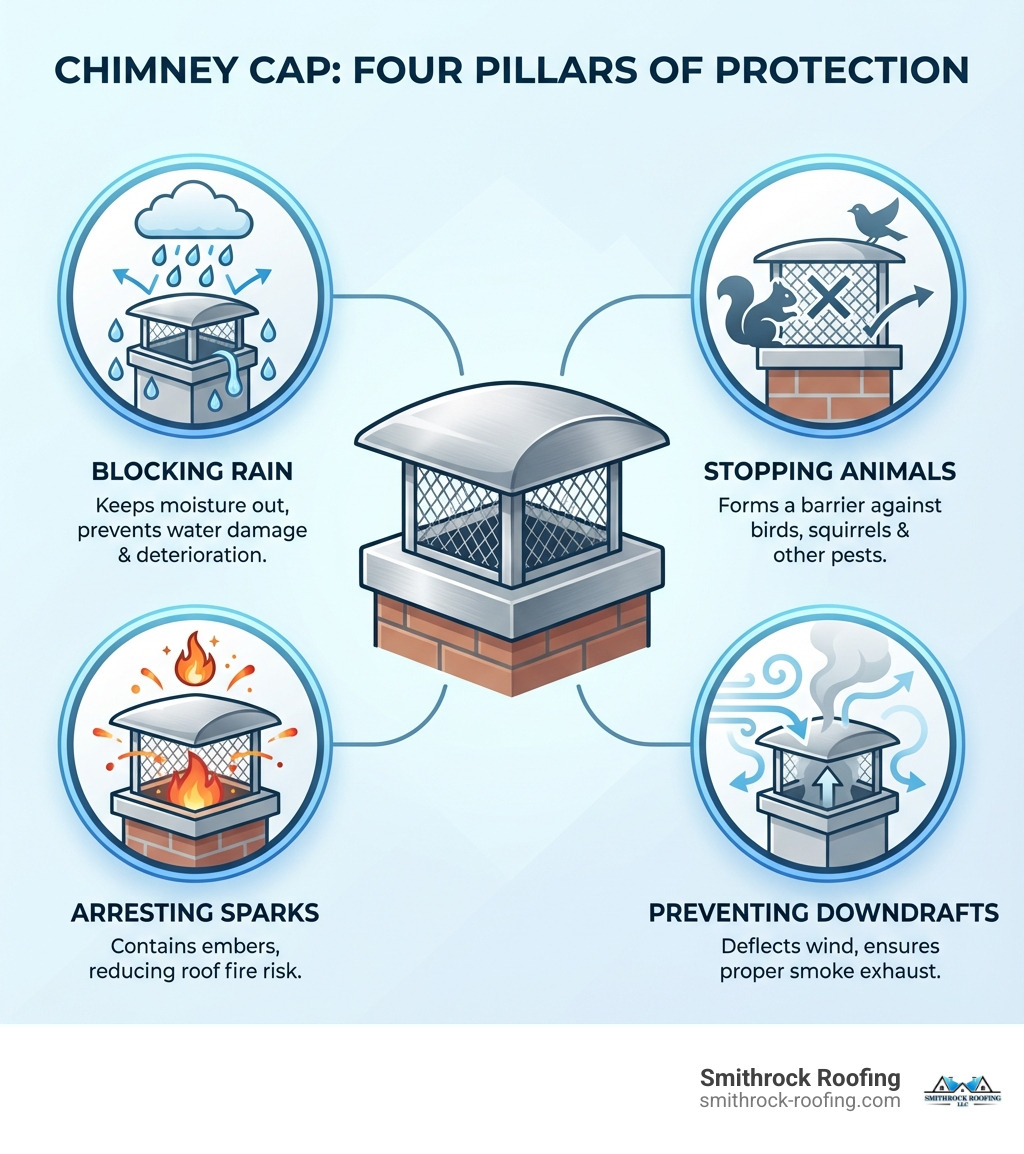
Your chimney is constantly exposed to the elements and potential intruders. Without proper protection, it can become a source of significant problems, leading to costly repairs and safety hazards. A chimney cap is a critical component that safeguards your entire chimney system. Let’s dig into the primary functions that make a 13×13 chimney cap an indispensable shield for your flue.
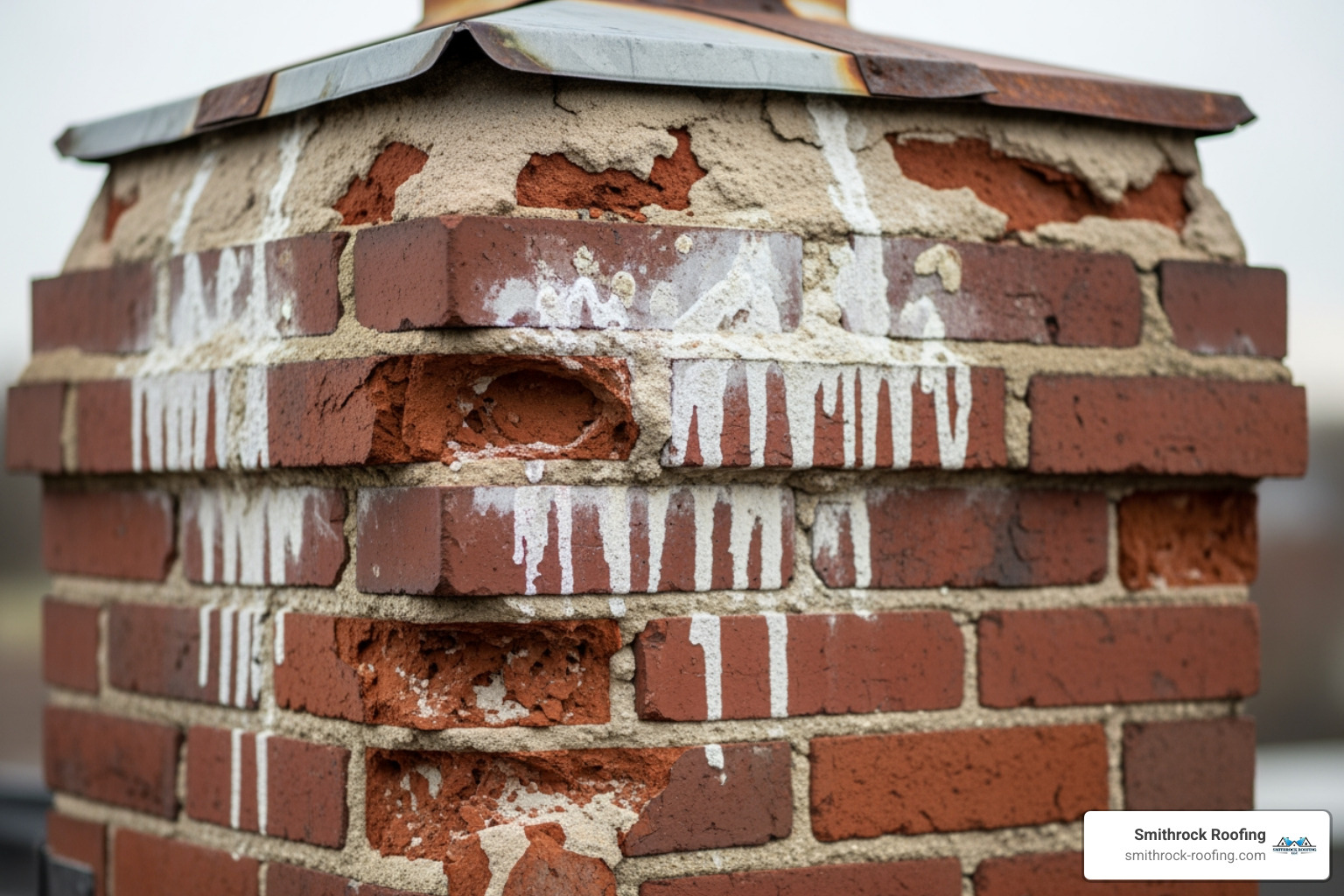
An uncapped chimney is essentially an open funnel for rainwater, channeling it directly into the heart of your home. This constant moisture saturation is a chimney’s worst enemy. It attacks the flue liner—whether it’s clay tile, metal, or a cast-in-place liner—causing it to crack, split, or corrode. A compromised flue liner is a serious fire hazard and can allow toxic gases like carbon monoxide to leak into your living spaces. Furthermore, this water mixes with creosote deposits, forming a highly acidic slurry that accelerates the deterioration of the entire system.
Water also permeates the porous brick and mortar of the chimney structure. In colder climates, this leads to a destructive freeze-thaw cycle. Water seeps into tiny cracks, freezes, expands, and breaks the mortar and brick apart. This process, known as spalling, can weaken the chimney’s structural integrity. You may also notice unsightly white, powdery stains on the exterior brickwork, a phenomenon called efflorescence. This occurs when water-soluble salts are drawn out of the masonry and left behind as the water evaporates. Internally, metal components like the damper and firebox can rust and seize up, requiring expensive repairs. A damp chimney also creates the perfect environment for mold and mildew growth, which can compromise your home’s indoor air quality. A well-designed 13×13 chimney cap acts as a permanent umbrella, deflecting precipitation and preventing this cascade of water-related problems. For more comprehensive information about how we maintain and protect your chimney, please visit our page on More info about chimney services.
To a bird, squirrel, or raccoon, your open chimney flue looks like a safe, sheltered, and ideal place to build a nest. Unfortunately, this creates a dangerous situation for the homeowner. These animals can become trapped, and their nests, often made of highly flammable materials like twigs, leaves, and grass, create a severe blockage. This obstruction prevents smoke, soot, and deadly carbon monoxide from escaping your home, forcing them back into your living area. The nesting material itself presents a significant fire hazard; a single hot ember can ignite the nest and start a chimney fire.
Even without animals, an open flue collects falling leaves, twigs, and other debris over time. This accumulation can also hinder proper ventilation and increase fire risk. Furthermore, animal droppings can accumulate, creating unsanitary conditions and potentially carrying diseases like histoplasmosis. A 13×13 chimney cap with a sturdy mesh screen is the most effective and humane way to prevent these unwelcome guests and debris from entering your chimney. The mesh is sized to keep even small animals out while allowing smoke and gases to exit freely. If you’re particularly concerned about birds, especially protected species like Chimney Swifts that have specific regulations regarding their removal, explore our dedicated resource on Chimney Covers to Stop Birds.
One of the most critical safety functions of a chimney cap is its role as a spark arrestor. As you enjoy a fire, the updraft can carry hot embers and sparks up and out of the chimney. Without a cap, these airborne embers can land on your roof, nearby trees, or dry grass, potentially igniting a devastating fire. This risk is especially pronounced in areas with dry climates, high winds, or homes with combustible roofing materials like wood shakes.
A quality 13×13 chimney cap features a mesh screen that acts as a barrier, containing these sparks and preventing them from escaping. This significantly reduces the risk of accidental fires originating from your chimney. Many local building codes and fire departments, following guidelines like the National Fire Protection Association (NFPA) 211 standard, mandate the use of a spark arrestor. These codes often specify a mesh size with openings between 3/8-inch and 1/2-inch (a 5/8-inch mesh screen is a common standard that meets this requirement). Therefore, installing a chimney cap is not just a smart safety precaution—it’s often a legal necessity for protecting your property and community.
Have you ever been enjoying a fire only to have a gust of wind push a puff of smoke back into your living room? This unpleasant and hazardous phenomenon is called a downdraft. It occurs when wind currents blow across your roof and are forced down into the chimney flue, disrupting the natural upward flow of smoke (known as the “stack effect”).
A chimney cap, particularly one with a well-designed lid, helps manage these external wind currents. It acts as a buffer, deflecting wind away from the flue opening and preventing it from creating negative pressure inside the chimney. By minimizing downdrafts, a cap promotes a consistent, efficient draft, ensuring that smoke and combustion gases are drawn safely out of your home. This not only improves indoor air quality but also prevents cold air from rushing down the chimney on windy days, which can make your home feel drafty and increase heating costs. For persistent downdraft issues in high-wind areas, specialized caps like vacuum or turbine caps are designed to use wind to actually enhance the draft, further improving fireplace performance.
Selecting the right 13×13 chimney cap is crucial for long-term performance and protection. The market offers a variety of materials, each with its own unique balance of durability, cost, and aesthetics. Understanding these differences, along with other key design features, will empower you to make an informed decision that best suits your home and budget.
| Material | Durability | Maintenance | Aesthetics | Typical Lifespan |
|---|---|---|---|---|
| Galvanized Steel | Good; susceptible to rust over time | Periodic inspection for rust | Industrial, often black-coated | 5-10 years |
| Stainless Steel | Excellent; highly resistant to corrosion | Low; occasional cleaning | Modern, polished or matte silver | 10-25+ years |
| Copper | Superior; extremely durable, develops patina | Low; develops natural patina | Premium, develops green/brown patina | 25+ years |
| Aluminum | Very Good; rust-proof but softer than steel | Low; may dent or deform | Lightweight, paintable | 10-20 years |
Choosing the right material for your 13×13 chimney cap is a critical decision that impacts its lifespan and appearance:
Galvanized Steel: This is the most common and budget-friendly option. Galvanized steel is carbon steel that has been coated with a layer of zinc to prevent rust. While it offers decent protection, this zinc coating will eventually wear away, especially in wet or coastal climates, leading to corrosion. Many are finished with a black powder coat for added protection and a more finished look. They typically feature a 24-gauge lid and an 18-gauge base, offering a good balance of strength and affordability. A 7-year workmanship warranty is common. You can find examples such as the 13 in. x 13 in. Galvanized Steel Fixed Chimney Cap in Black for typical applications.
Stainless Steel: For superior longevity and corrosion resistance, stainless steel is an excellent investment. Most quality caps use 304-grade stainless steel, which contains high levels of chromium and nickel, making it highly resistant to rust and harsh weather. For homes in coastal areas like North Carolina, where salt spray can accelerate corrosion, upgrading to 316-grade stainless steel is recommended for its added molybdenum content, which provides maximum protection against chlorides. Stainless steel caps often come with a lifetime warranty, reflecting their robust construction (typically an 18-gauge base and 24-gauge lid). Many quality stainless steel caps are made in the USA, ensuring high manufacturing standards. For a durable option, consider products like the 13 in. x 13 in. Stainless Steel Fixed Chimney Cap.
Copper: As the premium choice, copper offers unparalleled durability and a distinctive, elegant aesthetic. Copper is impervious to rust and will last for decades, often outliving the chimney itself. Over time, it develops a beautiful blue-green patina (verdigris) that protects the underlying metal and adds a classic, stately character to your home. While the initial investment is higher, copper’s exceptional lifespan and virtually maintenance-free nature make it a worthwhile long-term value. To explore this high-end material, learn more about our Copper Chimney Cap options.
Aluminum: Less common than steel but still a viable option, aluminum caps are lightweight and completely rust-proof. However, aluminum is a softer metal than steel, making it more susceptible to damage from hail or falling branches. It’s a good mid-range choice that offers better longevity than galvanized steel without the cost of stainless steel or copper.
Beyond the material, several key features determine a cap’s effectiveness and durability:
Mesh Size: The mesh screen is vital for animal protection and spark arresting. A 3/4-inch mesh is standard for keeping out pests like raccoons and squirrels. However, a finer 5/8-inch mesh is often required to meet local fire codes for spark arrestors. Always check regulations in our service areas like Winston-Salem and King to ensure compliance.
Construction Quality: A cap’s build quality directly impacts its ability to withstand high winds and heavy snow. Look for a heavy-duty base, typically made from thicker 18-gauge metal (approx. 1.2mm thick), for stability. The lid, which deflects rain, is often made from a slightly lighter 24-gauge metal (approx. 0.6mm thick). Welded seams are far superior to folded tabs or rivets, as they create a stronger, more rigid structure that won’t rattle or come apart over time.
Warranty Details: A strong warranty is a good indicator of a manufacturer’s confidence in their product. While galvanized caps may offer a 5 to 7-year warranty, reputable stainless steel and copper caps often boast lifetime warranties against rust-through and manufacturing defects, offering you long-term peace of mind.
Made in USA Benefits: Choosing a chimney cap made in the USA often translates to higher quality materials, superior craftsmanship, and stricter quality control. This ensures the product is built to withstand the diverse weather conditions found across North Carolina and beyond.
Chimney caps are not one-size-fits-all. They come in various styles to suit different chimney configurations:
Single-Flue Caps: The most common type, these are designed to cover a single flue tile. They typically attach directly to the flue with set screws or slip into the flue opening.
Multi-Flue Caps: If your chimney has two or more flues, a multi-flue cap provides an all-in-one solution. These larger, rectangular caps are mounted to the chimney crown, covering all the flues simultaneously and offering added protection to the crown itself.
Outside Mount Caps: For maximum protection, an outside mount cap is the best choice. These caps feature a skirt that extends down over the sides of the chimney, shielding not just the flue but the entire chimney crown from water intrusion and freeze-thaw damage. They are the ultimate defense against crown deterioration.
Custom Caps: For chimneys with unusual dimensions, multiple flue heights, or unique architectural designs, a custom-fabricated cap may be necessary. These can be made to any specification to ensure perfect coverage and aesthetic harmony. For a broader look at cap designs, explore our insights on Prefabricated Chimney Caps.
Ensuring a proper fit for your 13×13 chimney cap is paramount for it to function correctly. A cap that’s too small won’t offer adequate protection, while one that’s too large can be unstable in high winds and may not draft properly. This section provides a detailed guide to measuring your flue accurately and installing your new cap safely.
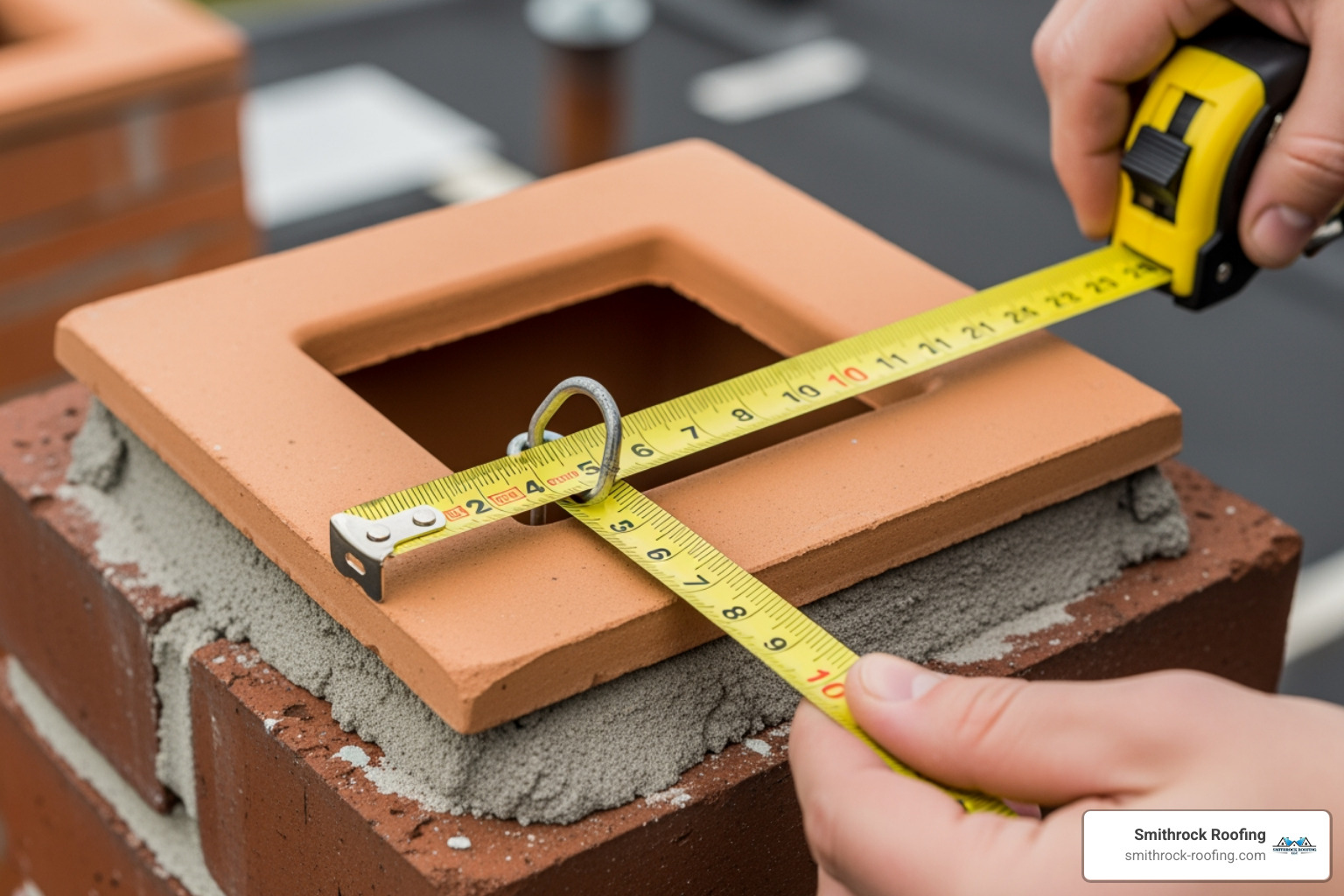
It’s a common point of confusion: a “13×13 chimney cap” refers to the flue size it’s designed to fit, not the cap’s own dimensions. To provide sufficient overhang for rain protection, these caps have a larger base (e.g., 14″x14″) and an even larger lid (e.g., 18″x18″). A standard 13×13 cap is designed to fit flue tiles with outside dimensions ranging from approximately 11.5″ x 11.5″ up to 13.5″ x 13.5″, accommodating the slight variations common in clay tile manufacturing.
Here’s how to get accurate measurements:
Prioritize Safety: Before you even think about measuring, assess the safety of accessing your roof. Use a sturdy, properly angled ladder that extends at least three feet above the roofline. Wear non-skid, soft-soled footwear for maximum grip. On steeper roofs, a safety harness is essential. If you have any doubts about your ability to work safely at height, please contact us for professional assistance.
Measure the Outside Dimensions: For a standard square or rectangular clay flue, use a reliable tape measure to find the length and width of the outside of the flue tile. Do not measure the inside opening. For example, a flue tile that measures 12.5″ x 12.5″ on the outside is a perfect candidate for a standard 13×13 cap.
Check Flue Height: The flue tile must extend at least 1 inch above the chimney crown for a standard cap to be mounted. For proper drafting, the cap’s lid should be positioned at least 6 inches above the top of the flue opening. This clearance is critical to allow exhaust fumes to disperse efficiently.
Address Irregularities: What if your flue is not a standard square? If you have a round flue, measure its outside diameter. If you have multiple flues, measure each one individually, as well as the distance between them, to determine if you need multiple single-flue caps or one large multi-flue cap.
Installing a chimney cap can be a DIY project for those comfortable with heights and basic tools, but we always recommend extreme caution. Our experienced team in North Carolina can handle the installation safely and correctly for you.
Tools & Materials Needed:
Single-Flue Installation Process:
While DIY is possible, hiring a professional offers significant advantages. We have the proper safety equipment, experience, and insurance. We can also perform a quick inspection of your chimney crown and flashing during the installation, identifying potential issues before they become major problems. For expert installation, refer to our service page on Fireplace Cap Installation.
Even the most durable 13×13 chimney cap is not a “set it and forget it” component. It serves as your chimney’s primary shield against the relentless assault of weather and wildlife. Regular inspection and timely maintenance are essential to ensure it continues to function safely and effectively, saving you from the very problems it was designed to prevent.
Your chimney cap endures extreme heat, high winds, heavy rain, and snow, so wear and tear are inevitable. Be vigilant for these clear indicators that your 13×13 chimney cap needs professional attention, repair, or replacement:
The expected lifespan of your 13×13 chimney cap is directly related to its material and your local climate:
Regardless of the material, we strongly recommend an annual inspection of your entire chimney system, including the cap. This is typically done as part of a routine chimney cleaning and inspection by a CSIA-certified professional. A professional can spot subtle signs of wear, corrosion, or improper fitting that are not visible from the ground. This allows for timely repairs or replacement, preventing a small issue like a loose screw from becoming a major problem like a dislodged cap and a water-damaged flue. For complete guidance on replacing a worn-out cap, consider our comprehensive Chimney Cap Replacement services.
We understand that choosing, installing, and maintaining a chimney cap can bring up many questions. To help you make confident and informed decisions, we’ve compiled answers to some of the most common inquiries about the 13×13 chimney cap.
This is a crucial distinction. A “13×13 chimney cap” is named for the nominal size of the flue tile it is designed to cover, not the physical dimensions of the cap itself. To function correctly, the cap must be larger than the flue. A typical 13×13 cap will have a base that is slightly larger (e.g., 14″ x 14″) to fit securely over flue tiles that may actually measure anywhere from 11.5″ x 11.5″ to 13.5″ x 13.5″ on their outside edges. The cap’s lid will be even larger (e.g., 18″ x 18″) to create a protective overhang.
This overhang is critical; it acts like the eaves of a roof, directing rain, snow, and sleet away from the flue opening and the vulnerable chimney crown. When shopping, you are looking for a cap with a specified fit range that includes your flue’s actual outside dimensions. Always measure your flue’s outer length and width before purchasing.
For homeowners with proven DIY skills, the right tools, and a high level of comfort working at heights, installing a standard 13×13 chimney cap is a manageable project. The process generally involves securing the cap to the flue tile with set screws.
However, safety must be the absolute top priority. Working on a roof carries inherent risks of falls, which can lead to serious injury. You must use a properly secured ladder, wear appropriate non-skid footwear, and consider a safety harness, especially on sloped roofs. If you are even slightly hesitant about working at height or do not have the proper safety gear, we strongly recommend calling a professional. Our trained technicians are equipped with the right tools, safety protocols, and insurance to install the cap securely and correctly, giving you total peace of mind. For more on this topic, check out our guide on How Much Does It Cost for a Chimney Cap Installation?.
A properly sized and installed 13×13 chimney cap will improve your fireplace’s performance and safety. By preventing wind-induced downdrafts, a cap helps maintain a consistent upward draft, ensuring smoke and combustion byproducts are efficiently drawn out of the house. This leads to less smoke spilling into your room, a more efficient burn, and reduced creosote buildup.
Conversely, an improperly sized or installed cap can be detrimental. A cap that is too small, sits too close to the flue opening (less than 6 inches of clearance), or has a mesh screen clogged with soot can obstruct the flow of exhaust. This restriction can cause poor drafting, leading to smoke problems in the home and an increased risk of carbon monoxide exposure. This is why accurate measurement and correct installation are not just suggestions—they are vital for the safe and efficient operation of your fireplace.
Yes. Standard chimney caps can sometimes be insufficient in areas prone to high winds or persistent downdrafts. In these situations, a specialized downdraft-reducing cap is the best solution. Models like the Vacu-Stack are designed with vents that use the wind’s own energy to create a venturi effect, pulling smoke up and out of the flue. Turbine-style caps use spinning vanes to actively draw air out of the chimney. These are excellent problem-solvers for homes where geography or roof design creates challenging wind patterns.
Absolutely. While a gas fireplace doesn’t produce sparks, the chimney flue still needs protection. An uncapped flue can still allow rainwater to enter, which can damage the metal components of your gas fireplace assembly and the chimney interior. It also provides an open invitation for animals to build nests, which can block the vent and cause dangerous fumes to back up into your home. Finally, a cap helps prevent cold downdrafts in the winter, improving your home’s energy efficiency.
The 13×13 chimney cap, though a relatively small and inexpensive component, plays a disproportionately large role in the overall health, safety, and longevity of your home’s chimney system. As we’ve detailed, it is your primary defense against the destructive forces of water damage, the hazards of animal intrusion, the fire risk of escaping sparks, and the performance issues caused by downdrafts. Viewing this component not as an accessory but as an essential piece of your home’s protective envelope is the first step toward proactive homeownership. A single investment in a quality cap can prevent thousands of dollars in future repairs to your flue liner, masonry, and firebox.
Making the right choice requires careful consideration of materials—balancing the economy of galvanized steel against the long-term, warrantied performance of stainless steel and the timeless elegance of copper. It means paying close attention to critical features like spark-arresting mesh and robust, welded construction. Most importantly, it demands accurate measurement and secure, safe installation to ensure the cap functions effectively for its entire lifespan.
For homeowners in Winston-Salem, King, Clemmons, and our surrounding North Carolina communities, a properly installed chimney cap is a non-negotiable part of your home’s defense against our varied climate. It is a simple decision that delivers substantial returns in protection, safety, and peace of mind. If you have any doubts or wish to ensure the job is done with professional precision, trust the experienced team at Smithrock Roofing to protect your home from the top down. Learn more about our comprehensive chimney services and let us help you select and install the perfect, lasting cap for your flue.
Smithrock Roofing © Copyright 2026 • All Rights Reserved • Privacy Policy • Maintained by Mongoose Digital Marketing