Durable roofing solutions are more critical today than ever before, as homeowners contend with increasingly unpredictable weather patterns, rising energy costs, and a growing desire to make smart, long-term investments in their properties. A durable roof is not just a protective barrier against the elements; it is a core component of your home’s structural and thermal envelope, directly affecting its safety, energy efficiency, and resale value.
The most resilient options on the market today represent a significant leap in performance and longevity:
To be considered truly durable, a roofing system must excel in several key areas, including:
Today’s most durable materials can last anywhere from 40 to over 100 years, a stark contrast to standard asphalt shingles that typically need replacement every 20-22 years. This extended lifespan translates to fewer disruptions, lower lifetime costs, and better environmental sustainability. After installing a high-performance, durable roofing system, many homeowners find their utility costs can drop by as much as 30%, all while gaining invaluable peace of mind.
This guide will walk you through the most resilient materials available, explain the science behind what makes a roof truly durable, and help you make an informed decision that protects your home for decades to come.
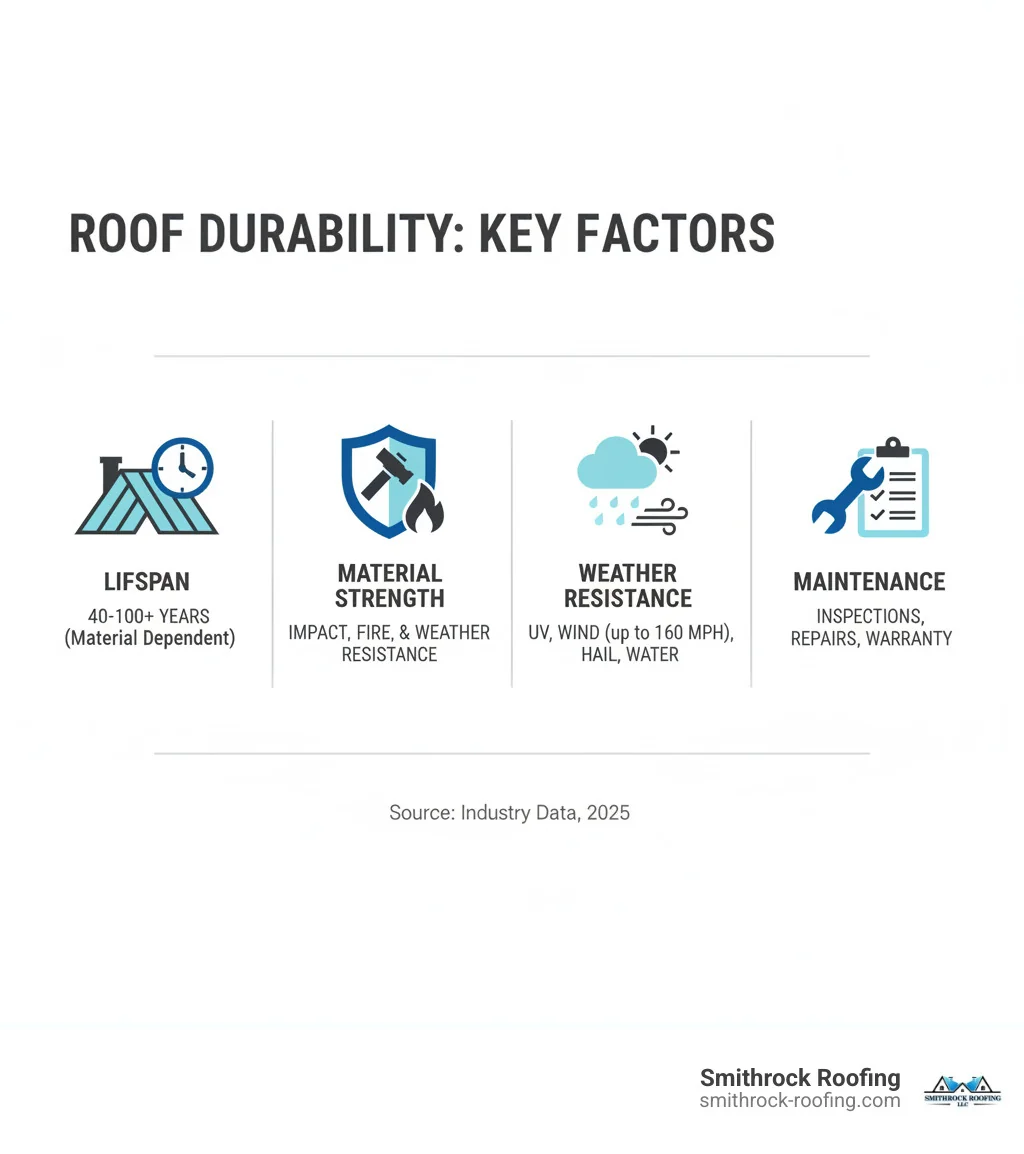
When we talk about durable roofing solutionswe are referring to a complete, integrated system engineered to withstand severe weather and environmental stress for decades. A truly durable roof is an investment in peace of mind, providing reliable, long-term protection for your home and everyone inside it. Several critical factors, from material science and manufacturing quality to the precision of the installation, determine its ultimate longevity and performance.
Material composition is the foundation of durability. Naturally robust materials like slate are inherently tough due to their geological formation. Modern engineered materials, such as architectural metal, benefit from advanced metallurgical processes and sophisticated coatings that resist corrosion, UV degradation, and weathering.
Installation quality is paramount. Even the most advanced and expensive materials will fail if installed improperly. Professional Roof Installation is non-negotiable, as it ensures that every shingle, panel, fastener, and piece of flashing works in concert to achieve the maximum possible lifespan and protective performance.
Fire and impact resistance ratings provide a standardized, clear measure of a roof’s protective capabilities.
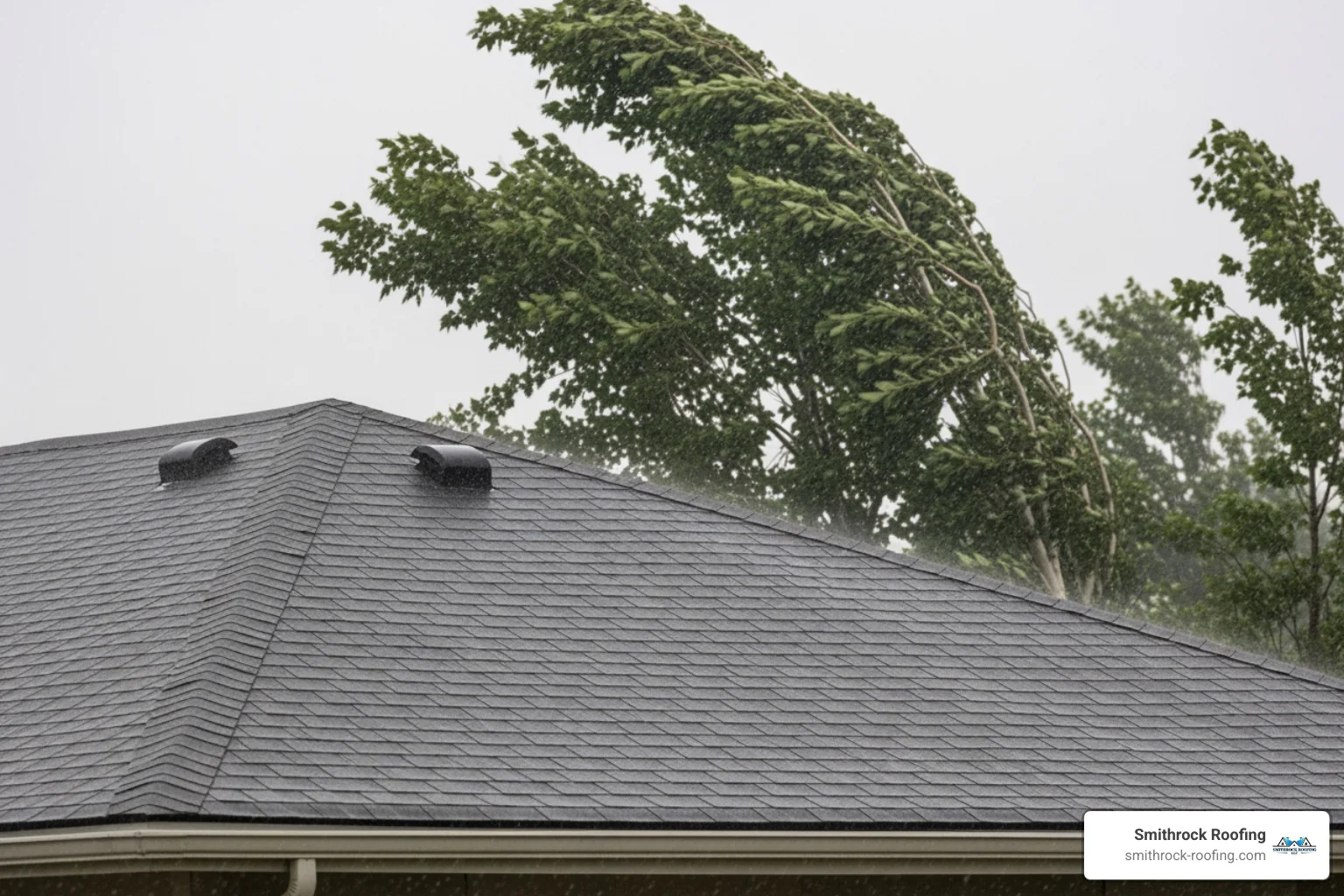
A roof’s durability is tested daily by a host of environmental stressors. Understanding how different materials handle these challenges is key to choosing the right one for your home.
When researching durable roofing solutionsit’s vital to distinguish between a material’s expected lifespan and its warranty.
Material lifespan is the expected performance period under normal conditions, based on decades of real-world data and material science:
Warranties are legal guarantees from manufacturers and installers. It’s crucial to read the fine print to understand the coverage.
Understanding what your Warranty covers, including materials, labor, transferability, and any exclusions, is key to protecting your long-term investment. A truly durable roof is the result of a long-lasting material, professional installation, and a comprehensive warranty to back it all up.
Need a hand with this in Winston-Salem, Greensboro and the NC Triad? Call (336) 971-0464 or request a free estimate. Honest answers, no pressure.
Choosing the right material is the foundational step toward securing a long-lasting, high-performance roof. This decision involves finding the perfect balance of longevity, maintenance requirements, aesthetics, and budget for your specific home and climate. Let’s explore the most resilient Roofing materials on the market today.
| Material | Lifespan | Maintenance | Pros | Cons |
|---|---|---|---|---|
| Metal | 40-80+ years | Low | Exceptional durability; High wind resistance (up to 160 mph); Class A fire resistant; Energy-efficient (highly reflective); 100% recyclable; Low upkeep; Can mimic other materials (shakes, tiles); Lightweight; Prevents ice dams. | Higher initial cost; Can be dented by very large hail or falling branches (though textured finishes can hide this); Can be noisy during heavy rain if not installed with proper decking and insulation; Requires specialized installation expertise. |
| Slate | 75-100+ years | Very Low | Unmatched longevity (often 100+ years); Timeless natural beauty and elegance; Completely fireproof and rot-proof; Impervious to water and insects; Environmentally friendly (natural, long-lasting material); Extremely low maintenance once installed. | Highest initial cost; Very heavy (often requires structural reinforcement of the roof framing); Fragile to walk on (requires specialized knowledge for any maintenance or repairs); Specialized, time-consuming installation; Limited color palette (natural stone colors); Can be broken by severe impact from very heavy objects. |
| Clay/Concrete Tiles | 50-100+ years | Low-Moderate | Excellent fire resistance (non-combustible); Rot-proof and insect-proof; Ideal for hot, sunny climates due to thermal mass; Classic aesthetics (Spanish, Mediterranean); Long-lasting (clay can exceed 100 years, concrete 30-50 years). | Heavy (may require structural reinforcement); Can be brittle and prone to cracking if walked on or impacted by heavy objects; Specialized installation is critical for weather-tightness; Higher initial cost than asphalt; May be susceptible to freeze-thaw damage in cold climates if not installed correctly. |
| Composite/Synthetic | 40-50+ years | Low | Mimics natural materials (slate, cedar shake) with high fidelity; Highest impact resistance (often Class 4); Lightweight (no structural reinforcement needed); Often made from recycled materials; Resistant to rot, mold, and insects; Consistent quality and color; Lower maintenance than natural wood or slate. | Newer technology (long-term performance still being observed for some brands); Quality can vary significantly between manufacturers; Higher cost than traditional asphalt shingles; Aesthetics may not satisfy purists who prefer natural materials; Some lower-quality products can fade over time depending on UV exposure (look for advanced UV inhibitors). |
Metal roofing is a premier choice for durable roofing solutionsoffering an impressive lifespan of 40 to 80 years or more. It combines modern engineering with exceptional performance across the board. Popular types include cost-effective and strong galvanized steel (G-90 is a preferred grade), naturally rust-resistant aluminum (ideal for coastal areas), and premium options like copper or zinc that develop a distinctive, beautiful patina over time. Styles range from sleek standing-seam panels, which offer superior weather protection with concealed fasteners, to metal shingles or tiles that are stamped to mimic the look of traditional shakes or slate.
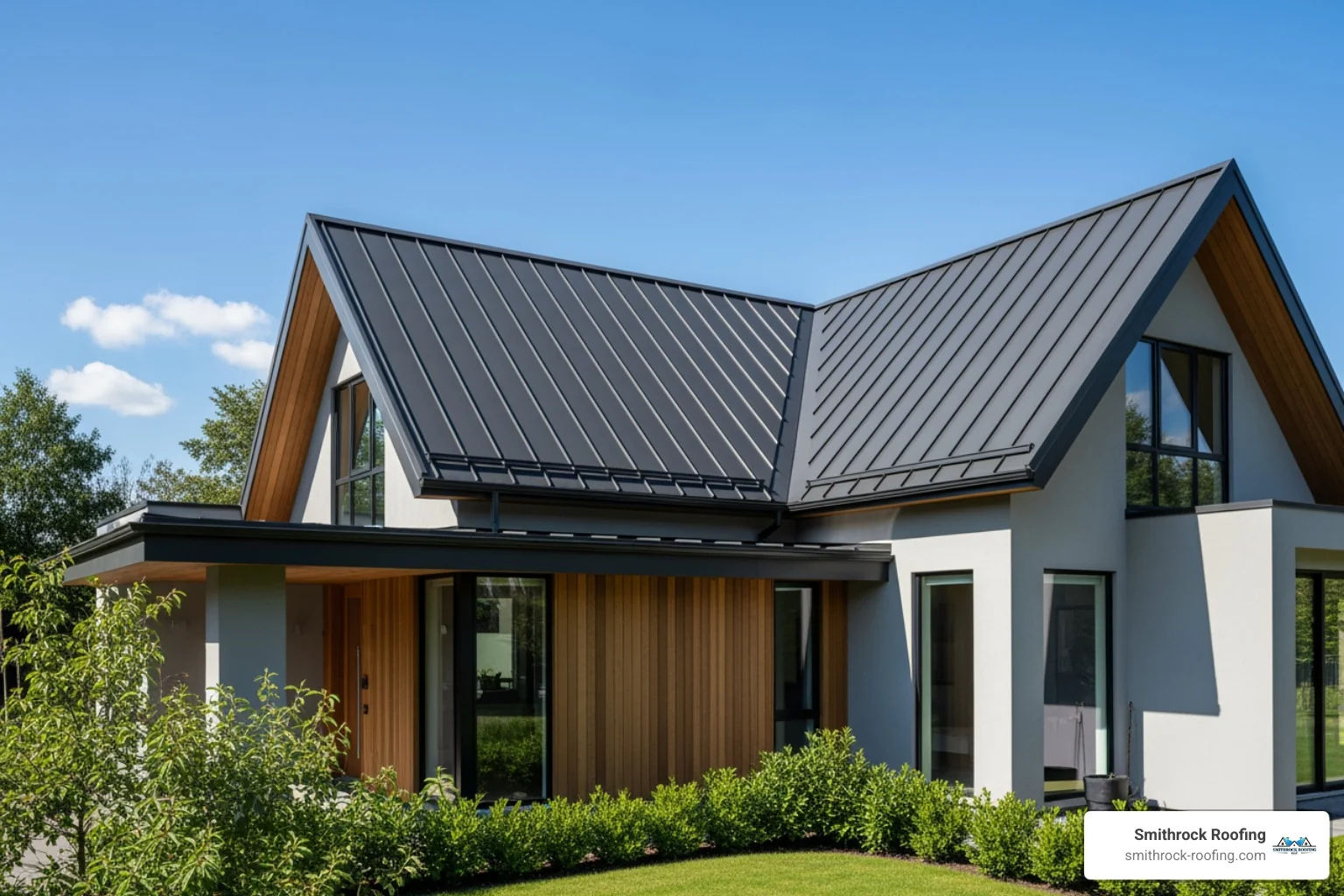
Key advantages include superior durability and wind resistance (some systems are rated up to 160 mph), a top-tier Class A fire ratingand excellent energy efficiency due to its reflective properties. Metal is also 100% recyclable at the end of its long service life and requires very little maintenance. While the initial investment is higher than asphalt, the long-term value is often superior. You can learn more about the financial details on our Metal Roof Cost page. The main considerations are the potential for denting from severe impacts (though thicker gauges and textured finishes mitigate this) and the absolute need for specialized installation.
Natural slate is the very definition of longevity, with a proven lifespan of 75 to 100+ years, and many historic slate roofs lasting well over 150 years. As a quarried metamorphic rock, it offers a timeless, sophisticated beauty and is virtually indestructible by common elements. A properly installed slate roof, using high-quality S-1 grade slate, will likely be the last roof your home ever needs. Its primary advantages are its exceptional lifespanbeing completely fireproofand its low-maintenance nature, as it is impervious to rot, insects, and water absorption.
However, slate comes with significant practical considerations. It is extremely heavyoften weighing between 800 to 1,500 pounds per square (100 sq. ft.), which frequently requires a structural engineer’s assessment and reinforcement of the roof deck and framing. The tiles are also fragile to walk onmeaning any repairs or adjacent work (like chimney sweeping) requires a specialist with experience on slate. The combination of high material cost and the need for highly skilled, time-consuming installation makes slate one of the most expensive roofing options available.
Clay and concrete tiles offer a classic, sculpted look with impressive durability. High-quality clay tiles can last 100 years or more, while concrete tiles typically serve for 30 to 50 years. The difference lies in their composition: clay tiles are made from natural clay fired in a kiln, which makes their color permanent and the tile itself highly resistant to weathering. Concrete tiles are a mix of sand, cement, and water that is extruded and colored with a surface pigment, which can fade over time. Both are non-combustibleproviding excellent fire resistance, and are impervious to rot and insects. Their thermal mass makes them ideal for hot climateshelping to keep homes cooler.
Like slate, tiles are heavy and may require structural reinforcement. They can also be brittle and prone to cracking if walked on improperly. Specialized installation is required to ensure proper weather resistance, especially in climates with freeze-thaw cycles where water absorption can be a concern for some concrete tile types.
Composite and synthetic materials represent an innovative and rapidly growing category of durable roofing solutionsoffering lifespans of 40 to 50+ years. Made from a proprietary blend of recycled rubber, plastic polymers, and other sustainable materials, they are engineered to mimic the appearance of natural slate or cedar shakes with stunning accuracy but without the associated maintenance or weight issues.
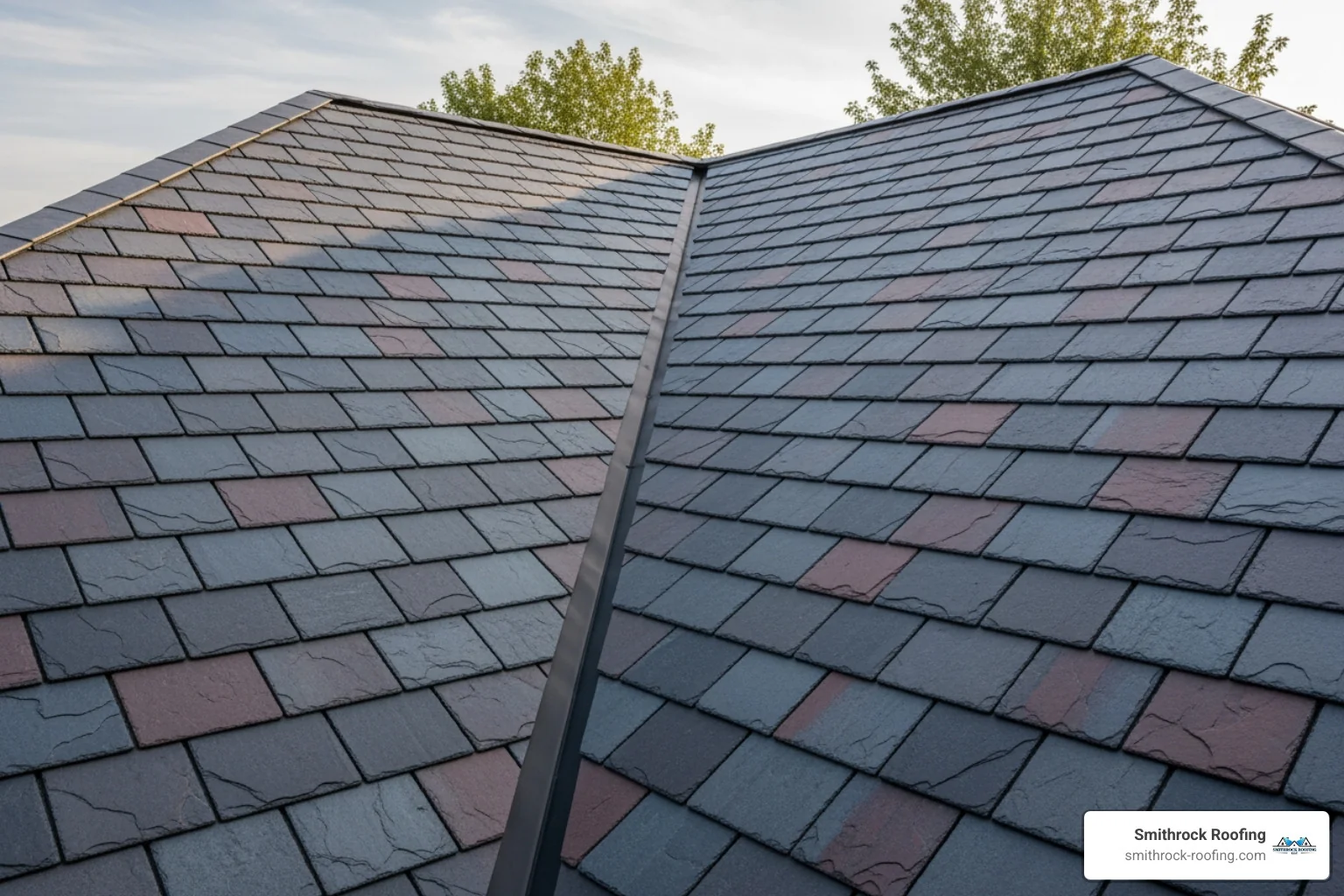
Their main advantages include high impact resistance (most leading brands carry a Class 4 rating), a lightweight design that doesn’t require structural reinforcement, and low maintenance requirements. They are highly resistant to rot, mold, insects, and cracking. While the technology is newer than traditional materials, performance data from leading manufacturers is consistently positive. Quality can vary significantly, so choosing a reputable brand with a strong warranty and proven track record is crucial. When considering a Shingle Roof Replacement NCsynthetic shingles represent a significant performance upgrade over even luxury asphalt, bridging the gap between traditional shingles and premium natural materials.
Selecting the right roof involves a careful analysis of your local climate, long-term budget, and your home’s architectural style. The best durable roofing solutions are not one-size-fits-all; the ideal choice is one that is perfectly tailored to your specific needs and will provide confidence and protection for years to come.
Your local climate is one of the most critical factors in choosing a roofing material. Here in the Piedmont Triad of North Carolina, serving Winston-Salem, King, Clemmons, Lewisville, and surrounding communities, we experience a full spectrum of weather that places unique demands on a roof.
For a detailed look at how materials perform in our local conditions, check out our guide on the Best Roofing Materials for Winston Salem Homes: Shingles, Metal, or Rubber?.
While durable roofing solutions have a higher upfront cost than standard asphalt shingles, it is crucial to consider the lifetime cost and Return on Investment (ROI). A durable roof proves its worth over decades.
When you amortize the cost over the roof’s expected lifespan and factor in annual savings from energy efficiency and reduced maintenance, the higher initial investment often results in a lower total cost of ownership and a positive ROI. Learn more by exploring the factors that go into Roof Replacement Costs.
Your roof can account for up to 40% of your home’s visible exterior, making it a dominant visual feature. The right material should complement and enhance its architectural style. A mismatched roof can detract from curb appeal, no matter how durable it is.
Consider these pairings for architectural harmony:
Before finalizing a material, it is also essential to check with your Homeowners’ Association (HOA) or any local historic district guidelines. Some communities have specific covenants that may restrict roofing materials, colors, or styles to maintain a uniform aesthetic.
The roofing industry is advancing at a rapid pace, with innovations focused on creating intelligent, resilient systems that last longer, generate less waste, and perform better. These new durable roofing solutions are fundamentally changing how we protect our homes and interact with our environment.
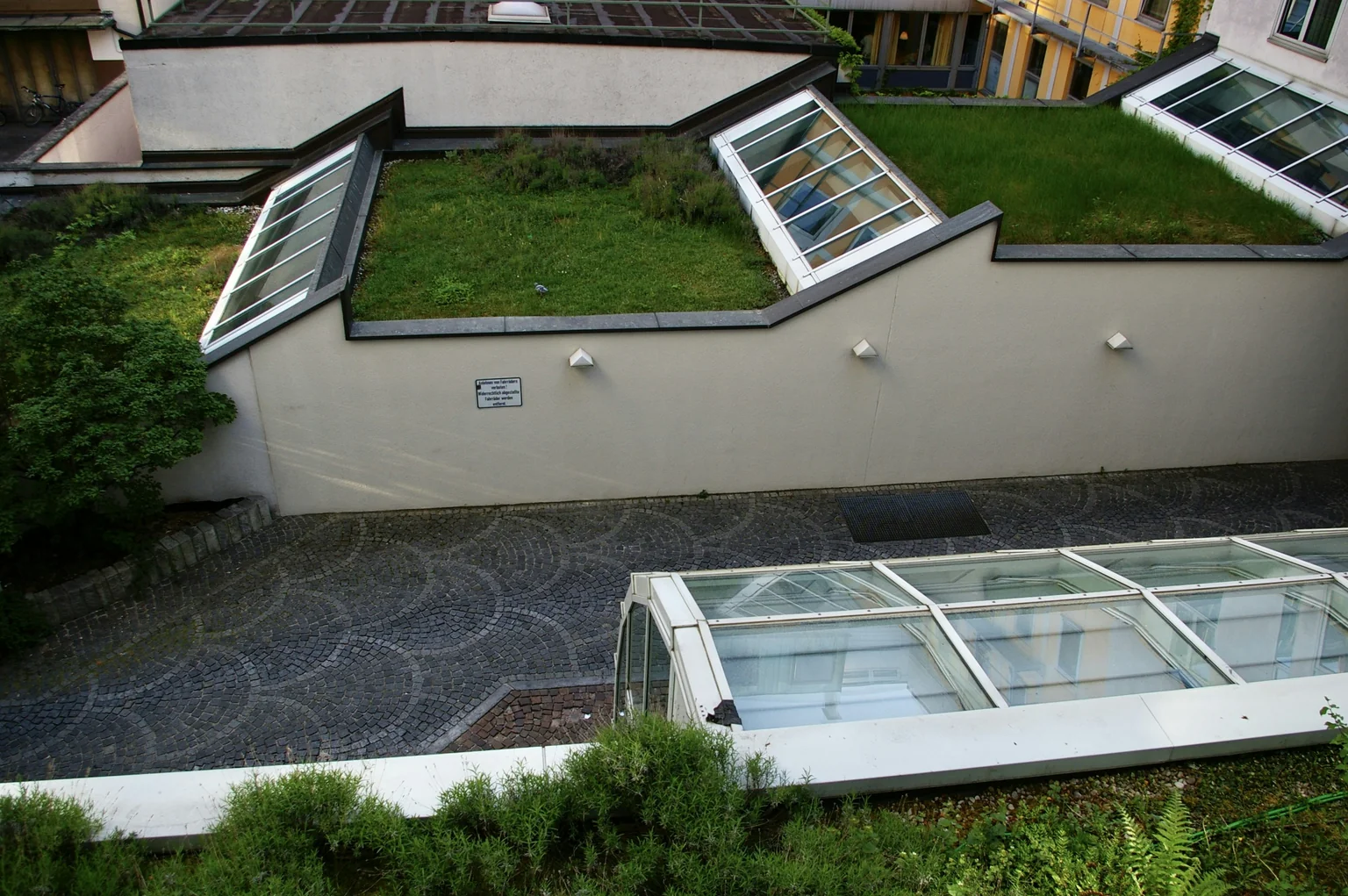
Modern sustainability in roofing considers the entire lifecycle of a material, from sourcing and manufacturing to its end-of-life disposal. Today’s eco-friendly options offer excellent performance without compromise.
Modern roofs play a critical role in a home’s overall energy efficiency. Cool roof technology is specifically designed to reflect more sunlight (solar reflectance) and radiate absorbed heat away more effectively (thermal emittance). This can be achieved with factory-applied reflective coatings on metal panels or specially designed granules on shingles, which are available in a wide range of colors, not just white. By keeping the roof surface and attic space cooler, these materials can reduce the strain on your air conditioner and lower utility costs by up to 30% in hot, sunny climates.
To estimate your potential savings, you can use tools like the Cool Roof Calculator from Oak Ridge National Laboratory, which uses your location, utility rates, and roof characteristics to provide a tangible estimate. However, for a cool roof to be fully effective, it must be paired with proper attic insulation and balanced ventilation. Together, these components create a complete passive cooling system that optimizes your home’s thermal performance year-round.
The future of roofing is stronger, more intelligent, and more resilient. These systems are designed to actively protect your home and, in some cases, monitor their own condition.
Slate is widely considered the most durable roofing material, with a potential lifespan exceeding 100 years. As a natural stone, it is inherently fireproof, waterproof, and resistant to rot and insects, making it a true “lifetime” roof. Its longevity and timeless aesthetic are unmatched, though it does come with important considerations regarding its heavy weight and the need for specialized installation.
Durable materials like metal, slate, and tile generally require significantly less frequent maintenance than standard asphalt shingles. While asphalt shingles may need regular checks for granule loss, curling, or cracking, durable roofs typically only need periodic inspections for things like sealant integrity around penetrations, debris removal from valleys, or addressing a specific issue like a single cracked tile. Metal roofs require very little upkeep, and slate is exceptionally low-maintenance once properly installed. This reduction in ongoing maintenance is a key component of their long-term value.
Yes, for most homeowners, the long-term value is substantial. While the initial Roof Replacement Cost is higher, you save money over the life of the roof by avoiding multiple costly replacements, reducing repair and maintenance expenses, and lowering monthly energy bills. A durable roof also increases your home’s resale value, making it a sound financial investment. When you consider that a durable roof can last two, three, or even five times longer than a standard asphalt roof, the total cost of ownership is often much lower.
This is a common myth based on the sound of rain on an open-frame barn or shed. On a modern residential home, a metal roof is no louder than any other roofing material. It is installed over a solid roof deck (plywood or OSB), which absorbs much of the sound. Combined with a layer of underlayment and your attic insulation, the sound of rainfall is effectively muffled, resulting in a noise level comparable to that of an asphalt shingle roof.
While it is sometimes physically possible to install certain lightweight materials over a single layer of existing shingles (a process called a “roof-over”), it is strongly discouraged for durable roofing systems. A complete tear-off of the old roof is the best practice for several critical reasons: it allows the contractor to inspect the underlying roof deck for rot or damage, ensures a flat and stable surface for the new installation, and is often required to validate the manufacturer’s warranty. A tear-off also prevents trapping moisture and avoids adding excessive weight to your home’s structure.
Your roof is your home’s first and most important line of defense against the elements. As we’ve explored, choosing from the many durable roofing solutions available is not merely a maintenance task, it is a foundational investment in your home’s safety, long-term value, and energy efficiency for decades to come. We’ve delved into what makes a roof truly durable, from premium materials like slate and metal with lifespans of up to 100+ years, to the critical importance of resistance to wind, hail, and UV exposure.
Investing in a durable roof means fewer replacements, lower maintenance burdens, and significant energy savings, all while boosting your home’s curb appeal and resale value. More importantly, it provides the invaluable peace of mind that comes from knowing your family and property are protected by a system engineered to last.
Before making a final decision, we strongly recommend a professional Roof Inspection. An expert assessment of your current roof’s condition and your home’s structure is the essential first step to making an informed choice that is perfectly customized to your home’s specific needs.
Here in the Winston-Salem area, serving communities throughout the Piedmont Triad including King, Clemmons, Lewisville, Kernersville, and Greensboro, we understand the unique challenges posed by our local weather. At Smithrock Roofing, we specialize in helping homeowners invest wisely in roofing solutions that stand the test of time. Whether you’re interested in the modern strength of metal, the innovative resilience of composites, or a premium Shingle Roof Replacement NCour team is here to provide expert guidance.
Ready to explore the right durable roofing option for your home? Visit our homepage at https://smithrock-roofing.com/ or explore our comprehensive roofing services to learn more. Let’s work together to give your home the lasting protection it deserves.
Need a local pro? Learn more about our roofing services in Clemmons.
Choosing a durable roof is important because it protects against unpredictable weather, contributes to energy efficiency, and enhances the home's safety, resale value, and long-term investment.
The most durable roofing materials include slate (75-100+ years), metal (40-80 years), clay/concrete tiles (50-100+ years), and composite/synthetic materials (40-50+ years).
A truly durable roofing system is defined by its fire resistance (Class A rating), impact resistance (Class 4 rating), weather resistance, and system integrity, including proper installation.
After installing a high-performance, durable roofing system, homeowners can see their utility costs drop by as much as 30%.

Smithrock Roofing © Copyright 2026 • All Rights Reserved • Privacy Policy • Maintained by Mongoose Digital Marketing