Why Understanding Vinyl Siding Options Matters for Your Home
Vinyl siding options offer a practical way to protect your home, boost curb appeal, and improve energy efficiency. Your home’s exterior is its primary defense against weather and pests, so choosing the right siding means balancing aesthetics with performance.
Here are the main types of vinyl siding to consider:
- Horizontal Siding – Traditional lap, Dutch lap, and beaded styles for a classic look.
- Vertical Siding – Board and batten for modern or rustic designs.
- Shakes and Shingles – Cedar-textured profiles for decorative charm.
- Insulated Vinyl Siding – Foam-backed panels for superior energy efficiency.
Vinyl siding is a top choice for North American homeowners because it’s durable, low-maintenance, and resistant to moisture and pests. It never needs painting or staining, making it a cost-effective solution over the long term.
The variety available today is remarkable, with options that mimic natural wood, offer smooth contemporary finishes, or provide a traditional clapboard look. Colors range from classic whites to bold, fade-resistant dark hues. For those focused on energy savings, insulated vinyl siding adds a foam-core backing to regulate indoor temperatures, reduce noise, and help prevent mold growth.
This guide will help you confidently compare vinyl siding options by exploring how different styles, textures, and features align with your home’s architecture, climate, and budget.
Why Choose Vinyl Siding for Your Home?
Vinyl siding is a popular choice for North Carolina homeowners because its practical benefits and aesthetic flexibility make it a smart, long-term investment. When you look beyond the surface, the engineering and material science behind modern vinyl reveal why it consistently outperforms other options.
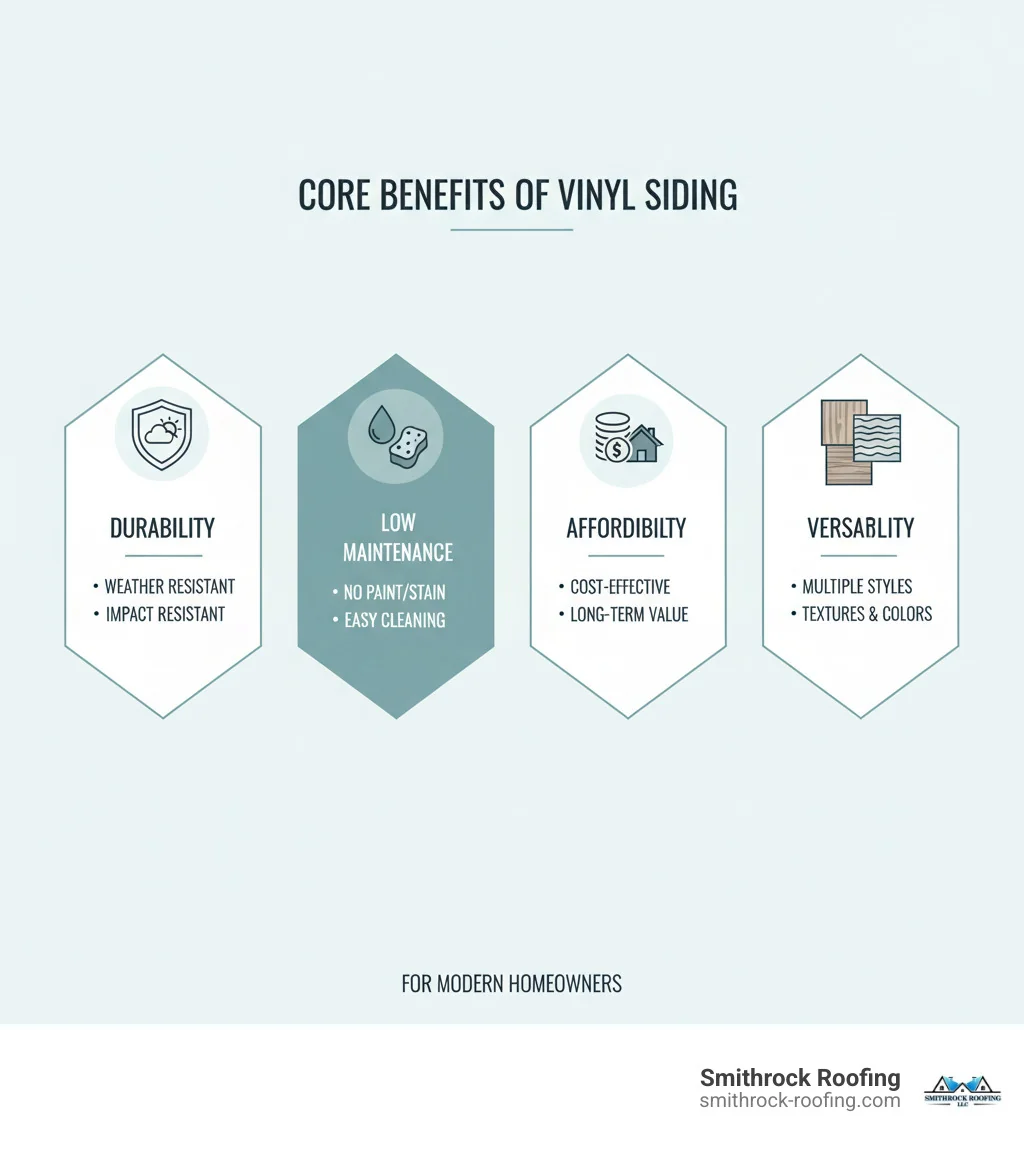
- Durability and Weather Resistance: Modern vinyl siding is engineered to be exceptionally tough. It is designed to withstand the unpredictable North Carolina weather, from intense summer humidity and UV exposure to freezing rain and ice storms. High-quality panels have certified wind-load ratings, often up to 150 mph or more, ensuring they remain secure during severe weather. Unlike wood, which can rot, or metal, which can dent and rust, premium vinyl resists cracking, impacts, and warping. Its formulation includes stabilizers that prevent degradation from UV rays, ensuring the material remains flexible and strong for decades.
- Pest and Moisture Immunity: Wood siding is vulnerable to termites, carpenter ants, and other wood-boring insects that can compromise your home’s structural integrity. Vinyl siding is completely immune to these pests. Furthermore, its non-porous surface sheds water naturally, acting as a primary rainscreen. This prevents moisture from seeping into your home’s wall cavity, offering superior protection against the mold, mildew, and rot that can thrive in humid climates. This is a significant advantage over fiber cement, which can absorb moisture if its paint finish is compromised.
- Low Maintenance: One of the most celebrated benefits of vinyl siding is the freedom it provides from constant upkeep. Forget about the costly and time-consuming cycle of scraping, sanding, and repainting your home’s exterior every few years. Vinyl siding’s color is solid through the material, so scratches and minor dings don’t show. It requires only an occasional wash with a garden hose and a soft-bristled brush to remove dirt and pollen, keeping it looking fresh and vibrant. This minimal effort saves you significant time and money over the life of the product.
- Cost-Effectiveness: Vinyl siding offers exceptional value from multiple angles. The material itself is generally more affordable than brick, wood, or fiber cement. Installation is also faster and less labor-intensive, which reduces upfront costs. The true financial benefit, however, is realized over the long term. By eliminating the need for painting (which can cost thousands of dollars every 5-10 years) and minimizing repairs, vinyl siding provides an excellent return on investment and a predictable, low cost of ownership.
- Design Versatility: Today’s vinyl siding options have shattered the old myth of a one-size-fits-all “plastic” look. The range of styles, textures, and colors is vast. You can achieve the authentic look of natural cedar shakes, the sleek, clean lines of contemporary panels, or the timeless elegance of classic clapboard—all without the associated maintenance. The color palette is extensive, featuring rich earth tones, bold blues, and sophisticated grays. These colors are formulated with advanced, fade-resistant technology to ensure lasting beauty, even on the sunniest elevations of your home.
For more perspectives on how vinyl compares to other materials, The Ultimate Exterior Siding Buyer’s Guide is a helpful resource.
In short, vinyl siding offers a powerful combination of lasting protection, beautiful aesthetics, and freedom from the burdens of constant maintenance, making it a practical and financially sound choice for any homeowner.
A Guide to the Most Popular Vinyl Siding Styles
Today’s vinyl siding options go far beyond a single, uniform look, offering a diverse catalog of profiles that can completely transform your home’s character. From timeless horizontal panels that evoke classic American architecture to eye-catching vertical designs and richly textured shakes, the right style can highlight your home’s best features and boost its curb appeal. Let’s explore the most popular choices for North Carolina homes.
Horizontal Siding: The Classic Choice
Horizontal siding, often called lap siding, is the most common style in North America. It offers clean, recognizable lines that provide effective water shedding and a timeless aesthetic. Its versatility makes it a suitable choice for nearly any architectural style, from colonial to contemporary.
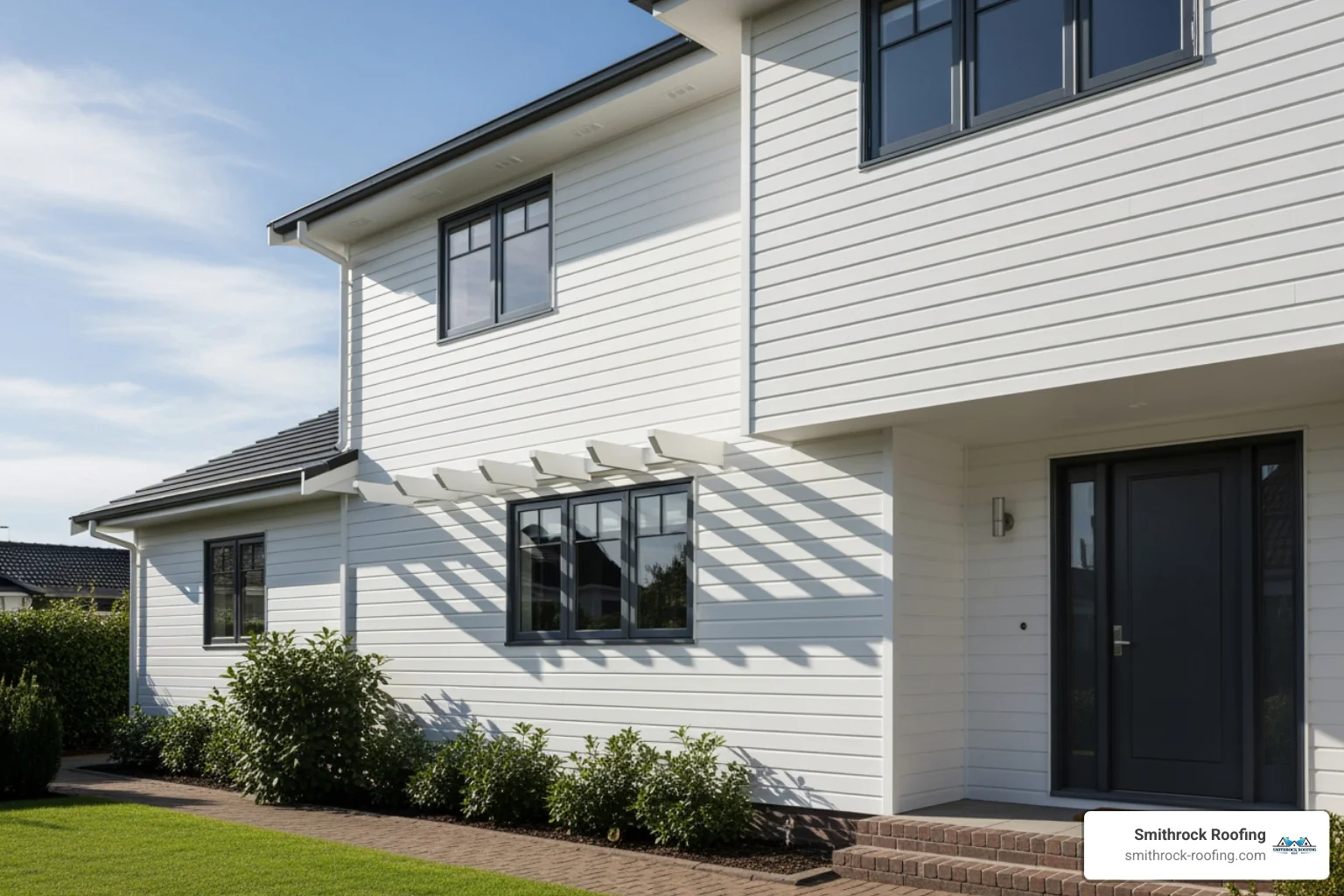
- Traditional Lap Siding: Also known as clapboard, this style features straight, overlapping panels for a familiar, clean appearance. Its simplicity is its strength, complementing any home, from historic to modern, without overwhelming other architectural details.
- Dutch Lap Siding: This highly popular profile adds a decorative groove, or cove, at the top of each panel. This subtle curve creates distinct shadow lines that add depth, texture, and architectural interest. Its hint of colonial charm makes it a favorite for traditional homes, but its clean lines also work well on transitional designs.
- Beaded Siding: Incorporating a rounded bead at the bottom edge of each panel, this style creates a unique shadow line and a refined, classic look. It is reminiscent of handcrafted wood siding from the 1800s and is perfect for homeowners seeking a polished, detailed appearance, especially on homes with Southern or coastal influences.
Vertical Siding: Modern and Distinctive
Vertical siding offers a fresh, contemporary feel that breaks from the traditional horizontal standard. Its vertical lines draw the eye upward, making a home appear taller and more stately. It’s a bold choice for homeowners looking to make a statement or add a modern twist to a classic form.
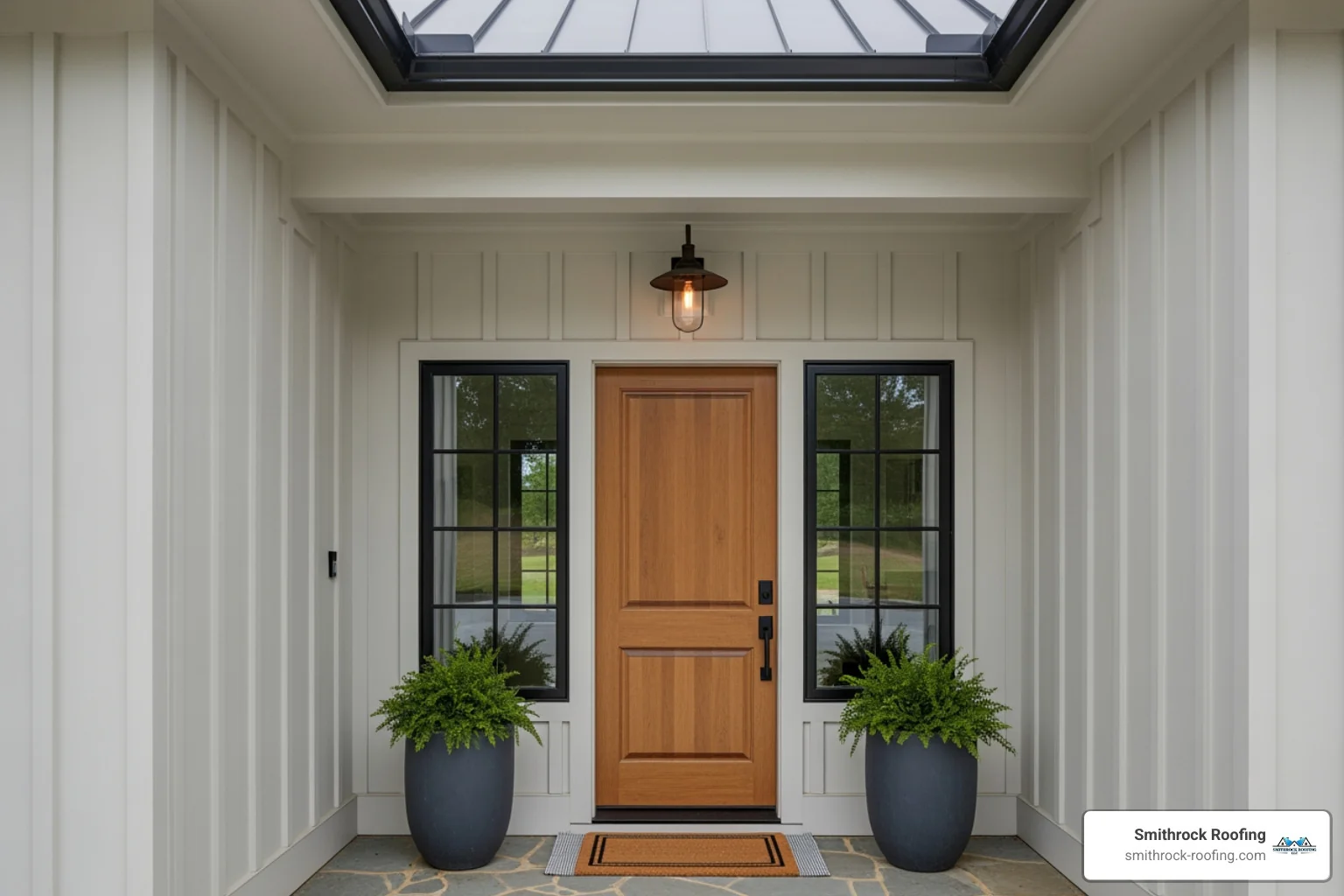
The most popular style is board and batten, which uses wide vinyl boards separated by narrower strips called battens. This creates striking vertical lines and a rustic-yet-refined allure that has become synonymous with the modern farmhouse design trend. It works beautifully for whole-house applications or as a powerful accent on gables, entryways, and porch walls. Using it in key areas can add character and visual height in communities like Kernersville and Pfafftown. To see how we can transform your home, learn more about our Siding services.
Shakes and Shingles: Rustic Charm and Textured Detail
For homeowners who love the textured, dimensional look of wood without the endless maintenance, vinyl shakes and shingles are the perfect solution. These premium vinyl siding options expertly mimic the appearance of natural cedar, providing rustic charm with the unmatched durability and weather resistance of vinyl.
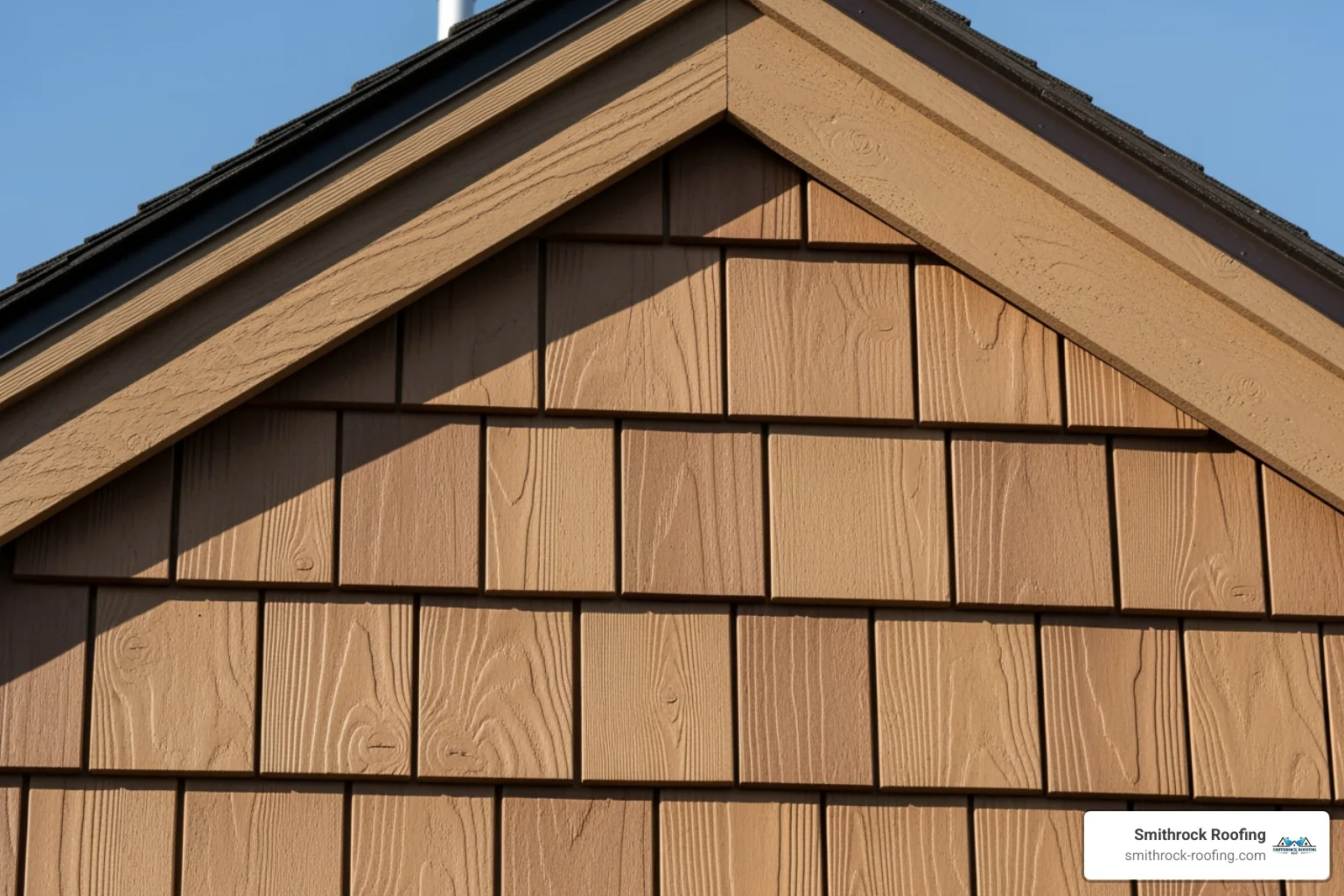
- Traditional Shake: This profile offers a uniform, clean-lined look that replicates neatly cut wood shakes. It provides a classic, natural aesthetic that is less rustic than hand-split styles but more textured than lap siding.
- Hand-Split Shake: Featuring irregular edges and varied textures with deep, dramatic grain patterns, this style creates a rugged, authentic appearance. The deep shadow lines and unique character make it ideal for Craftsman, rustic, and mountain-style homes.
- Half-Round (Scalloped) Siding: This decorative style uses curved, overlapping panels to add ornamental flair. It’s perfect for accenting gables and dormers on Victorian, Queen Anne, or whimsical cottage-style homes, adding a touch of historic charm.
These styles can be used for the entire house for a powerful statement or, more commonly, as decorative accents to highlight architectural features like gables and dormers, offering the warmth of wood without the demanding upkeep.
Exploring Your Vinyl Siding Options for Texture and Finish
Beyond the overall style or profile, the texture and finish of your siding play a crucial role in defining your home’s character. This seemingly small detail can transform a simple exterior into something truly special, conveying a sense of authenticity, modernity, or classic elegance.
Wood Grain vs. Smooth Finishes
The texture you choose makes a remarkable difference in your home’s final look and feel. Manufacturers have perfected techniques to offer distinct surface options that cater to different architectural styles and personal tastes.
- Wood Grain Texture: A perennially popular choice in areas like Winston-Salem, these vinyl siding options are designed to replicate the natural patterns and imperfections of real wood. This texture is created during manufacturing using rollers that emboss a realistic grain onto the panel surface. This provides the warmth and authenticity of wood without the associated maintenance. A significant practical benefit is that the textured surface is more forgiving, helping to hide minor scratches, dust, and imperfections. It’s the ideal choice for traditional, rustic, or craftsman homes where a natural aesthetic is desired.
- Smooth Finish: For homes in High Point or Trinity with contemporary or minimalist architecture, a smooth finish offers sleek, uninterrupted lines that emphasize modern simplicity. This finish creates a crisp, refined, painted-wood appearance that suits modern farmhouse and minimalist designs perfectly. While smooth surfaces may show scratches or imperfections more readily than a textured finish, their clean and sophisticated aesthetic is a worthy trade-off for many homeowners aiming for a sharp, polished look.
The Rise of Insulated Vinyl Siding
Perhaps the most significant innovation in the industry, insulated vinyl siding dramatically improves performance by bonding a rigid layer of foam-core backing directly to the vinyl panel. This composite panel offers several key advantages that make it a smart investment:
- Superior Energy Efficiency: The contoured foam backing creates a continuous thermal blanket over your walls, significantly reducing heat transfer through the wall studs (a phenomenon known as thermal bridging). This helps keep your home cooler in the summer and warmer in the winter, leading to more stable indoor temperatures and potentially lowering your monthly utility bills. The added insulation typically provides an R-value of R-2 to R-5, a substantial boost to your home’s overall thermal performance.
- Enhanced Noise Reduction: The foam acts as an effective sound dampener, creating a quieter and more peaceful indoor environment by reducing noise from traffic, lawnmowers, and neighbors.
- Exceptional Impact Resistance: The rigid foam support makes the panel five times more impact-resistant than hollow vinyl siding. It helps the siding absorb impacts from hail, stray baseballs, or other debris without denting, cracking, or breaking. This rigidity also keeps panels flat and straight against the wall, preventing the waving or sagging that can sometimes occur with standard siding.
- Moisture Management: High-quality insulated siding is engineered with ridges on the back to promote drainage and is often more permeable than standard siding, allowing your walls to breathe and dry out. This is crucial for preventing mold and mildew growth, especially in North Carolina’s humid climate.
This smart investment addresses energy efficiency, comfort, and long-term durability all at once. Learn how quality siding and roofing work together on our Vinyl Siding and Roofing page.
Key Factors in Choosing the Right Vinyl Siding
Selecting the perfect vinyl siding options is a rewarding process that involves balancing aesthetics, performance, budget, and your home’s specific needs. To make a confident and lasting choice, consider these critical factors.
Matching Siding to Your Home’s Architecture
The right siding should feel like a natural extension of your home’s architectural story, enhancing its best features rather than competing with them.
- Traditional Homes (Colonials, Cape Cods): The timeless appeal of horizontal siding, such as classic Dutch lap or elegant beaded profiles, respects the historical lines and proportions of these designs.
- Ranch Homes: The long, low profile of a ranch home works well with traditional horizontal siding. Using vertical board and batten on a projecting entryway or garage can add height and visual interest.
- Contemporary and Modern Homes: Smooth finishes and vertical siding like board and batten provide a minimalist aesthetic with clean lines, sharp angles, and striking shadow play that defines modern design.
- Rustic or Craftsman Homes: The rich, natural texture of vinyl shakes and shingles, especially hand-split or staggered varieties, delivers an authentic, handcrafted character that is central to the Craftsman ethos.
You can also boost curb appeal by mixing styles and textures. As architect Amy A. Alper notes, “there’s an interest now in using a variety of materials to highlight special features on a home.” Using shakes on gables, stone veneer on the foundation, and board and batten on an entryway adds visual interest and a custom look to homes in areas like Wallburg or Advance.
Popular Color Trends and How to Choose
Color has the power to completely transform your home’s presence. While trends are a good starting point, the best color is one you’ll love for years to come.
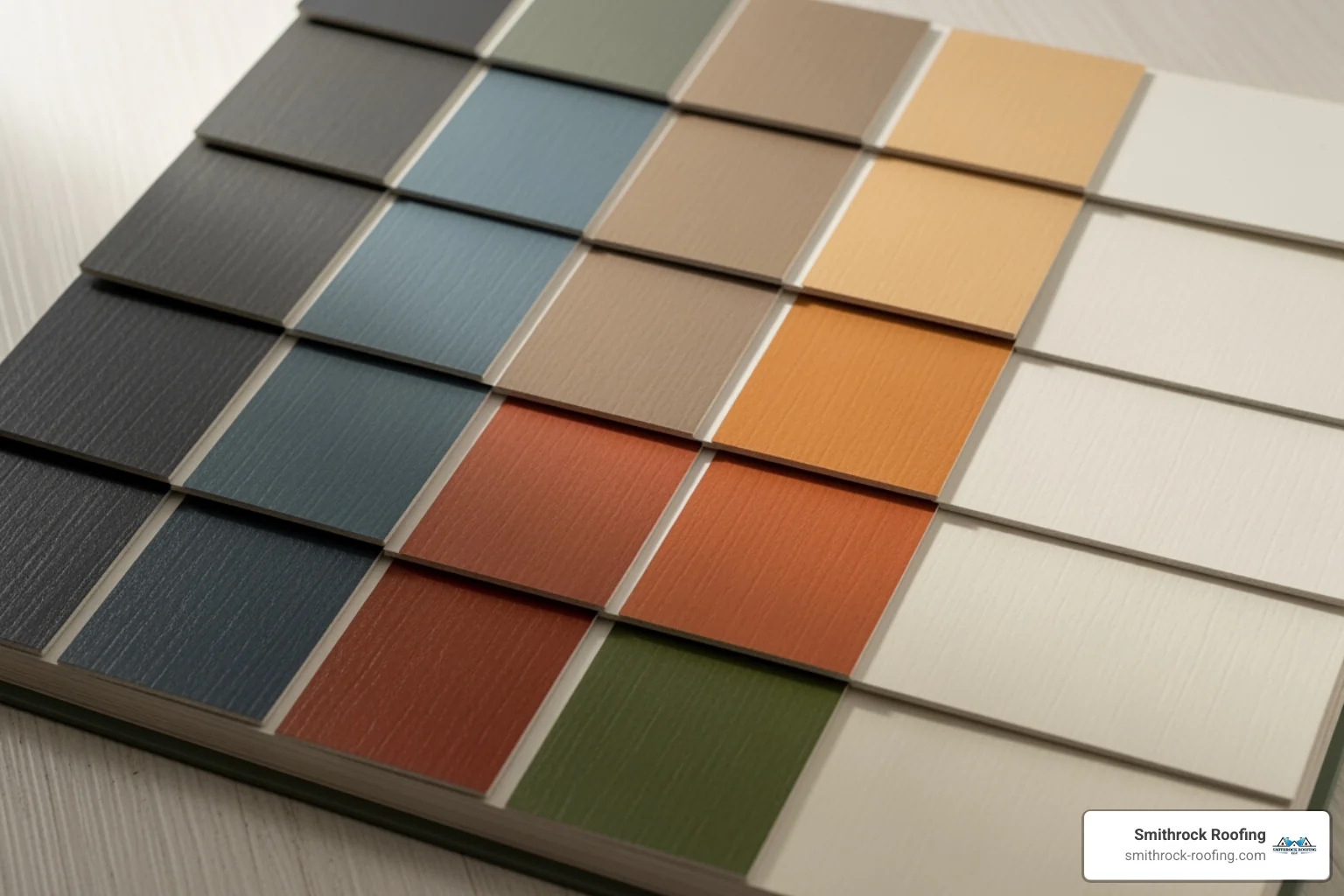
- Dark and Moody Colors: Rich charcoals, deep navy blues, and dark greens offer a modern, grounded, and sophisticated presence. Modern fade-resistant technology and advanced chemical formulations ensure these bold choices maintain their vibrancy without absorbing excessive heat.
- Warm Earth Tones: Timeless beiges, tans, clays, and browns create a harmonious, welcoming look that blends beautifully with the natural landscape.
- Classic Whites and Pastels: These remain ever-popular for a fresh, clean, and bright look, especially on traditional, farmhouse, or coastal-inspired homes.
When choosing, consider the Light Reflectance Value (LRV) of a color, which indicates how much light it reflects. Darker colors have a low LRV and absorb more heat. Many manufacturers have developed special cooling technologies to allow for darker colors, but always check the warranty, as some may have limitations. Color consultant Debra Kling advises, “once you define that feeling [you want your house to have], then I think it becomes very helpful when picking the colors.” Also, ensure your siding color harmonizes with your roof and trim for a cohesive, intentional look.
Visualizing Your Vinyl Siding Options
It’s nearly impossible to accurately imagine how a small color chip will look across your entire house. That’s where online design tools and home visualizers are invaluable. These platforms let you upload a photo of your home and experiment with different styles, textures, and colors in real time. You can try out traditional horizontal, vertical, and insulated siding, as well as shakes and shingles, to see what works best. It’s like trying on clothes for your house, completely risk-free.
Ready to see the change? Try our online home exterior design tool: HOME DESIGNER 2.0 and start experimenting with vinyl siding options today.
Your siding must perform well in the Piedmont Triad’s specific climate.
- Siding Thickness and Quality: Vinyl siding thickness, or gauge, typically ranges from .040″ (builder’s grade) to over .050″ (premium). Thicker panels are more rigid, lie flatter against the wall, and offer superior resistance to impacts from hail or debris. While they cost more, the investment in a premium thickness often pays off in longevity and durability.
- Climate Impact and Durability: Choose vinyl siding options engineered for high performance with strong UV resistance to prevent fading and brittleness from the intense North Carolina sun. Insulated vinyl siding is an excellent choice for improving energy efficiency and comfort year-round.
- Wind Ratings: Look for siding with high wind speed ratings. A reinforced nail hem and secure locking design will help panels remain rigid and flat during severe weather, offering extra protection and peace of mind.
- Maintenance: All vinyl siding is low maintenance. Smooth finishes may show scratches more easily, while deeply textured surfaces might need more attention during cleaning to remove trapped pollen or dirt. However, all quality vinyl is immune to water damage and never needs painting.
Working with experienced professionals ensures a beautiful and lasting result. As one of the Best Siding Contractors in the area, we guide you through every decision to protect your investment.
Understanding Siding Components and Accessories
A professional siding installation is more than just the panels. It’s a complete system of components and accessories that work together to create a weather-tight, beautiful finish.
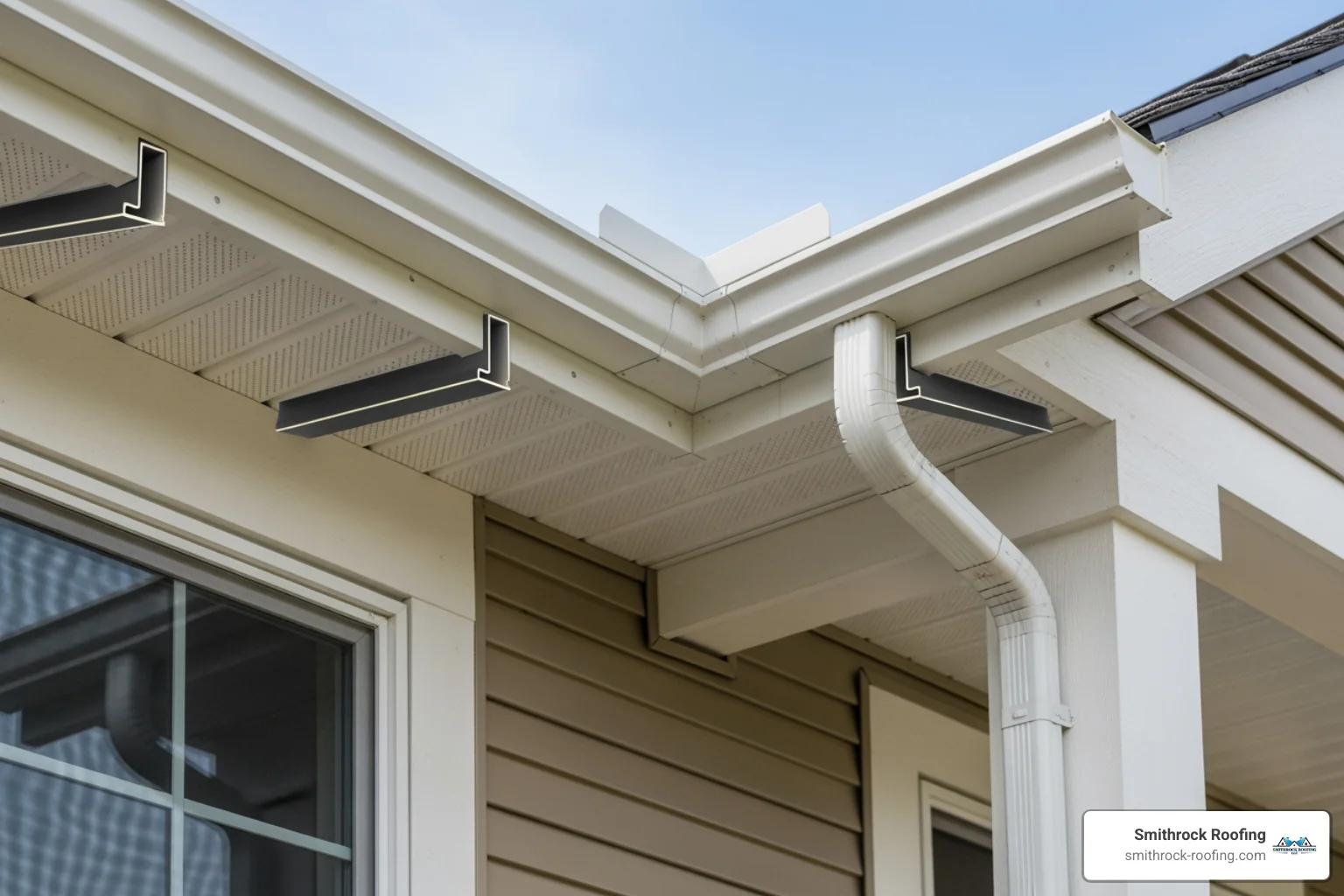
Key components include:
- Soffit: This covers the underside of your roof’s eaves. Vented soffit is crucial for attic ventilation, preventing heat and moisture buildup, which protects your roof and helps control energy costs.
- Fascia: This is the board running along the roofline behind the gutters. Vinyl fascia covers and protects this board from weather, providing a clean, finished look.
- J-Channel: This trim piece creates a neat border around windows and doors. It also allows siding panels to expand and contract with temperature changes, preventing warping.
- Corner Posts: These seal the siding at interior and exterior corners, keeping weather out while creating clean, attractive lines.
- Other Accessories: A starter strip ensures the first row of siding is level. Other trim pieces and mounting blocks for fixtures like lights and outlets complete the system, managing water and ensuring a professional finish.
Each of these components is designed to work together, protecting your home while creating the beautiful, finished look you want. Paying attention to these details is what separates a quality installation in Winston-Salem or King from one that fails prematurely.
Frequently Asked Questions about Vinyl Siding
Homeowners in areas like Mount Airy and Pinnacle often have similar questions when exploring vinyl siding options. Here are detailed answers to the most common ones.
Can you install new vinyl siding over old siding?
Yes, in many cases, new vinyl siding can be installed over existing siding, which can save on the cost and time of a full tear-off. However, this is only recommended if the current siding is a single layer, is perfectly flat, and is structurally sound with no signs of rot or moisture damage. A professional inspection is crucial to identify any underlying issues like warping, water intrusion, or soft spots that must be addressed first. Installing over a compromised wall is like putting a bandage on a broken bone. If the old siding is in poor condition, removal is the only way to ensure a proper, secure, and long-lasting installation.
How long does vinyl siding last?
High-quality vinyl siding, when installed correctly by professionals, is built to last for decades. Many manufacturers offer robust warranties ranging from 50 years to a Lifetime Limited Warranty on their premium vinyl siding options. These warranties often cover issues like peeling, flaking, blistering, and excessive fading, reflecting the product’s exceptional durability against North Carolina’s weather. With proper installation and minimal maintenance, you can realistically expect your siding to protect and beautify your home for 30 to 50 years or even more.
Does vinyl siding increase a home’s value?
Absolutely. New siding is consistently ranked as one of the most effective exterior renovations for boosting curb appeal and providing a strong return on investment (ROI). According to Remodeling Magazine’s Cost vs. Value report, siding replacement projects often recoup a high percentage of their cost at resale. New siding makes a home more attractive to potential buyers and signals that it has been well-maintained. Furthermore, modern vinyl siding options, especially energy-efficient insulated varieties, are a major selling point. By enhancing protection, aesthetics, and efficiency, new siding adds significant and measurable value to your home.
Can vinyl siding be painted?
While one of the primary benefits of vinyl siding is that it never needs painting, it can be painted. This is sometimes done to update a home’s color without replacing the siding. However, it requires careful preparation, including thorough cleaning and the use of a special vinyl-safe paint with a urethane acrylic resin that can flex with the siding’s expansion and contraction. It’s critical to choose a color with a similar or lighter Light Reflectance Value (LRV) than the original, as a darker color can cause the vinyl to absorb too much heat, leading to warping. While painting is an option, it turns a low-maintenance product into a high-maintenance one, as the paint will eventually need to be redone.
How does vinyl siding compare to fiber cement siding?
Both are excellent, durable options, but they have key differences.
- Cost: Vinyl siding is generally less expensive for both materials and installation. Fiber cement is heavier, requires more specialized tools and labor to install, and is a more premium-priced product.
- Maintenance: Vinyl is the clear winner here. It requires only occasional washing. Fiber cement must be repainted every 10-15 years to maintain its appearance and protective qualities, which is a significant long-term expense.
- Durability: Both are very durable. Vinyl is more resistant to cracking from impacts, while fiber cement is non-combustible and resistant to rot and pests (though its paint finish is a weak point).
- Aesthetics: Fiber cement can offer a more convincing wood-like appearance due to its thickness and texture. However, premium vinyl siding has made huge strides and offers highly realistic wood grain textures and profiles that rival fiber cement’s look without the maintenance.
Conclusion: Making Your Final Decision
You now have the knowledge to confidently compare vinyl siding options for your North Carolina home. We’ve explored the benefits of durability and low maintenance, as well as the wide range of styles, from classic horizontal lap and modern vertical board and batten to rustic vinyl shakes. You’ve also learned about textures, finishes, and the significant advantages of insulated siding.
The beauty of vinyl siding is that you get both form and function. However, selecting quality materials is only half the equation. The other half is expert installation. Even the best vinyl siding options will fail if not installed correctly, which is why professional expertise is invaluable.
At Smithrock Roofing, we have years of experience serving homeowners throughout the Winston-Salem and King areas. We understand how to install siding that stands up to North Carolina’s climate, protecting your investment and bringing your vision to life. Your home deserves an exterior that offers lasting protection and makes you proud.
Ready to take the next step? Whether you’re considering Dutch lap, vertical siding, or vinyl shakes, we’re here to help transform your home. Learn more about our siding services and let’s discuss what’s possible for your home.