Is $2400 a Fair Price for Your Chimney Liner and Rain Cap?
Why Understanding Your Chimney System Matters for Your Home
A cozy fire is a wonderful home comfort, but the chimney system working behind the scenes is complex and requires regular maintenance for safety and efficiency. Two of the most critical components are the chimney liner and the rain cap. The average cost of rain cap and chimney liner install can vary significantly, as it depends on many factors unique to your home.
When you receive a quote for installation, you might wonder what goes into the final number. A fair estimate is a reflection of the materials, labor, and expertise required for your specific home. Key factors that influence the project’s scope include:
- Material choice (e.g., stainless steel, copper, cast-in-place)
- Chimney height and roof accessibility
- Single-flue vs. multi-flue configuration
- Existing damage requiring repairs
- Local labor rates
With an estimated 25,000 chimney fires occurring every year, proper liner and cap installation is essential for protecting your family. These components work together to prevent dangerous heat and toxic gases from reaching surrounding materials while keeping rain, animals, and debris out of your chimney system.
This guide breaks down all the factors that contribute to a chimney liner and rain cap installation. You’ll understand the value behind a professional quote and be able to make an informed decision for your home’s safety.

Know your average cost of rain cap and chimney liner install terms:
Decoding the Investment in a Chimney Rain Cap Installation
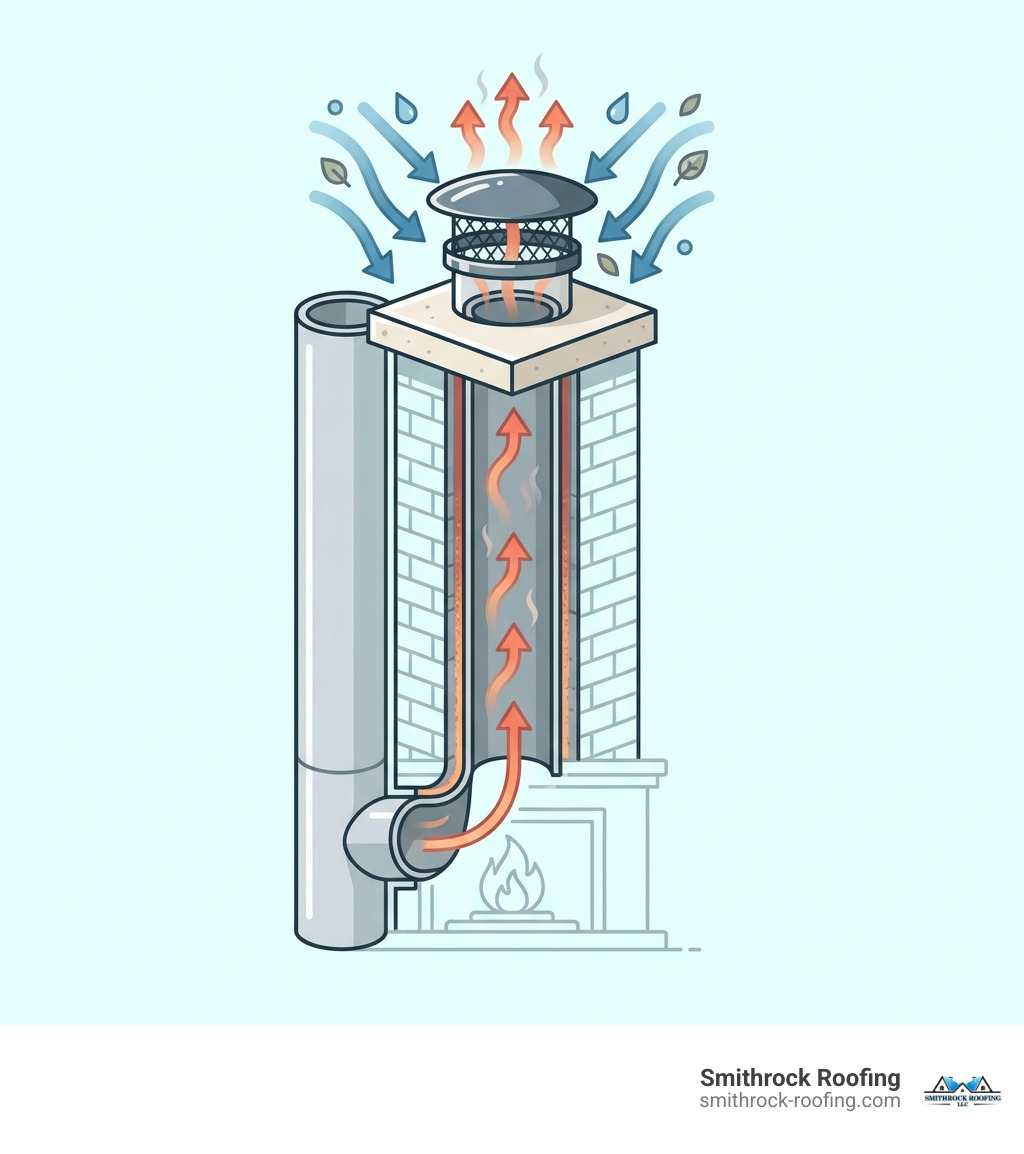
A chimney rain cap is the first line of defense against rain, animals, and debris. It’s a vital component that plays a massive role in protecting your entire chimney system. While seemingly small, several factors influence the investment required for its installation.
Key Factors That Determine Chimney Cap Investment
Several variables determine the scope of a chimney cap installation. A significant factor is labor rates, which can fluctuate based on the expertise of the professionals and the location, such as our service areas of Winston-Salem, King, and Clemmons, NC. Labor is a substantial part of the project’s total investment.
Another crucial factor is roof accessibility. A chimney that is hard to reach due to a steep roof pitch or a tall home requires specialized equipment like scaffolding, which increases the complexity and labor involved. For instance, accessing a chimney on a three-story home is more challenging than on a single-story ranch. The chimney height itself also plays a role, as taller chimneys may require more extensive safety setups.
Finally, seasonality can influence scheduling. Booking your installation during the off-season (typically spring or fall) may offer more flexibility. Demand for chimney services is often lower, and weather conditions are more favorable, making the job safer and more efficient. Waiting until the peak heating season might mean less scheduling flexibility. For more insights specific to our services, you can refer to our guide on How Much Does It Cost for a Chimney Cap Installation?.
Material Matters: A Look at Different Chimney Caps
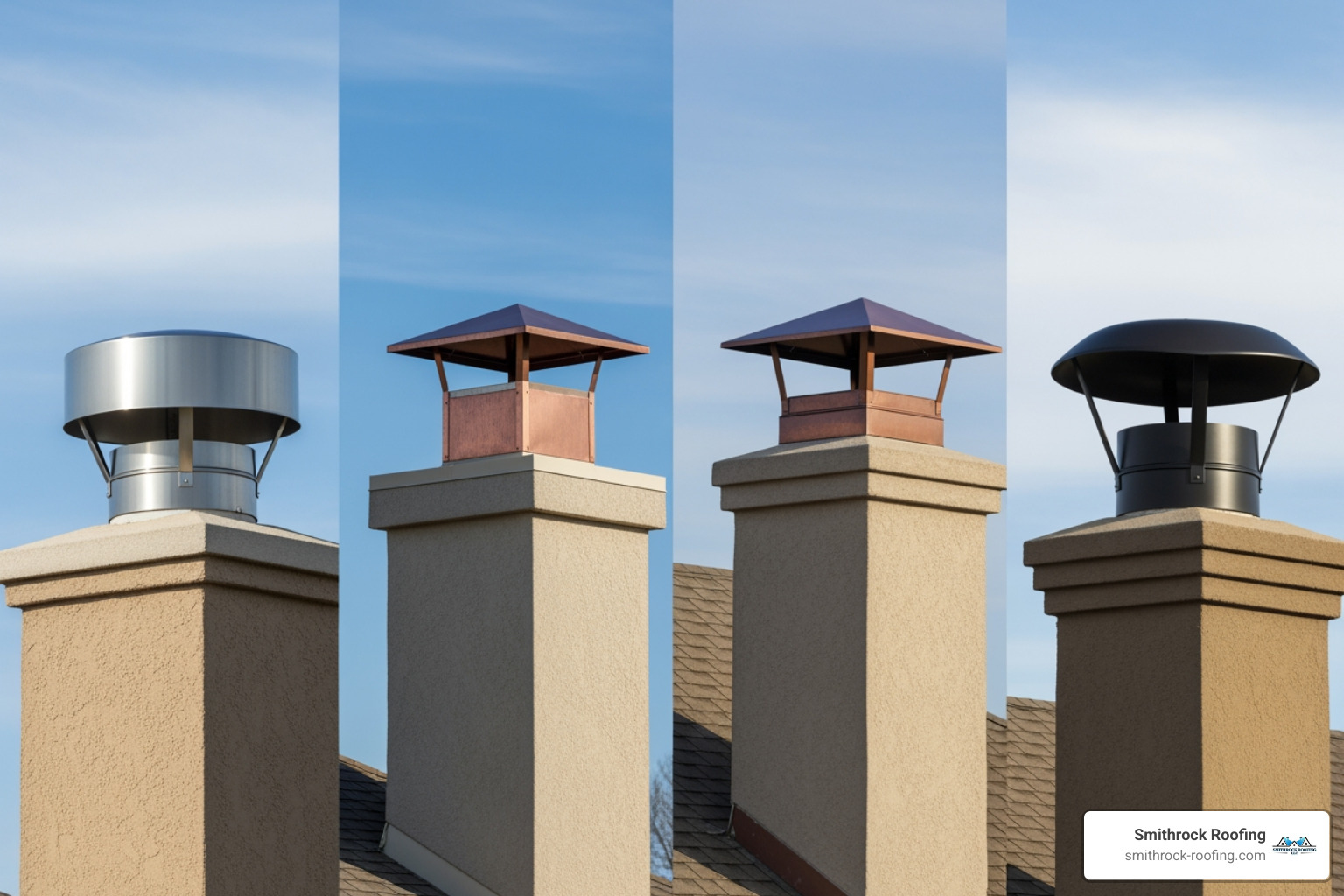
The material chosen for your chimney cap significantly impacts its durability and aesthetics. We offer a range of options to suit various needs in our service areas.
- Galvanized Steel: This is a common, budget-conscious option. Galvanized steel is treated with a zinc coating to resist rust. However, its lifespan can be shorter than other materials, and the National Chimney Sweep Guild notes that it can rust and stain your chimney over time.
- Stainless Steel: Regarded as a great all-around option, stainless steel caps offer excellent durability and corrosion resistance. They are a popular choice among homeowners in Winston-Salem and Greensboro because they provide long-lasting performance. Many come with substantial warranties.
- Copper: For those seeking a premium aesthetic and exceptional longevity, copper chimney caps are an excellent choice. Copper develops a beautiful patina over time, adding character to your home. They are highly durable, making them a long-term investment. If you’re considering this option, learn more about our Copper Chimney Cap services.
- Aluminum: Lightweight and rust-resistant, aluminum caps offer a good balance of durability and performance, providing better longevity than galvanized steel.
- Concrete: While less common for the cap itself, concrete is often used for chimney crowns. Some custom caps incorporate concrete or stone elements for a robust and aesthetically pleasing solution. Learn more about Stone Chimney Cap options.
The choice of material is about balancing durability, maintenance, and the desired look for your home. You can explore various options through our Prefabricated Chimney Caps services.
How Size, Shape, and Type Affect the Project
The dimensions and design of your chimney cap are critical in determining the overall installation complexity.

- Single-Flue Caps: Designed to cover a single opening, these are the most straightforward and common option, available in standard sizes (round, square, rectangular).
- Multi-Flue Caps: If your chimney has multiple flues, you’ll need a larger multi-flue cap. These are more complex to manufacture and install, representing a more significant investment compared to a single-flue cap.
- Custom vs. Prefabricated: Prefabricated caps are mass-produced in standard sizes. They are readily available and suit many standard chimneys. However, for chimneys with unusual shapes or dimensions, a custom-fabricated cap is necessary. Custom caps require a larger investment but offer a perfect, snug fit that provides superior long-term protection and curb appeal.
- Shape (Round, Square, Rectangular, Oval): The most common shapes—round, square, and rectangular—are typically the most readily available as prefabricated options. Oval or other custom shapes will require specialized manufacturing.
We guide our clients in areas like Kernersville and High Point, NC, through the selection process. For more details, check out our guide on the Best Types of Chimney Caps and Cap for Fireplace.
Understanding the Investment in a Chimney Liner Installation
The chimney liner is a crucial safety element that channels smoke and dangerous gases out of your home while protecting the chimney’s masonry from heat and corrosion. The investment in a new liner is an investment in your family’s safety. Many older homes in our service areas, such as those in Winston-Salem and Greensboro, may have a deteriorating liner or none at all, making this installation vital.
What Influences the Investment for Liners?
The investment for a liner installation is influenced by the project’s complexity and scope. A primary determinant is the chimney condition. If your existing chimney has cracks or other structural issues, these repairs must be addressed before a new liner can be installed. This preparatory work, such as tuckpointing, will add to the project’s scope and investment.
Chimney height is another significant factor. Taller chimneys require more material and more extensive safety measures during installation, which increases labor requirements. Similarly, a steep roof pitch complicates access and prolongs installation time. The chimney shape is also critical. A chimney with multiple or sharp angles can increase the difficulty of installation and may require specific types of liners or more specialized labor.
Finally, labor is a substantial component of the total investment. Installing a chimney liner is a skilled job requiring specialized tools and expertise. These factors, combined with local labor rates in places like Pilot Mountain or Walnut Cove, NC, will directly influence the final project scope. For a deeper dive into these factors, you can explore resources like How Much Does It Cost to Install a Chimney Liner? [2025 Data].
A Guide to Chimney Liner Materials and Their Value
The choice of chimney liner material is paramount, impacting durability, safety, and the overall investment. Each material has unique properties suitable for different applications.
| Material | Durability | Application | Lifespan |
|---|
| Stainless Steel | Excellent | Wood-burning, gas, oil; most appliances | 15-25+ years |
| Aluminum | Moderate | Natural gas appliances (83% efficiency or less) | ~5 years |
| Clay/Terracotta | Good (if intact) | Traditional masonry, open fireplaces | 50+ years (if maintained) |
| Cast-in-Place | Excellent | Deteriorated masonry, open fireplaces, structural support | 50+ years |
- Stainless Steel Liners: These are the most popular and widely recommended. They are highly durable and suitable for most fuel types.
- 304L Stainless Steel: A standard choice, typically recommended for wood-burning stoves only.
- 316Ti Stainless Steel: A premium option that offers superior corrosion resistance. It’s suitable for most appliances and fuels and often comes with a lifetime transferable warranty, making it an excellent long-term investment for your home in Winston-Salem or Greensboro, NC.
- Aluminum Liners: This is a budget-conscious metal option, but its use is limited to certain natural gas appliances. They have a shorter lifespan and a lower initial investment, but their limited application and durability should be carefully considered.
- Clay Tile Liners: Traditional in many masonry chimneys, clay tiles are durable if properly maintained. However, they are prone to cracking from high heat or temperature fluctuations. Relining with clay often involves significant labor to remove old tiles.
- Cast-in-Place Liners: This method involves pouring a cement-like mixture into the flue to create a seamless liner. It’s excellent for reinforcing deteriorated masonry, providing structural stability and exceptional longevity of over 50 years.
Our team can guide you through the options. For more information, please visit our Chimney Liner Installation Cost page.
Appliance Type and Its Impact on Liner Installation
The type of appliance being vented is a critical factor in determining the required liner material and installation needs.
- Wood-Burning Stoves and Fireplaces: These produce high temperatures and creosote, a flammable byproduct. A durable, high-temperature resistant liner like 316Ti stainless steel is essential for its resistance to corrosion and heat. Fireplace liner installations can also involve extra work in the firebox, which adds to the project’s scope.
- Gas Furnaces and Boilers: Modern gas appliances produce lower temperatures. For certain natural gas appliances with lower efficiency ratings, aluminum liners might be a suitable option. However, for higher-efficiency gas appliances that produce more acidic condensate, stainless steel liners are preferred for their superior corrosion resistance.
- High-Efficiency Appliances: These appliances produce significant condensation that can be highly acidic. This requires specific liner materials like 316Ti stainless steel that can withstand chemical attack.
The correct liner ensures that harmful gases are safely expelled from your home in Winston-Salem or Kernersville, NC, and prevents damage to the chimney structure. A professional inspection can determine the best liner type for your specific appliance.
The Complete Picture: Factors Influencing the Installation Project
To fully understand a quote for your average cost of rain cap and chimney liner install, you must consider the entire scope of the project, from labor choices to potential additional work.
Professional Installation vs. DIY: A Cost and Safety Analysis
While the allure of potential savings on a DIY project is understandable, the realities of chimney work, especially chimney liner installation, are complex and dangerous.
- DIY Risks: Installing a chimney liner improperly can lead to severe consequences, including carbon monoxide poisoning or a house fire. DIY kits are available but require significant expertise. We strongly advise against tackling this project without extensive experience.
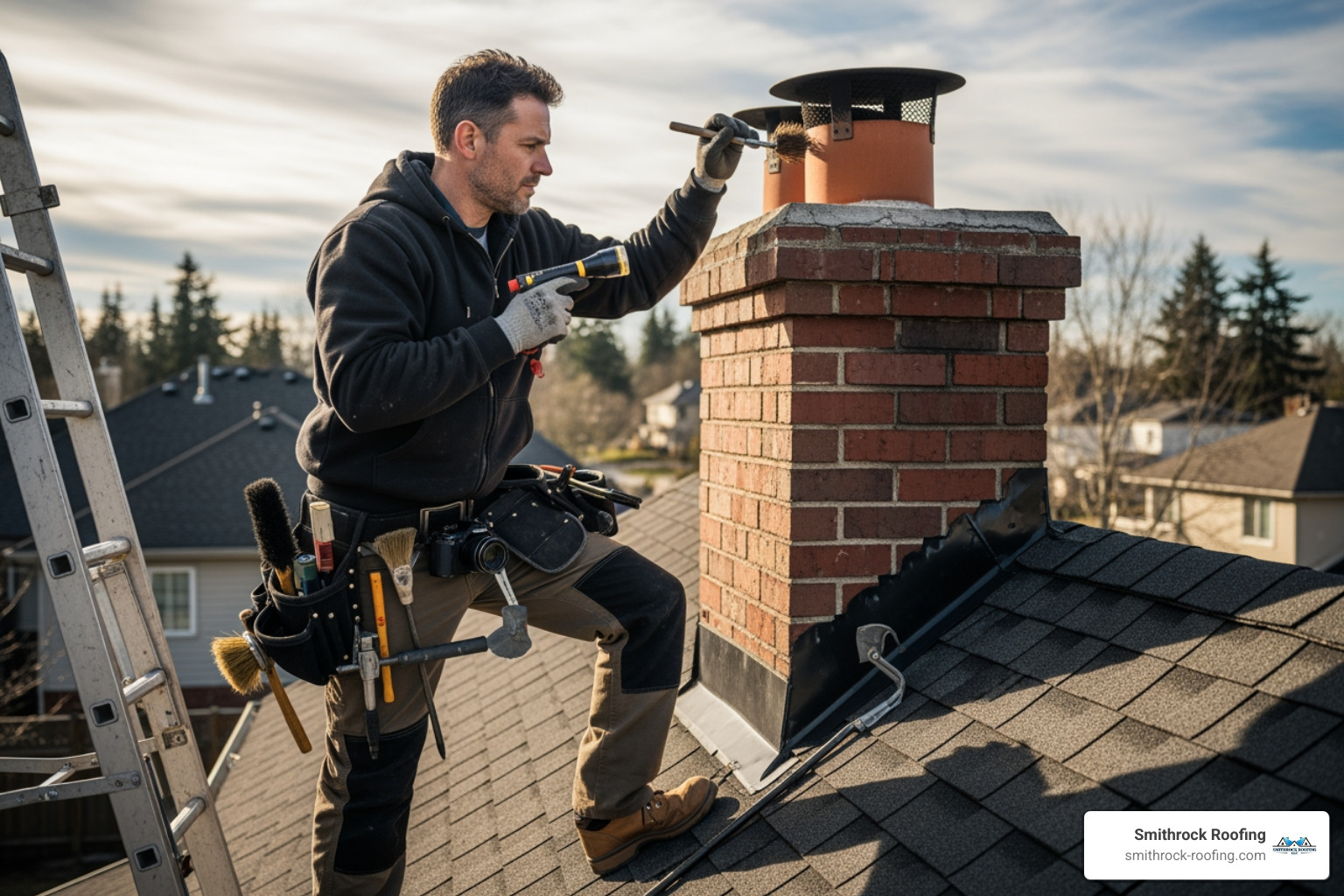
- Ladder Safety: Even for a cap installation, working on a roof carries risks. Proper ladder safety, including extending the ladder 3 feet beyond the eave and using safety harnesses, is non-negotiable.
- Professional Liability Insurance: A key benefit of hiring a professional is their liability insurance to cover workplace accidents. If you attempt a DIY installation, you would be responsible for any medical costs or repair expenses.
- Specialized Tools and Expertise: Professionals have the tools, training, and experience to perform installations safely and correctly, ensuring compliance with building codes and ventilation requirements.
- Warranty Implications: Professional installations often come with warranties. An improper DIY installation might void manufacturer warranties and lead to future issues.
Leaving this critical job to a professional is the best way to ensure your chimney liner and cap are installed correctly and safely in your Winston-Salem, Clemmons, or Greensboro, NC home.
Potential Additional Work: Repairs, Permits, and Inspections
Beyond the basic installation, several additional factors can influence your project’s scope.
- Chimney Crown Repair: The chimney crown is the concrete slab at the top of your chimney. If it’s cracked, it needs repair or replacement to prevent water intrusion, which can be a significant repair.
- Masonry Repair (Tuckpointing): If an inspection reveals crumbling mortar or damaged bricks, tuckpointing (replacing old mortar) may be necessary to ensure the chimney’s structural integrity. Rebuilding part of an old brick chimney can be a considerable undertaking.
- Flue Damage: If existing flue tiles are broken, they might need to be removed or repaired before a new liner can be inserted, which adds to the labor involved.
- Building Permits: While a simple cap installation usually doesn’t require a permit, extensive work like relining or major masonry repairs often does. Regulations in areas like Kernersville or Mt. Airy, NC, vary, and permits typically require a fee.
- Inspection Levels: A chimney inspection is crucial before work begins. A Level 1 inspection is a visual check, while a Level 2 inspection involves a video scan of the flue. A Level 3 inspection is the most comprehensive. The required inspection level can add to the project scope but is vital for identifying hidden issues. We also offer Chimney Chase Cover Installation services, which may be a related consideration.
Strategic Timing: When to Schedule Your Installation
Timing can play a role in the convenience of your installation.
- Off-Season Scheduling (Spring, Summer): Demand for chimney services peaks in the fall and winter. Scheduling your installation during the warmer months can offer more flexibility. The milder weather also makes roof access safer for technicians.
- Bundling Services: If you require multiple services, such as a chimney sweeping and an installation, ask about bundling them. Professionals can often be more efficient when multiple tasks are completed in a single project.
- Avoiding Emergency Repairs: Proactive maintenance helps you avoid the inconvenience and potential for premium rates associated with emergency repairs during the peak heating season.
- Weather Considerations: Milder temperatures are ideal for working with materials like sealants or masonry. Extreme weather can complicate installations and prolong project timelines.
Understanding the Value: Benefits and Warning Signs
Investing in your chimney is an investment in your home’s safety and longevity. Understanding the benefits of a proper installation and recognizing the warning signs of failure helps put the project into perspective. This isn’t just about a service; it’s about protecting your family and property.
The Dual Benefits of a New Chimney Cap and Liner
A new chimney cap and liner work in tandem to create a safer, more efficient, and longer-lasting chimney system.
- Fire Prevention: The liner contains heat and flames, preventing them from igniting your home’s structure, while the cap stops sparks from escaping the flue.
- Carbon Monoxide Safety: A properly functioning liner ensures that all combustion byproducts, including dangerous carbon monoxide, are safely vented out of your home.
- Improved Energy Efficiency: A proper liner helps maintain draft, allowing your appliance to operate optimally. The cap prevents downdrafts and keeps warm air from escaping when the fireplace is not in use.
- Moisture Prevention: The cap acts as an umbrella, keeping rain and snow out of the flue. Moisture is a chimney’s worst enemy, leading to deterioration. A liner further protects the masonry from internal condensation.
- Animal and Debris Blockage: The cap’s mesh sides prevent animals from nesting inside your chimney and keep out leaves and other debris that can cause blockages and fire hazards. For more on this, see our page on Chimney Covers to Stop Birds.
- Prolonged Chimney Life: By protecting against moisture, animals, and extreme temperatures, a cap and liner significantly extend the lifespan of your chimney, saving you from potentially major repairs down the road.
These benefits underscore why a quality chimney cap and liner are essential for any home with a chimney in Winston-Salem, King, or our other service areas.
Red Flags: Signs You Need a Chimney Cap or Liner Replacement
Ignoring warning signs can lead to dangerous and expensive problems. Be vigilant for these red flags.
- Cracked Flue Tiles: Cracks in a clay tile liner compromise its ability to contain heat and gases, creating a serious fire hazard. This is often found during a professional inspection.
- Deteriorating Mortar Joints: Crumbling mortar between bricks indicates structural weakness and can lead to moisture intrusion.
- Water Damage (Efflorescence): White, powdery stains on the exterior of your chimney or moisture inside your fireplace are clear signs of water penetration, possibly from a damaged cap or crown.
- Rust Stains: Rust streaks on your chimney can signal that a galvanized steel cap is failing or that another metal component is rusting.
- Damaged or Missing Cap: A visibly bent, rusted, or absent chimney cap leaves your chimney vulnerable. This is a common reason for Chimney Cap Replacement.
- Downdrafts: Smoke blowing back into your home or cold drafts coming down the chimney can indicate a problem with the cap or draft.
- Animal Noises: Scratching or chirping sounds from your chimney are a strong indicator that animals have moved in, meaning your cap is missing or ineffective.
If you notice any of these signs in your home in Winston-Salem or Greensboro, NC, contact a chimney professional for an inspection.
Understanding the Lifespan of Your Chimney Components
Knowing the typical lifespan of your chimney components can help you anticipate replacements.
- Chimney Cap Lifespan (by material):
- Galvanized Steel: Generally has the shortest lifespan, often 3-5 years, as it is prone to rust.
- Stainless Steel: A much longer lifespan, typically 10-25 years, offering good durability.
- Copper: The longest lifespan among metal caps, often 25+ years, due to its inherent resistance to corrosion.
- Chimney Liner Lifespan (by material):
- Aluminum Liners: The shortest lifespan, around 5 years, and only for specific gas appliances.
- Stainless Steel Liners: A robust lifespan of 15-25 years or more. Many 316Ti liners come with lifetime warranties.
- Clay Tile Liners: Can last 50+ years if they remain intact but are prone to cracking.
- Cast-in-Place Liners: Offer the longest lifespan, often 50 years or more.
- Importance of Regular Maintenance: Regular chimney sweeping and annual inspections are crucial for maximizing the lifespan of all components. The National Chimney Sweep Guild emphasizes that proper maintenance prevents issues like rust and staining. Neglecting maintenance can lead to premature failure and higher long-term expenses.
Frequently Asked Questions about Chimney Caps and Liners
We often hear similar questions from homeowners in our service areas. Here, we address some of the most common inquiries about the average cost of rain cap and chimney liner install.
How long do chimney caps and liners typically last?
The longevity of your chimney cap and liner heavily depends on the material, climate, and maintenance.
- Chimney Caps:
- Galvanized Steel: This is a budget-conscious choice but also the least durable, typically lasting 3 to 5 years as it is prone to rust.
- Stainless Steel: A more robust option, usually lasting 10 to 25 years due to its good corrosion resistance.
- Copper Caps: The highest-quality choice for longevity, copper caps can last 25 years or more.
- Chimney Liners:
- Aluminum Liners: These have the shortest lifespan, around 5 years, and are only suitable for certain gas appliances.
- Stainless Steel Liners: Known for durability, these liners generally last 15 to 25 years or more. The higher-grade 316Ti stainless steel often comes with a lifetime warranty.
- Clay Tile Liners: Can last 50 years or longer if they remain undamaged, but they are brittle and can crack.
- Cast-in-Place Liners: These offer exceptional longevity, often exceeding 50 years.
The climate in our Winston-Salem and Greensboro, NC service areas can influence these lifespans. Regular inspections are key to ensuring these components reach their maximum potential.
Is a chimney cap really necessary if I have a liner?
Absolutely. A chimney cap is necessary even with a liner because they serve complementary, not overlapping, roles.
- Liner Protects Interior Flue: The liner’s primary job is to contain heat and gases, protecting the chimney’s masonry from corrosion and high temperatures.
- Cap Protects Top Opening: The cap protects the top opening of the flue from external threats. Without it, your liner is exposed to the elements.
- Rain Protection: The cap acts like an umbrella, preventing rain and snow from entering the flue and causing rust or water damage to the chimney structure and damper.
- Animal and Debris Prevention: The cap’s mesh sides are crucial for keeping animals and debris like leaves and twigs out of your chimney, preventing blockages and fire hazards.
While your liner works inside, the cap is its essential partner, guarding the entrance to your chimney system.
What is the difference between a chimney cap and a chase cover?
While both protect the top of a chimney, they are distinct components for different chimney types.
- Chimney Cap: A chimney cap is installed directly over the flue opening of a masonry chimney. Its purpose is to keep rain, animals, and debris out of the flue. It sits above the flue, often fastened to the chimney crown. We specialize in Fireplace Cap Installation for these chimneys.
- Chase Cover: A chase cover is used on prefabricated chimneys, which are encased in a wooden or metal chase. The chase cover acts as a lid for this entire structure, preventing water from entering and damaging the components inside. It protects the entire top of the prefabricated chimney system. We also handle Chimney Chase Cover Installation for these systems.
A chimney cap protects the flue of a masonry chimney, while a chase cover protects the entire top of a prefabricated chimney chase. Both are vital for preventing water damage.
Protect Your Home with a Professional Chimney Solution
Making an informed decision about your chimney cap and liner requires looking beyond a single estimate. It involves assessing the quality of the materials, the complexity of the installation, the condition of your chimney, and the expertise of the professionals performing the work. A properly installed system is a long-term investment in your home’s safety, efficiency, and value.
At Smithrock Roofing, we understand the unique needs of homes in Winston-Salem, King, Clemmons, Lewisville, Pilot Mountain, East Bend, Mt. Airy, Kernersville, Siloam, Danbury, High Point, Trinity, Pfafftown, Tobaccoville, Greensboro, Walnut Cove, Belews Creek, Rural Hall, Pinnacle, Bethania, Advance, Wallburg, Horneytown, Union Cross, and Midway, NC. Our team is committed to providing high-quality, reliable chimney solutions that stand the test of time. For an expert evaluation and a commitment to quality craftsmanship, the team at Smithrock Roofing ensures your chimney system is secure and built to last.
Learn more about our comprehensive chimney services