
Brick veneer vinyl siding is a term that can refer to two different products: actual brick veneer (thin slices of real brick) and vinyl siding molded to look like brick. Understanding the distinction is key to choosing the right option for your home, as they differ significantly in material, cost, installation, and long-term performance.
If high energy bills, a dated exterior, or signs of wear like cracking, fading, or warping have you considering new siding, you’re making a critical decision for your home. Your home’s exterior is its first line of defense against the elements, but it does more than just look good; it protects the structure from moisture and pests, impacts energy costs, and represents a significant portion of your property’s value and curb appeal. A well-executed siding project can offer one of the highest returns on investment of any home renovation.
Many homeowners are confused by the term “brick veneer vinyl siding” because it can describe either actual thin brick veneer mortared onto a wall or vinyl siding panels molded to look like brick. While both offer the appearance of traditional brick, they are fundamentally different products.
Quick Comparison:
| Siding Type | What It Is | Key Benefits | Best For | Estimated Cost (Installed) |
|---|---|---|---|---|
| Brick Veneer | Thin slices of real brick (½ to 1 inch thick) applied over sheathing with mortar. | Authentic brick look, fire-resistant, extremely durable, high ROI. | Homeowners wanting genuine brick aesthetics without the cost and structural weight of full masonry. | High ($15 – $30+ per sq. ft.) |
| Brick-Look Vinyl Siding | Molded plastic panels textured to resemble brick. | Lightweight, lower cost, easy DIY installation, virtually no maintenance. | Budget-conscious homeowners seeking a brick appearance with minimal upkeep and fast installation. | Low to Moderate ($5 – $12 per sq. ft.) |
| Standard Vinyl Siding | Traditional smooth or wood-grain vinyl panels. | Most affordable, widest color selection, proven performance, very low maintenance. | Those prioritizing cost-effectiveness and energy efficiency over a specific brick aesthetic. | Low ($4 – $9 per sq. ft.) |
Industry data shows that installing real brick can cost over 400 percent more than installing vinyl siding, which has the lowest total installed cost of any exterior cladding. This significant cost difference, combined with the weight and specialized labor required for masonry, leads many homeowners to seek an alternative that delivers the classic appeal of brick without the expense and structural demands of traditional methods.
This comprehensive guide will walk you through everything you need to know about these siding options. We will delve into what they are, how they are made, and how they compare in terms of installation, durability, maintenance, and long-term value. Our goal is to provide you with the detailed information you need to transform your home’s appearance, improve its energy efficiency, and reduce upkeep for years to come.
When discussing brick veneer vinyl sidingwe are primarily referring to vinyl siding panels engineered to replicate the look of traditional brick. This innovative product is distinct from true brick veneer, which uses thin slices of actual brick set in mortar. The vinyl version offers a unique set of advantages for homeowners who love the classic brick aesthetic but need a more accessible, budget-friendly, and low-maintenance solution for their home’s exterior.
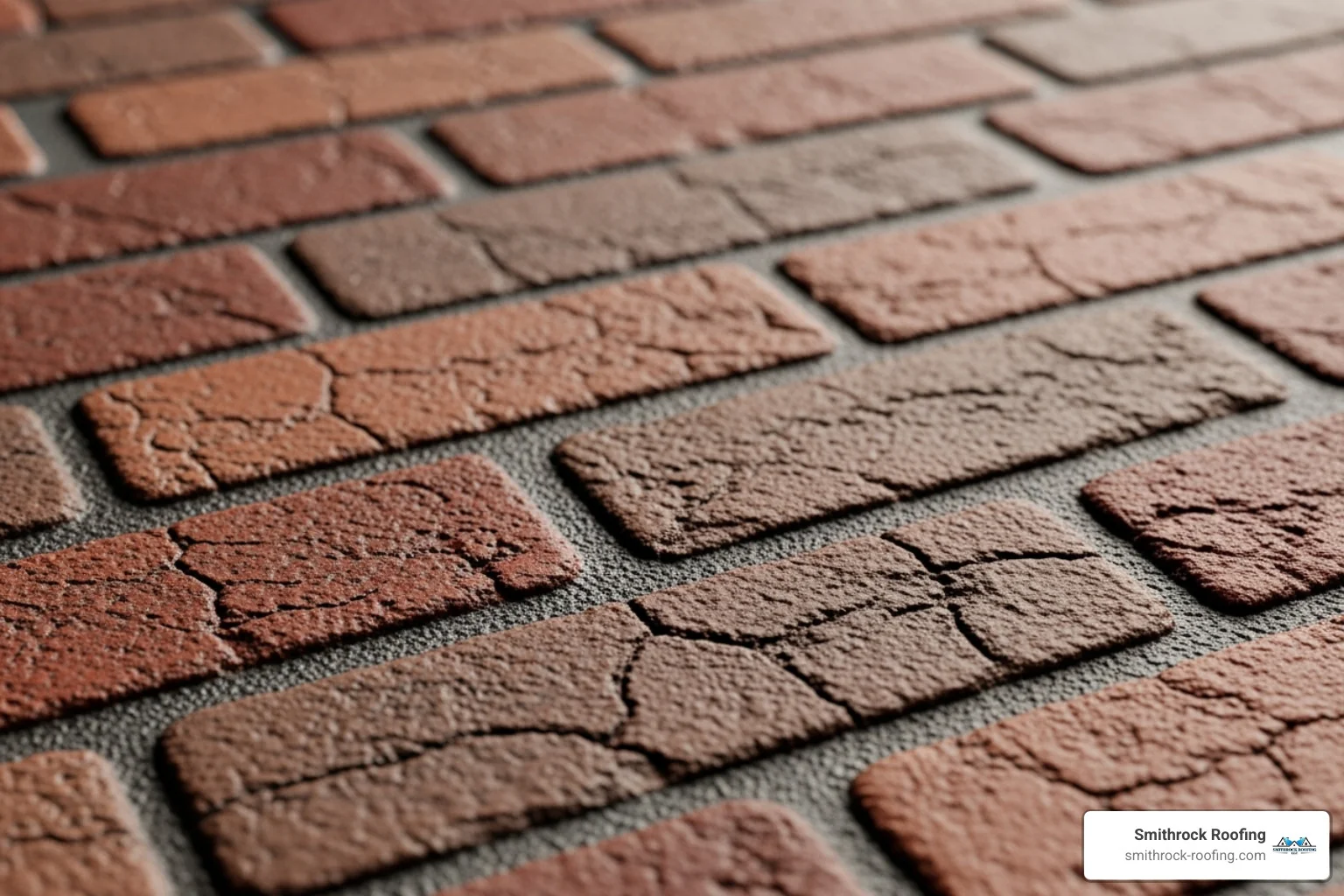
Brick-look vinyl siding is manufactured from durable polyvinyl chloride (PVC) or, in some premium cases, high-density polyurethane. The manufacturing process is highly advanced. It begins with creating master molds from real, hand-laid brick walls to capture the authentic, subtle irregularities, mortar lines, and natural color variations that give real brick its character. The chosen polymer is then injection-molded under high pressure into these molds. This process allows for deep, realistic textures and sharp details that mimic the dimensionality of masonry. The color is not just a surface coating; it is blended directly into the polymer, ensuring it runs throughout the panel for superior fade resistance.
The siding is produced in panelized systems designed to interlock seamlessly. These panels typically range from 40 to 50 inches in length and feature carefully engineered overlapping edges and locking mechanisms. This design serves two purposes: it creates a continuous and remarkably authentic-looking facade by hiding the seams between panels, and it ensures a secure, weather-resistant fit.
This lightweight construction is a significant advantage. Unlike masonry, which requires a reinforced foundation, specialized skills, and heavy equipment, these vinyl panels are secured directly to the wall sheathing with standard nails or screws. The interlocking design dramatically reduces labor intensity and installation time, allowing for a complete home transformation in days rather than weeks.
To fully appreciate brick-look vinyl, it’s important to understand its counterpart: true brick veneer. This system involves applying thin, real bricks (about ½ to 1 inch thick) to a wall structure. The process is similar to traditional masonry, requiring a skilled mason to apply mortar to each brick individually. It also necessitates a properly installed moisture barrier, metal lath to hold the mortar, and an air gap between the veneer and the wall sheathing for drainage. While it provides an unmatched level of authenticity, it is significantly heavier, more expensive, and more labor-intensive to install and maintain than its vinyl alternative.
Need a hand with this in Winston-Salem, Greensboro and the NC Triad? Call (336) 971-0464 or request a free estimate. Honest answers, no pressure.
Choosing brick veneer vinyl siding is about finding the perfect balance between timeless beauty and modern practicality. It offers the classic, substantial look of brick without the high cost, structural requirements, and demanding maintenance, making it an excellent long-term investment for your home.
Brick-look vinyl siding captures the timeless brick appearance with impressive versatility. Modern manufacturing provides a wide color spectrum, from classic reds and earthy browns to contemporary whitewashed, taupe, or charcoal gray finishes. You can also select from various patterns, such as the traditional running bond or a distinctive herringbone for accent areas. Some product lines even offer different mortar colors, allowing for further customization. This flexibility allows you to perfectly match your home’s architectural style, whether it’s a Craftsman bungalow, a Colonial revival, or a modern farmhouse. Unlike traditional brick, which is often limited by regional clay and availability, vinyl opens up a world of design possibilities. You can explore our full range of siding options to see how you can transform your home’s exterior.
This is where brick-look vinyl truly excels. Made from high-quality PVC or polyurethane, it offers impressive resilience against a wide range of environmental challenges:
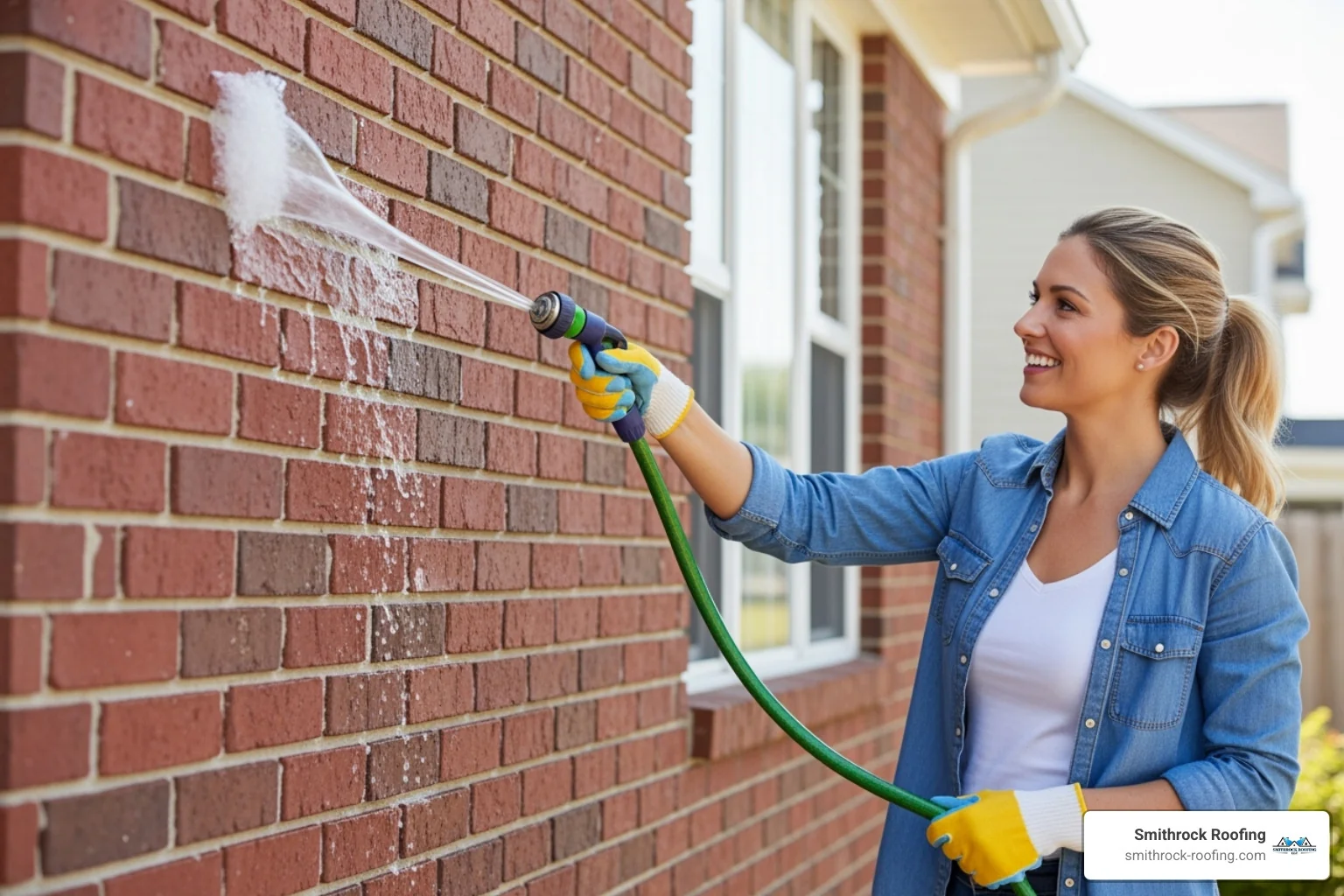
Simple cleaning with a garden hose and mild soap is all it takes to keep your siding looking new. According to the Vinyl Siding Institutevinyl siding has virtually no long-term maintenance costs, a stark contrast to materials that require ongoing financial and labor investment.
For homeowners conscious of their environmental footprint and energy bills, brick-look vinyl offers compelling advantages. Many products are available as insulated siding optionswhich feature a contoured layer of rigid foam insulation permanently fused to the back of the panel. This insulation significantly improves your home’s R-value (its capacity to resist heat flow), leading to reduced energy consumption for heating and cooling and lower utility bills. An insulated wall can see an R-value increase of R-2 to R-5, which can translate into substantial annual savings.
From an environmental standpoint, vinyl siding generally has a lower environmental impact compared to traditional masonry over its lifecycle. The production of brick is an energy-intensive process that requires firing kilns at high temperatures, releasing significant greenhouse gases. In contrast, modern vinyl manufacturing is more efficient. Vinyl is also a lighter material, reducing transportation-related fuel consumption. Furthermore, it offers good recyclability at the end of its life, contributing to a more circular economy. Choosing insulated brick-look vinyl is a sustainable decision that benefits both your wallet and the planet.
Choosing the right siding involves balancing aesthetics, durability, maintenance, and budget. Here’s a detailed look at how brick veneer vinyl siding stacks up against other popular options.
| Siding Type | Maintenance | Installation | Weight | Style Versatility | Durability | Cost (Material & Labor) |
|---|---|---|---|---|---|---|
| Brick Veneer Vinyl Siding | Very Low (wash with hose) | Easy (panels, interlocking) | Lightweight | High (colors, patterns) | High (impact, fade, pest resistant) | Low-Moderate |
| Standard Vinyl Siding | Very Low (wash with hose) | Easy (panels, interlocking) | Lightweight | Very High (colors, profiles) | High (impact, fade, pest resistant) | Low |
| Traditional Brick Veneer | Medium (re-pointing mortar, cleaning for efflorescence) | Complex (mortar, skilled labor) | Very Heavy | Medium (natural brick styles) | Very High (fire, impact resistant) | High |
| Fiber Cement Siding | Medium (repainting every 5-15 years, caulking) | Moderate (heavy, specialized tools, dust protection) | Heavy | Very High (paintable, textures) | Very High (fire, pest resistant) | Moderate-High |
While both are low-maintenance vinyl products, the primary difference is aesthetics and dimension. Standard vinyl typically has a smooth or simple wood-grain texture. Brick veneer vinyl siding goes much further, with molded panels that have the intricate texture, depth, and dimensional quality of real masonry. The thicker profile of brick-look panels also adds rigidity, which can make them feel more substantial and perform better against warping than some thinner, builder-grade standard vinyl options. This creates a significant difference in curb appeal and perceived value, giving a home the charming, solid look of a brick structure.
Traditional brick veneer is authentic but comes with major trade-offs. It has a much higher material cost, and the installation is slow and labor-intensive, requiring skilled masons. Industry research shows brick installation can cost over 400 percent more than vinyl. Its immense weight also requires a reinforced foundation ledge, which may not be feasible or cost-effective for a renovation. Brick veneer vinyl siding provides a similar aesthetic at a fraction of the cost. Its lightweight nature eliminates the need for structural reinforcements, and the panelized system allows for a much faster installation. Furthermore, vinyl siding saves you from the ongoing cost and hassle of re-pointing mortar joints and cleaning efflorescence (the white, powdery salt deposits that can form on brick), which are necessary maintenance tasks for real brick.
Fiber cement is known for its durability and excellent resistance to fire and pests. However, it is heavy and brittle, making installation more challenging and costly than lightweight vinyl. It requires special cutting tools that generate hazardous silica dust, necessitating respiratory protection for installers. The most significant difference for homeowners is long-term maintenance. Fiber cement must be repainted every 5 to 15 years to maintain its appearance and protective qualities, and joints must be re-caulked. Brick veneer vinyl siding requires no painting, as its color is integrated into the material itself. This means no chipping, peeling, or costly repainting jobs down the line. While both are durable, vinyl’s “install it and forget it” nature is a major advantage for homeowners who want a beautiful exterior without the constant upkeep. For a deeper dive, explore our detailed comparison of vinyl vs. Hardie Board vs. Everlast Siding.
One of the greatest advantages of brick veneer vinyl siding is its straightforward installation and minimal upkeep. It delivers the look of masonry without the time, cost, or complexity, making it an accessible project for professionals and a manageable one for experienced DIYers.
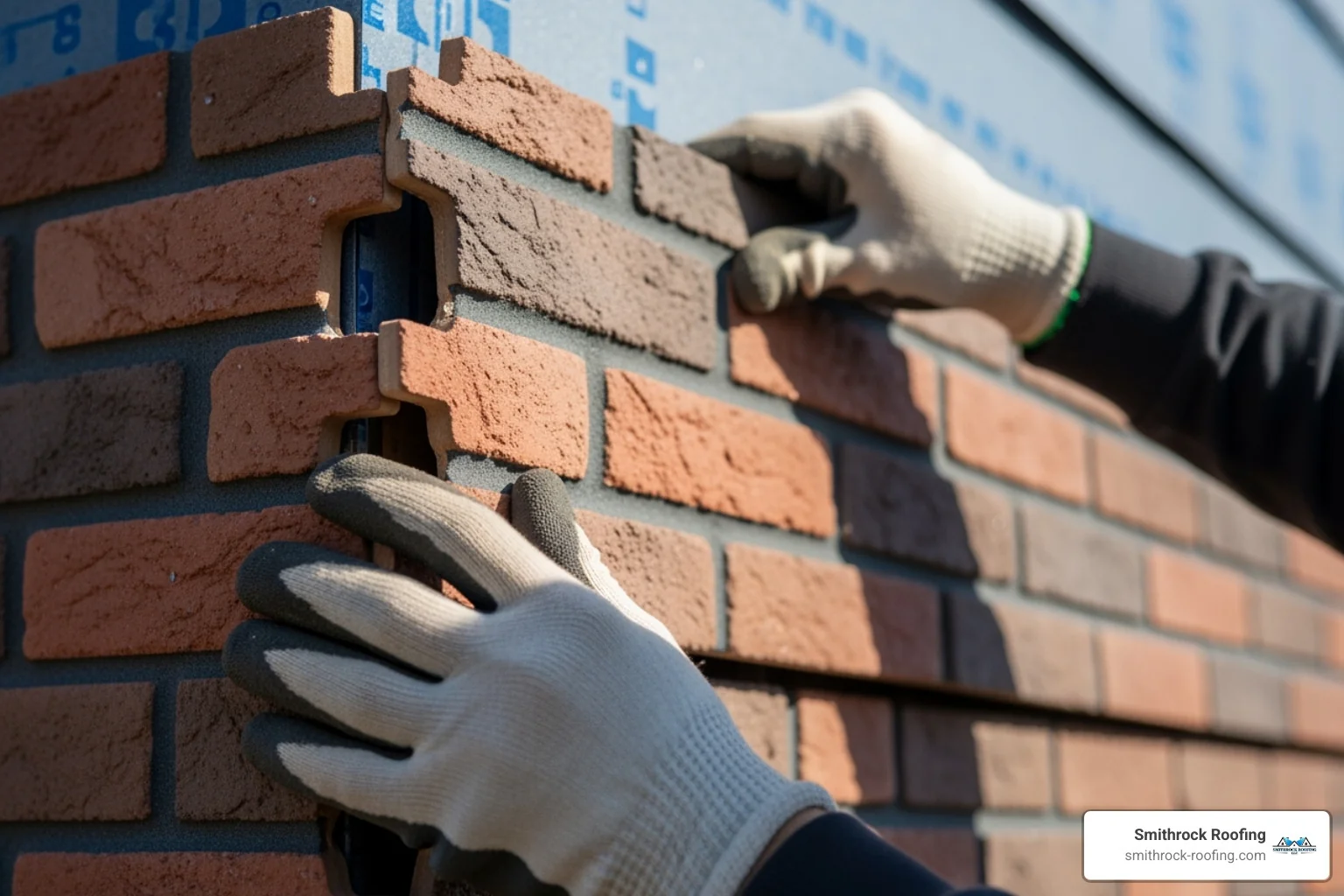
Installing brick-look vinyl is a systematic process that doesn’t require mortar or specialized masonry tools. Here are the key steps a professional installer will follow:
While handy homeowners can install this system, professional installation is highly recommended for a large-scale project. Experienced installers like the team at Smithrock Roofing understand manufacturer specifications, proper flashing techniques around windows and penetrations, and how to manage thermal movement to ensure a flawless, durable, and warrantied finish.
Compared to traditional materials, maintaining brick veneer vinyl siding is incredibly simple. Forget about re-pointing mortar, repainting, or worrying about rot.
Your primary task is routine cleaning. A simple rinse with a garden hose once or twice a year will remove most dust, dirt, and pollen. For more stubborn grime, use a soft-bristle brush or cloth with a solution of mild soap and water. It’s important to avoid harsh chemicalssolvents, and abrasive cleaners, as they can damage the siding’s surface finish. Also, avoid using a high-pressure washer, as it can force water behind the panels if not used correctly.
It’s also wise to conduct a quick visual inspection annually, especially after severe weather. Check for any cracked, chipped, or loose panels that may need replacement. Ensure that the weep holes at the bottom of the panels are clear of debris to allow for proper drainage. Finally, ensure your gutters are clean and functioning correctly. Proper drainage is essential for preventing water from constantly running down your walls and getting behind any type of siding.
The true appeal of brick veneer vinyl siding is its remarkable versatility. It can dramatically transform a home’s entire exterior, create a stunning focal point, or even be brought indoors for creative applications, offering design possibilities once reserved for expensive and heavy masonry.
Because it’s lightweight, brick-look vinyl can be applied to almost any home without requiring structural reinforcement. This makes it ideal for both new construction and renovations.
Brick-look vinyl excels when paired with other textures and colors. Imagine a modern farmhouse with crisp white board-and-batten siding on the upper level, grounded by a rich, earthy brown brick-look vinyl wainscoting below. Or consider a Craftsman home where warm, red brick-look vinyl on the porch columns complements natural-toned shake siding. The key is to use the brick texture to add weight, character, and a focal point to your overall design scheme. To see what might work for your project, explore our siding options.
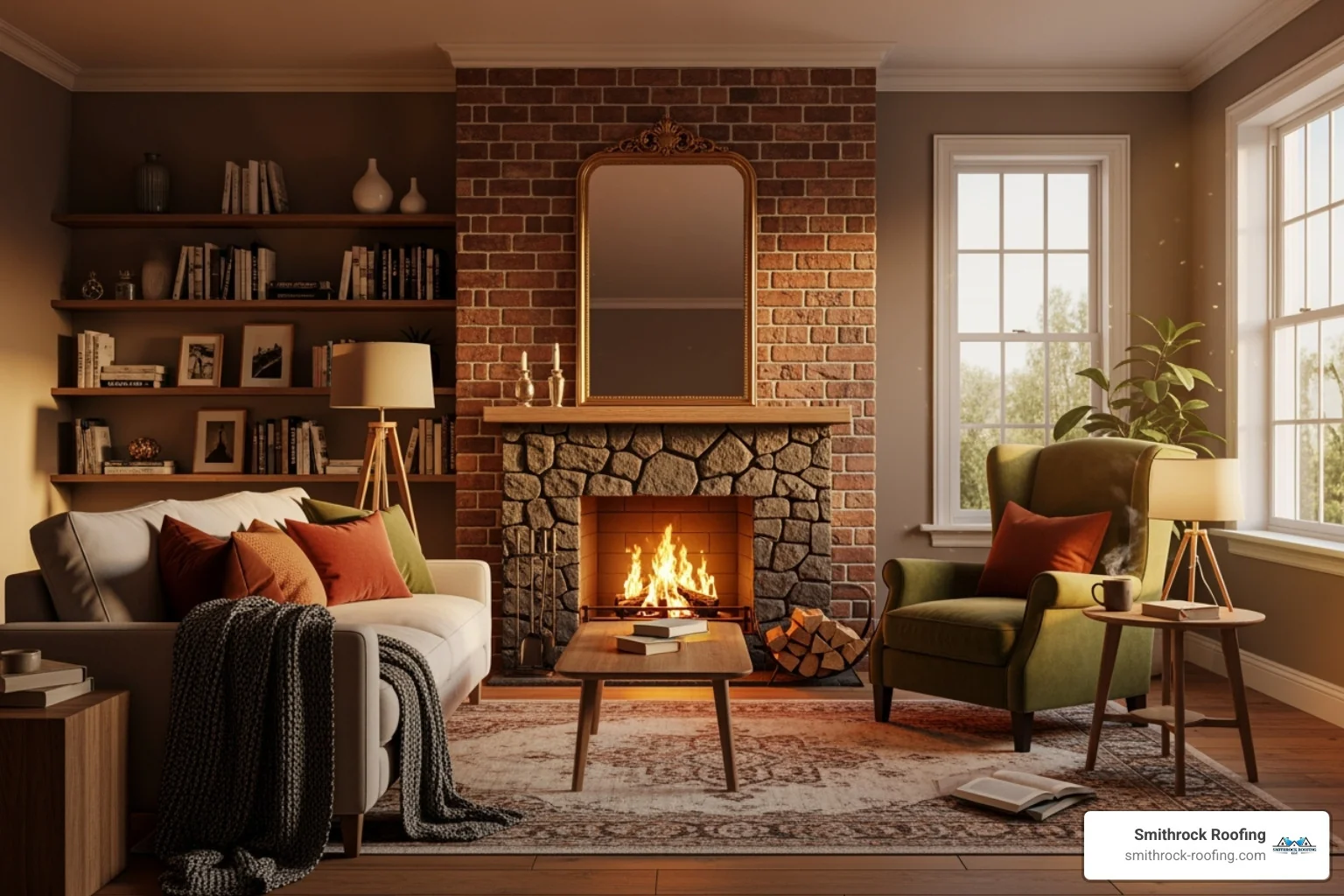
The lightweight panels and easy, mortar-free installation of brick veneer vinyl siding make it a fantastic choice for interior design.
Changing your home’s exterior is a big decision, and it’s natural to have questions. Here are detailed answers to some of the most common inquiries we receive about brick veneer vinyl siding.
In some cases, yes, but it is often not recommended. If your current siding is a single layer of flat, securely attached material (like wood lap or fiber cement) and the underlying wall is sound, installing new vinyl siding over it can be a time- and cost-saving option. However, a thorough inspection is essential. Any underlying issues, such as moisture damage, rot, or warped panels, must be addressed first by removing the old siding. Installing over an uneven surface will telegraph imperfections through the new siding. Professionals often prefer a full tear-off to properly inspect the wall sheathing and install a new, continuous weather-resistant barrier for maximum protection.
Modern brick veneer vinyl siding offers excellent color retention and fade resistance. Unlike older products, today’s high-quality vinyl incorporates advanced UV-resistant technologies and premium pigments that are integrated throughout the material, not just coated on the surface. This process, known as color-through technology, means the color goes all the way through the panel, making minor scratches or scuffs virtually unnoticeable. While all exterior materials experience some degree of weathering over many years, you can expect the color to remain vibrant and resist significant fading for decades, far outlasting a standard paint job which requires reapplication every 5-10 years.
It’s more accurate to say that brick veneer vinyl siding is a highly water-resistant exterior cladding. The panels are designed with interlocking mechanisms and built-in weep holes to shed the vast majority of water, directing it down and away from your home’s structure. However, no siding system is a completely sealed, waterproof barrier on its own, especially against wind-driven rain. That’s why professional installation always includes a weather-resistant barrier (house wrap) underneath the siding. This secondary layer acts as your home’s true waterproofing system. The combination of water-resistant siding and a properly installed house wrap creates a comprehensive defense that keeps your home dry and protected from mold, rot, and structural damage.
With proper installation, the expected lifespan of high-quality brick veneer vinyl siding is typically 20 to 40 years, and often much longer. Many leading manufacturers are so confident in their product’s durability that they offer robust, transferable limited lifetime warranties that cover issues like peeling, flaking, and excessive fading. The longevity is a result of its resistance to rot, insects, and moisture.
Brick-look vinyl siding is engineered to perform well in a variety of weather conditions. Panels are assigned a wind load rating, and when installed correctly according to manufacturer specifications, they can withstand hurricane-force winds. The material’s flexibility also allows it to absorb impacts from hail better than more rigid materials like fiber cement or real brick, which can chip or crack. For the best performance, choose a high-quality, thick panel and ensure it is installed by a professional who understands proper nailing techniques.
This is a common concern, largely based on outdated perceptions of vinyl siding. While very cheap, low-end products can sometimes have a slight sheen or repetitive pattern, modern, high-quality brick veneer vinyl siding is remarkably realistic. Manufacturers use molds from real brick, advanced texturing techniques, and multi-tonal color application to create authentic-looking depth and variation. The best way to judge is to see it for yourself. Always request physical samples to view in different lighting conditions against your home.
Your home’s exterior is a reflection of your style and a major contributor to its protection and value. Choosing the right siding means finding the perfect blend of beauty, durability, and long-term convenience. A successful project not only enhances curb appeal but also provides peace of mind for decades.
As we’ve explored, brick veneer vinyl siding delivers the timeless, substantial look of traditional brick without the high cost, structural demands, or constant maintenance. It offers remarkable design versatility, stands up to the elements, and can even improve your home’s energy efficiency when you choose an insulated option. This powerful combination of benefits makes it a smart, long-term investment that improves curb appeal while protecting your home for years to come.
At Smithrock Roofing, we’ve helped countless homeowners in our community transform their properties with quality siding solutions. We understand this decision is important, and our expertise ensures we can guide you to the best options for your home’s architecture, your personal style, and your budget. It’s not just about panels and nails; it’s about building a home you’re proud of.
Choosing the right partner for the installation is just as critical as choosing the right material. A qualified contractor will be fully licensed and insured, have extensive experience with the specific product you choose, provide a detailed written estimate, and stand behind their work with a workmanship warranty. This ensures your siding performs as designed and your manufacturer’s warranty remains valid.
Balancing aesthetics and practicality is achievable. With the right materials and an experienced partner, your home improvement project can be a rewarding success.
Ready to see how brick veneer vinyl siding can give your home a fresh, beautiful, and maintenance-free look? Let’s talk about your vision and how we can bring it to life.
Contact us for your siding project
Brick veneer offers an authentic brick look, is fire-resistant, extremely durable, and provides a high return on investment, all without the cost and structural weight of full masonry.
Brick-look vinyl siding is molded to resemble brick and is lightweight, lower in cost, and easy to install, making it suitable for budget-conscious homeowners, whereas standard vinyl siding offers a more affordable option with a wide color selection and very low maintenance for those prioritizing cost-effectiveness.
Installing real brick can cost over 400 percent more than installing vinyl siding, which has the lowest total installed cost of any exterior cladding.

Smithrock Roofing © Copyright 2026 • All Rights Reserved • Privacy Policy • Maintained by Mongoose Digital Marketing