
Don’t Crack Under Pressure: The DIY Window Glass Repair Manual

Is Your Window Glass Costing You More Than You Think?

Vinyl window glass replacement is the specialized process of removing a damaged, failed, or inefficient Insulated Glass Unit (IGU) from an existing vinyl window frame and installing a brand-new, factory-sealed unit in its place. This procedure is a surgical strike in the world of home improvement: it addresses the primary point of failure—the glass and its seals—without the invasive, expensive, and often unnecessary process of ripping out the entire window frame and surrounding trim.

Many homeowners in North Carolina find themselves at a crossroads when they notice a foggy pane or a spreading crack. The common misconception is that a broken window requires a total replacement. However, if your vinyl frames are still structurally sound, opting for glass replacement can save you thousands of dollars while restoring your home’s thermal envelope to its original (or even better) specifications.

Quick Overview of the Process:

  • When you need it: You should consider replacement if you observe cracked glass, persistent fogging or condensation trapped between the panes, noticeable drafts even when the window is locked, or a visible failure of the perimeter seal.
  • What gets replaced: In modern vinyl windows, you cannot simply swap a single pane of glass. You must replace the entire sealed IGU, which includes two or three panes of glass, the spacer bar, the desiccant, and the primary/secondary seals.
  • Who can do it: While a confident DIYer with a steady hand and the right tools can handle standard double-hung sashes, complex jobs involving large picture windows, tempered safety glass, or high-elevation installations are best left to professionals.
  • How long it takes: Once the custom-sized glass unit has been manufactured (which typically takes 5 to 10 business days), the actual physical installation usually takes only 15 to 30 minutes per sash.
  • Key benefit: The primary advantage is cost-efficiency. You preserve a structurally sound frame, avoid the mess of construction, and immediately restore the clarity and energy efficiency of your home.

If you’ve noticed fog between your panes, a cold draft near a closed window, or a visible crack spreading across the glass, your window’s insulated glass unit has likely failed. This failure isn’t just an aesthetic issue; it’s a functional one. A failed seal allows the insulating argon gas to leak out, replaced by moisture-laden air that ruins the window’s R-value. This guide walks you through every nuance of the process, from the physics of why windows fail to the precise steps required to restore them.
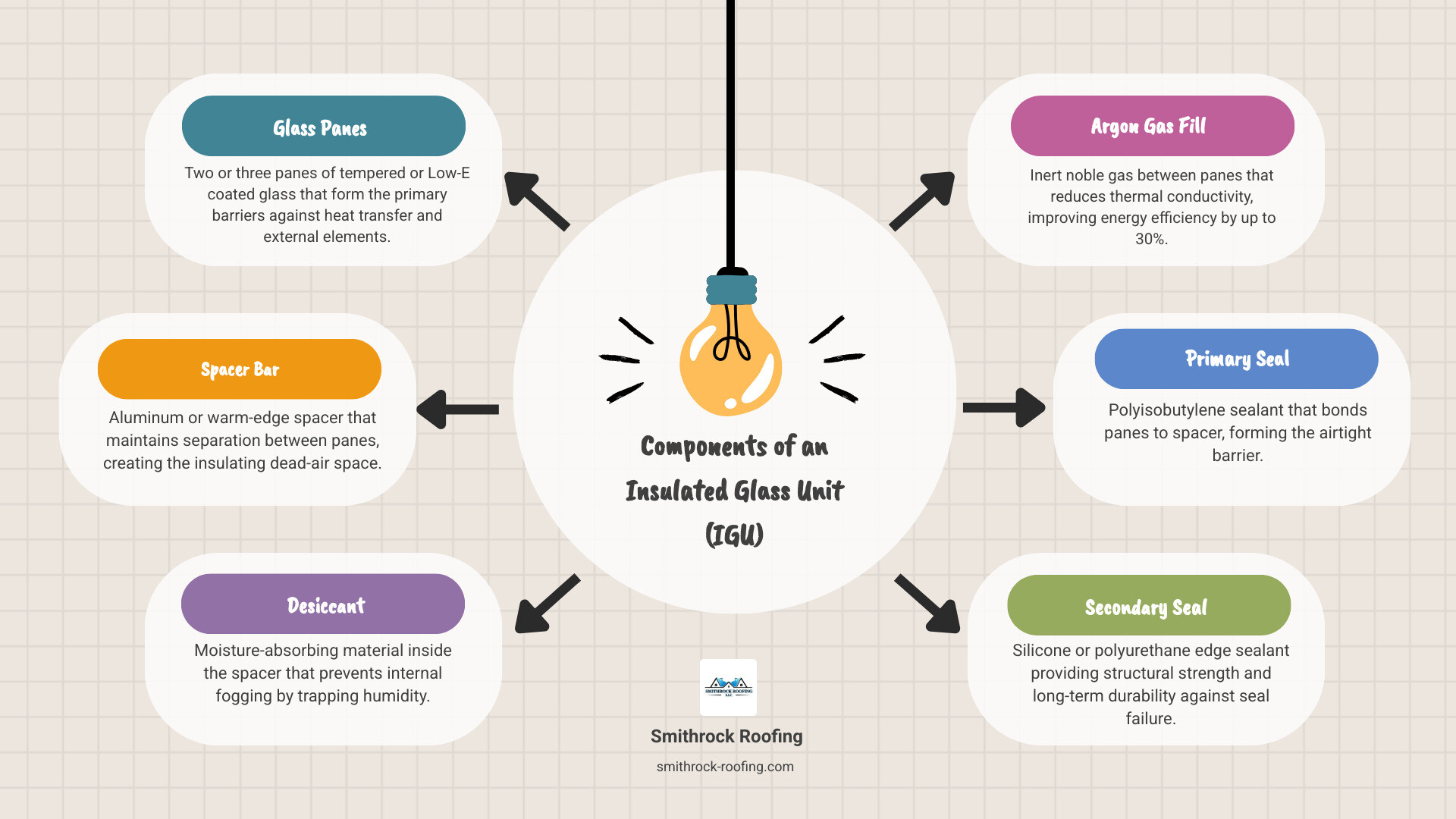
Infographic showing components of an Insulated Glass Unit including glass panes, spacer, desiccant, and seal layers - vinyl

Understanding Vinyl Window Glass Replacement: When and Why

In the realm of modern residential architecture, “glass” is no longer just a transparent barrier. Most vinyl windows installed in the last thirty years utilize an Insulated Glass Unit (IGU). To understand why vinyl window glass replacement is necessary, one must understand the anatomy of these units. An IGU consists of two or more panes of glass separated by a “spacer” (usually made of aluminum, stainless steel, or structural foam) and hermetically sealed to create a dead-air space. This space is often vacuum-sealed and then backfilled with an inert gas like Argon or Krypton, which provides significantly better thermal resistance than standard air.

The Science of Seal Failure

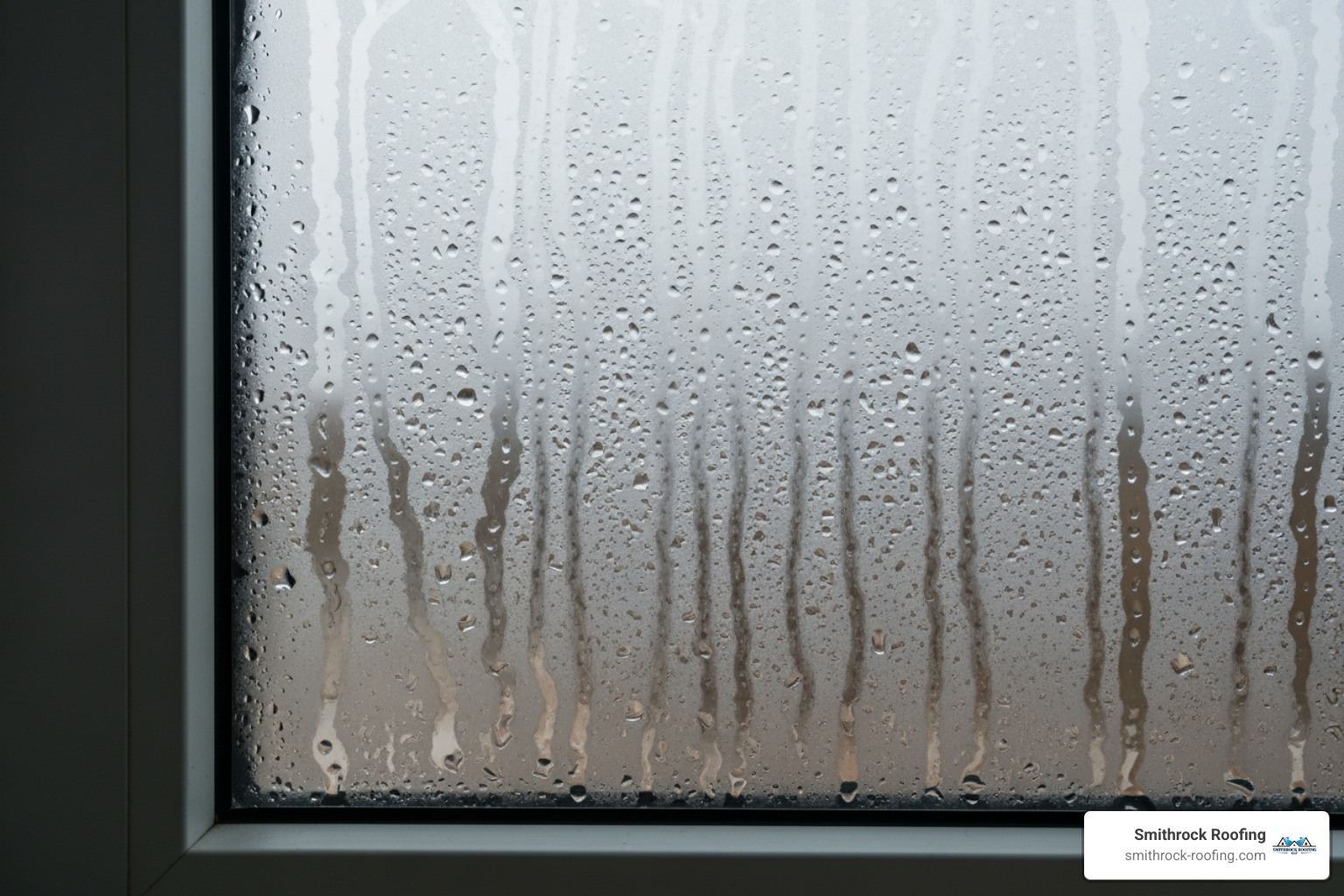
The most common reason for glass replacement is seal failure. This occurs when the adhesive seal that holds the glass panes to the spacer bar breaks down. This breakdown is often caused by “solar pumping.” During the day, the sun heats the air/gas between the panes, causing it to expand and put pressure on the seals. At night, the unit cools and contracts. Over thousands of cycles, this constant movement can cause tiny fractures in the seal. Once the seal is breached, the argon gas escapes and is replaced by ambient air. Because ambient air contains moisture, this moisture eventually condenses on the colder inner surfaces of the glass, creating that characteristic “foggy” or “milky” appearance.

According to our Window Glass Replacement Guide Winston Salem, ignoring these signs can lead to a cascade of problems. Beyond the loss of your view, the moisture inside the unit can lead to the growth of mold or the permanent etching of the glass surfaces due to mineral deposits. Furthermore, your HVAC system will have to work significantly harder to compensate for the loss of thermal protection, leading to higher monthly utility bills.
Other Critical Reasons for Replacement

  1. Stress Cracks: These are unique because they aren’t caused by an impact. Instead, they usually start at the edge of the glass and snake across the pane in a wavy pattern. They are caused by extreme temperature fluctuations (thermal stress) or improper installation where the glass is too tight within the frame.
  2. Impact Damage: Whether it’s a stray golf ball, a bird strike, or debris from a North Carolina summer storm, physical cracks require immediate attention to prevent the glass from shattering and to maintain home security.
  3. Oxidized Low-E Coatings: Low-Emissivity (Low-E) coatings are microscopically thin layers of metal oxide applied to the glass to reflect infrared and ultraviolet light. If the seal fails and moisture enters, these coatings can oxidize, leading to a purple, blue, or “oil-slick” discoloration that cannot be cleaned off.
  4. Acoustic Upgrades: Sometimes, homeowners choose glass replacement not because of failure, but to improve sound dampening. Upgrading to an IGU with different glass thicknesses (e.g., one 1/8″ pane and one 1/4″ pane) can significantly reduce street noise.

Close up of condensation and water droplets trapped between two panes of a vinyl window glass unit - vinyl window glass

Glass-Only vs. Full Window Replacement: Making the Right Choice

One of the most frequent dilemmas homeowners face is deciding between a simple glass swap and a total window replacement. The decision hinges on a thorough inspection of the vinyl frames. Vinyl (PVC) is a durable material, but it is not immortal. Understanding the condition of your frames is the first step in determining if vinyl window glass replacement is the viable path forward.

When Glass-Only is the Superior Choice

If your frames are structurally sound—meaning they are not warped, the corners are still tightly welded, and the window operates smoothly in its tracks—then glass-only replacement is almost always the better option.

  • Cost-Effectiveness: Glass replacement typically costs 30% to 50% less than a full window replacement. You aren’t paying for the vinyl material of the frame, the exterior capping, or the extensive labor required to remove the old frame from the house’s rough opening.
  • Environmental Impact: By keeping the existing frames, you are preventing large amounts of non-biodegradable PVC from entering local landfills. It is the “greener” choice for the eco-conscious homeowner.
  • Preservation of Aesthetics: A full replacement often requires removing interior trim and potentially disturbing exterior siding or brick mold. Glass replacement is contained entirely within the sash, meaning your home’s interior and exterior look remains untouched.

When to Consider Full Replacement

There are scenarios where new glass is simply a “band-aid” on a larger problem. You should consider a full window replacement if:

  1. Frame Warping or Bowing: If the vinyl has sagged over time due to heat or poor manufacturing, the sash may no longer sit squarely in the frame. New glass won’t fix the air leaks occurring around the edges of the sash.
  2. Hardware Failure: If the balances (the springs that help you lift the window) are broken and the manufacturer is out of business, finding replacement parts can be impossible. In this case, a new window is more practical.
  3. Water Infiltration: If you see water damage on the drywall below the window or on the wooden sill, the leak is likely happening between the window frame and the house’s framing, not through the glass itself.
FeatureGlass-Only ReplacementFull-Frame Replacement
Average Cost$200 – $500 per sash$800 – $1,500+ per window
Installation Time20 Minutes3 – 5 Hours
Structural ImpactNoneHigh (Trim/Siding/Drywall)
Energy EfficiencyRestores Glass PerformanceImproves Frame & Glass Performance
DIY FriendlinessModerateLow (Requires specialized skills)

For a deeper dive into these differences and to see visual examples of frame failure, check out our guide on How to Replace Double-Pane Glass in a Vinyl Window.

Preparation: Tools and Precise Measurement Techniques

Success in DIY glass repair is 90% preparation and 10% execution. Unlike older single-pane windows where you could buy a sheet of glass and cut it to size with a hand tool, modern vinyl window glass replacement requires a custom-ordered, factory-sealed IGU. Because these units are sealed at the factory, they cannot be trimmed or adjusted once they arrive. If your measurement is off by even a fraction of an inch, the unit will be useless.

Essential Tools for the Job

Before you begin, ensure you have the following professional-grade tools gathered. Using the wrong tool (like a screwdriver instead of a putty knife) is the fastest way to gouge and ruin your vinyl frames.

  • Safety Gear: Heavy-duty, cut-resistant gloves (Kevlar-lined are best) and wrap-around safety goggles. Old glass can shatter unexpectedly during removal.
  • Stiff Putty Knife or Deglazing Tool: You need a thin, strong blade to get between the glazing bead and the frame. A specialized deglazing hook is even better for cutting through the high-bond adhesive tape.
  • Glass Suction Cups: These are not just for professionals. They provide a secure handle on the slippery glass, preventing drops and making it much easier to position the unit accurately.
  • Setting Blocks: These are small, rectangular pieces of EPDM rubber or plastic. They are crucial for centering the glass and ensuring it doesn’t rest directly on the vinyl, which can cause stress cracks.
  • Neutral-Cure Silicone: Do not use standard hardware store silicone. You need “neutral-cure” silicone that won’t react with the vinyl or the primary seal of the IGU.
  • Nylon or Rubber Mallet: For snapping the glazing beads back into place without marring the white vinyl finish.

How to Measure Your Insulated Glass Unit (IGU)

Accuracy is the difference between a perfect seal and a wasted investment. We recommend measuring the unit while it is still in the frame.

  1. Measure the Width and Height: Measure the “daylight opening” (the part of the glass you can see) and add the “glazing bite.” The glazing bite is the portion of the glass that extends into the frame (usually 1/4″ to 3/8″ on each side). To be 100% sure, pop off one glazing bead and measure from the edge of the glass to the opposite edge.
  2. Determine the Overall Thickness: This is the most common point of failure for DIYers. IGUs come in thicknesses ranging from 1/2″ to 1-1/4″. You must measure the total distance from the outside of the exterior pane to the outside of the interior pane. If you can’t get a caliper on the glass, you can sometimes find the thickness printed on the spacer bar inside the unit.
  3. Identify the Glass Type: Is it tempered? Look for a small etched “bug” or logo in one of the corners. If the window is within 18 inches of the floor or in a bathroom, it likely requires tempered safety glass by code. Also, check for Low-E coatings by holding a lighter flame to the glass; if one of the four reflections is a different color (usually green or violet), you have a coating that needs to be matched.

Learn more about the technical side of these components and how to identify different glass types in our Window Installation and Replacement section.

Step-By-Step Guide to Professional-Grade Installation

Once your custom-ordered IGU arrives, inspect it immediately for any chips or “fogging” that might have occurred during shipping. If the unit looks clear and the measurements match your order, you are ready to proceed with the vinyl window glass replacement. For the best results, we recommend removing the window sash entirely and working on a flat, stable surface like a workbench or a pair of sawhorses covered with a moving blanket.

Phase 1: Removing the Failed Unit

  1. Remove the Sash: For most double-hung windows, this involves unlocking the window, raising the bottom sash a few inches, and pulling the tilt-latches toward the center. Tilt the sash to a 90-degree angle and lift it out of the pivot shoes.
  2. Safety Prep: If the glass is already cracked, apply a “spider web” of heavy-duty duct tape over the cracks. This prevents shards from falling out and causing injury while you handle the sash.
  3. Remove Glazing Beads: These are the four vinyl strips that hold the glass in place. Insert your putty knife into the seam between the bead and the frame, usually starting in the middle of the longest strip. Gently pry upward until the bead snaps out. Pro Tip: Label each bead (Top, Bottom, Left, Right) so they go back in their original positions for a perfect mitered fit.
  4. Cut the Adhesive: Vinyl windows use either double-sided glazing tape or a bead of silicone to bond the glass to the frame. Use your deglazing tool or a long-blade utility knife to carefully slice through this bond from the outside of the sash.
  5. Clean the Frame: This is the most critical step for longevity. Use a plastic scraper to remove all old tape and silicone. Follow up with a wipe-down using denatured alcohol. Any residue left behind will prevent the new unit from sealing, violating the Well Insulated Windows Guide 2025 standards.

Phase 2: Installing the New IGU

  1. Dry Fit: Place the new glass unit into the frame without any adhesive. Ensure there is a small, even gap (about 1/8″) around the entire perimeter.
  2. Apply New Glazing Tape: Apply high-bond double-sided glazing tape to the inner lip of the frame where the glass will rest. Do not peel the paper backing off the top side of the tape yet.
  3. Set the Blocks: Place your rubber setting blocks at the bottom of the frame. For a standard window, place them about 2 inches from each corner. These blocks support the weight of the glass and allow for expansion and contraction.
  4. The Final Drop: Peel the backing off the glazing tape. Using your suction cups, carefully lower the glass onto the setting blocks and then tilt it forward against the tape. Press firmly around the edges to ensure a watertight bond.
  5. Reinstall Beads: Snap the glazing beads back into their channels. Start with the ends and work toward the middle. You may need to give them a firm tap with your nylon mallet to get them to “click” into the locking groove.
  6. Final Seal: If the manufacturer’s instructions call for it, apply a very thin bead of neutral-cure silicone where the vinyl bead meets the glass for extra weather protection. Reinstall the sash into the window frame and test the operation.

Common Pitfalls and Maintenance for Longevity

Even a perfectly installed IGU can fail prematurely if certain common mistakes are made. One of the most frequent errors in vinyl window glass replacement is the orientation of the Low-E coating. Most IGUs are manufactured with the Low-E coating on the #2 surface (the inside of the exterior pane). Most units come with a sticker that says “This Side In.” If you install the unit backward, the coating will not reflect heat correctly, and you may actually increase the heat load on your home, which defeats the purpose of following an Energy Efficient Window Upgrades Guide.

Avoiding the “Pressure Crack”

Another common pitfall is failing to use setting blocks or using blocks that are too thick. If the glass makes direct contact with a screw head or a hard piece of vinyl in the frame, the pressure will eventually cause a “pressure crack.” These cracks often start at the very edge of the glass and are a sign of improper installation. Always ensure the glass is “floating” on its rubber blocks.

Long-Term Maintenance Routine

To ensure your new glass lasts the full 20+ years of its expected lifespan, follow this maintenance schedule:

  • Bi-Annual Cleaning: Use a non-ammonia glass cleaner. Ammonia can actually degrade the seals of the IGU over time and can damage certain Low-E coatings if they are on the exterior surface.
  • Clear the Weep Holes: Look at the bottom of your exterior window frame. You will see small slots called weep holes. These allow water to drain out of the frame. If they get clogged with dirt or spider webs, water can back up and sit against the IGU seals, causing them to fail prematurely.
  • Inspect the Caulking: Once a year, check the perimeter where the vinyl frame meets your home’s siding. If the caulk is cracking, moisture can get behind the frame and cause hidden rot.
  • Lubricate the Tracks: Use a dry silicone spray on the window tracks. This reduces the force you need to apply to open the window, which in turn reduces the stress on the sash and the glass unit.

Frequently Asked Questions about Vinyl Window Glass

Can I replace just one pane of glass in a double-pane window?

This is perhaps the most common question we receive. The answer is a definitive no. A double-pane window is a factory-sealed unit. The space between the panes is filled with special gases and kept bone-dry by desiccants inside the spacer bar. If you were to try and replace just one pane, you would lose the gas, introduce moisture, and the window would fog up within days. You must replace the entire IGU (the “sandwich” of glass).

How do I know if my glass is “Tempered”?

Tempered glass is required by building codes in “hazardous locations.” This includes any glass in a door, glass near a tub or shower, or windows that are very close to the floor. You can identify tempered glass by looking for a small, permanent etch in the corner of the pane. If you are replacing glass in a bathroom or near a staircase, you must ensure your replacement unit is also tempered to remain compliant with North Carolina building codes.

How long should a new IGU last?

A high-quality, professionally installed IGU should last between 15 and 25 years. However, lifespan can be shortened by extreme environmental factors. For example, windows with direct, intense southern exposure in North Carolina (like those in Clemmons or Mt. Airy) undergo more significant thermal expansion and contraction, which can wear out the seals faster than windows on the shaded north side of a house.

Is it worth replacing glass in 20-year-old windows?

This depends on the state of the vinyl. If the vinyl is still white (not yellowed and brittle) and the window still moves freely, then yes, glass replacement is a great investment. However, if the vinyl feels “chalky” or brittle to the touch, it may crack when you try to remove the glazing beads. In that case, a full window replacement is a wiser use of your budget.

Can I upgrade to Triple-Pane glass?

Usually, no. Triple-pane IGUs are significantly thicker than double-pane units. The “pocket” in your existing vinyl sash was designed for a specific thickness (e.g., 3/4″). A triple-pane unit (usually 1-1/8″ or thicker) simply won’t fit into the frame, and the glazing beads won’t be able to snap back into place.

Conclusion

Mastering the art of vinyl window glass replacement is one of the most effective ways to maintain your home’s value, comfort, and energy efficiency without the staggering costs of a full-scale renovation. By understanding that the frame and the glass are two separate components, you can make smarter, more targeted repairs that extend the life of your home’s exterior.

We have covered the entire spectrum of the process: from identifying the tell-tale signs of seal failure and the physics of why it happens, to the precise measurements required for a custom IGU, and finally, the step-by-step installation techniques used by professionals. Whether you choose to tackle this as a DIY project or hire a specialist, being an informed homeowner ensures the job is done right the first time.

However, we also recognize that handling large, heavy sheets of glass and prying at delicate, aged vinyl beads can be a high-pressure task. If you find yourself dealing with complex multi-story windows, large picture units, or simply want the peace of mind that comes with a professional warranty, we are here to help. At Smithrock Roofing, we don’t just do roofs; we specialize in comprehensive exterior solutions. We offer high-performance glass options, including the Norandex eXtreme 3000S series, which is specifically engineered to handle the unique humidity and temperature swings of the North Carolina climate.

Whether you need a single foggy pane replaced or a complete home energy upgrade, our team provides the expert Window Replacement Service Winston Salem NC that local homeowners have trusted for years. Don’t let a cracked or foggy pane compromise your home’s curb appeal or your monthly budget—reach out to us today for a professional consultation and let us help you see the world clearly again!

Share:

Categories

Follow us

You can find us on Facebook, Instagram, and Google.
Smithrock Roofing LLC logo featuring stylized rooftops with chimneys and arched windows
Smithrock Roofing proudly services the cities of Winston-Salem, King, Clemmons, Lewisville, Pilot Mountain, East Bend, Mt. Airy, Kernersville, Siloam, Danbury, High Point, Trinity, Pfafftown, Tobaccoville, Greensboro, Walnut Cove, Belews Creek, Rural Hall, Pinnacle, Bethania, Advance, Wallburg, Horneytown, Union Cross, and Midway, NC.

Newsletter

Sign up to receive important tips, special offers, and discounts.

Smithrock Roofing © Copyright 2026 • All Rights Reserved • Privacy Policy • Maintained by Mongoose Digital Marketing