If you’ve noticed unsightly rust stains streaking down your chimney’s siding or, more alarmingly, discovered water spots in your attic, your chimney chase cover is sending a clear distress signal. This unassuming metal lid, sitting atop your prefabricated chimney, is the single most important barrier protecting your home from pervasive and costly water damage. A replace chimney chase cover project is not just a cosmetic fix; it’s a critical home maintenance task.
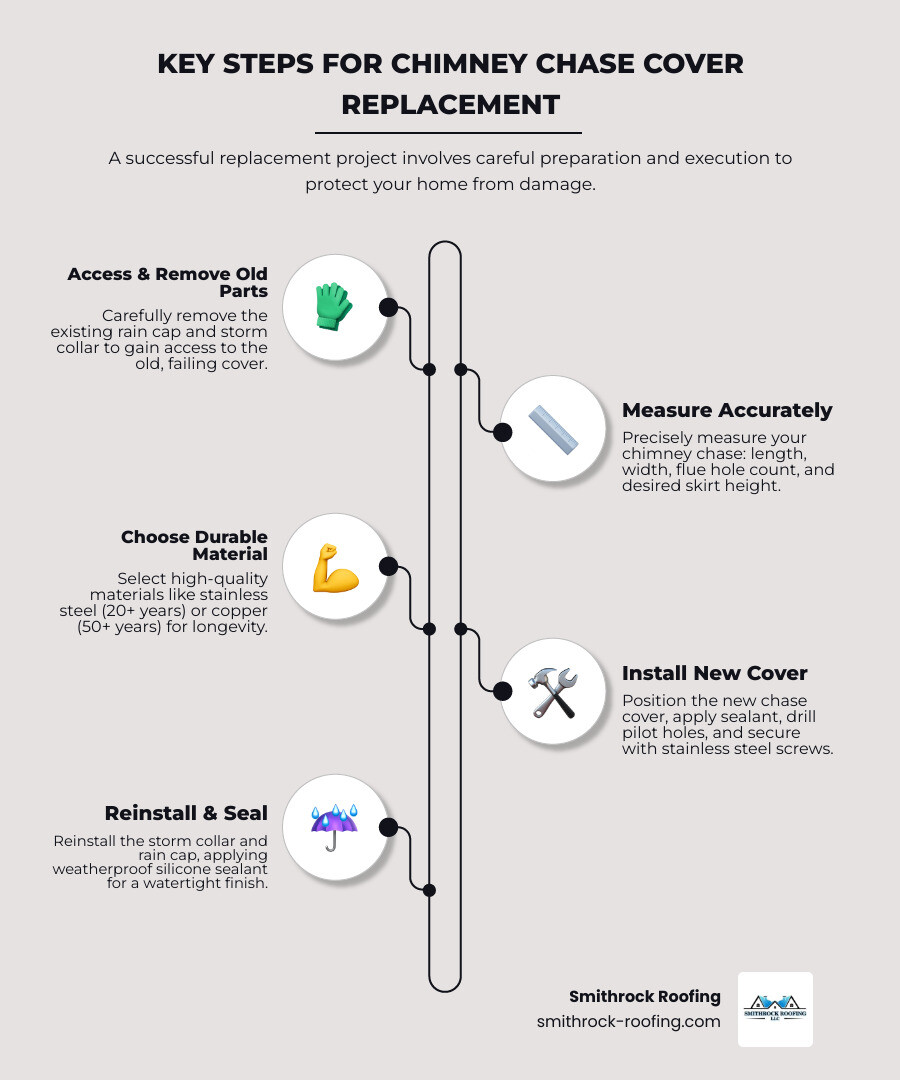
The process generally involves these key steps:
- Careful Removal: The existing chimney cap and storm collar are removed to expose the failing chase cover and its fasteners.
- Precise Measurement: The chimney chase is meticulously measured for length, width, flue pipe locations and diameters, and the appropriate skirt height.
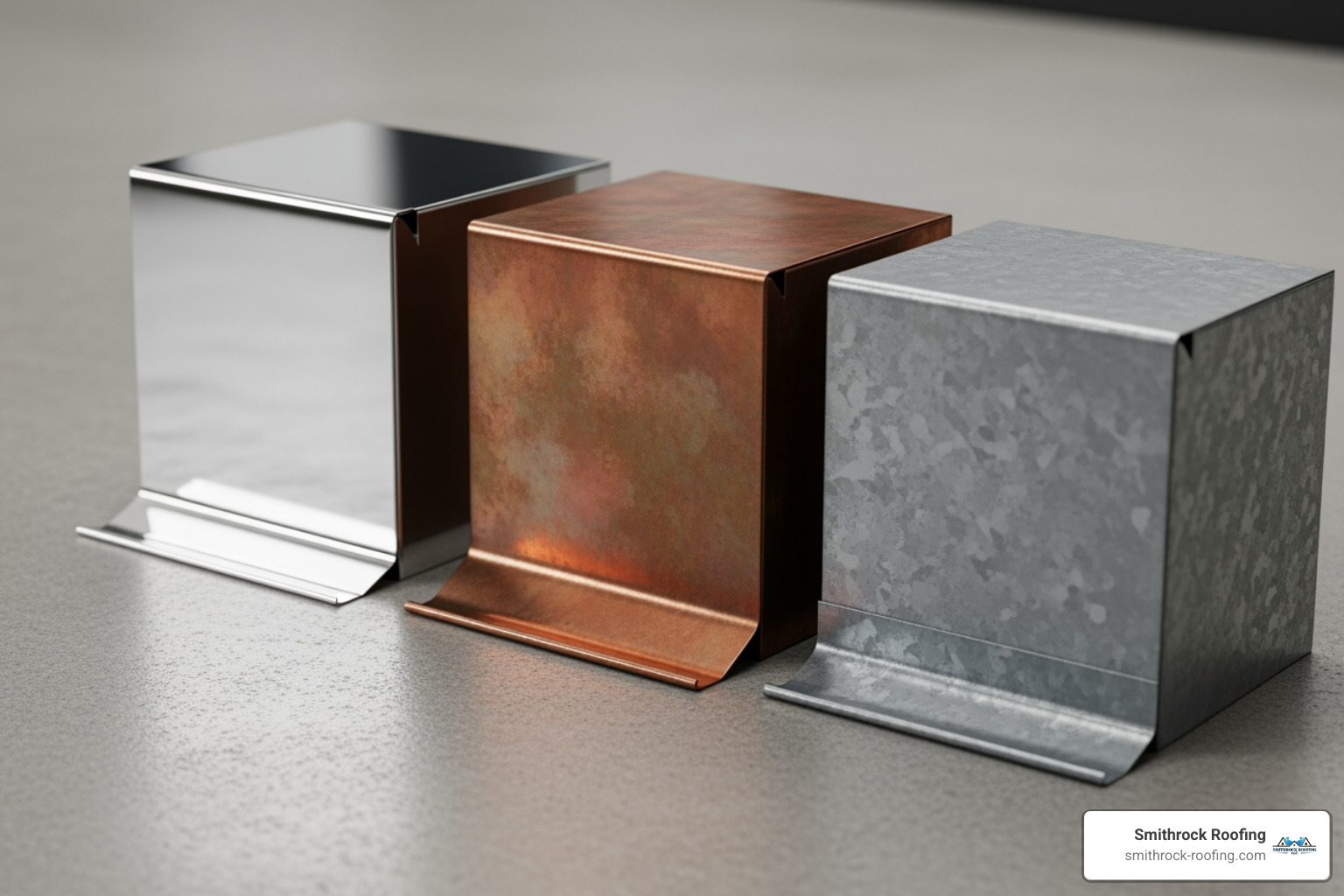
- Material Selection: A durable, long-lasting material is chosen. Options range from standard galvanized steel (5-10 year lifespan) to superior stainless steel (20+ years) or premium copper (50+ years).
- Professional Installation: The new, custom-fabricated cover is installed with a continuous bead of weatherproof sealant, secured with rust-proof stainless steel screws, and properly integrated with the chimney structure.
- Final Sealing: The storm collar and chimney cap are reinstalled and sealed with high-grade silicone to ensure a completely watertight system.
The stakes are incredibly high. A compromised chase cover acts like a funnel, directing rainwater directly into the chimney chase—the vulnerable wooden framework that encloses your metal flue pipes. Once this moisture penetrates the structure, it initiates a destructive chain reaction. The wood begins to rot, weakening the entire chimney assembly. This damp, dark environment becomes a perfect breeding ground for toxic mold, which can compromise your home’s air quality. Water can travel further, staining ceilings and walls, ruining insulation, and leading to thousands of dollars in interior repairs. In the worst-case scenario, moisture can corrode the firebox or flue, creating a pathway for deadly carbon monoxide to leak into your home.
Unfortunately, most factory-built chimneys are originally fitted with low-cost, builder-grade galvanized steel covers. These are designed to be cheap, not durable, and often begin to rust within a decade, failing completely long before other roofing components. The good news is that a proactive replacement is a straightforward project that can prevent a cascade of expensive and dangerous future problems.
Whether you are an experienced DIYer comfortable with rooftop work or a homeowner weighing the benefits of professional installation, gaining a deep understanding of this vital component is the first step toward protecting your home’s structural integrity and ensuring your family’s safety.

Understanding Your Chimney Chase Cover: What It Is and Why It Matters
Many modern homes, particularly those built in the last 40 years in communities like Winston-Salem, Greensboro, and High Point, feature prefabricated or factory-built chimney systems. Unlike traditional masonry chimneys built brick by brick, these systems consist of a wood-framed structure (the chase) enclosing a metal flue pipe. This design relies on a crucial component for its longevity and safety: the chimney chase cover.
A chimney chase cover is essentially a custom-fabricated metal lid or “hat” that sits atop the entire chimney chase structure. Its function is analogous to the concrete crown on a masonry chimney, but it is specifically designed for a wood-framed chase. It seals the large top opening, preventing any form of intrusion from the outside world. It is your home’s absolute first line of defense against the elements, and its integrity is paramount.
The primary purpose of a chase cover is to manage water. It is engineered to shed rain, snow, and melting ice away from the chimney structure. Without a properly functioning cover, water would pour directly into the wooden chase, leading to catastrophic damage to the chimney itself, the attic, ceilings, and interior walls. Beyond water, the cover serves as a physical barrier against debris. Falling leaves, twigs, and pine needles can accumulate inside an unprotected chase, creating a tinderbox that poses a serious fire hazard. It also performs a vital pest control function, blocking squirrels, raccoons, birds, and other animals from building nests inside your chimney. These nests can cause dangerous flue blockages, leading to smoke or carbon monoxide backdraft, and the animals themselves can cause significant damage to the chimney’s interior components.
It’s critical to distinguish between a chimney chase cover and a chimney cap. Think of it this way: the chase cover is the roof of the chimney’s “house” (the chase), while the chimney cap is the hat on the chimney’s “smokestack” (the flue pipe). The chase cover is the large, flat or sloped metal pan covering the entire wooden structure. The chimney cap is the smaller, often round or square, device that attaches to the top of the individual flue pipe(s) that extend through the cover. Both work in tandem to create a complete protective system. For more information on protecting your flue opening, explore our insights into the Best Types of Chimney Caps.
Telltale Signs You Need a New Chase Cover
How can you tell if your chase cover is failing? Being proactive and performing annual inspections can save you from immense expense and stress. Here are the most common indicators we observe in homes throughout Kernersville, Mt. Airy, and Clemmons:
- Rust Stains: This is the most obvious and common sign. Long, reddish-brown streaks running down your chimney siding, and sometimes onto the roof, are a clear indication that a galvanized steel cover is corroding. The zinc coating has worn away, exposing the steel beneath to moisture and causing it to rust and bleed down the structure.
- Water Pooling or Sagging: A properly designed chase cover has a slight slope or a “cross break” (diagonal creases) to actively shed water. If you see water standing or pooling on the surface, it’s a major red flag. This usually means the metal is too thin or improperly supported, causing it to sag in the middle. This standing water will accelerate corrosion and eventually find a way to leak through seams or fasteners.
- Visible Holes, Pitting, or Cracks: As rust progresses, it will eat through the metal, creating pinholes that grow into larger perforations. Even a tiny hole is a direct conduit for water into the chase. Cracks can also form along bends or seams due to stress from thermal expansion and contraction over many seasons.
- Loose, Bent, or Rattling Cover: If your chase cover is rattling in the wind or appears bent or lifted at the edges, its seal has been broken. This is often caused by failed fasteners or wind uplift. A loose cover cannot prevent wind-driven rain from being forced underneath its edges and into the chase.
- Attic Leaks or Interior Water Stains: Water stains on the ceiling or walls near your fireplace, or dampness and water marks on the framing in your attic around the chimney chase, are definitive proof of a water leak. The chase cover is one of the most common culprits for these types of leaks.
- Damaged, Dark, or Soft Interior Wood: If you can safely access the inside of the chase (often through an attic access panel), check the wood framing. Any wood that appears dark, feels soft or spongy to the touch, or easily crumbles is suffering from wood rot caused by chronic moisture exposure.
- Mold or Mildew Growth: A persistent musty smell emanating from your fireplace or attic is a strong indicator of mold or mildew. The dark, damp interior of a leaking chimney chase is an ideal environment for fungal growth, which can pose serious health risks to your family.
Discovering any of these signs should prompt immediate action. Neglecting a failing chase cover is a surefire way to turn a relatively simple and affordable replacement into a complex and expensive structural repair project.
Preparing for Replacement: Materials and Measurements
Once you’ve determined that a replacement is necessary, the next phase involves two critical decisions: selecting the right material and taking perfectly accurate measurements. The longevity and effectiveness of your new chimney chase cover depend entirely on getting these two steps right.

The material you choose for your chase cover will directly dictate its lifespan, durability, and aesthetic. While many older homes in areas like Pilot Mountain and Walnut Cove may have failing galvanized steel covers, we strongly advocate for upgrading to a more robust, long-term solution.
- Galvanized Steel: This is the most common material for builder-grade covers because it is inexpensive. It’s a steel sheet coated with a thin layer of zinc to prevent rust. However, this zinc coating is sacrificial; it wears away over time due to exposure to rain and UV rays. Once the steel is exposed, rust is inevitable. Typically made from thin 26 or 24-gauge metal, these covers have a short lifespan of just 5-10 years before they begin to rust and leak.
- Stainless Steel: Offering the best combination of value, durability, and performance, stainless steel is our most recommended material. It is an iron alloy containing a minimum of 10.5% chromium. The chromium reacts with oxygen to form a passive, invisible protective layer that resists corrosion. Even if scratched, this layer instantly reforms. For most applications, 24-gauge or 22-gauge 304-grade stainless steel is the standard, providing a clean look and a lifespan of 20+ years. For coastal areas with salt spray, upgrading to 316-grade stainless steel offers superior corrosion resistance.
- Copper: For homeowners seeking ultimate longevity and a premium, elegant aesthetic, copper is the top-tier choice. It is exceptionally resistant to corrosion and will never rust. Instead, it develops a beautiful and protective patina over time, transitioning from a shiny penny color to a deep brown and eventually to its distinctive green. A properly fabricated 16 oz. or 20 oz. copper chase cover can easily last 50 years or more, often for the life of the home.
- Aluminum: While naturally rust-proof and lightweight, aluminum is a less common choice for chase covers. It’s softer than steel and more susceptible to denting from hail or damage during installation. While it has a respectable lifespan of 15-20 years, its finish can become dull and pitted over time. It’s a viable option but is generally outperformed by stainless steel in terms of strength and long-term appearance.
Here’s a quick comparison:
| Material | Lifespan | Rust Resistance | Key Considerations |
|---|
| Galvanized Steel | 5-10 years | Low | Inexpensive but a short-term fix; will rust. |
| Aluminum | 15-20 years | High | Lightweight, rust-proof, but soft and prone to denting. |
| Stainless Steel | 20+ years | High | Best value; strong, durable, and maintains a clean look. |
| Copper | 50+ years | Very High | Premium choice; beautiful patina, lasts a lifetime. |
When we install a new chase cover for clients in Bethania or Advance, we almost exclusively use professional-grade stainless steel or copper. These materials represent a “one-time fix” that often comes with a lifetime warranty against corrosion, providing homeowners with decades of peace of mind. For additional background on these metals, see Stainless steel and Galvanization.
How to Accurately Measure for a Replacement Chimney Chase Cover
Since nearly all high-quality chase covers are custom-fabricated, accurate measurements are non-negotiable. An error of even a quarter of an inch can result in a poor fit that compromises the seal. Use a reliable tape measure and record your measurements carefully.
- Measure Chase Length and Width: Measure the outside dimensions of the wooden chase at the very top. Measure from corner to corner for both length and width. It’s wise to measure both sides and the middle, as chases are not always perfectly square. Use the largest measurement to ensure the cover will fit over any irregularities.
- Count the Flue Holes: Note the number of flue pipes that pass through the cover. Most have one, but some larger fireplaces or multiple appliances may have two or more.
- Measure Flue Diameter: For each round flue pipe, measure its outside diameter. This ensures the hole in the new cover will be large enough for the pipe to pass through but small enough for the storm collar to cover the gap.
- Measure Flue Location: This is the most critical measurement. For each flue, measure from the center of the pipe to the two nearest outside edges of the chase. For example, “12 inches from the left edge and 18 inches from the front edge.” This pinpoints the exact location for the hole on the new cover.
- Determine Skirt Height: The skirt is the vertical flange on the sides of the cover that hangs down over the chase siding. A 3-inch skirt is standard and sufficient for most applications. However, if your chimney has uneven siding or specific flashing details, you may need a taller or shorter skirt to ensure proper coverage and a clean look.
- Specify Key Features: Always request a cover with a cross break and a drip edge. The cross break is a set of diagonal creases that add rigidity and create a slight slope to prevent water from pooling. The drip edge is a small hem at the bottom of the skirt that kicks water away from the chimney siding, preventing stains and water intrusion.
Taking these precise measurements is the blueprint for a successful replacement. If you have any doubt, it’s always best to have a professional take the measurements to guarantee a perfect fit.
How to Replace a Chimney Chase Cover: A Step-by-Step Guide
Replacing a chimney chase cover is a project that demands precision, the right materials, and an unwavering commitment to safety. While it can be a rewarding DIY project for individuals with proven roofing and construction experience, we strongly encourage homeowners to opt for professional installation if they are not completely comfortable and equipped for working at heights.

Preparation is key. Gathering all your tools and supplies before you ascend the ladder will make the job safer, smoother, and more efficient.
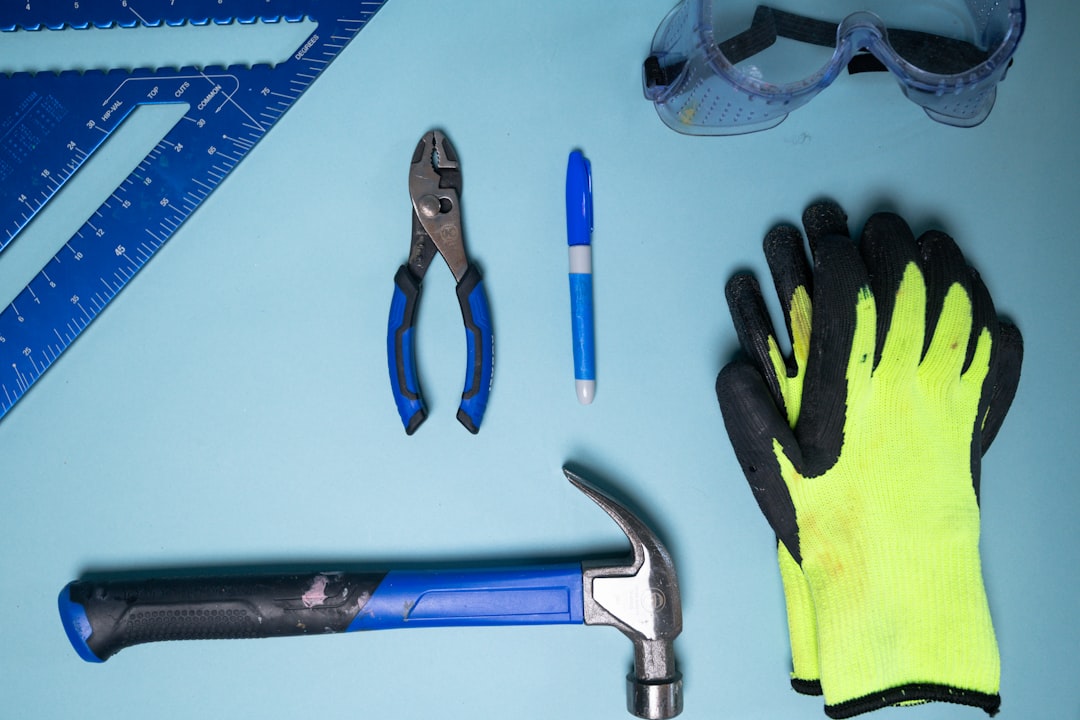
Necessary Tools:
- Sturdy Ladder
- Hammer and Pry Bar (for removing old nails)
- Cordless Drill/Driver with appropriate bits
- Metal-Cutting Drill Bit (1/8″ or similar for pilot holes)
- Utility Knife with fresh blades
- Caulk Gun
- Tin Snips or Angle Grinder (for stubborn collars or modifications)
- Tape Measure
- Work Gloves and Safety Glasses
Required Supplies:
- New Custom-Fabricated Chimney Chase Cover
- High-Quality, High-Temperature Weatherproof Silicone Sealant (100% silicone is best)
- Stainless Steel Screws with integrated neoprene washers for a better seal (#8 or #10, 1.5″ to 2.5″ long, hex head is ideal)
Rooftop Safety First!
Working on a roof is inherently dangerous. Your safety is the absolute top priority. Never cut corners on safety protocols.
- Ladder Safety: Ensure your ladder is on stable, level ground and extends at least 3 feet above the roofline for a safe transition. Secure it at the top if possible.
- Fall Protection: For any roof with a noticeable pitch, a personal fall arrest system (harness, lanyard, and anchor point) is non-negotiable. A fall from even a single-story roof can be fatal.
- Proper Footwear: Wear soft-soled, non-skid work boots that provide excellent grip.
- Favorable Weather: Only perform this work on a clear, dry day with minimal wind. Roofs can be incredibly slippery when damp.
- Work with a Partner: Never work on a roof alone. A partner can provide assistance, act as a spotter, and call for help in an emergency.
Step-by-Step Instructions to Replace Your Chimney Chase Cover
With your tools gathered and safety measures in place, you can begin the replacement. If at any point you feel unsure or unsafe, stop and call a professional.
- Remove the Rain Cap: The rain cap is attached to the top of the flue pipe with screws or a compression band. Carefully unscrew it and set it aside, keeping the fasteners for reinstallation.
- Remove the Storm Collar: The storm collar is the metal ring that seals the gap between the flue pipe and the chase cover. Carefully cut away the old, hardened silicone sealant at the top of the collar. Pry it open and slide it up and off the flue pipe. If it’s in good condition (not bent or rusted), you can reuse it. Otherwise, you may need tin snips to cut it off.
- Remove the Old Cover: The old cover is typically fastened to the side of the chase with nails or screws. Use a pry bar or drill to remove them. Be careful not to damage the siding. Once all fasteners are out, lift the old cover straight up and off the flue pipe(s).
- Thoroughly Inspect the Chase: This is a critical step. With the cover removed, inspect the exposed wooden structure. Probe the wood with a screwdriver for soft, rotten spots. Look for dark water stains or visible mold/mildew. Any damaged wood must be repaired or replaced before proceeding. Covering up rot will only allow it to get worse.
- Clean and Prepare the Surface: Scrape away all old sealant, remove any remaining nails, and sweep the top of the chase clean of all debris, dirt, and rust flakes. The new sealant needs a clean, dry surface to adhere to properly.
- Dry-Fit the New Cover: Before applying any sealant, carefully place the new cover onto the chase. Ensure it sits flush, the skirt is straight, and the flue pipe(s) pass through the holes without binding. This test fit confirms your measurements were correct.
- Apply Sealant: Remove the cover. Apply a continuous, generous bead (1/4″ to 3/8″ thick) of high-temperature silicone sealant around the entire top edge of the wooden chase. Do not leave any gaps, as even a small one can become a leak point.
- Install the New Cover: Carefully lower the new cover back onto the chase, pressing it down firmly into the bead of sealant. This creates the primary watertight seal.
- Drill Pilot Holes: Important: Drill pilot holes through the vertical skirt of the cover into the wooden chase, not through the top flat surface. Drilling through the top creates a potential leak point. Drill 2-3 evenly spaced holes on each side.
- Secure with Screws: Fasten the cover to the chase using the stainless steel screws. The neoprene washers will create a seal against the skirt. Tighten until snug, but do not over-tighten, as this can strip the wood or dent the metal skirt.
- Reinstall the Storm Collar: Slide the storm collar back down the flue pipe until it rests firmly on the new chase cover. It should fit snugly.
- Seal the Storm Collar: Apply a thick bead of silicone to the joint where the top of the storm collar meets the flue pipe. Use a gloved finger or a caulk tool to smooth the bead, ensuring it creates a seamless, watertight seal that will shed water down onto the chase cover.
- Reinstall the Rain Cap: Place the rain cap back on top of the flue pipe and secure it with its original screws.
Congratulations on a job well done! For those who prefer visual learning, many online resources offer video guides. However, for a guaranteed professional result and peace of mind, it’s always best to contact an expert.
The Cost of Neglect and The Value of Professional Installation
We’ve seen it countless times in homes across King, Trinity, and Tobaccoville: a small, rusty spot on a chimney chase cover, ignored for a season or two, blossoms into a major structural problem. The initial cost of a proactive replacement is a fraction of the expense required to remediate the damage caused by long-term neglect.
The High Price of a Failing Cover
When a chase cover fails, it allows water to infiltrate the core of your chimney structure and, eventually, your home. This is not a minor inconvenience; it’s a progressive threat that can lead to a cascade of costly and dangerous issues.
- Extensive Water Damage Repair: Leaks from a chimney can travel, causing unsightly brown stains on ceilings and walls, causing paint to bubble and peel, and saturating drywall and insulation. Repairing this interior damage can easily run into thousands of dollars.
- Structural Rot and Chimney Instability: The wooden framing of the chase is the most vulnerable component. Chronic moisture exposure leads to wood rot, which compromises the structural integrity of the entire chimney assembly. What starts as a small leak can lead to a situation where the entire chimney chase needs to be rebuilt—a major construction project.
- Hazardous Mold Remediation: The dark, damp, and unventilated space inside a leaking chimney chase is a perfect incubator for mold. Once established, mold can release spores into your home’s air, posing health risks to your family. Professional mold remediation is a specialized and expensive process.
- Firebox and Flue Deterioration: In severe cases, water can run down the chase and into the factory-built firebox itself. This can cause rust and corrosion that compromises the firebox’s integrity, creating a severe fire hazard by allowing heat and embers to escape into the surrounding combustible framework.
- Carbon Monoxide Risk: This is the most serious and life-threatening consequence. A flue system or firebox damaged by water can impair the proper venting of combustion gases. This can lead to a buildup of deadly, odorless carbon monoxide inside your home.
Long-Term Savings and the Return on Investment
Investing in a high-quality, professionally installed chimney chase cover—particularly one made of stainless steel or copper—is one of the smartest long-term investments you can make in your home’s health.
- Avoidance of Catastrophic Repair Bills: The primary ROI is the thousands, or even tens of thousands, of dollars in repairs you will avoid by preventing water damage, rot, and mold.
- Improved Energy Efficiency: A compromised chase cover, along with a damaged cap, can create drafts that pull conditioned air out of your home. A new, properly sealed system helps maintain your home’s energy efficiency.
- Enhanced Curb Appeal and Home Value: A rusty, stained chimney is an eyesore. Replacing it with a clean stainless steel or a beautiful copper cover instantly boosts your home’s curb appeal and can be a positive selling point for potential buyers.
- Complete Peace of Mind: Knowing that the highest point of your home is sealed, secure, and protected from water intrusion, pests, and safety hazards provides an invaluable sense of security.
DIY Project Assessment vs. Professional Installation
We understand the appeal of tackling a home improvement project yourself. However, replacing a chimney chase cover is a job with little room for error.
- DIY Project Assessment: A DIY replacement should only be considered if you can confidently say “yes” to all of the following: Do you have extensive experience working safely on a roof? Are you equipped with the proper safety gear, including a harness? Are you meticulous with measurements and capable of identifying and repairing potential wood rot? Are you confident in your ability to create a 100% watertight seal?
The Risks of Improper DIY: The potential downsides are significant. The most immediate risk is a fall, which can result in serious injury. An improper installation that fails to create a perfect seal will lead to continued leaks, meaning your time and money were wasted. Worse, you may fail to identify underlying structural damage that a professional would spot, leading to bigger problems down the road.
The Benefits of Professional Installation: This is where Smithrock Roofing provides immense value to homeowners in Danbury, Rural Hall, and Pinnacle.
- Guaranteed Watertight Seal: Our experienced technicians have the training and materials to ensure a perfect, durable, and watertight installation, backed by our workmanship warranty.
- Expert Damage Assessment: We don’t just replace the cover. We perform a thorough inspection of the entire chimney system, from the chase structure to the flue and cap, identifying any existing or potential issues.
- Access to Quality Materials and Fabrication: We have established relationships with the best fabricators, ensuring your cover is made from high-grade materials to precise specifications.
- Safety and Efficiency: Our team is fully insured and equipped with the latest safety gear, completing the job efficiently and correctly the first time.
For an expert assessment and professional installation that guarantees the long-term protection of your home, contact our team at Smithrock Roofing. Learn more at our Chimney Chase Cover Installation page.
Frequently Asked Questions about Chimney Chase Cover Replacement
We often get excellent questions from homeowners in East Bend, Wallburg, and Union Cross about their chimney chase covers. Here are detailed answers to some of the most common inquiries we receive.
How often should I inspect my chimney chase cover?
We strongly recommend a visual inspection of your chase cover at least once a year. The ideal time to do this is during your annual roof maintenance check or professional chimney sweeping. From the ground, you can often spot obvious rust stains. From the roof (if done safely), you can look more closely for the key signs of failure discussed earlier: rust, pitting, pooling water, a loose fit, or cracked and failing sealant around the storm collar. Early detection is the best way to prevent a small issue from becoming an expensive structural problem.
What’s the difference between a chimney chase cover and a chimney cap?
This is a very common point of confusion. The two components work together but have distinct jobs:
- A chimney chase cover is the large metal pan that covers the entire top opening of your prefabricated chimney chase (the wooden box structure). Its primary job is to protect the structure of the chimney from rain, snow, and pests.
- A chimney cap is the smaller cover that sits directly on top of the metal flue pipe that extends through the chase cover. Its job is to protect the interior of the flue from rain, debris, and animals.
Think of the chase cover as the roof of the chimney house, and the cap as the hat on the smokestack. Both are vital for a healthy, safe, and long-lasting chimney system. To learn more about options for protecting your flues, check out our guide on the Best Types of Chimney Caps.
Can I just repair my old chase cover instead of replacing it?
In most cases, attempting to repair a failing chase cover is not a good long-term solution. If your cover is made of galvanized steel and is showing signs of rust, the protective zinc coating has failed. Patching a hole or painting over the rust is merely a temporary band-aid; the metal will continue to corrode from underneath, and new leaks will inevitably form. The only permanent solution for a rusted galvanized cover is a full replacement with a superior material like stainless steel or copper.
What is the average cost to replace a chimney chase cover?
The cost can vary significantly based on several factors: the size of your chimney, the material you choose, the complexity of the job (e.g., number of flue holes), and your geographic location. A small, standard-sized stainless steel cover might cost a few hundred dollars for the part itself, while a large, multi-flue copper cover could be well over a thousand dollars. Professional installation typically adds several hundred dollars to the total cost, covering labor, sealant, fasteners, and a thorough inspection. While DIY may seem cheaper, the cost of a failed installation or missed structural damage far outweighs the savings. It’s best to get a detailed quote from a qualified professional.
Can I paint my new chimney chase cover?
Generally, painting a new, high-quality chase cover is unnecessary and often not recommended.
- Stainless Steel: Painting is not needed for protection. The appeal of stainless steel is its clean, corrosion-resistant finish. Paint will likely chip and peel over time due to sun and heat exposure, creating a maintenance headache and detracting from its appearance.
- Copper: Absolutely do not paint copper. This would prevent the natural, beautiful, and protective patina from forming, which is the primary reason homeowners choose this premium material.
- Galvanized Steel: If you must install another galvanized cover (which we advise against), painting it with a high-temperature, rust-inhibiting metal paint can extend its life slightly. However, this is a temporary measure, as the underlying metal will eventually rust as the paint and zinc coating fail.
Conclusion: Secure Your Home with a Quality Chase Cover
Your chimney chase cover is a small component with a monumental task: to serve as the primary guardian of your chimney system and, by extension, your entire home. It stands on constant duty, deflecting the damaging effects of water, blocking debris, and preventing pests from taking up residence. Ignoring a failing, rusted, or leaking chase cover is a gamble that can lead to a cascade of costly repairs, from rotted structural framing and interior water damage to hazardous mold growth and even life-threatening carbon monoxide leaks.
By understanding the critical role a chase cover plays, learning to recognize the telltale signs of failure, and choosing a durable, long-lasting material like stainless steel or copper, you are making a wise and proactive investment in your home’s health and safety. While a DIY replacement may seem feasible for the highly experienced, the critical importance of precise measurements, a flawless watertight seal, and the ability to safely work at heights often makes professional installation the most prudent and reliable choice.
At Smithrock Roofing, we are dedicated to ensuring every home in Winston-Salem, Greensboro, King, and our surrounding service areas is protected from the top down. Our deep expertise in both roofing and chimney systems means we can provide a comprehensive solution, delivering a high-quality chase cover replacement that will safeguard your home and provide peace of mind for decades to come. Don’t wait for a small rust stain to become a major disaster.
Contact us for your chimney needs today, and let our team of experts help you secure your home with a professionally installed, top-quality chimney chase cover.