Well insulated windows are a smart investment, creating a thermal barrier that keeps heat inside during winter and out during summer. This dramatically reduces energy bills while improving home comfort. Key features include:
If you have drafty rooms and high heating bills, your windows are likely the culprit. Old single-pane windows, and even older double-pane windows without modern coatings, lose tremendous amounts of heat. The difference is striking: when it’s 0°F outside, a standard double-pane window’s interior surface is about 44°F. A high-performance insulated window’s surface is 56°F. That 12-degree difference means you feel comfortable near your windows without cranking up the thermostat.
Beyond comfort, ENERGY STAR-qualified windows can cut utility bills by 6% to 13% annually. They also protect furniture from UV damage, reduce noise, and increase your home’s resale value. Understanding the advanced technology in modern windows helps you make the right choice for your home and climate.
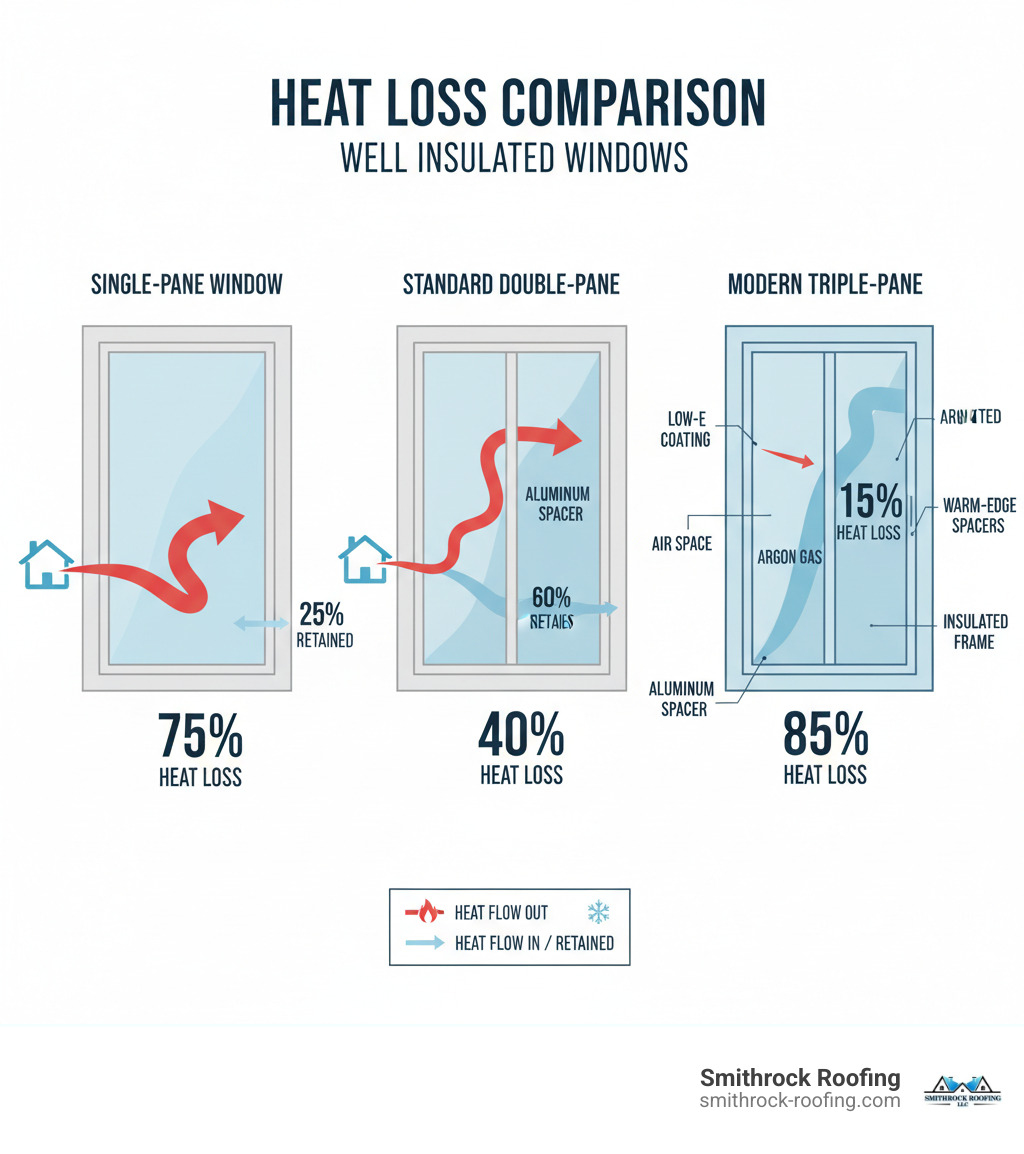
Upgrading to modern well insulated windows fundamentally changes how your home feels, performs, and saves you money. The first thing you’ll notice is a dramatic improvement in comfort. Annoying cold drafts and the icy chill you feel near old windows disappear. By creating a proper seal, these windows ensure the warm air you pay to heat stays inside, leading to a consistent indoor temperature throughout your home. Your heating system can finally work efficiently instead of running constantly to compensate for heat loss.
This improved efficiency leads directly to lower utility bills. According to ENERGY STAR, homeowners who upgrade to certified windows typically save between 6% and 13% on their annual energy bills. This means money back in your pocket every month and a reduced carbon footprint.
The benefits extend beyond temperature control. Modern well insulated windows are also effective at noise reduction. The multiple panes of glass and inert gas fills create a sound barrier that dampens outside noise from busy streets or neighbors. Furthermore, advanced Low-E coatings block harmful UV rays that fade hardwood floors, carpets, and furniture, acting as sunscreen for your home’s interior.
Finally, upgraded windows significantly improve your home’s value. Energy-efficient features make a strong impression on potential buyers, signaling a well-maintained home with lower operating costs. For more information about comprehensive home improvements, check out our page on Energy Efficient Upgrades.
In winter, your windows are either your home’s best defense or its weakest link. Poorly insulated windows hemorrhage heat, forcing your heating system into overdrive. Well insulated windows excel at heat retention by creating multiple barriers between the warm interior and the freezing exterior.
This prevents radiant heat loss, where heat radiates away from your body toward a cold glass surface, making you feel chilly even in a warm room. As mentioned, a high-performance window maintains a much warmer interior surface temperature (around 56°F vs. 44°F when it’s 0°F outside), which is the key to feeling comfortable.
Condensation is another problem solved by insulated windows. When warm, humid indoor air hits a cold window, moisture forms, which can lead to water damage and mold growth on sills and frames. Well insulated windows keep the interior glass surface warmer, preventing condensation from forming and protecting your home from moisture-related health and structural issues.
While there’s an upfront cost, upgrading to well insulated windows is an investment that pays you back over time. The most measurable benefit is reduced energy consumption. The 6% to 13% savings on annual utility bills from ENERGY STAR-certified windows add up significantly over the 20 to 30-year lifespan of quality windows. To get a better sense of what this investment looks like, visit our Cost to Replace Windows page.
Beyond utility savings, there’s increased property resale value. Today’s homebuyers are savvy about energy efficiency and see modern windows as a compelling selling point.
However, the statistics don’t fully capture the comfort gains. You can use every room comfortably, year-round. A reading nook by a window becomes a pleasant spot, not a drafty corner. The superior sound insulation also creates a noticeably quieter and more peaceful indoor environment. These daily quality-of-life improvements are an investment that pays dividends every single day.
A modern insulated window is a sophisticated system where multiple components work in harmony to create an exceptional thermal barrier. Understanding how glass panes, coatings, gas fills, frames, and spacers contribute to whole-window performance is key to choosing a truly energy-efficient product for your home in the Piedmont Triad. For a more technical look, the High-Performance Window System | Building America Solution Center offers valuable insights.
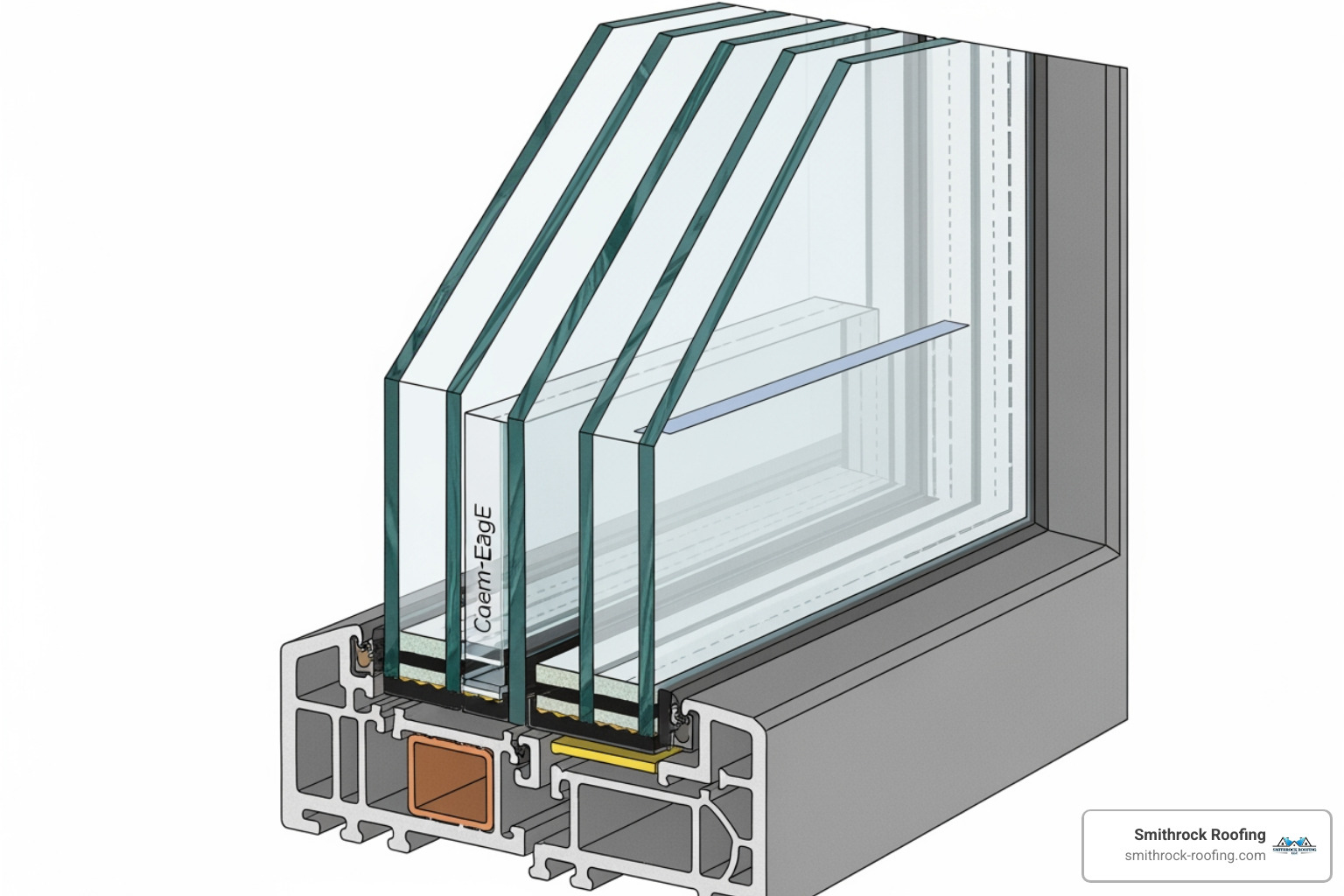
The foundation of a modern well insulated window is its multi-pane construction. Single-pane windows offer almost no insulation. Today’s standard is double-pane or triple-pane.
Double-pane windows have two panes of glass separated by an insulating air space, typically filled with an inert gas like argon. This slows heat transfer significantly, making them a great choice for many homes in North Carolina, balancing performance and cost.
Triple-pane windows add a third layer of glass and a second insulating space, providing the ultimate thermal barrier. These windows often have a U-factor of 0.20 or lower, making them ideal for very cold climates or for homeowners prioritizing maximum energy savings and sound reduction. While heavier and more expensive, the investment can pay off in comfort and long-term savings.
| Feature | Double-Pane Windows | Triple-Pane Windows |
|---|---|---|
| Insulation (U-Factor) | Good (lower U-Factor than single-pane) | Excellent (significantly lower U-Factor, often <0.20) |
| Sound Reduction | Good (better than single-pane) | Excellent (superior dampening of outside noise) |
| Cost | More affordable | Higher initial investment |
| Weight | Standard | Heavier, potentially requiring more robust frames/installation |
| Ideal Climate | Mixed climates, good for most NC homes | Very cold climates, high-performance homes in NC |
If you’re curious to dive deeper into triple-pane technology and whether it’s right for your home, our guide to triple-pane glass offers comprehensive information.
Low-Emissivity (Low-E) coatings are invisible, microscopic metallic layers applied to the glass that are essential for modern well insulated windows. They act as intelligent heat filters. In winter, Low-E coatings reflect your home’s radiant heat back into the room. In summer, they block solar heat from entering your home, reducing the load on your air conditioner.
This dual-action capability can reduce energy loss by 30% to 50%—a game-changer for your utility bills. Low-E glass also filters out harmful UV rays that fade floors, furniture, and curtains, all while remaining virtually invisible and allowing natural light. To explore the various glass technologies available, including different Low-E options, visit our page on glazing options.
The space between glass panes in high-performance well insulated windows is filled with a dense, non-toxic, inert gas like argon or krypton. Because these gases are denser than air, they slow the movement of heat between the panes, reducing both convection and conduction.
Argon is the industry standard, offering excellent insulation at an affordable price. It is highly effective in the half-inch air spaces common in double-pane windows.
Krypton is even denser and a slightly better insulator, making it ideal for the thinner air gaps found in some triple-pane designs. While more expensive, it maximizes thermal performance. These gas fills are crucial for creating the thermal barrier that keeps homes in our North Carolina service area comfortable year-round. Learn more about how these technologies contribute to optimal performance on our Best Windows for Insulation page.
A window’s frame is just as important as its glass. The frame material must resist heat transfer and withstand our diverse North Carolina climate.

Choosing the right frame material is crucial for the longevity and performance of your well insulated windows. Each material brings unique characteristics to the table, and understanding them helps you make the best decision for your specific needs and preferences. For more detailed information about various frame options, visit our page on window frame types.
Two often-overlooked components are critical for performance: spacers and seals.
Warm-edge spacers, made from less conductive materials like structural foam, separate the glass panes. They replace older, highly conductive aluminum spacers, dramatically reducing heat transfer at the edge of the glass. This small change improves the window’s U-factor, minimizes condensation, and contributes to overall comfort. For more technical details about different spacer technologies, check out more information on spacer types.
A window’s sealing system, or weather stripping, prevents air leakage where the sash meets the frame. High-performance well insulated windows employ advanced sealing technologies, often including triple weather stripping to create a formidable barrier against drafts. This keeps conditioned air in and protects your home from water intrusion. These components ensure your window performs as a cohesive, energy-efficient system.
Shopping for new windows can feel overwhelming due to technical jargon and competing claims. Thankfully, standardized tools and certifications exist to help you make smart, informed decisions about your well insulated windows. Learning to read these labels is your roadmap to finding windows that will perform in your North Carolina home. For comprehensive guidance on selecting the right products for your home, explore our Replacement Windows for Homes page.
The National Fenestration Rating Council (NFRC) label is your window’s report card, providing objective, third-party verified performance data. Two numbers are most important:
Other ratings include Visible Transmittance (VT) for natural light (higher is better) and Air Leakage (AL) for drafts (lower is better). Some labels also include a Condensation Resistance (CR) rating on a scale of 0 to 100, where higher numbers indicate the window is less likely to develop condensation on cold days.
Always compare whole-window U-Factors, not just center-of-glass values, for a complete performance picture. You can research specific products and their ratings through the Product Ratings from the NFRC resources available online.
When you spot that familiar blue ENERGY STAR® logo on a window, you can breathe a sigh of relief. This EPA-backed certification means the window has met rigorous energy efficiency standards through independent testing and verification. It’s essentially the government’s stamp of approval that yes, this window will actually save you money and improve your home’s comfort.

What makes ENERGY STAR particularly valuable is that its requirements vary by climate zone. North Carolina falls into either the South-Central or Southeast region depending on your specific location, which means ENERGY STAR windows certified for our area are optimized for our mixed-humid climate. Homeowners who upgrade to ENERGY STAR-qualified windows typically see their utility bills drop by 6% to 13% annually.
For those seeking the absolute pinnacle of window performance, look for the “ENERGY STAR Most Efficient” designation. These windows represent the top tier, the best of the best, delivering even greater energy savings.
These top-tier windows may also qualify for federal tax credits. Through December 31, 2032, homeowners who purchase ENERGY STAR Most Efficient windows can claim a tax credit worth 30% of the cost, up to $600. This is a fantastic opportunity to offset your investment while upgrading to superior well insulated windows. You can learn more about these savings through the Federal Tax Credit for Windows & Skylights program. For deeper insights into what makes these windows so efficient, visit our page on What Makes it Energy Star?.
Even the highest-rated well insulated windows will fail to perform if installed incorrectly. Improper installation can slash a window’s efficiency by 50% or more, making professional installation an essential part of your investment.
Our experienced crews at Smithrock Roofing create a carefully sealed system that prevents air and water infiltration, ensuring your new windows perform as engineered. Key aspects of professional installation include:
Furthermore, many manufacturers require professional installation to honor their warranties. A DIY job could void your warranty, leaving you without recourse. Protecting your investment with professional installation ensures your well insulated windows deliver the comfort, savings, and performance you expect. Learn more about our meticulous process on our Window Installation and Replacement page.
Upgrading to well insulated windows is a big decision, and it’s natural to have questions. Here are answers to some of the most common inquiries we receive from homeowners in Winston-Salem, King, Clemmons, and surrounding North Carolina communities.
For cold climates, the single most important feature is a low U-Factor. This number measures how well a window resists heat loss—the lower the number, the better the insulation. A low U-Factor is achieved through a combination of features working together: multiple glass panes (double or triple), Low-E coatings to reflect heat back inside, and inert gas fills like argon or krypton. For North Carolina winters, we recommend a U-Factor of 0.30 or lower to effectively minimize heat loss and keep your home comfortable.
Your exact savings depend on your home’s current windows, overall insulation, and energy habits. However, ENERGY STAR provides a reliable benchmark: homeowners who replace old single-pane windows with certified energy-efficient models typically save between 7% and 15% on their annual energy bills. These savings accumulate month after month, adding up to thousands of dollars over the lifespan of your new well insulated windows. Beyond the financial return, you gain significant improvements in comfort, home value, and protection for your furnishings.
In terms of pure insulation and soundproofing, yes, triple-pane windows are technically superior due to the extra pane of glass and insulating cavity. They are an excellent choice for very cold climates or for homeowners who prioritize maximum noise reduction. However, “better” depends on your specific needs and budget. A high-quality double-pane window with modern features like Low-E coatings and argon gas provides excellent performance and is a massive upgrade over older windows. For many homes in North Carolina’s mixed climate, premium double-pane windows offer the ideal balance of efficiency, comfort, and cost-effectiveness.
As we’ve explored, investing in well insulated windows is one of the most impactful decisions you can make for your home. From our communities in Winston-Salem to Greensboro and all points in between, the benefits are clear: improved comfort, significant energy savings, reduced noise, increased home value, and protection for your interior furnishings. It’s not just about replacing old glass; it’s about upgrading to a total window system where every component – from multiple glass panes and Low-E coatings to gas fills, durable frames, and warm-edge spacers – works together to create a powerful thermal barrier.
Choosing the right features, understanding the NFRC label, and recognizing the ENERGY STAR advantage are all crucial steps in this process. However, the critical role of professional installation cannot be overstated. A perfectly manufactured window will underperform if not carefully sealed and installed correctly.
At Smithrock Roofing, we understand the unique needs of homes in North Carolina. We’re dedicated to providing high-quality window replacement services that deliver lasting comfort and efficiency. We believe in helping our neighbors make informed decisions that benefit their homes and their wallets for years to come. Don’t let another season pass by with inefficient, drafty windows. It’s time to invest in your comfort and your home’s future.
We invite you to explore our high-quality window solutions and learn how we can transform your home. Visit our dedicated page to find more: Explore our high-quality window solutions.
Smithrock Roofing © Copyright 2026 • All Rights Reserved • Privacy Policy • Maintained by Mongoose Digital Marketing