Why Chimney Cap Services Matter for Your Home’s Protection
Chimney cap services are a fundamental aspect of responsible homeownership, providing critical protection for your chimney, fireplace, and overall home structure. Often underestimated, this single component installed at the very top of your chimney acts as the primary guardian against a host of expensive and dangerous problems, including water damage, animal infestations, and potentially catastrophic fire hazards. A properly selected and installed chimney cap is not an optional accessory; it is the first and most important line of defense for your entire chimney system.
For any home with a traditional masonry chimney, the cap is a key player in a complex, interconnected system. It works in concert with the chimney crown (the concrete slab at the top), the flue liner (the channel that vents smoke), and the damper (which seals the fireplace when not in use). As illustrated in general chimney diagrams, such as those found on Wikipedia’s chimney page, each part has a role in safely venting combustion byproducts. A failure in one component, like a missing cap, can trigger a domino effect of damage throughout the entire structure.
The Core Functions of a Chimney Cap:
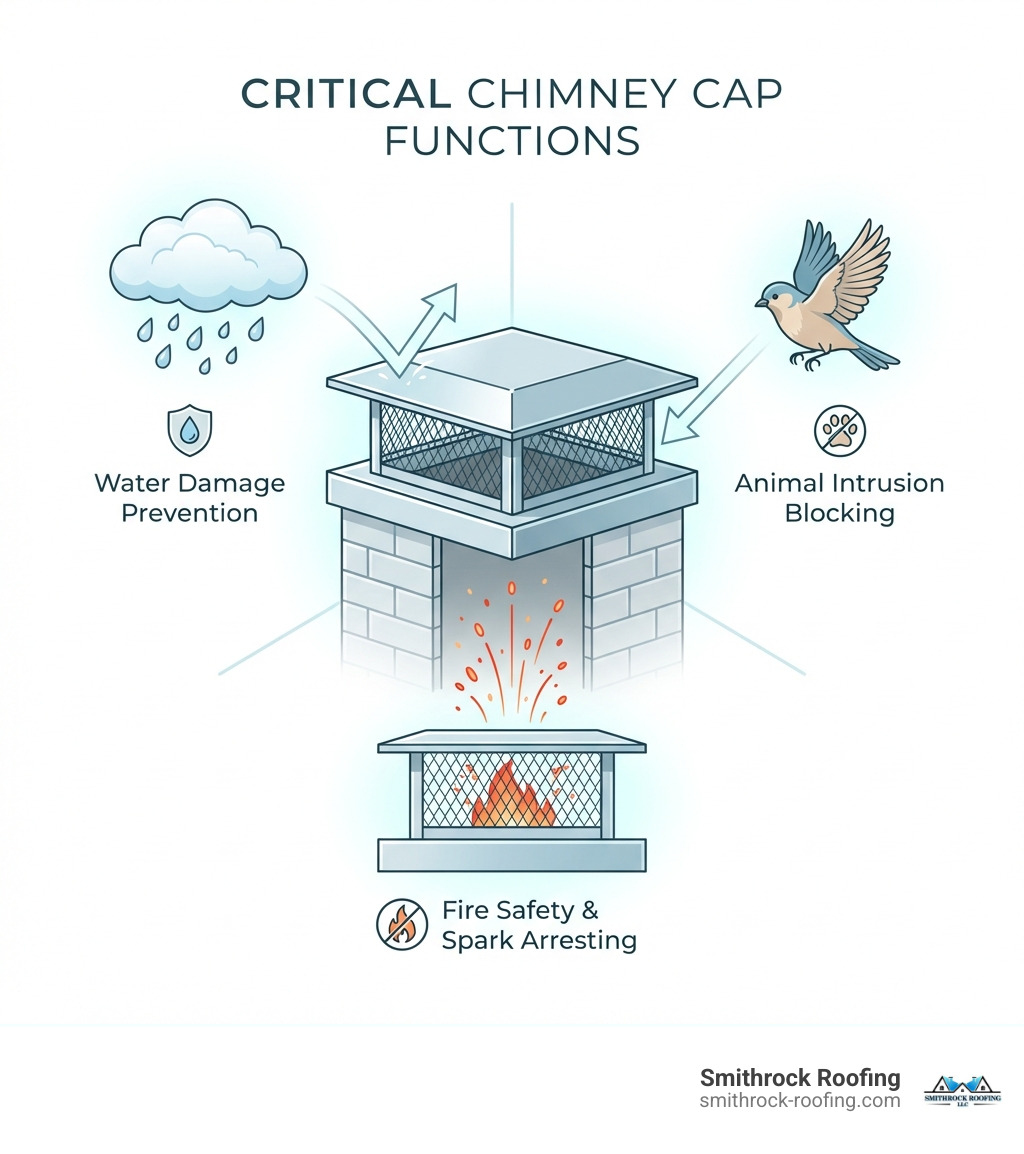
- Impermeable Water Shield: It acts as an umbrella, preventing rain, snow, and ice from pouring directly into the chimney flue, which can cause rapid deterioration of the liner, masonry, and metal components.
- Effective Animal and Pest Barrier: The integrated mesh screening blocks birds, squirrels, raccoons, and other wildlife from entering the flue to nest, preventing dangerous blockages and the introduction of pests and diseases into your home.
- Reliable Debris Blocker: It keeps leaves, twigs, and other wind-blown debris from falling into the chimney, maintaining a clear passage for smoke and eliminating flammable material from the flue.
- Essential Spark Arrestor: The mesh contains hot embers and sparks, preventing them from escaping the chimney and landing on your roof or nearby combustible materials, which is a primary cause of house fires.
- Draft and Efficiency Enhancer: A well-designed cap can help stabilize the chimney’s draft, reduce wind-induced downdrafts, and, when paired with a top-sealing damper, significantly improve your home’s energy efficiency.
Comprehensive Professional Services Include:
- Detailed chimney inspection and assessment
- Custom chimney cap fabrication and installation
- Professional repair of damaged or corroded caps
- Routine maintenance and cleaning
- Full replacement at the end of its service life
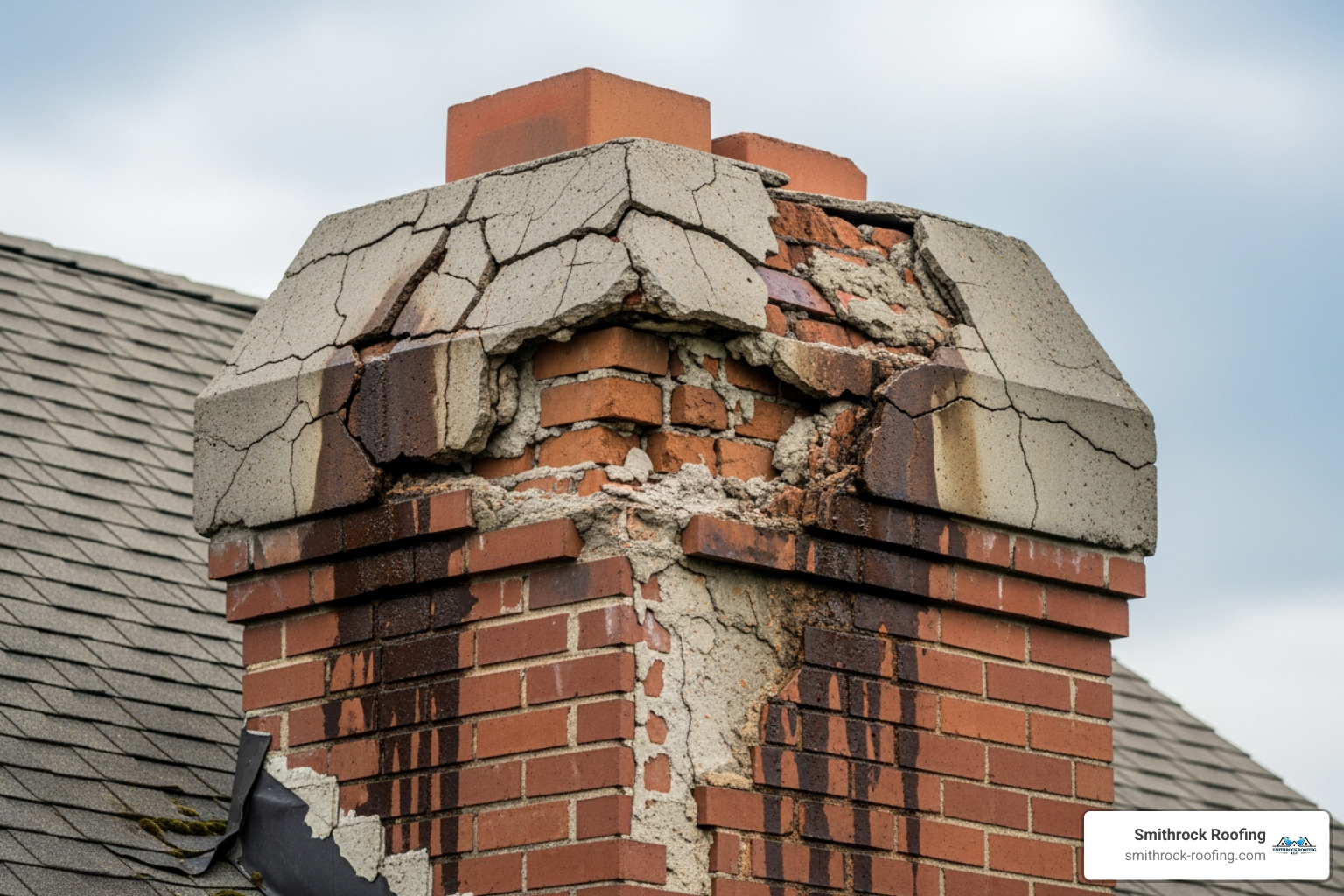
Operating a fireplace without a secure, well-fitted chimney cap is a significant and unnecessary gamble. Unchecked rainwater infiltration can saturate the brick and mortar, leading to spalling (flaking and crumbling) from freeze-thaw cycles and costly structural damage. Furthermore, an open flue is a standing invitation for animals to build nests, which can create hazardous blockages that force toxic smoke and deadly carbon monoxide back into your living space. A professionally installed chimney cap, with a lifespan ranging from 3 to over 25 years depending on the material, is a small investment that prevents these major issues. This guide will provide a comprehensive overview of chimney cap services, empowering you to select the right cap and find qualified professionals for its installation, maintenance, and repair.

Common Chimney cap services vocab:
The Essential Role of a Chimney Cap for Home Safety and Integrity
In the grand scheme of home maintenance, the chimney cap is a small detail that is frequently overlooked—often until a significant problem like a water leak or a bird in the fireplace makes its absence known. However, this component plays a disproportionately large role in protecting your chimney system and, by extension, your entire home. A high-quality, well-maintained chimney cap is not a mere cosmetic addition; it is an indispensable part of your home’s safety infrastructure and structural integrity. This is especially true for homeowners in Winston-Salem, NC, and the surrounding Triad areas, where the regional climate presents a year-round threat from both heavy precipitation and persistent wildlife.

What is a Chimney Cap and Why is it Non-Negotiable?
A chimney cap is a protective covering that is professionally installed at the very top of your chimney flue. In simple terms, it’s a permanent hat for your chimney, providing a robust shield against the elements and unwanted intruders. Its functions are multifaceted, making it the primary defender of your entire chimney system. Without a cap, your chimney is left completely exposed and vulnerable to a cascade of damaging and expensive issues. Protecting your investment in your home means ensuring your chimney is properly capped. The flue, which serves as the critical pathway for smoke, heat, and combustion gases, must remain unobstructed and dry to function safely and efficiently. A chimney cap is the key to preventing external factors from compromising this vital passageway. It is an essential component that directly contributes to the longevity, safety, and proper function of your fireplace and heating appliances. You can learn more about how the cap fits into the larger system on our page with more info about chimneys.
How a Chimney Cap Protects Your Home: A Deeper Look
The protective benefits of a chimney cap are extensive and directly counteract some of the most common, destructive, and costly problems that homeowners face with their chimneys:
Comprehensive Water Damage Prevention: This is arguably the most critical function of a chimney cap. An uncapped chimney acts like a funnel, channeling gallons of rainwater and melting snow directly into the heart of your home. This moisture wreaks havoc in several ways: it saturates the porous brick and mortar, leading to a destructive freeze-thaw process known as spalling, where the masonry cracks and crumbles. It mixes with soot and creosote to form a highly corrosive acidic slurry that eats away at metal dampers, liners, and mortar joints. Over time, this persistent moisture can lead to severe water leaks inside your home, causing stained ceilings and walls, rotted wood framing, and dangerous mold and mildew growth.
Blocking Animal Intrusion: To local wildlife, an uncapped chimney is a warm, sheltered, and ideal place to build a nest. Birds (especially Chimney Swifts), squirrels, raccoons, and even bats are common intruders. These infestations are far more than a simple nuisance. Nests can create a dense, complete blockage of the flue, preventing smoke and deadly carbon monoxide (CO) from escaping your home. This can lead to CO poisoning, which is odorless, colorless, and can be fatal. Furthermore, animals bring in parasites like ticks and mites, create foul odors, and their droppings can pose a health risk. Our specialized chimney covers to stop birds are specifically designed with appropriate mesh sizing to prevent these hazardous intrusions.
Preventing Debris Blockage: Leaves, twigs, pine needles, and other airborne debris can easily fall into an open chimney flue. This accumulation of organic material not only impairs proper ventilation and draft but also creates a significant fire hazard. The debris is highly flammable and can be ignited by sparks from the fire below. When mixed with creosote, it forms an even more volatile substance that can fuel a dangerous chimney fire.
Reducing Fire Risk with Spark Arresting: Most quality chimney caps are equipped with a sturdy metal mesh screen that serves as a spark arrestor. As you enjoy a fire, super-heated embers and sparks can travel up the flue with the smoke. A spark arrestor acts as a safety net, containing these fiery particles and preventing them from landing on your roof, nearby trees, or other combustible materials, which could otherwise easily start a house fire.
Improving Chimney Draft and Home Energy Efficiency
Beyond its crucial protective functions, a well-designed chimney cap can actively improve your fireplace’s performance and your home’s overall energy efficiency.
Downdraft Prevention: Strong winds blowing across the top of a chimney can create pressure changes that push air and smoke back down the flue. This phenomenon, known as downdraft, can fill your room with smoke and carbon monoxide. Specialized chimney caps are aerodynamically engineered to deflect wind and stabilize the upward flow of air (the “stack effect”), ensuring a consistent, smoke-free experience.
Minimizing Energy Loss: An open chimney flue is essentially a hole in your roof, representing a major source of energy loss year-round. A chimney cap, especially when used in conjunction with a top-sealing damper, provides a weather-tight seal at the top of the flue when the fireplace is not in use. This prevents your expensive conditioned air (heated in winter, cooled in summer) from escaping up the chimney, which can lead to noticeable reductions in your energy bills and a more comfortable, less drafty home. By ensuring a clear flue and proper draft, your fireplace will also burn fuel more efficiently, generating more heat with less wood.
A Homeowner’s Guide to Chimney Cap Types, Materials, and Selection
Choosing a chimney cap can feel overwhelming given the wide array of options on the market. However, gaining a clear understanding of the different types, available materials, and key selection criteria will empower you to make a confident and informed decision for your home in Winston-Salem, Clemmons, or any of our service areas. The ultimate goal is to select a chimney cap that not only performs its protective duties flawlessly for years to come but also enhances and complements your home’s architectural style.

Choosing the Right Material: A Balance of Durability, Aesthetics, and Budget
The material of your chimney cap is the primary factor determining its lifespan, resistance to corrosion, and visual appeal. We offer a range of options engineered to withstand the demanding weather conditions of the Triad region, from humid summers to freezing winters.
| Material | Lifespan (Approx.) | Rust Resistance | Appearance & Characteristics | Best For |
|---|
| Galvanized Steel | 3-5 years | Low to Moderate | Basic silver-gray finish. Prone to rusting once coating wears off. | The most economical choice; suitable for temporary fixes or tight budgets. |
| Stainless Steel | Lifetime (20+ years) | Excellent | Bright, polished silver that resists dulling. Strong and durable. | The best all-around value; a long-lasting, low-maintenance investment for most homes. |
| Copper | Lifetime (50+ years) | Superior | Begins as a brilliant shiny copper, developing a beautiful green-blue patina over time. | The premium choice for maximum durability and high-end aesthetic appeal, especially on historic or custom homes. |
| Powder-Coated Steel | 5-10 years | Good | Black or colored finish. Offers better rust resistance than galvanized but can chip. | Homeowners seeking a specific color (usually black) to match roofing or trim. |
| Aluminum | 10-15 years | Excellent | Lightweight, silver-colored, will not rust. Can be prone to denting. | Coastal areas due to salt resistance; not recommended for solid-fuel chimneys due to lower heat tolerance. |
| Stone/Limestone | Lifetime (100+ years) | N/A | Custom fabricated to match existing masonry. Heavy and seamless. | High-end custom homes where the cap needs to be an integrated architectural feature. |
- Galvanized Steel: This is the most budget-friendly option. It consists of steel with a protective zinc coating. While affordable, this coating eventually wears away, exposing the steel to moisture and leading to rust within a few years.
- Stainless Steel: A highly popular and recommended choice, stainless steel offers an excellent balance of durability, performance, and cost. It is highly resistant to rust and corrosion, making it a smart, long-term investment that holds up exceptionally well against harsh weather. We typically use high-quality grades like 304 stainless steel for lasting performance.
- Copper: For unparalleled longevity and exquisite aesthetics, a copper chimney cap is the ultimate choice. Copper is incredibly durable, will never rust, and ages gracefully, developing a distinguished green patina that adds a touch of elegance and character to any home. Explore our gallery of copper chimney caps to see the possibilities.
- Custom Stone: For a truly integrated and monumental look, a limestone chimney cap or a stone chimney cap can be custom fabricated. These are essentially solid slabs of stone that cover the entire chimney top, providing ultimate protection and a seamless, high-end architectural finish.
Exploring Different Types and Styles of Chimney Caps
Beyond materials, chimney caps are designed in various styles to fit different chimney structures and address specific performance needs.
- Standard Single-Flue Caps: The most common type, these are designed to attach directly to and cover a single flue pipe that extends above the chimney crown. They come in round, square, and rectangular shapes and can be attached via clamp-on or slip-in methods.
- Multi-Flue (Outside Mount) Caps: These are large, box-like caps designed to cover the entire top surface of a chimney that has multiple flues. They mount to the chimney crown itself, protecting not only all the flues at once but also the crown itself from water damage and cracking.
- Prefabricated Chimney Caps: Factory-built or metal chimneys require specific caps designed by the manufacturer to ensure safety and proper function. Our team can source and install the correct prefixed chimney caps for your system.
- Chimney Chase Covers: A chase cover is not a cap but the metal “roof” for a wood-framed chimney chase that encloses a factory-built chimney pipe. A rusty, sagging chase cover is a primary cause of major water damage. Proper chimney chase cover installation with a cross-break for water runoff is vital.
- Wind-Directional and Draft-Inducing Caps: For homes in windy locations or those with persistent downdraft problems, specialized caps are available. Wind-directional caps (with a rotating hood) turn with the wind to block it from entering the flue. Draft-inducing caps (like a Vacu-Stack) use the wind to create a venturi effect, actively pulling smoke up and out of the chimney.
Key Factors to Consider When Selecting Your Chimney Cap
Choosing the right chimney cap involves more than just picking a style. Our experts will guide you through these critical considerations for your home in Kernersville, Pfafftown, or High Point.
- Chimney Type: The first step is identifying if you have a masonry (brick/stone) or a factory-built (metal) chimney, as they require completely different types of caps.
- Accurate Flue Measurements: This is paramount for a secure fit. For a single flue, we measure the length and width (for square/rectangular) or diameter (for round). For a multi-flue cap, we measure the entire length and width of the chimney crown.
- Local Climate and Environment: The material and design must be robust enough to handle North Carolina’s heavy rains, high humidity, and occasional strong winds from storms.
- Fuel Type: Wood-burning fireplaces require a cap with a mesh screen that acts as a spark arrestor. Gas fireplaces still need a cap for water and animals, but the mesh requirements may differ.
- Building Codes and Regulations: Your chosen cap must comply with local building codes, which often specify minimum height above the flue and mesh size. Our team is fully versed in these local requirements.
- Aesthetic Preference: The cap should be a functional and attractive addition to your home. We’ll help you choose a material and style that complements your home’s exterior. For more detailed comparisons, check out our guides on the best types of chimney caps and our chimney cap replacement types guide.
Professional Chimney Cap Services: Installation, Repair, and Replacement
While a chimney cap may appear to be a simple metal box, its proper installation, repair, and eventual replacement are critical tasks that demand professional knowledge and equipment. Attempting a DIY solution can easily lead to an improperly fitted cap, damage to your chimney crown, and significant safety hazards associated with working on a roof. Our professional chimney cap services are designed to ensure your chimney is perfectly protected and functions at its best for years to come.
The Professional Chimney Cap Installation Process: A Step-by-Step Guide
Professional installation is the key to unlocking the full protective potential of your chimney cap. An improperly secured cap can blow off in a storm, while one that is poorly sealed can still allow water intrusion. Here’s what our meticulous professional process involves:
- Safety First and Site Preparation: Our highest priority is safety. Our technicians are fully trained in rooftop safety protocols and use appropriate fall protection equipment. We take care to protect your roof and property during the entire process.
- Thorough Chimney Crown and Flue Inspection: Before any installation, we conduct a detailed inspection of the chimney’s top. We look for cracks in the crown, deteriorating mortar, and damage to the flue liner. Any pre-existing issues must be identified and addressed to ensure a stable foundation for the new cap.
- Precise and Verified Measurements: We take exact measurements of your flue(s) and chimney crown. This is not a step for guesswork. An ill-fitting cap will be ineffective and potentially unsafe. We double-check all dimensions to guarantee a snug, custom fit that leaves no gaps for water or animals.
- Secure Mounting and Professional Sealing: The cap is securely attached using high-grade, corrosion-resistant fasteners appropriate for masonry or metal. We don’t just place it on top; we anchor it to withstand high winds. A bead of 100% silicone waterproof sealant is often applied around the base to create a final, impenetrable barrier against water.
- Final Quality Assurance Check: After installation, we perform a final check to confirm the cap is stable, level, and provides complete coverage. We ensure the mesh is clear and there is proper clearance for ventilation. Learn more about the specifics of our fireplace cap installation methods.
While a DIY approach might seem like a way to save money, the risks—including falls from height, causing more damage to the chimney, and incorrect installation that fails during the first storm—far outweigh any potential savings. A professional ensures the job is done safely and correctly the first time.
When to Repair vs. Replace: Signs You Need Chimney Cap Service
Your chimney cap endures constant exposure to harsh elements. Regular inspection can help you identify problems early. Here are the key signs that your cap needs professional attention:
- Visible Rust, Corrosion, or Discoloration: For galvanized or powder-coated steel caps, rust is a clear sign that the protective coating has failed and the metal is weakening. It’s only a matter of time before it rusts through completely.
- Cracks, Holes, or Dents: Any breach in the cap’s lid or sides compromises its ability to keep water out. Dents from falling branches can create low spots where water can pool and accelerate corrosion.
- Damaged or Missing Mesh Screen: A torn, bent, or detached mesh screen can no longer perform its dual function of keeping animals out and arresting sparks. This is a critical safety failure.
- A Loose, Tilted, or Missing Cap: If your cap is wobbly, crooked, or has blown off entirely, your chimney is completely exposed. This is an emergency situation that requires immediate attention to prevent rapid water and animal damage.
- Water Stains or Dripping in the Fireplace: Water in your firebox is a definitive sign of a leak from above. While a cracked crown can be the culprit, a damaged, poorly sealed, or missing cap is the most common cause.
- Evidence of Animal Entry: If you hear scratching noises, find nesting materials or droppings in your firebox, or smell foul odors, it’s a clear indication that your cap has failed to keep animals out.
- Sudden Drafting Problems: If your fireplace suddenly becomes smoky, a likely cause is a cap whose mesh screen has become clogged with soot, creosote, or debris, impeding proper airflow.
If you notice any of these signs, it’s time to schedule a professional inspection to determine if a repair is possible or if a full chimney cap replacement is necessary. Our chimney cap replacement parts complete guide can help you understand the components involved in a replacement.
The Importance of Regular Inspection and Maintenance
Proactive maintenance is the best way to maximize your chimney cap’s lifespan and ensure it provides continuous protection.
- Annual Inspection Schedule: We strongly recommend a professional chimney inspection at least once a year, ideally before the start of the fall heating season. This allows our technicians to assess the cap’s condition, check its mounting, and catch minor issues before they escalate into major problems.
- Professional Cleaning Procedures: During an inspection or chimney sweep, the cap’s mesh screen should be cleaned of any soot, creosote, and debris buildup. A clogged screen is a fire hazard and can cause dangerous drafting issues.
- Maximizing Lifespan: A chimney cap’s longevity is directly tied to its material quality, the local climate, and its maintenance frequency. While a cheap galvanized cap may only last a few years, a high-quality stainless steel or copper cap that is inspected and cleaned annually can easily last for decades. Prompt repairs of minor damage will undoubtedly extend the life of any cap.
By investing in regular, professional chimney cap services, you are making a wise decision to safeguard your entire chimney system and protect your home from preventable damage. For more on our holistic approach to chimney care, visit our page on more info about chimney services.
Finding and Hiring Qualified Chimney Professionals
When it comes to the safety and integrity of your chimney, the expertise of the person performing the work is paramount. Hiring a qualified, experienced professional for your chimney cap services ensures the job is done correctly, safely, and in compliance with all local codes. For homeowners in Winston-Salem, Clemmons, Lewisville, Pilot Mountain, Mount Airy, and throughout the surrounding North Carolina communities, finding a reputable local service provider you can trust is the most important step.
Who to Hire for Professional Chimney Cap Services
Not all contractors are created equal. Choosing the right professional for your chimney cap installation or repair is a critical decision. Here’s a breakdown of what to look for to ensure you’re hiring a true expert:
- Certified Chimney Sweeps: The gold standard in the industry. Professionals certified by the Chimney Safety Institute of America (CSIA) have passed rigorous exams covering inspection, maintenance, and the technical codes governing chimney systems. A CSIA-certified sweep has comprehensive knowledge of how chimney caps integrate with the entire system and can identify underlying issues.
- Experienced Masons with Chimney Specialization: A skilled mason who specializes in chimney construction and repair is an excellent choice, particularly for masonry chimneys. They are highly qualified to assess the chimney crown’s integrity, make necessary repairs, and properly install a cap, ensuring the entire top of the structure is sound.
- Reputable Roofing Companies with Chimney Expertise: Established roofing companies, like us at Smithrock Roofing, often provide specialized chimney cap services. Our extensive experience working on rooftops means we are experts in safety, flashing, and preventing water intrusion at the critical junction where the chimney meets the roof. This holistic understanding ensures a seamless, leak-proof result.
Key Credentials to Verify:
- License and Insurance: Before allowing anyone on your roof, always verify that they hold a valid contractor’s license and carry both general liability insurance and worker’s compensation insurance. This is non-negotiable and protects you from any liability in the event of an accident or property damage.
- Local Experience and Reputation: A company with a long-standing, positive reputation in your local area, such as the Winston-Salem and Triad region, brings invaluable knowledge of the specific challenges posed by our local climate. They can recommend the most durable materials and installation techniques to withstand North Carolina’s weather.
Questions to Ask a Potential Contractor:
- Are you and your technicians certified by the CSIA?
- Can you provide me with a copy of your license and proof of insurance?
- How long have you been providing chimney services in this area?
- Can you provide references from recent customers?
- Do you offer a warranty on your materials and workmanship?
- Will you be providing a detailed, itemized written estimate?
What to Expect During a Professional Consultation and Estimate
When you contact us for chimney cap services, we follow a thorough and transparent process to ensure you get the right solution for your home:
- Comprehensive Chimney Top Inspection: Our process begins with a hands-on, detailed inspection of your chimney’s exterior. We don’t just glance from the ground; we get on the roof to closely examine the condition of the crown, flue, mortar joints, and the existing cap (if there is one).
- Detailed Crown and Flue Assessment: We will assess the chimney crown for cracks, spalling, or improper slope, as this is the foundation for the cap. We will identify your flue type (clay tile, metal liner) and note its condition.
- Precision Measurements: Using proper tools, we take exact measurements of the flue and/or crown. These precise dimensions are crucial for ordering or fabricating a cap that fits perfectly, providing maximum protection without compromising draft.
- Clear Discussion of Options: Based on our findings, your budget, and your aesthetic preferences, we will walk you through the best options. We’ll explain the pros and cons of different materials (e.g., stainless steel vs. copper) and styles (e.g., single-flue vs. multi-flue) for your specific situation.
- Transparent Written Estimate: We will provide you with a detailed, written estimate that clearly outlines the full scope of work. It will itemize the cost of the recommended chimney cap, any necessary repairs to the crown, labor costs, and the projected timeline for completion. We believe in complete transparency so you can feel confident in your investment.
By adhering to this comprehensive and professional approach, we ensure that your chimney cap services are performed to the highest standards, resulting in a durable, effective, and attractive solution for your home.
Frequently Asked Questions about Chimney Caps
Over the years, we’ve answered countless questions from homeowners in our service areas of Winston-Salem, King, and the greater Triad region. To help you better understand the importance of this crucial component, here are detailed answers to some of the most common inquiries we receive about chimney caps.
Can a chimney cap really help prevent a chimney fire?
Yes, absolutely. A properly installed chimney cap is a critical fire prevention device that works in three distinct ways:
- Primary Spark Arrestor: The mesh screening on a chimney cap is its most important fire safety feature. It functions as a spark arrestor, physically trapping and containing hot embers and sparks that are carried up the flue during a fire. Without a cap, these embers can be ejected onto your roof, into dry gutters, or onto nearby trees, easily igniting a devastating house fire.
- Blocks Flammable Debris: An open flue is a magnet for flammable debris like dry leaves, pine needles, and twigs. A chimney cap prevents this material from accumulating inside the flue, where it could be ignited by sparks and start a chimney fire from within.
- Reduces Hazardous Creosote Buildup: A cap helps keep the flue dry. Moisture from rain can combine with creosote (a byproduct of burning wood) to accelerate its buildup and create a more flammable, tar-like glaze. By keeping the flue dry and clear of obstructions, a cap promotes more efficient combustion, which can slow the rate of creosote accumulation—the primary fuel for most chimney fires.
What is the typical lifespan of a chimney cap?
The lifespan of a chimney cap varies dramatically, ranging from just a few years to a lifetime, depending on several key factors:
- Material Quality (Most Important Factor):
- Galvanized Steel: The least expensive option, but also the least durable. Expect it to rust and require replacement in 3-5 years.
- Stainless Steel: The best combination of value and longevity. A quality stainless steel cap will not rust and can be expected to last 20 years or more, often for the life of the chimney.
- Copper: The premium choice. Copper is impervious to rust and will last for 50+ years, essentially a lifetime. It develops a beautiful patina over time.
- Local Climate Severity: Harsh weather conditions will accelerate wear and tear. The heavy rains, high humidity, and occasional high winds we experience in North Carolina can shorten the life of lower-quality caps.
- Maintenance Frequency: Like any part of your home’s exterior, a chimney cap benefits from regular attention. Annual inspections and cleaning to remove corrosive soot and debris can significantly extend a cap’s service life.
How does a chimney cap improve my home’s energy efficiency?
A chimney cap can have a surprising impact on your home’s energy efficiency and utility bills:
- Prevents Cold Downdrafts: In the winter, wind blowing over an open chimney can push cold air down the flue and into your living space, creating uncomfortable drafts and forcing your heating system to work harder to maintain the desired temperature.
- Stops Conditioned Air Loss: An even bigger issue is the constant loss of conditioned air. An open chimney flue acts like a massive vent, allowing your expensive heated air in the winter and cooled air in the summer to escape 24/7. A standard cap helps reduce this, but for maximum efficiency, a top-sealing damper (which incorporates a cap and a damper in one unit) creates an airtight seal at the top of the flue. This is far more effective than traditional throat dampers located just above the firebox and can lead to significant savings on your energy bills.
Do I need a chimney cap for a gas fireplace?
Yes, you still need a chimney cap even if you have a gas fireplace. While a spark arrestor is not as critical, all the other protective functions are just as important. A cap is essential to prevent rainwater from damaging your gas logs, burner assembly, and the interior of the flue. It also keeps animals and debris out, which can block the flue and cause dangerous ventilation problems for your gas appliance.
How much does a professional chimney cap installation cost?
The cost can vary widely based on several factors. A standard, single-flue stainless steel cap for a common flue size might cost a few hundred dollars, including professional installation. However, a large, custom-fabricated, outside-mount copper cap for a multi-flue chimney could cost several thousand dollars. The final price depends on:
- Material: Galvanized is cheapest, stainless steel is mid-range, and copper is the most expensive.
- Size and Type: A large multi-flue cap costs more than a small single-flue cap.
- Customization: Custom shapes or decorative elements will add to the cost.
- Accessibility: Difficult-to-access chimneys may incur additional labor charges.
We provide detailed, transparent estimates after a thorough inspection.
Conclusion: Your Home’s First Line of Defense
The chimney cap, though a relatively small and often overlooked component, stands as a mighty and indispensable guardian for your home. It provides robust, round-the-clock protection against the pervasive threats of water damage, animal intrusion, hazardous debris blockages, and the ever-present risk of fire. Beyond its critical safety functions, a well-chosen cap also enhances the efficiency and performance of your fireplace, reduces energy loss, and can even add a touch of architectural elegance to your home’s exterior. Investing in high-quality chimney cap services is not simply another maintenance expense; it is a proactive and intelligent step toward safeguarding your property, preventing costly future repairs, and ensuring the long-term health and safety of your entire chimney system.
From selecting the right material—be it durable and practical stainless steel or timeless and elegant copper—to choosing the perfect style that complements your home’s unique aesthetic, the options are diverse. However, the single most critical decision in this process is entrusting the installation, repair, or replacement to qualified, certified professionals. Their expertise guarantees a precise fit, secure mounting that can withstand the elements, and strict adherence to all safety codes and standards. This professional assurance saves you from the significant risks of a failed DIY project and the potential for far more expensive structural damage down the road.
Don’t leave your home vulnerable to preventable damage for another season. A missing, damaged, or improperly installed chimney cap is a liability you cannot afford to ignore. For expert advice, transparent estimates, and professional installation services, we invite you to learn more about our comprehensive chimney solutions. We are dedicated to helping homeowners in Winston-Salem, Clemmons, Lewisville, and throughout the Triad region protect their most valuable asset with integrity and expertise.