Why Your Home’s Exterior Deserves the Best Protection
When you begin searching for the best roofing and siding, you are embarking on more than a simple home improvement project; you are making a critical long-term investment in your home’s structural integrity, energy efficiency, and market value. Your roof and siding serve as the primary armor for your home, its first and most important line of defense against the relentless forces of nature—from torrential rain and high winds to the damaging effects of UV radiation. Making an informed choice in materials and, just as importantly, in contractors, can mean the difference between decades of security and a recurring cycle of expensive, stressful repairs.
Quick Answer: What Truly Makes Roofing and Siding the “Best”?
The “best” exterior solution is not a one-size-fits-all answer. It is a tailored strategy that balances three indispensable factors specific to your home and location:
- Material Durability and Performance: The lifespan and resilience of materials vary dramatically. Basic asphalt shingles may last 15-30 years, while a premium standing seam metal roof can protect your home for over 70 years. Likewise, standard vinyl siding offers a low-maintenance solution, whereas advanced fiber cement provides unparalleled resistance to fire, pests, and weather. The best choice aligns with your budget, long-term goals, and tolerance for maintenance.
- Expertise in Professional Installation: The world’s most advanced materials will fail prematurely if installed incorrectly. A licensed, insured, and manufacturer-certified contractor is not a luxury—it is a necessity. Proper installation techniques, from nailing patterns to flashing details, are essential to uphold the material’s warranty, prevent hidden water intrusion, and maximize the lifespan of your investment.
- Climate-Specific Compatibility: Materials must be chosen to withstand the specific environmental challenges of your region. In North Carolina, this means selecting products that can endure blistering summer heat, high humidity that encourages mold and algae, sudden hail storms, and the potential for hurricane-force winds. The best materials for our climate resist thermal expansion, moisture penetration, and impact damage.
A meticulously maintained exterior does more than just keep the weather out; it actively enhances your quality of life. It improves your home’s energy efficiency by creating a tight thermal envelope, which can significantly lower utility bills. According to Remodeling Magazine’s Cost vs. Value report, exterior replacement projects like roofing and siding consistently offer one of the highest returns on investment, boosting property value and curb appeal. Conversely, an outdated or damaged exterior can lead to a cascade of problems, including drafts, moisture intrusion, mold growth, and pest infestations. The challenge for any homeowner lies in navigating the vast landscape of material options—from architectural asphalt shingles to engineered wood siding—each with its own unique properties, costs, and maintenance needs. This comprehensive guide will break down everything you need to know to make a confident, informed decision, whether you’re responding to storm damage, planning a full replacement, or aiming to elevate your home’s energy performance.

Your Home’s Armor: A Comprehensive Guide to Top Roofing and Siding Materials
Choosing the best roofing and siding is fundamentally about selecting materials engineered to perform in your specific climate. For homeowners in areas like Winston-Salem NC, Clemmons NC, or Lewisville NC, the weather presents a unique set of challenges. Extreme temperature swings can cause lesser materials to expand and contract, leading to cracks and warping. High humidity creates an ideal environment for mold, mildew, and algae growth. Furthermore, the ever-present threat of severe storms, including hail and high winds, makes impact resistance and wind uplift ratings critical considerations.
When guiding homeowners, we evaluate materials based on four key pillars: climate resilience, long-term durability, maintenance requirements, and aesthetic versatility. Your home should not only be a fortress against the elements but also a beautiful reflection of your personal style.

Here’s a detailed comparison of popular siding options:
| Siding Material | Durability | Maintenance | Aesthetics |
|---|
| Vinyl Siding | Good; modern panels offer improved thickness and wind resistance. Prone to cracking in extreme cold or warping if improperly installed. | Very Low; requires only an annual cleaning. Panels can be easily replaced if damaged. | Widest range of colors and styles, including smooth and wood-grain textures. Can mimic other materials affordably. |
| Fiber Cement Siding | Excellent; highly resistant to fire, rot, pests, and impact. Holds paint exceptionally well and does not warp from heat or moisture. | Low; requires a rinse with a hose annually. Factory-painted options (like James Hardie with ColorPlus® Technology) come with long-lasting finish warranties. | Can perfectly emulate natural wood, stucco, or modern smooth panels. Highly customizable in trim, texture, and color. |
| Engineered Wood Siding | Very Good; proprietary treatments (like those in LP® SmartSide®) make it resistant to rot, fungi, and pests. Offers superior impact resistance compared to vinyl or fiber cement. | Low to Moderate; requires annual inspection and adherence to manufacturer’s care guidelines. Comes in pre-primed or factory-painted finishes. | Provides the authentic look and deep texture of real wood without the high maintenance. Available in a vast array of styles, from lap to shakes and panels. |
Exploring Your Roofing Options: A Deeper Dive
Your roof is your home’s primary shield. Understanding the nuanced trade-offs of each material is crucial for making a wise, long-term investment.
Asphalt Shingles: The most prevalent roofing material in North America, prized for its balance of affordability, performance, and ease of installation.
- 3-Tab Shingles: The most basic and budget-friendly option, consisting of a single flat layer. They typically last 15-18 years and are suitable for entry-level homes or rental properties.
- Architectural (or Dimensional) Shingles: The most popular choice today. They feature a thicker, multi-layered construction that creates a rich, textured appearance mimicking wood shakes or slate. They offer superior durability, wind resistance (often rated for 110-130 mph winds), and longer lifespans of 20-30 years. Many come with algae-resistant technology (like 3M’s Scotchgard™ Protector) to prevent unsightly black streaks, a common issue in humid climates.
- Luxury/Designer Shingles: The premium tier of asphalt roofing. These shingles are even thicker and more intricately designed to replicate the high-end look of natural slate or handcrafted cedar shakes at a fraction of the cost. They offer the highest level of durability and wind resistance within the asphalt category.
For more details, see our guide on Shingle Roof Replacement.
Metal Roofing: Once reserved for commercial buildings, metal is now a rapidly growing residential choice due to its exceptional longevity and energy efficiency. It’s a significant long-term investment with a lifespan of 40-70 years or more.
- Profiles: Options include standing seam, which features concealed fasteners for a sleek, modern look and superior weather-tightness, and exposed fastener (or R-panel) systems, which are more industrial in appearance and cost-effective.
- Materials: Choices range from durable, coated galvalume steel to lightweight, corrosion-resistant aluminum (ideal for coastal areas), and premium options like copper and zinc that develop a unique patina over time.
- Benefits: Metal is lightweight, fire-resistant, and reflects solar heat, which can reduce cooling costs by up to 25%. Modern installation techniques and underlayments mean noise from rain is no more noticeable than with other roofing types. Find more about Metal Roof Benefits to see if it’s right for you.
Cedar Shakes and Shingles: For those seeking unparalleled natural beauty, cedar offers a timeless, rustic aesthetic. It provides excellent insulation but is a premium material requiring consistent maintenance, including periodic cleaning and treatments to prevent moss, rot, and insect damage. Cedar also has a lower fire rating unless specifically treated, and it comes at a significantly higher price point than asphalt.
Rubber Roofing (TPO & EPDM): The go-to solution for low-slope or flat roofs commonly found on porches, garages, or modern home additions. These single-ply membrane systems create a seamless, waterproof surface. TPO (Thermoplastic Olefin) is typically white and highly reflective, making it an energy-efficient choice, with seams that are heat-welded for superior strength. EPDM (Ethylene Propylene Diene Monomer) is a durable synthetic rubber, usually black, with seams sealed with specialized adhesives. Both are incredibly durable against UV radiation and temperature extremes. Explore our insights on the Best Roofing Materials for Local Homes to find your perfect match.
Choosing the Perfect Siding
Siding does more than define your home’s style; it protects the walls, contributes to insulation, and acts as a critical weather barrier.
Vinyl Siding: A popular choice for its unbeatable combination of affordability and low maintenance. Modern vinyl is far superior to older versions, offering enhanced fade resistance, a wide spectrum of colors, and options for added insulation (insulated vinyl siding) that can improve your home’s R-value and energy efficiency. Proper installation is absolutely critical to allow for expansion and contraction, preventing the warping or buckling that can plague poorly installed jobs.
Fiber Cement Siding: A premium composite material made from cement, sand, and cellulose fibers. It is renowned for its extreme durability and resistance to nearly everything: fire, pests, rot, and harsh weather. It can be manufactured to convincingly emulate natural wood grain, modern smooth panels, or rustic shakes. Brands like James Hardie offer extensive warranties (often 30 years to a lifetime), providing a powerful return on investment despite a higher upfront cost.
Engineered Wood Siding: This material offers the coveted aesthetic of real wood without the vulnerability to moisture and pests. Products like LP® SmartSide® are made from wood strands treated with waxes and advanced binders, then compressed into durable boards. They are designed to resist rot, insects, and harsh weather with minimal annual maintenance. Available in a huge variety of styles and colors, it’s a compelling choice for those who love the classic wood look but demand modern performance. For a deeper dive, compare these options in our guide on Vinyl vs Hardie Board vs Everlast Siding in Winston Salem. When you’re ready, our Siding Services team can bring your vision to life.
The Payoff: How Quality Exteriors Boost Home Value and Energy Efficiency
Investing in the best roofing and siding in communities like Winston-Salem, Pilot Mountain, and East Bend NC delivers tangible returns in both long-term financial value and immediate daily comfort. A new roof or siding replacement consistently ranks among the home improvement projects with the highest return on investment (ROI). A new roof can recoup over 60% of its cost at resale, while new siding dramatically boosts curb appeal, which can not only command a higher asking price but also speed up the sale of your home.
More immediately, homeowners often experience a noticeable reduction in their monthly utility bills. A high-performance roofing and siding system creates a continuous insulating shell around your home, reducing the workload on your HVAC system and keeping your hard-earned money in your wallet, month after month.

Maximizing Your Home’s Energy Efficiency: A Systems Approach
Think of your home’s exterior as a complete thermal envelope, a barrier designed to keep conditioned air in and the harsh elements out. The better this envelope performs, the lower your energy consumption. Materials with a high R-value offer better thermal resistance, keeping your home warmer in winter and cooler in summer. However, the system is more complex than just one material.
Cool roofing technology is a game-changer, especially in sunny climates. These materials are designed with special pigments that reflect a high percentage of the sun’s infrared and ultraviolet rays, rather than absorbing them as heat. According to the Cool Roof Rating Council (CRRC), a cool roof can stay over 50°F cooler than a traditional roof on a hot day. This significantly lowers attic temperatures, reducing the strain on your air conditioner and potentially cutting cooling energy costs by 10-15%.
Insulated siding adds another critical layer of thermal protection. It features a rigid foam insulation backing that is fused to the siding panel. This wraps your home in a blanket of continuous insulation, reducing thermal bridging (heat loss through the wall studs) and making it especially beneficial for older homes with insufficient wall insulation. This works in concert with your roof to create a comprehensive thermal barrier.
However, this system is incomplete without energy-efficient windows. Old, single-pane, or drafty windows can completely undermine the benefits of new siding and roofing. Upgrading to high-quality windows, like the Norandex eXtreme 3000S windows we install, is the final piece of the puzzle. These windows minimize heat transfer with multi-pane glass and argon gas fills. They also feature low-emissivity (Low-E) coatings—microscopically thin metallic layers that block UV rays and reflect heat back to its source (inside in the winter, outside in the summer), further improving efficiency and preventing your furniture and flooring from fading. Our Windows Services can complete your home’s energy-efficient transformation.
Current Trends in Exterior Design and Materials
Modern homeowners demand durability and efficiency without sacrificing style. Today’s trends in best roofing and siding design prove you can have it all. The aesthetic has shifted toward clean lines, textural depth, and sophisticated color palettes that move far beyond traditional beiges and grays.
- Bold, Dark Colors: Deep grays, dramatic blacks, and rich navy blues are increasingly popular for creating a contemporary, high-contrast look. To achieve this without risk, it’s crucial to choose materials with advanced, fade-resistant finishes, such as the ColorPlus® Technology on James Hardie siding or high-performance coatings on metal roofing.
- Mixed-Material Facades: Combining different materials and textures creates a custom, visually engaging home. Popular combinations include using horizontal lap siding on the main body of the house, vertical board and batten siding in the gables, and a stone or brick veneer wainscot around the base.
- The Modern Farmhouse Aesthetic: The trend of using board and batten siding continues to dominate. Its clean vertical lines add a sense of height and texture, offering a look that is both timeless and modern. It pairs beautifully with metal roofing accents and dark window frames.
- Strategic Metal Accents: Homeowners are using standing seam metal roofing not just for the whole roof, but as a stylish and durable accent over porches, bay windows, and dormers. This industrial-chic touch adds character and highlights architectural features.
- Sustainable and Resilient Choices: There is a growing demand for materials with long lifespans, recycled content, and low maintenance needs. Products like fiber cement, metal, and composite materials are becoming mainstream because they reduce waste, conserve resources, and eliminate the need for frequent, costly replacements.
Warning Signs: When to Repair or Replace Your Roof and Siding
Your home is constantly communicating its condition through subtle and not-so-subtle clues. Learning to recognize these warning signs early can prevent minor issues from escalating into catastrophic failures and costly emergency repairs. Homeowners in Winston-Salem, Kernersville NC, and Trinity NC who act proactively on these signals save themselves significant time, money, and stress.
Decoding Your Roof’s Distress Signals
Even the best roofing and siding materials have a finite lifespan and will eventually show signs of wear. Here are the key distress signals from your roof and what they mean:
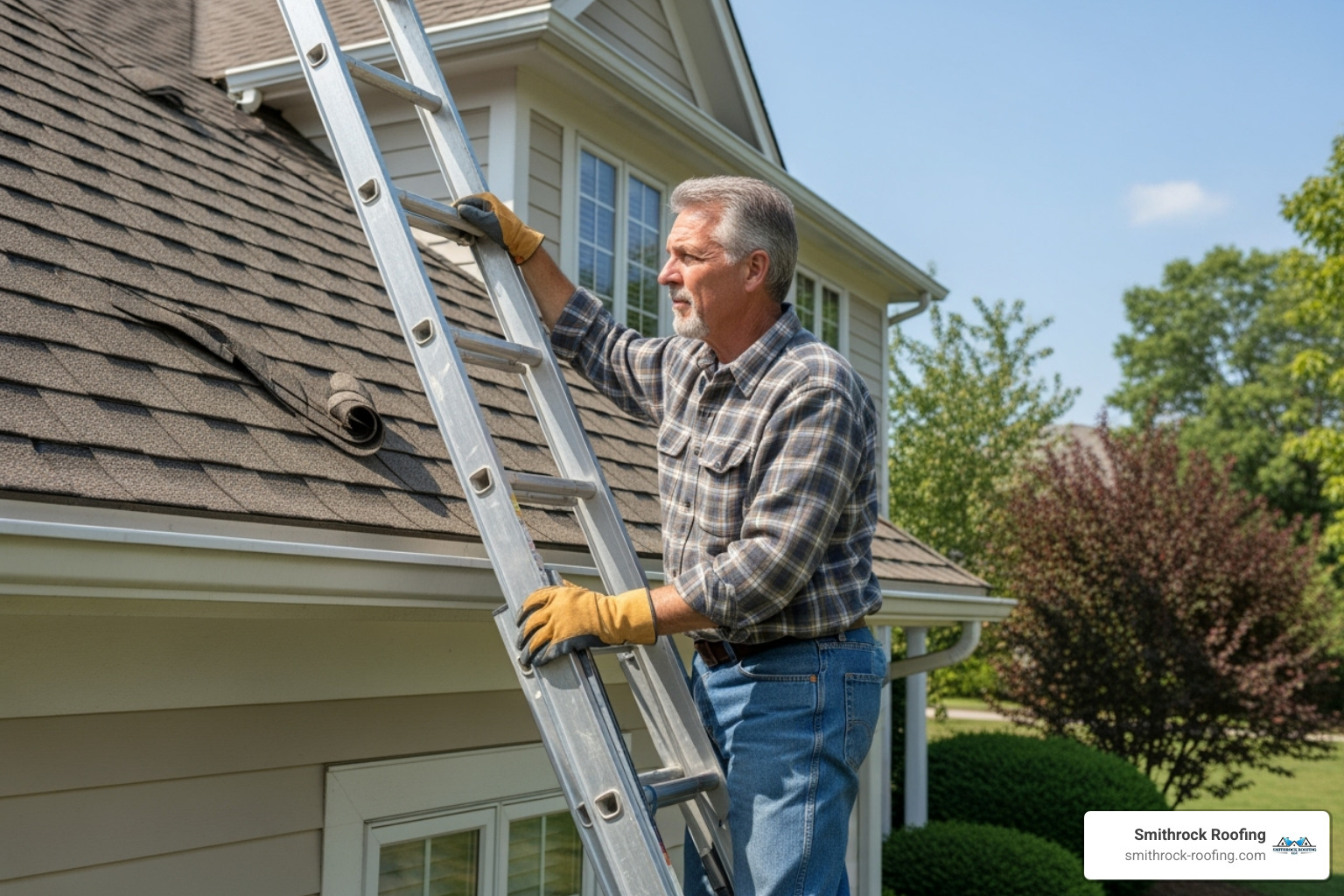
- Curling, Clawing, or Missing Shingles: Shingles that are curling at the edges or buckling in the middle (clawing) are a sign of advanced age and heat damage. Missing shingles, especially after a storm, mean your roof deck is exposed and vulnerable to immediate water damage. What to do: This is an urgent sign. Schedule a professional inspection immediately to determine if a targeted repair is possible or if a full replacement is necessary.
- Excessive Granules in Gutters: The sand-like granules on asphalt shingles shield them from UV rays. Finding a large accumulation of these in your gutters is a clear indication that your shingles are nearing the end of their life and have become brittle.
What to do: Monitor the granule loss. If it’s significant, your roof’s protective layer is compromised. It’s time to start budgeting and planning for a replacement. - Ceiling Water Stains or Peeling Paint: Brownish stains on your ceiling or walls, or paint that is peeling near the ceiling line, are telltale signs of an active leak. The visible damage is often just the tip of the iceberg; the moisture damage to the insulation, drywall, and framing behind the scenes can be far more extensive.
What to do: This requires immediate attention. Contact a professional roofer to trace the source of the leak and assess the full extent of the damage. - A Sagging Roof Deck: Any visible dips, depressions, or a “swayback” appearance in your roofline is a major red flag. This points to potential structural issues, such as saturated and rotting roof decking or, in worst-case scenarios, failing rafters.
What to do: This is a structural emergency. Contact a qualified roofing contractor immediately for a thorough inspection. - Algae, Moss, or Mold Growth: Dark streaks on your roof are typically blue-green algae (Gloeocapsa magma). While mostly cosmetic, it can trap moisture against the shingles. Moss growth is more serious, as it can lift shingles and allow water to penetrate underneath.
What to do: Algae can be professionally cleaned, but if your shingles lack modern algae-resistant technology, it will return. Significant moss growth may indicate it’s time for a new roof with better protection. - Roof Age: A typical asphalt shingle roof lasts 15-30 years. If your roof is approaching or has surpassed its expected lifespan, it’s wise to be proactive, even if it appears fine from the ground.
What to do: If your roof is over 15 years old, schedule a professional inspection every 1-2 years to catch problems before they start.
If you’re unsure whether to repair or replace, our Roof Repair vs Replacement Guide can help. For specific issues, our Wind Damage Repair and Hail Damage Roofers teams are ready to assist. A professional inspection is crucial; our experts can spot subtle issues you might miss. Learn more about our Roof Inspection Services.
Siding Symptoms You Can’t Ignore
Your siding provides similar clues when it’s failing to protect your home:
- Widespread Cracking, Warping, or Buckling: A few cracked panels can be repaired, but widespread issues indicate systemic failure. Warped or buckled panels compromise the protective barrier, allowing moisture to get behind the siding and attack your home’s sheathing.
What to do: Assess the scope. If more than 10-15% of your siding is damaged, a full replacement is often more cost-effective than piecemeal repairs. - Fading and Discoloration: All siding fades over time, but excessive or uneven fading means the siding’s protective UV coating has failed, leaving the material itself vulnerable to becoming brittle and damaged.
What to do: This is primarily an aesthetic issue, but it signals the end of the siding’s prime life. It’s a good time to consider an upgrade to a more fade-resistant material. - Bubbling or Blistering: These bubbles are a clear sign of moisture trapped between the siding and the wall sheathing. This is a serious problem that can lead to rot, mold, and structural damage.
What to do: Do not ignore this. The siding in the affected area must be removed to identify the source of the moisture and repair the underlying damage before new siding is installed. - Dry Rot or Soft Spots: Particularly with wood or older composite siding, use a screwdriver to gently probe any suspect areas. If the material is soft, spongy, or crumbles easily, dry rot has set in.
What to do: Rot cannot be repaired; the affected boards must be completely removed and replaced. Widespread rot necessitates a full siding replacement. - Persistent Mold and Mildew: While a little mildew in shady, damp areas can be normal, mold that keeps returning after cleaning suggests a deeper moisture problem, possibly from poor drainage or a compromised weather barrier.
What to do: Address the root cause of the moisture first, then have the siding professionally cleaned. If the problem persists, the siding system may be failing. - Skyrocketing Energy Costs: If your utility bills are climbing for no apparent reason, your old, uninsulated, or damaged siding may be to blame. It could be losing its insulating properties and allowing significant air leakage.
How to Find and Vet the Best Roofing and Siding Professionals
Selecting the best roofing and siding professionals is every bit as critical as choosing the right materials. The most advanced, high-performance products will fail if they are not installed according to the manufacturer’s exact specifications. The contractor you hire will be working on your single largest investment, so conducting thorough due diligence is essential for protecting your property and ensuring your peace of mind.
Non-Negotiable: Essential Qualifications and Credentials to Verify
Before you even consider a quote, any potential contractor must be able to prove they meet these fundamental criteria. If they cannot, move on immediately.
- Proper Licensing and Insurance: This is your primary protection. Verify that the contractor holds all required state and local licenses for the work they perform. Crucially, ask for a certificate of insurance and verify that it is current. It should include General Liability Insurance (a minimum of $1,000,000 is standard) to cover any damage to your property, and Workers’ Compensation Insurance to cover any injuries to their crew. Without this, you could be held financially liable for accidents.
- Significant Local Experience: A long track record of successful projects in local communities like Winston-Salem, Pfafftown, and Tobaccoville NC is a strong indicator of stability and expertise. An established local contractor understands the specific challenges of our climate, is familiar with local building codes, and has a reputation to uphold.
- Manufacturer Certifications: Top manufacturers (like GAF, Owens Corning, and James Hardie) offer elite certification programs to contractors who undergo extensive training and have a proven history of quality installation. Hiring a certified installer—such as a GAF Master Elite® Roofer or a James Hardie Elite Preferred Siding Contractor—often grants you access to superior, extended warranties on both materials and workmanship that uncertified installers cannot offer.
Evaluating Portfolios, Reputation, and the Quote Itself
Once you’ve confirmed their qualifications, it’s time to dig deeper into their work quality and business practices.
- Proven Portfolio and Local References: Ask to see a gallery of recent projects, especially ones similar in scope and materials to yours. Before-and-after photos are powerful, but speaking with previous clients is even better. Ask for a list of 3-5 local references and call them. Inquire about their experience with the contractor’s communication, timeliness, site cleanliness, and how any unexpected issues were handled.
- Online Reviews and BBB Standing: Check independent review platforms like Google, Angi, and the Better Business Bureau (BBB). Don’t just look at the star rating; read the content of the reviews. Look for consistent patterns in feedback—both positive and negative. A long history of positive reviews regarding professionalism, quality, and customer service is a great sign.
- Deconstructing the Project Quote: A professional quote is a detailed, transparent document, not a one-line price on a handshake. A proper quote should be itemized and include:
- A clear scope of work (e.g., tear-off of old materials, specific repairs).
- The exact names and manufacturers of all materials to be used (shingles, underlayment, siding, house wrap, etc.).
- Costs for labor, materials, permits, and debris disposal.
- A projected timeline for start and completion.
- Payment terms and schedule.
- Red Flags: Beware of vague quotes, unusually low bids (which often hide poor materials or uninsured labor), high-pressure sales tactics, or demands for a large upfront payment.
Why Warranties Are Your Ultimate Safety Net
A warranty is a direct reflection of a contractor’s confidence in their materials and their craftsmanship. Pay close attention to the details.
- Manufacturer Warranty vs. Workmanship Guarantee: Understand the two types of coverage. The manufacturer warranty covers defects in the roofing or siding material itself. The workmanship guarantee covers the quality of the installation and any leaks or failures that result from it. Since most exterior failures are due to installation errors, a strong workmanship guarantee is arguably more important.
- Labor and Material Coverage: Clarify what is covered. If a material defect occurs, does the manufacturer’s warranty cover only the cost of the new material, or does it also cover the labor to remove the old product and install the new one? A non-prorated warranty that covers both for a set period is the gold standard.
- Transferability: If you might sell your home in the future, a transferable warranty can be a significant value-add for the new owner. Ask if the warranty can be transferred and what the process involves.
- Reading the Fine Print: A trustworthy contractor will walk you through the warranty documents and explain the terms, conditions, and exclusions. Understand what actions on your part, such as unapproved alterations or lack of basic maintenance, could potentially void the warranty. For more information on our guarantees, visit our Warranty Information page.
The Anatomy of an Exterior Project: A Step-by-Step Guide from Start to Finish
Embarking on a major exterior renovation can feel like a monumental undertaking, but a seasoned professional team follows a structured, transparent process designed to minimize disruption and maximize results. For homeowners in Winston-Salem, Greensboro, and Walnut Cove NC, we have perfected a workflow centered on clear communication and meticulous execution, ensuring a successful and stress-free project from beginning to end.
Phase 1: Consultation, Planning, and Preparation
This foundational phase ensures that the final result perfectly aligns with your vision and your home’s needs.
- Initial Consultation: Every project begins with a detailed conversation to understand your goals, whether they are driven by a need to address storm damage, a desire to boost curb appeal, or a goal to improve energy efficiency.
- Thorough Inspection: Our experts conduct a comprehensive on-site evaluation. This includes walking the roof to check for soft spots and damaged flashing, inspecting the attic for signs of leaks, poor ventilation, or inadequate insulation, and examining the siding for weak points.
- Material and Options Discussion: We present you with a curated selection of material options that are best suited for our North Carolina climate and your specific budget. We explain the pros, cons, and long-term value of each choice.
- Detailed Proposal: You receive a transparent, itemized proposal that serves as a project roadmap. It clearly outlines the full scope of work, specified materials, projected timeline, and total cost, with no hidden fees.
- Contract and Permitting: Once you’re ready to proceed, we finalize the details with a clear contract. Our team then handles the entire permitting process with your local municipality to ensure all work is fully compliant with building codes.
To start this process, connect with our expert Roofing Contractors.
Phase 2: Meticulous Installation and Construction
This is where your vision becomes a reality, executed with precision and care.
- Property Protection: Before any work begins, we take extensive measures to protect your property. Landscaping, driveways, and outdoor furniture are carefully covered and shielded.
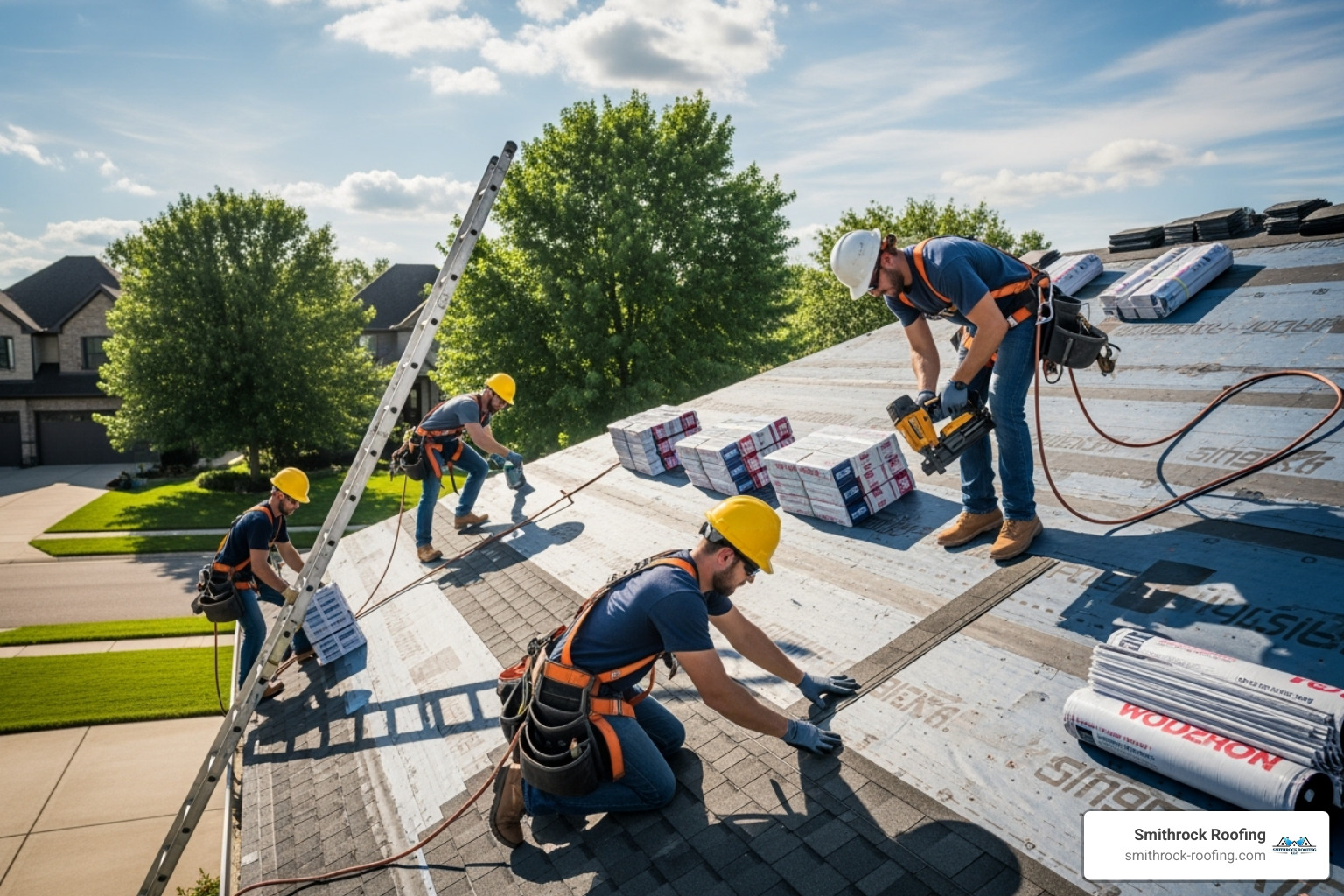
- Tear-Off and Sub-Structure Inspection: We efficiently remove the old roofing and siding materials. This critical step exposes the underlying structure (the roof deck or wall sheathing), allowing us to inspect for and perform any necessary decking or sheathing repair to ensure a solid, sound foundation for your new exterior.
- Installation of Weather Barriers: This is a crucial defense layer. For roofing, we install a high-quality synthetic underlayment across the entire roof and a specialized ice and water shield in the most vulnerable areas like eaves, valleys, and around penetrations. For siding, we install a premium house wrap (weather-resistive barrier) to create a continuous air and moisture barrier.
- Precision Installation of Materials: The new roofing and siding are installed with meticulous attention to detail, strictly adhering to manufacturer specifications for nailing patterns, spacing, and flashing to ensure maximum performance and warranty compliance. This includes installing critical components like drip edge, starter strips, and proper ridge ventilation. Our Roof Installation process is designed for ultimate durability.
- Detailing and Sealing: We install or replace all flashing and trim around chimneys, vents, windows, and doors to create watertight seals that are critical for preventing leaks. We also address gutter and chimney cap installation, as these components are vital for managing water runoff and protecting your home’s foundation and structure. Our approach covers all elements of your home’s exterior system, including Gutters Services and Chimney Services.
Phase 3: Final Touches, Cleanup, and Completion
The project isn’t finished until your property is pristine and you are completely satisfied.
- Thorough Cleanup: Our crew conducts a meticulous cleanup of the entire work area. This includes using magnetic rollers to pick up stray nails and hauling away all project debris, leaving your property as clean as or cleaner than when we arrived.
- Final Walkthrough: We conduct a final walkthrough with you to review the completed work, demonstrate any new features, and answer all of your questions. This is your opportunity to inspect every detail and ensure it meets your highest expectations.
- Warranty and Documentation: We provide you with a comprehensive folder containing all warranty information for both the manufacturer’s materials and our own workmanship guarantee, along with any other relevant project documentation.
- Final Payment and Lien Waiver: Final payment is collected only after you have signed off on the project, confirming your complete satisfaction. Upon receipt, we provide you with a lien waiver, a document that protects you by certifying that all labor and materials for your project have been paid for.
We believe in earning your trust through exceptional results, which is why we focus on making every customer happy with their investment. Read more about How to Be Happy With Your Contractor.
Frequently Asked Questions about Exterior Renovations
Homeowners across our service areas, from Belews Creek NC to Pinnacle NC, often have similar questions when planning a major exterior project. Here are detailed answers to the most common inquiries to help you plan with confidence and clarity.
How long does a full roof and siding replacement take?
The project duration depends on several key factors. The size and architectural complexity of your home are the largest variables; a simple ranch-style home will be faster than a multi-story home with numerous dormers and complex rooflines. Material choice also plays a significant role; asphalt shingles are generally faster to install than standing seam metal or individual siding shakes. Unpredictable weather can cause delays, as we will always pause work in rain or high winds to ensure a safe, quality installation. Finally, the discovery of underlying issues, such as rotted decking or sheathing during tear-off, can extend the timeline but is crucial to address for a lasting result.
As a general guide:
- An average-sized roofing project typically takes 1 to 3 days.
- A full siding replacement usually takes 1 to 2 weeks.
We will provide a more precise and detailed timeline in your project proposal.
What is the best time of year to replace my roof or siding?
While we are equipped to work year-round, spring and fall are generally considered the ideal seasons for exterior renovations. The moderate temperatures and more predictable weather are optimal for material handling and for sealants to cure properly. However, these are also the busiest seasons, so it’s wise to book your project well in advance.
That said, other seasons offer advantages. A late fall installation ensures your home is protected before winter weather arrives. Summer can be perfectly suitable, especially for siding projects. Scheduling a project in the off-season (late winter or early spring) may offer more flexibility in scheduling. Ultimately, if your roof is actively leaking or your siding is failing, the best time to replace them is now, regardless of the season, to prevent further damage to your home.
Should I replace my windows at the same time as my siding?
If your budget allows, replacing windows and siding concurrently is one of the smartest decisions you can make for your home. The benefits are substantial:
- Proper Integration and Sealing: This is the most important reason. Installing new windows first allows your contractor to properly integrate the window flashing and a weather-resistive barrier (house wrap) before the new siding is installed. This creates a virtually seamless, watertight, and airtight building envelope that is impossible to achieve if you replace windows after the siding is already on.
- Increased Project Efficiency: Bundling the projects consolidates the disruption to your home and property into a single period.
- Cost Savings: You can often save on labor, equipment rental (like scaffolding), and debris disposal by combining the two jobs.
- Cohesive Aesthetics: New windows and siding installed together ensure a perfectly matched and updated exterior look. Our high-quality Norandex eXtreme 3000S windows are designed to complement any siding choice while delivering superior energy performance.
Can I just install a new layer of shingles over my old ones?
While some building codes allow for a second layer of asphalt shingles (a “layover”), it is a practice we strongly advise against. A complete tear-off is superior for several critical reasons. First, it allows your contractor to inspect the underlying roof deck for rot, water damage, or other issues that would otherwise be hidden. Second, shingles are designed to be installed on a flat surface; layering them can create an uneven look and prevent them from sealing properly, making them more vulnerable to wind damage. Finally, the excess weight of two layers of roofing can strain your home’s structure, and most manufacturer warranties are voided by layovers.
How do I handle a storm damage insurance claim?
Navigating an insurance claim can be intimidating. A reputable local contractor can be an invaluable advocate. The process generally follows these steps:
- Emergency Repairs: If you have an active leak, perform temporary repairs (like tarping) to prevent further damage.
- Professional Inspection: Have a qualified contractor inspect the damage and provide detailed documentation, photos, and a professional estimate for the repairs.
- File a Claim: Contact your insurance company to file a claim. Your contractor’s documentation will be essential.
- Meet the Adjuster: Your contractor should be present when the insurance adjuster visits your property to ensure all damage is identified and properly assessed.
- Review the Settlement: Once the claim is approved, your contractor can review the insurance settlement to ensure it accurately covers the scope of work required to restore your home to its pre-storm condition.
Conclusion: A Lasting Investment in Your Home’s Protection and Value
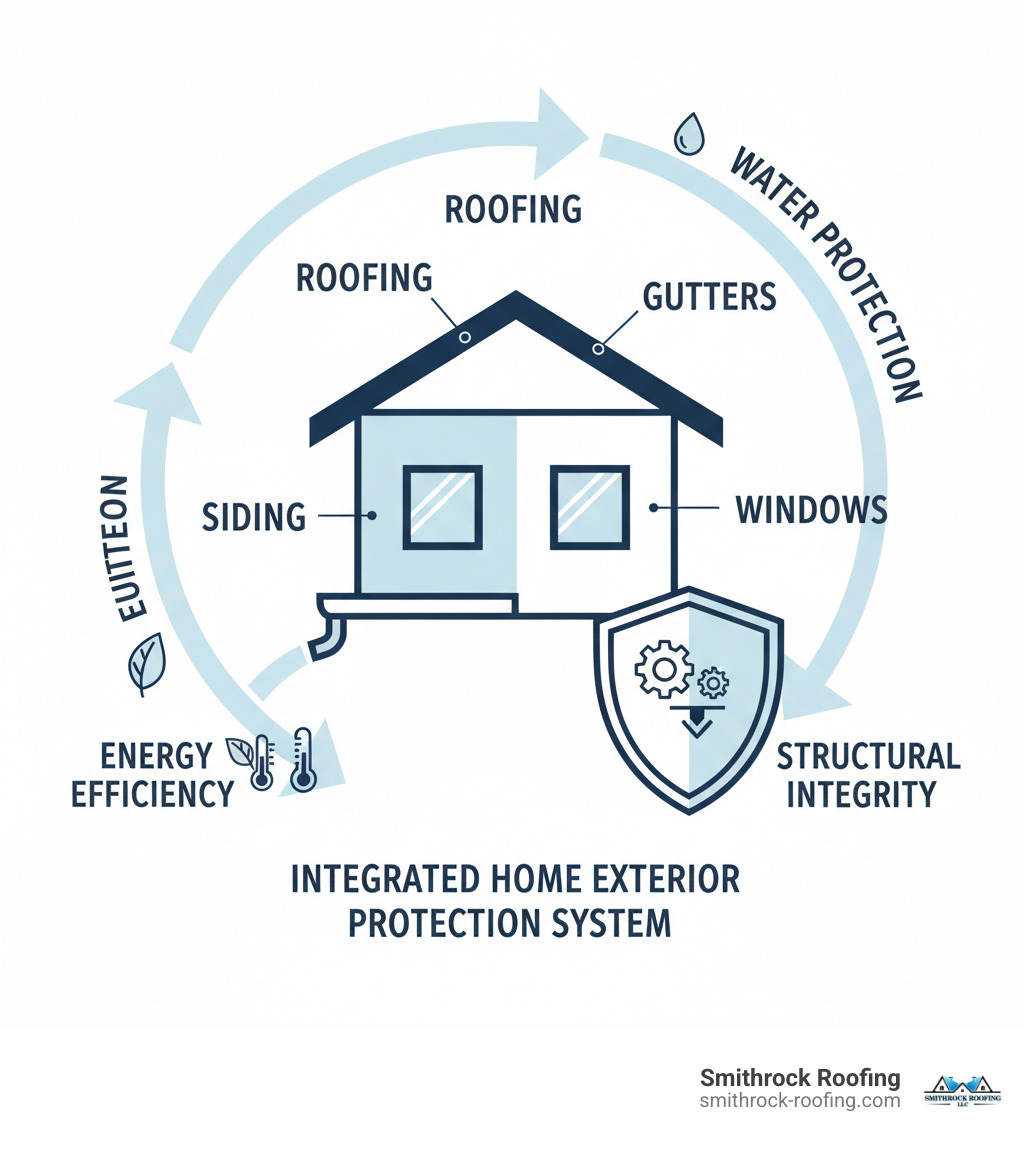
Choosing the best roofing and siding is one of the most significant and impactful decisions you will make as a homeowner. It is a direct investment in your family’s safety, your daily comfort, and your property’s long-term value. Throughout this guide, we’ve explored the critical considerations, from the rugged durability of standing seam metal roofing to the cost-effective versatility of modern vinyl siding. The single most important takeaway is that your home’s exterior is not a collection of separate parts, but a unified, integrated system. When your roof, siding, ventilation, windows, and gutters are chosen to work in harmony and are installed with expert craftsmanship, you achieve the highest levels of protection, energy efficiency, and curb appeal.
You are now equipped with the knowledge to recognize the warning signs that indicate a need for repair or replacement, and you understand the essential qualifications to look for when vetting a professional contractor. A major exterior project does not have to be a daunting or stressful experience. With a trusted professional partner who prioritizes clear communication, transparent pricing, and uncompromising quality, the process can be a smooth and rewarding transformation of your home.
We understand the unique challenges posed by the North Carolina climate, from intense summer sun and humidity to the potential for severe storms. We have built our reputation on knowing which materials and installation techniques will stand the test of time in this environment. Your home is your most valuable asset, and it deserves a partner who will guide you through every step with honesty, integrity, and deep expertise. By taking a holistic, systems-based approach to your home’s exterior, you can be confident that you are making a choice that will protect your family and your investment for decades to come.
For a comprehensive, no-obligation evaluation of your home’s exterior needs, contact us today. Let’s work together to give your home the lasting beauty and unwavering protection it deserves.