New siding styles are transforming the way homeowners think about their home’s exterior — and the options available today are more exciting, durable, and energy-efficient than ever before. As we move into 2025 and 2026, the focus has shifted from mere utility to a sophisticated blend of architectural expression and high-performance engineering. Homeowners are no longer satisfied with generic exteriors; they are seeking materials that tell a story, provide superior protection against a changing climate, and offer a maintenance-free lifestyle. The exterior of your home is the first impression you make on the world, and in today’s competitive real estate market, that impression needs to be both striking and structurally sound.
Here’s a comprehensive look at the top new siding styles trending in 2025 and 2026:
| Siding Style | Best For | Key Benefit |
|---|---|---|
| Board-and-Batten (Vertical) | Modern farmhouse, contemporary, mid-century modern | Creates an illusion of height, provides bold architectural lines, and offers a unique rhythmic texture. |
| Wide-Plank Lap Siding | Traditional, transitional, and coastal designs | Offers a cleaner, more modern horizontal look compared to traditional narrow laps, reducing visual clutter. |
| Mixed-Material Exteriors | All architectural styles, especially custom builds | Adds incredible depth, contrast, and curb appeal by combining different textures like stone, wood, and metal. |
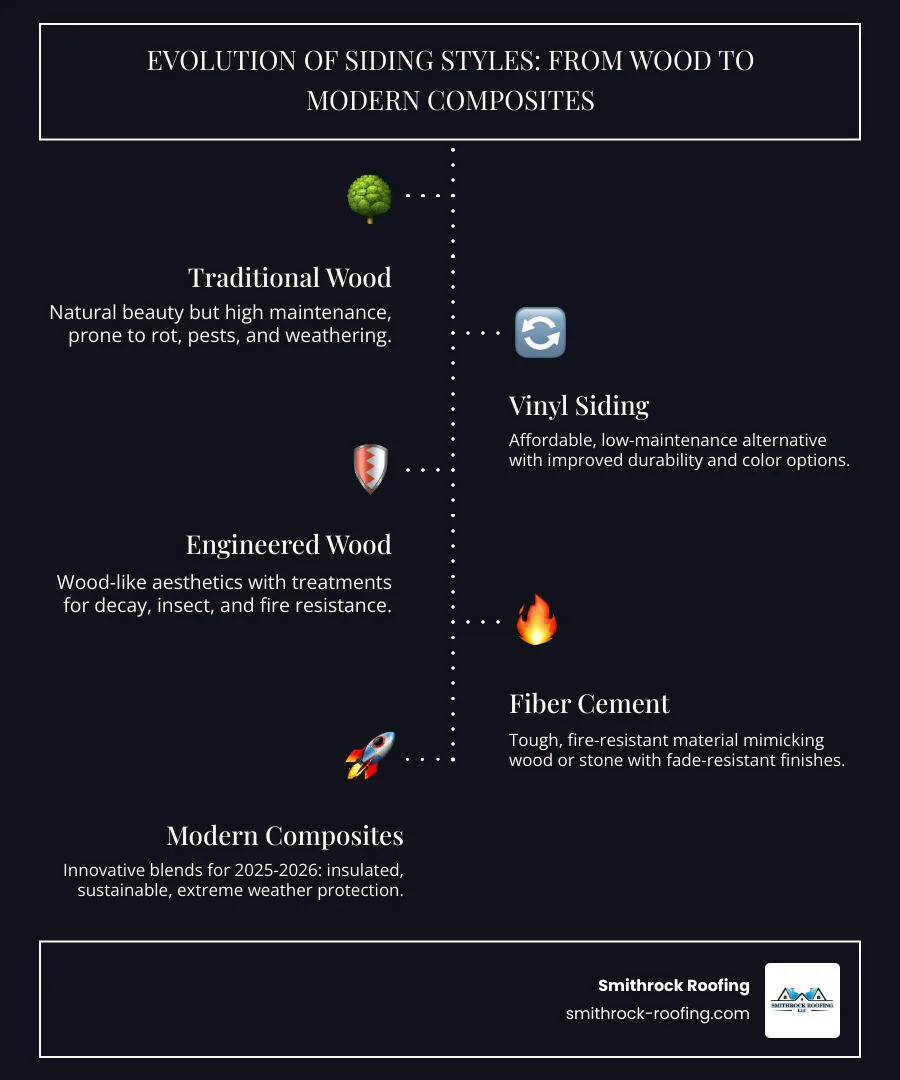
| Fiber Cement Panels | Wet, humid, or wildfire-prone climates | Exceptional durability, fire resistance, and the ability to mimic natural materials without the decay. |
| Engineered Wood | Wood-look enthusiasts who want low upkeep | Provides a warm, natural aesthetic with advanced resistance to moisture, fungal decay, and impact. |
| Textured Aluminum Cladding | Contemporary, industrial, and ultra-modern homes | Delivers a sleek, modern finish that is 100% recyclable and highly resistant to corrosion. |
| Stone Veneer Accents | Craftsman, rustic, farmhouse, and luxury estates | Adds visual weight, luxury appeal, and a sense of permanence to the home’s foundation or entryways. |
Your siding does two massive jobs that are critical to the longevity of your property. First, it acts as the primary protective envelope for your home. It shields the structural framing from wind-driven rain, invasive pests, and extreme temperature swings. In regions like the Piedmont Triad, where humidity can soar and storms can be unpredictable, this protective layer is your first line of defense against rot and structural degradation. Second, it defines the aesthetic identity of your home. It is the first thing people see from the street, and it sets the tone for the entire property’s value and character. A well-chosen siding style can increase your home’s value by tens of thousands of dollars while simultaneously reducing your monthly energy expenditures.
The problem many homeowners face is that they only consider siding when a failure occurs — such as a visible crack, a gap in the panels, or a sudden, unexplained spike in heating and cooling bills. By the time these symptoms appear, outdated or failing materials may already be compromising the home’s structural integrity and energy efficiency. Modern siding technology has evolved to prevent these issues before they start, utilizing advanced polymers, cementitious compounds, and treated wood fibers that outperform traditional materials by decades.
The good news is that today’s siding market has made massive leaps forward in both chemistry and design. Materials like fiber cement, engineered wood, and high-grade steel now perfectly mimic the intricate grain of natural cedar or the rugged texture of stacked stone — all without the constant cycle of scraping, painting, and sealing. Furthermore, the integration of insulated siding options helps create a continuous thermal barrier, which is essential for maintaining indoor comfort during the humid summers and chilly winters of North Carolina. This “thermal envelope” approach ensures that your HVAC system doesn’t have to work overtime to compensate for heat loss through the walls.
Whether you’re planning a full exterior refresh to increase your home’s marketability or you’re just beginning to explore the possibilities for a future project, understanding the nuances of these new siding styles helps you make a smarter, longer-lasting investment in your most valuable asset. The following sections will dive deep into the specific trends, materials, and technical considerations that are defining the next generation of home exteriors.
New siding styles further reading:
As we look toward the design landscape of 2025 and 2026, home exterior design is undergoing a fundamental shift away from the “one-size-fits-all” mentality that dominated previous decades. We are seeing a move toward architectural depth, intentionality, and visual storytelling. Homeowners in areas like Winston-Salem, Greensboro, and High Point are increasingly looking for ways to make their homes stand out in a crowded market while maintaining a sense of timelessness and regional relevance. The goal is no longer just to blend in with the neighborhood, but to elevate the neighborhood’s overall aesthetic through thoughtful design choices.
The most significant trend we’re witnessing is the strategic use of new siding styles to create focal points and architectural interest. Instead of wrapping an entire house in a single color or a single orientation, modern designs use siding to highlight specific features like gables, entryways, or architectural bump-outs. This approach creates a “custom build” feel even on existing homes, allowing for a level of personalization that was previously reserved for high-end luxury properties. By varying the texture and orientation of the siding, you can guide the viewer’s eye to the most attractive parts of your home’s architecture.
According to Zillow research on home features that sell, homes that incorporate modern farmhouse features—specifically board-and-batten siding—have historically seen a significant boost in buyer interest and final sale prices. This trend isn’t slowing down; it’s evolving into more sophisticated applications that blend traditional charm with modern performance standards. We are now seeing “Modern Farmhouse 2.0,” which incorporates darker color palettes and more industrial accents like black metal trim and oversized windows.
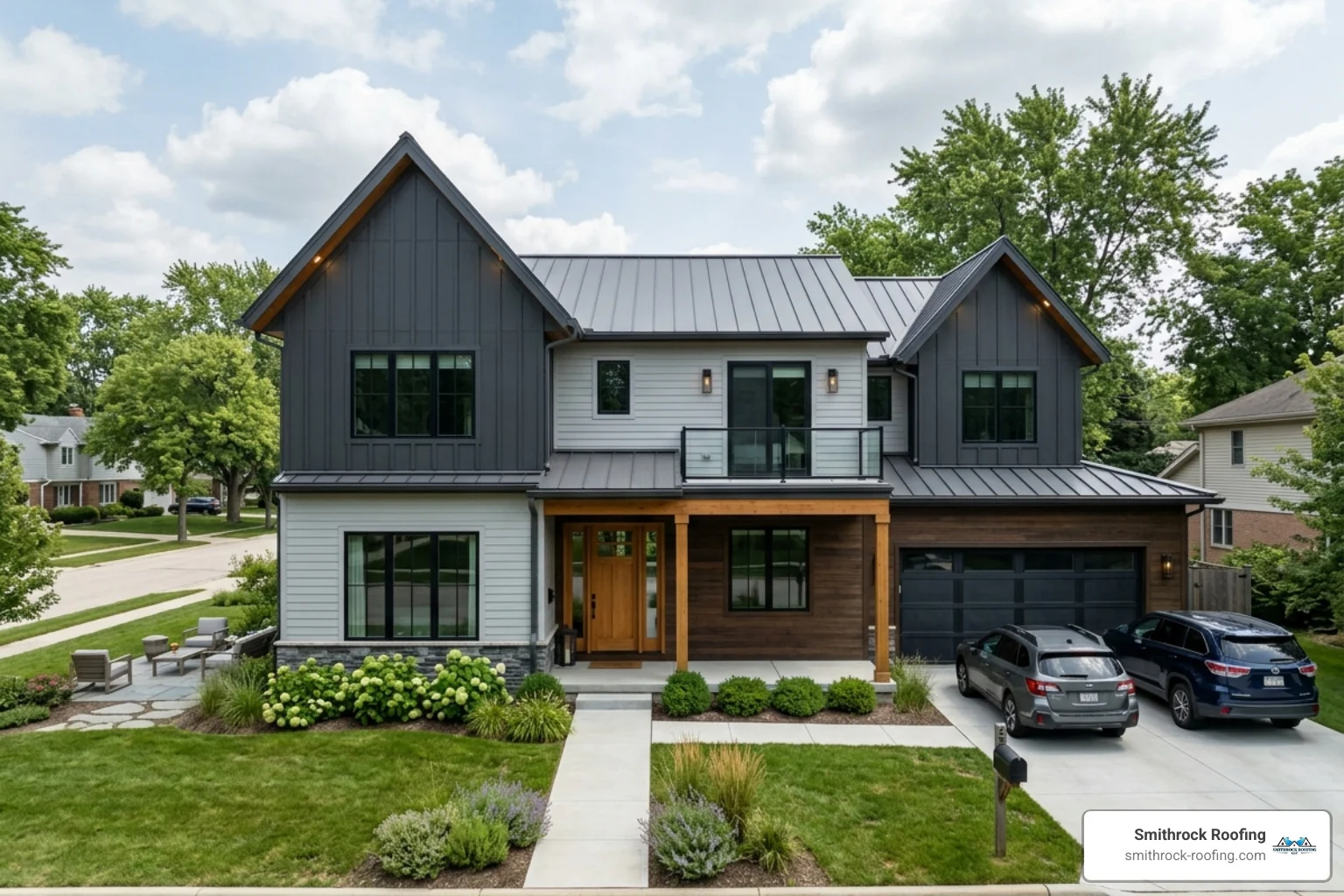
Vertical siding is no longer reserved for barns, industrial warehouses, or mid-century utility buildings. In fact, it has become one of the most sought-after new siding styles for residential properties across all price points. Board-and-batten, which has deep Scandinavian and American frontier roots, involves wide vertical boards joined by narrow strips (battens) that cover the seams. This creates a distinct shadow line and a sense of structural rhythm that horizontal siding simply cannot replicate. The depth of these shadow lines is a key design element, providing a changing look throughout the day as the sun moves across the sky.
Why is this style exploding in popularity? It all comes down to the “upward draw.” Vertical lines trick the eye into seeing more height, making a standard two-story home appear more stately, defined, and architecturally significant. It provides a clean, rhythmic look that offers both rustic charm and contemporary sophistication. In modern applications, we often see the batten spacing varied to create a more custom, asymmetrical look that fits perfectly with contemporary architectural designs. This flexibility allows homeowners to create a look that is uniquely theirs while still adhering to modern design principles.
For those exploring vinyl siding options, modern manufacturing now allows for deep wood-grain textures and pronounced shadow lines that make vinyl board-and-batten almost indistinguishable from real cedar from the curb. It’s a perfect way to add structural definition and character without the high maintenance requirements of traditional wood. The vertical orientation also has the practical benefit of shedding water more efficiently in certain configurations, reducing the likelihood of moisture retention in the seams and extending the life of the underlying structure.
The “mixed-material” look is perhaps the boldest of the new siding styles taking over the industry. This design philosophy involves pairing different textures—such as smooth fiber cement panels, rugged stone veneer, and sleek metal accents—to create a balanced, high-contrast exterior that feels curated rather than manufactured. This trend is driven by a desire for “tactile architecture,” where the physical feel and visual weight of materials play a role in the home’s overall impact.
We often see homeowners pair horizontal lap siding on the main body of the house with stone veneer around the foundation or the main entryway. This adds “visual weight” to the bottom of the home, making it feel more grounded, permanent, and luxurious. Aluminum cladding is also trending as a secondary material, often used on window surrounds, chimney stacks, or modern additions to provide a crisp, industrial edge. By mixing materials, you can also play with light and shadow; a matte fiber cement board paired with a slightly reflective metal trim can create a dynamic exterior that changes appearance throughout the day. This layering of materials not only looks beautiful but also allows for the use of the most durable material for each specific area of the home, such as using stone where the siding meets the ground to prevent moisture wicking.
Choosing a style is only half the battle; the material you choose determines how long that style remains beautiful and functional. In our experience working across North Carolina, from the foothills of King to the bustling neighborhoods of High Point, we’ve seen how local weather—characterized by high humidity, intense UV exposure, and occasional severe storms—can punish inferior materials. Selecting a high-performance substrate is the best way to ensure your investment pays off for decades. Modern materials are engineered at the molecular level to resist the specific stressors of our regional climate.
| Feature | Vinyl | Fiber Cement | Engineered Wood |
|---|---|---|---|
| Maintenance | Low (Occasional washing) | Low-Moderate (Long-term paint cycles) | Low (Advanced factory finishes) |
| Lifespan | 20-30 Years | 40-50 Years | 50 Years (Limited Warranty) |
| Fire Resistance | Low (Can melt in high heat) | High (Non-combustible) | Moderate (Treated for resistance) |
| Impact Resistance | Moderate | High | Very High (Resists hail and debris) |
If you want a material that essentially “future-proofs” your home, fiber cement is the gold standard. James Hardie products are engineered with a precise blend of cellulose fibers, sand, and cement, making them incredibly resistant to the elements. Unlike wood, fiber cement does not rot, warp, or attract termites. Unlike vinyl, it does not expand and contract significantly with temperature changes, which prevents the buckling and warping often seen in cheaper installations. This dimensional stability is crucial for maintaining the tight seals required for energy efficiency.
One of the biggest draws for fiber cement is James Hardie’s ColorPlus® Technology. This factory-applied finish is baked onto the boards in a controlled environment, offering superior fade resistance and adhesion compared to field-applied paint. This is vital for homeowners who want dark, moody colors like charcoal or deep navy that won’t turn chalky or uneven after a few harsh North Carolina summers. While understanding the real cost of Hardie board siding is important for any project, the long-term value—from fire safety ratings to pest prevention—often makes it the most cost-effective choice over several decades of homeownership. Furthermore, fiber cement is non-combustible, which can provide significant peace of mind and potentially lower insurance premiums in areas prone to wildfires or in high-density neighborhoods.
For those who love the warmth and authentic texture of real wood but dread the inevitable rot, woodpecker damage, and termite threats, engineered wood is a total game-changer. LP SmartSide uses the proprietary SmartGuard® process, which treats every wood strand with a combination of zinc borate, advanced resins, and waxes to resist fungal decay and moisture penetration. This process ensures that the material remains stable even in the face of extreme humidity and direct water contact.
The result is a lightweight, incredibly durable board that can be installed with fewer seams because it is available in 16-foot lengths, compared to the standard 12-foot lengths of fiber cement. This leads to a cleaner, more continuous look across long walls, which is a hallmark of modern design. If you aren’t sure how a specific texture or color would look on your property, you can visualize your home with LP SmartSide using their advanced online tools. With a 50-year limited warranty, it offers a level of peace of mind that natural cedar simply cannot match, providing the beauty of nature with the resilience of modern science. Engineered wood is also highly impact-resistant, making it an ideal choice for homes in areas prone to large hail or high winds where flying debris might be a concern.
Color is the most immediate and impactful way to signal that a home has been updated and cared for. The “beige era” of the late 90s and early 2000s is officially behind us. Today’s new siding styles are defined by intentionality—bold, saturated choices that make a statement and harmonize with the surrounding landscape. We are seeing a shift toward colors that evoke emotion and create a sense of place, rather than just providing a neutral backdrop.
We are seeing a massive surge in “saturated darks” across the Piedmont Triad. Colors like Iron Gray, Deep Navy, and Forest Green are becoming staples in modern residential design. These colors provide a sense of drama, weight, and sophistication that lighter shades often lack. They allow the architectural lines of the home to stand out, especially when paired with crisp white or black window frames. Darker exteriors also have the benefit of making a home appear more substantial and grounded within its environment.
When choosing these darker palettes, UV protection is the most critical factor. Darker colors absorb more heat and are more prone to fading if the material isn’t engineered correctly. Products like Everlast siding offer extreme fade resistance, ensuring that your “Midnight Black” or “Deep Spruce” doesn’t become a “Dull Charcoal” or “Faded Sage” in just a few years. These dark tones look particularly striking when paired with high-contrast white trim or natural wood-toned accents, creating a balanced look that feels both modern and organic. The use of “Scandi-Noir” aesthetics—all-black or very dark gray exteriors—is also gaining traction for those seeking a truly avant-garde look.
While dark colors are trending, there is also a sophisticated return to warm neutrals. However, these aren’t the flat, yellow-beiges of the past; they are complex, organic tones that mimic natural stone, sand, and clay. Think Almond White, Soft Taupe, and “Sand Dunes” (which is gaining traction as a top color for 2026). These shades provide a serene, welcoming aesthetic that works beautifully in wooded lots or established neighborhoods. They offer a timeless appeal that feels fresh and modern without being overly aggressive.
Pairing these warm neutrals with cedar-textured gables or wood-look metal siding creates a home that feels deeply connected to nature—a concept known as biophilic design. As noted in this guide to choosing house siding, the goal is to find a balance that fits both your personal style and the architectural context of your neighborhood. By using wood-look accents in areas like the porch ceiling or the peaks of gables, you can add warmth and texture without the maintenance burden of real wood siding. This approach allows homeowners to enjoy the “hygge” or cozy feeling of wood while benefiting from the longevity of modern composites.
Living in the Piedmont Triad means your home must withstand a variety of environmental stressors, including high humidity, occasional ice storms, and the relentless summer sun. Your siding needs to be more than just a pretty face; it needs to function as a high-performing thermal envelope that protects your interior environment and your financial investment. Strategic material selection is the key to ensuring that your home remains a safe, comfortable, and valuable asset for decades to come.
Siding replacement is consistently ranked by remodeling experts as one of the best home improvements for Return on Investment (ROI). Beyond the immediate boost in curb appeal, high-quality siding can actually lower your long-term ownership costs. As Insurance.com points out, insurance companies often favor non-combustible or impact-resistant materials like fiber cement or steel. In some cases, upgrading to these materials can lead to lower premiums because the home is less susceptible to fire and hail damage. This is a direct financial benefit that many homeowners overlook when calculating the cost of their project.
Furthermore, modern insulated siding acts as a “blanket” for your home. Most traditional siding is installed directly over a house wrap, but heat can still escape through the wooden studs of your walls—a process known as thermal bridging. By adding a layer of rigid foam insulation behind the siding panels, you break that thermal bridge, significantly increasing the R-value of your walls. This leads to a more consistent indoor temperature, reduced strain on your HVAC system, and lower utility bills year-round. In a climate like North Carolina’s, where both heating and cooling are significant expenses, the energy savings can be substantial over the life of the siding.
Sustainability is no longer a niche concern; it’s a core trend for 2026. Homeowners are increasingly looking for materials with high recycled content and lower carbon footprints. The longevity of a material is also a key factor in its sustainability; a product that lasts 50 years is inherently more eco-friendly than one that needs to be replaced and landfilled every 15 years. We are seeing a move toward “circular economy” principles in the construction industry, where materials are designed to be reused or recycled at the end of their life.
When comparing vinyl vs Hardie board siding, many homeowners now factor in the environmental impact of the manufacturing process alongside the durability and aesthetic value of the product. Choosing a sustainable material is a way to ensure your home is part of a greener future while enjoying the benefits of modern technology. By investing in high-quality, sustainable siding, you are making a choice that benefits both your family and the planet.
Fiber cement and steel are the top contenders for extreme weather resilience. Fiber cement is non-combustible, meaning it won’t ignite when exposed to direct flame, and it is immune to rot and wood-boring insects. This makes it ideal for the humid and storm-prone climate of North Carolina. Seamless steel siding offers incredible impact resistance against large hail and high winds. For our local North Carolina climate, both are excellent choices because they handle high humidity and rapid temperature swings without warping or losing their structural integrity. Additionally, engineered wood like LP SmartSide is highly rated for impact resistance, often outperforming fiber cement in laboratory hail tests.
They impact it significantly and positively. Appraisers look for “comparable” properties, and homes that utilize high-quality, modern materials—like fiber cement planks paired with genuine stone veneer accents—are often categorized as premium properties. This architectural diversity signals to both appraisers and potential buyers that the home has been maintained with high-end materials, which can increase a home’s appraised value by tens of thousands of dollars compared to homes with basic, single-material siding. It also reduces “days on market” because the home has a more modern and appealing look that stands out in listing photos.
Expect to see a continued move toward “earthy” saturated tones. Deep forest greens, charcoal grays with blue undertones, and warm, sandy whites are leading the way. We are also seeing a rise in “monochromatic” schemes where the siding, trim, and gutters are all the same dark color, creating a very modern, seamless look. Wood-look accents, particularly in vertical orientations like board-and-batten, will continue to be the preferred way to add organic warmth to these modern, darker palettes. The goal is to create a home that feels integrated into its natural surroundings while still maintaining a crisp, modern edge.
Yes, especially if you opt for insulated siding or add a high-quality house wrap and rigid foam backing during installation. Standard siding provides a weather barrier, but insulated siding provides a thermal barrier. This reduces “thermal bridging,” where heat is transferred through the wall studs. By wrapping the entire exterior in a layer of insulation, you can significantly reduce the energy required to heat and cool your home, making it more comfortable and less expensive to operate. Many homeowners report a noticeable reduction in outside noise as well, as the extra insulation acts as a sound dampener.
While every home is different, a professional siding installation for an average-sized home typically takes between 7 to 14 days. This includes the removal of old materials, inspection of the underlying sheathing for rot, installation of the weather barrier, and the precise fitting of the new siding and trim. Choosing complex styles like mixed materials or board-and-batten may add a few days to the timeline due to the detailed cutting and fitting required, but the result is a much more custom and durable finish. A professional crew will also ensure that all flashing and caulking are done to manufacturer specifications to protect your warranty.
While it is technically possible in some cases (such as installing vinyl over old wood siding), it is generally not recommended. Removing the old siding allows contractors to inspect the underlying structure for water damage, rot, or pest infestations that would otherwise be trapped behind the new material. Starting with a clean, flat surface also ensures that the new siding is installed correctly and looks its best. Most manufacturer warranties also require installation over a proper weather-resistive barrier on the bare sheathing.
Maintenance requirements vary by material, but most modern siding is designed to be low-maintenance. For vinyl and engineered wood, an annual wash with a garden hose and a soft brush is usually sufficient to remove dust and pollen. Fiber cement may require repainting every 15-20 years, depending on the finish used. It’s also important to keep gutters clean and ensure that landscaping is trimmed back at least 6-12 inches from the siding to prevent moisture buildup and physical damage. Regularly checking the caulking around windows and doors is also a good practice to maintain the home’s watertight seal.
At Smithrock Roofing, we believe that your home deserves an exterior that is as resilient as it is beautiful. The evolution of new siding styles has provided homeowners with an unprecedented opportunity to customize their properties while significantly enhancing their protection and energy efficiency. Whether you are located in Winston-Salem, Mount Airy, Greensboro, or the surrounding Piedmont Triad, choosing the right siding is about finding the perfect balance between current architectural trends and long-term structural performance. We understand that a siding project is a major investment, and we are committed to helping you make choices that will serve you well for decades.
As a Premier ShingleMaster Certified contractor, we bring the same level of meticulous expertise, high standards, and attention to detail to our siding installations as we do to our award-winning roofing projects. We specialize in high-quality products from industry-leading brands like Norandex, CertainTeed, James Hardie, and LP SmartSide. Our goal is to ensure that your investment not only looks spectacular on the day of installation but continues to stand the test of time against the elements for decades to come. We take pride in our craftsmanship and our ability to handle complex, multi-material designs that require a high degree of technical skill.
If you’re ready to transform your home’s curb appeal, improve its thermal performance, and increase its overall market value, our team is here to guide you through every step of the process. From the initial design consultation where we help you select the perfect color and texture, to the final piece of custom-fitted trim, we focus on quality craftsmanship and total customer satisfaction. We understand that your home is your sanctuary, and we treat every project with the respect and care it deserves. Our comprehensive approach ensures that every detail, from the house wrap to the final bead of caulk, is executed to the highest professional standards.
Ready for a refresh? Contact us for a siding consultation today. Let’s discuss your vision, explore the latest materials, and build something beautiful together that will protect your family and enhance your lifestyle for years to come. Whether you are looking for the classic charm of board-and-batten or the sleek, modern look of fiber cement panels, we have the expertise to bring your vision to life with precision and care.
Need a local pro? Learn more about our siding installation and repair in Greensboro.

Smithrock Roofing © Copyright 2026 • All Rights Reserved • Privacy Policy • Maintained by Mongoose Digital Marketing