Understanding Aluminum Siding for Your Home
Searching for aluminum siding companies near me indicates you’re looking for a durable, low-maintenance, and cost-effective solution for your home’s exterior. Aluminum siding is a proven material that helps your home stand up to the elements, improves energy efficiency, and boosts curb appeal. If you’re weighing your siding options, this comprehensive guide provides the detailed information you need to make a confident decision.
Quick Overview: Finding the Right Aluminum Siding Partner
Choosing the right contractor is as important as choosing the right material. When searching for local professionals, focus on these non-negotiable criteria to ensure a successful project:
- Licensing and Insurance: This is your primary protection. A valid contractor’s license proves they meet state requirements. General liability insurance covers property damage, while workers’ compensation covers injuries on-site, preventing you from being held financially responsible for accidents.
- Experience: Look for companies with a proven track record of at least 5-10 years specifically installing aluminum siding. An experienced installer understands the nuances of the material, ensuring it’s fitted correctly to allow for thermal expansion and prevent future issues.
- References and Portfolio: Reputable companies are proud of their work. Ask for a list of recent local projects and speak to past customers about their experience with communication, timeliness, and overall quality.
- Comprehensive Warranties: A quality installation is backed by two warranties. The manufacturer’s warranty covers defects in the siding material itself, while the contractor’s workmanship warranty covers installation errors. A strong workmanship guarantee is a sign of a confident, skilled team.
- Detailed Written Estimates: Never rely on a verbal quote. Get at least three itemized estimates that break down the costs for materials, labor, permits, debris removal, and a projected timeline. This allows for an accurate comparison and prevents surprise costs.
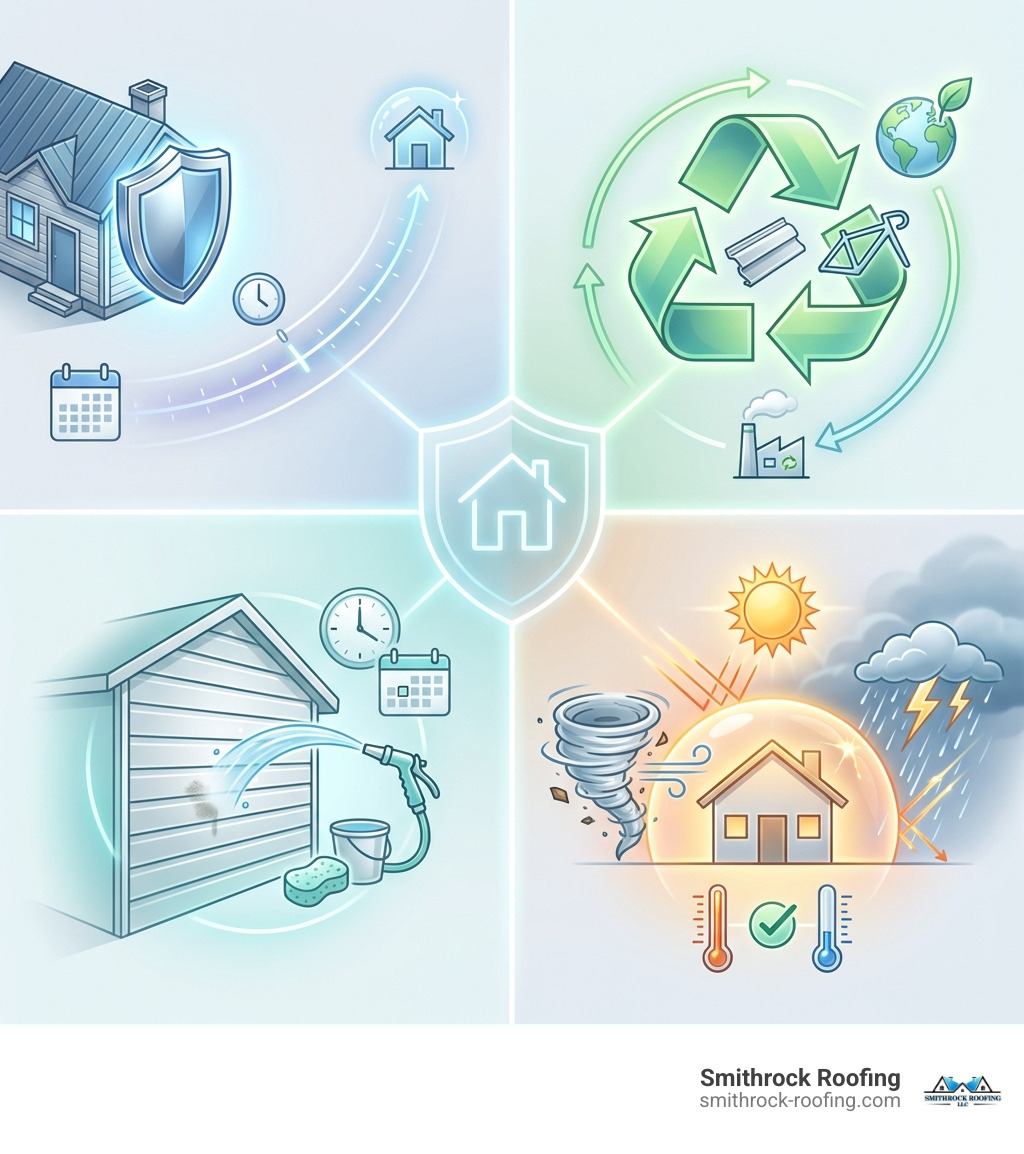
Your home’s siding is its first line of defense against a constant barrage of weather, pests, and temperature extremes. It forms a critical part of the building envelope, shielding the underlying structure from moisture, wind, and UV radiation. When siding fails—developing cracks, warping, or pulling away from the walls—it creates a pathway for water to seep in, leading to rot, mold, and structural decay. Pests like termites and carpenter ants can exploit these openings, causing further damage. This is why choosing a resilient material like aluminum is a modern, practical choice for homeowners seeking long-term durability without the burden of constant upkeep. Unlike wood that rots and requires frequent painting, or vinyl that can crack in cold weather and warp in extreme heat, aluminum is lightweight, non-combustible, rust-proof, and fully recyclable, standing firm through decades of harsh weather.
This guide will walk you through every aspect of aluminum siding, from detailed material comparisons and identifying signs of failure to understanding its lifespan and finding skilled local professionals for a flawless installation. Whether you’re aiming to lower high utility bills, eliminate recurring maintenance, or give your home a fresh, updated look, understanding your siding options is the first and most important step.

Easy aluminum siding companies near me glossary:
Decoding the Appeal: Why Choose Aluminum Siding?
Aluminum siding is a smart, sustainable investment for homes in Winston-Salem and surrounding areas. First introduced as a durable alternative to high-maintenance wood siding after World War II, it has since evolved into a sophisticated cladding material. It stands out by offering a unique combination of resilience, style, and environmental benefits that protect and beautify your home.
The Core Benefits of Aluminum Siding
Aluminum siding brings a robust set of advantages that make it a perennial favorite among discerning homeowners and experienced contractors.
- Exceptional Durability: Modern aluminum siding is engineered to last. Its strength resists common issues like cracking, splitting, and warping that can plague other materials. The thickness, or gauge, of the aluminum plays a role; a heavier gauge offers greater resistance to denting from hail or accidental impacts.
- Lightweight Nature: Aluminum is one of the lightest siding materials available. This characteristic makes it easier, faster, and safer to install, which can translate into lower labor costs and shorter project timelines compared to heavy materials like fiber cement or brick.
- Rust-Proof Qualities: Unlike steel, aluminum does not rust. It naturally forms a protective layer of aluminum oxide when exposed to air, which prevents corrosion. This makes it an ideal choice for humid or coastal climates, ensuring long-term structural integrity and a pristine appearance without the threat of rust stains.
- Fire-Resistance: As a non-combustible material, aluminum siding will not ignite or spread flames. It typically carries a Class A fire rating, offering the highest level of fire protection for your home’s exterior and providing invaluable peace of mind.
- Pest and Rot Imperviousness: Wood-boring insects like termites, carpenter ants, and powderpost beetles cannot penetrate aluminum. Furthermore, because it is a metal, it is completely immune to the fungal decay and rot that destroys wood siding over time, saving you from costly treatments and structural repairs.
- Low Maintenance: Aluminum siding’s factory-applied finish is incredibly durable and long-lasting. It requires only occasional cleaning with mild soap and water to remove dirt and grime, freeing you from the endless cycle of scraping, sanding, and repainting demanded by wood.
For more information on our comprehensive siding options, visit our dedicated page: More info about siding options.
Aluminum vs. Other Siding Materials
To fully appreciate aluminum siding, it helps to see how it compares to popular counterparts like vinyl and fiber cement across several key metrics.
| Attribute | Aluminum Siding | Vinyl Siding | Fiber Cement Siding |
|---|
| Durability | Excellent; resists rust, rot, pests, fire. Can dent. | Good; resists rot, pests; can crack in cold or warp in heat. | Excellent; resists rot, pests, fire. Very impact-resistant. |
| Maintenance | Low; occasional cleaning; can be repainted for a new look. | Very Low; occasional cleaning; color is integral, cannot be repainted. | Low; occasional cleaning; requires repainting every 10-15 years. |
| Fire Resistance | Non-combustible (Class A). | Melts/warps when exposed to high heat; can release harmful fumes. | Non-combustible (Class A). |
| Eco-Friendliness | Highly recyclable and often made from recycled content. | Less recyclable than aluminum; PVC production is energy-intensive. | Durable, but manufacturing is energy-intensive and creates silica dust. |
| Cost (Installed) | Moderate. | Low to Moderate. | High. |
| Lifespan | 20-40 years. | 20-40 years. | Around 50 years or more. |
As the table shows, aluminum shares many benefits with other durable sidings but excels with its combination of fire resistance, recyclability, and rust-proof nature. While vinyl is often the most affordable option, it can become brittle in freezing temperatures and may melt from a nearby grill or reflected sunlight. For a deeper dive, explore our vinyl siding options.
Fiber cement, like James Hardie, is incredibly durable and long-lasting but is significantly heavier, more expensive, and requires eventual repainting to maintain its appearance. We explore these nuances in our article: Vinyl vs Hardie Board Siding.
Modern Styles and Environmental Perks
Aluminum siding has shed its outdated reputation. Gone are the days of limited, drab options; today’s aluminum offers a diverse palette of styles, textures, and finishes to dramatically improve curb appeal.

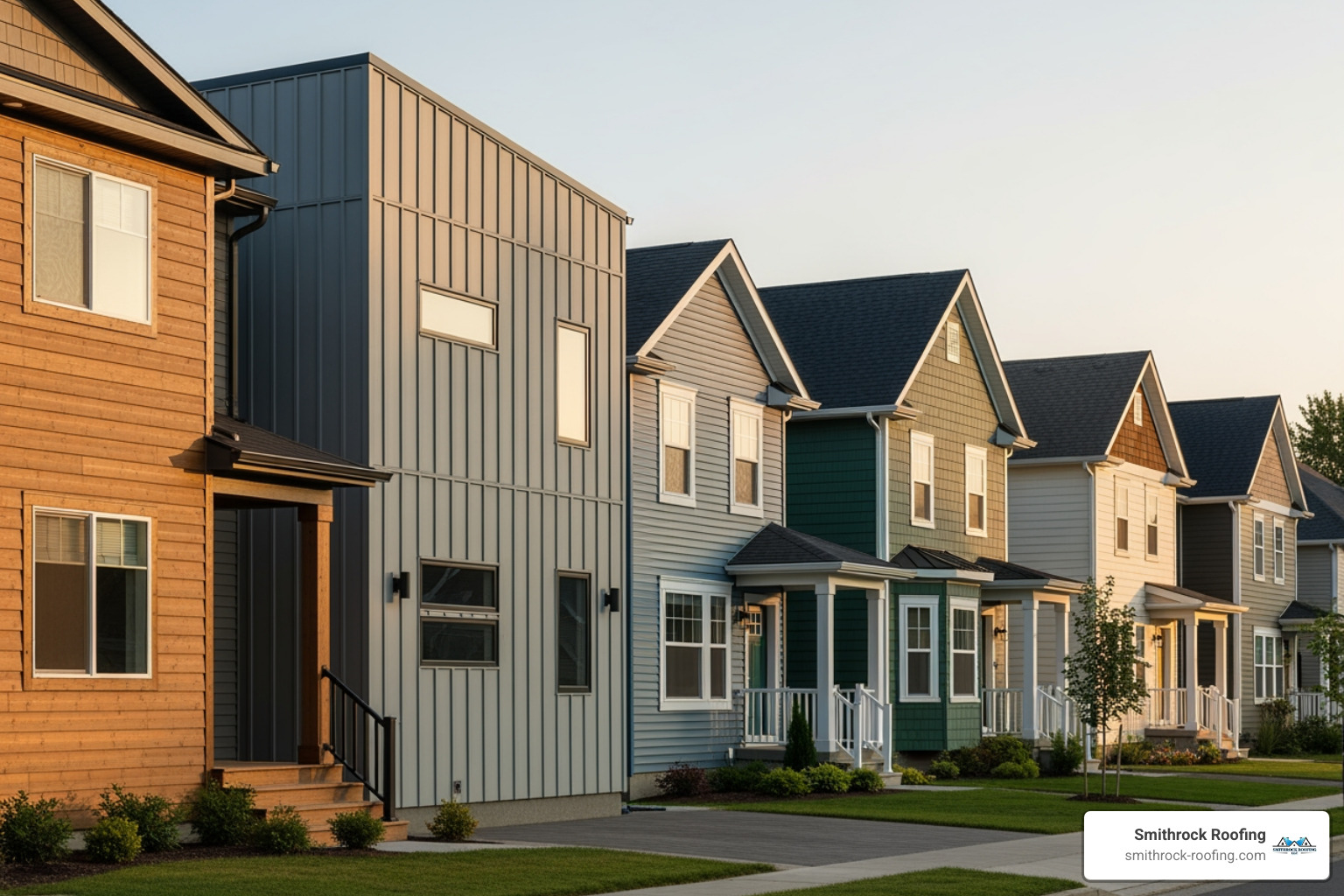
Sophisticated finishes like multi-tone wood-grain textures convincingly mimic the look of cedar or pine without any of the maintenance headaches. Smooth, low-gloss matte textures provide a sleek, contemporary aesthetic perfect for modern architecture. You can choose from classic horizontal lap panels, modern vertical board-and-batten styles, and even shake or shingle profiles for a more traditional look. The range of color options is vast, with durable, baked-on finishes that resist fading for years.
From an environmental standpoint, aluminum siding is a champion of sustainability. It is one of the most recycled materials on the planet, and new siding is often made with significant recycled content, reducing landfill waste and conserving natural resources. Its reflective properties can also improve your home’s energy efficiency. By reflecting radiant heat from the sun, it can help lower cooling costs in warmer months, especially when lighter colors are chosen. For even greater thermal performance, insulated aluminum siding is available, which includes a foam backing that increases the wall’s overall R-value.
Is It Time for a Siding Upgrade? Telltale Signs to Watch For
Even the most durable siding has a finite lifespan. Recognizing the early warning signs that you need an upgrade is crucial for protecting your home’s value, structural integrity, and energy efficiency. Here are the key indicators that it’s time to call aluminum siding companies near me for a professional assessment.
Visible Damage and Wear
A thorough walk around your home’s exterior can reveal obvious signs that your siding’s protective capabilities are compromised:
- Cracks, Chips, and Holes: These are direct breaches in your home’s armor. Even small openings allow moisture to seep behind the siding, promoting mold growth and wood rot in the sheathing and wall studs. They also serve as an open invitation for insects.
- Dents and Warping: While robust, aluminum can be dented by severe hail, stray baseballs, or a poorly placed ladder. Significant denting is not just a cosmetic issue; it can create depressions where water can pool. Warping or buckling can occur from improper installation or extreme temperature shifts over many years, breaking the watertight seal between panels.
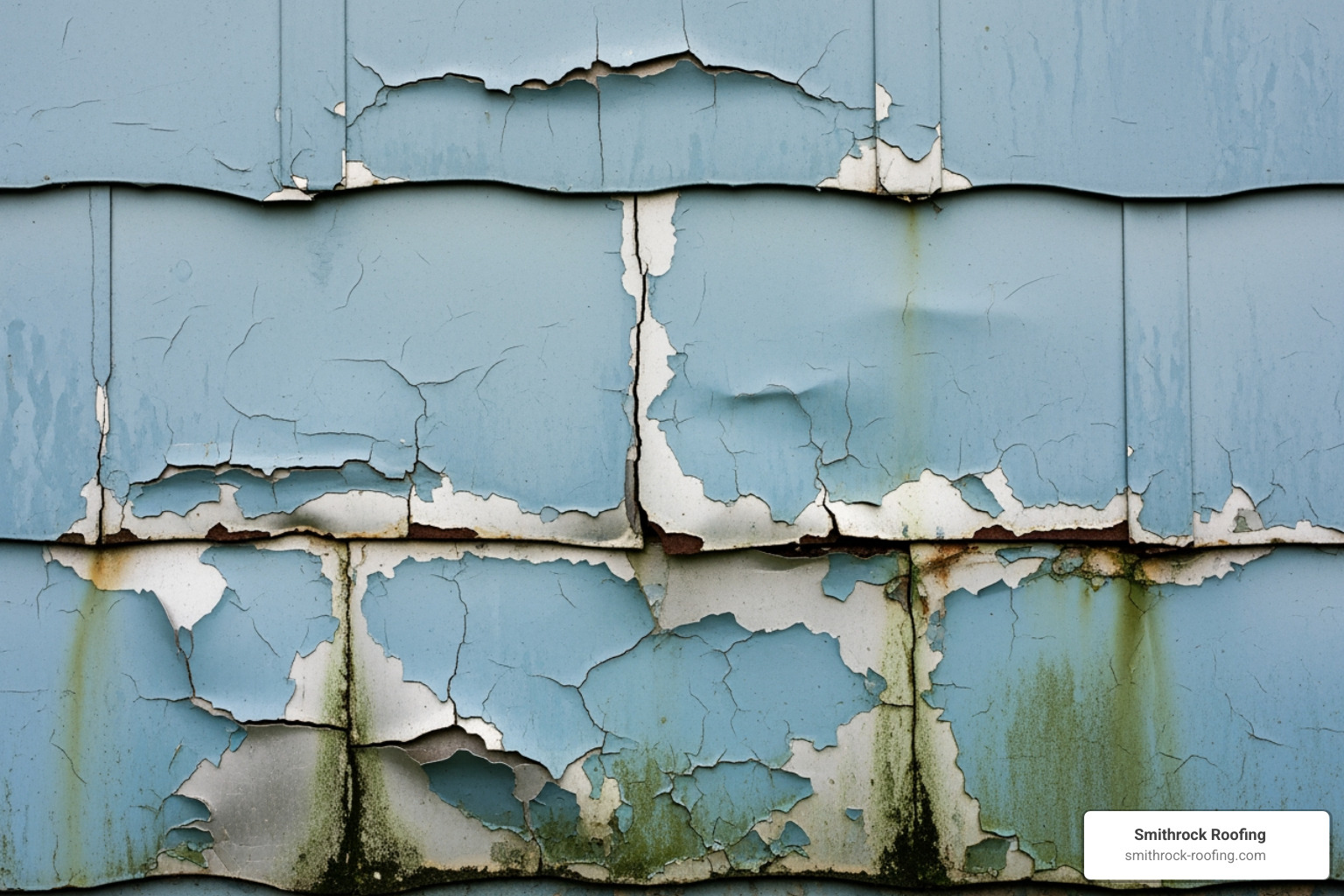
- Bubbling, Blistering, or Chalking: On painted aluminum, bubbling or blistering is a clear sign that the bond between the paint and the metal has failed, usually due to moisture trapped underneath. Older aluminum siding develops a powdery, chalky residue as the finish oxidizes and breaks down over time. This indicates the protective coating is gone, leaving the metal more vulnerable.
- Significant or Uneven Color Fading: All siding fades over time due to UV exposure, but excessive or uneven fading makes your home look dated and signals that the finish’s protective qualities are degrading. This is more than an aesthetic problem; it means the siding is losing its ability to resist the elements.
- Loose or Rattling Panels: Siding panels should be securely fastened to your home. If you hear rattling during windy days or can physically move a panel, it’s a strong sign of installation failure or broken fasteners. A loose panel can be easily torn off in a storm, exposing a large section of your home to immediate water damage.
Even minor issues can escalate into major, expensive problems. Addressing them promptly is the most cost-effective strategy. For concerns about existing damage, our Siding Repair services can provide a solution.
Sometimes, the most serious siding problems aren’t immediately visible but manifest in other ways throughout your home.
- Unexplained Increases in Energy Bills: Your siding is part of your home’s thermal envelope. If it’s compromised, it can no longer effectively protect the insulation within your walls. This leads to heat loss in the winter and heat gain in the summer, forcing your HVAC system to work harder and driving up your utility bills.
- Evidence of Mold, Mildew, or Fungus: The appearance of mold or mildew on your siding, especially near seams, can indicate moisture is being trapped. If you notice a musty smell or see mold growth on interior walls, it could be a result of water penetrating through failed siding and soaking the wall cavity.
- Water Stains Appearing on Interior Walls: This is a serious red flag that demands immediate attention. Stains, peeling paint, or damp spots on your home’s interior walls are a definitive sign that water has breached your siding, weather barrier, and sheathing, and is now damaging your interior finishes and structure.
- Signs of Dry Rot Beneath the Siding: Dry rot is a destructive fungus that consumes the cellulose in wood, leaving it brittle and structurally useless. If you can gently poke an awl or screwdriver into the wood trim or sheathing behind your siding and it feels soft and spongy, you likely have dry rot caused by prolonged moisture exposure from failing siding.
If you notice any of these symptoms, a professional inspection is essential. Our Shingle Siding Repair Complete Guide offers more valuable insights. An assessment by experienced aluminum siding companies near me can pinpoint the root cause and recommend the best course of action, whether it’s a targeted repair or a full replacement.
The Long Haul: Lifespan, Maintenance, and Weather Performance
Understanding the long-term performance and upkeep of new siding is a critical part of your investment decision. Aluminum offers a highly reliable combination of impressive longevity, minimal maintenance, and robust weather performance, making it an excellent choice for homeowners in our region who value durability and peace of mind.
The Lifespan of Aluminum Siding
When properly installed and maintained, high-quality aluminum siding typically lasts anywhere from 20 to 40 years, providing decades of reliable protection and aesthetic appeal. In many cases, it can last even longer.
Several key factors influence this longevity:
- Quality of the Material: Not all aluminum siding is created equal. The thickness (gauge) of the panels is a primary factor; thicker, heavier-gauge siding is more resistant to denting and damage. The quality of the factory-applied finish also determines its resistance to fading and chalking.
- Installation Quality: This is arguably the most critical factor. Expert installation by experienced aluminum siding companies near me is paramount. Proper techniques—such as correct nailing patterns, leaving adequate room for expansion and contraction, and correctly flashing windows and doors—prevent the most common causes of premature failure, like buckling and water intrusion.
- Local Climate and Exposure: A home in a region with frequent hailstorms, extreme temperature swings, or high UV exposure may see a lifespan on the lower end of the range. However, aluminum is generally well-suited to handle a wide variety of climates.
- Maintenance Practices: While low-maintenance, aluminum siding is not zero-maintenance. Simple, regular cleaning to remove environmental pollutants and inspecting seams annually can significantly extend your siding’s functional life and appearance.
Compared to other materials, aluminum holds its own. Vinyl siding also has a projected lifespan of 20 to 40 years, but it can become brittle with age. Fiber cement siding often boasts a lifespan of around 50 years or more, though it requires repainting. For a holistic view of durable exteriors, see our insights on Best Roofing and Siding.
Simple Maintenance for Maximum Durability
The enduring beauty of aluminum siding lies in its durability and remarkably low maintenance requirements, freeing you from the frequent and costly painting or staining that wood siding demands.
Here’s a simple guide to keeping your aluminum siding in top condition:
- Routine Cleaning: The primary task is a gentle wash once or twice a year to remove accumulated dirt, pollen, and pollution. Use a soft-bristled brush or cloth with a solution of mild detergent and water. Rinse thoroughly with a garden hose, starting from the top and working your way down. It is critical to avoid high-pressure washers, which can dent the aluminum, strip the finish, or force water behind the panels.
- Repainting for a Fresh Look: One of aluminum’s advantages over vinyl is that you can repaint it. If the original color has faded or you simply want a change, you can give your home a complete makeover. Proper surface preparation is essential: the siding must be completely clean and free of chalking, followed by a light scuff-sanding and application of a bonding primer designed for metal surfaces before applying a high-quality acrylic latex exterior paint.
- Addressing Minor Dents and Scratches: Small dents can sometimes be pulled out using a suction-cup dent puller or carefully pushed out from behind if accessible. Alternatively, they can be filled with an automotive body filler, sanded smooth, primed, and painted. Minor scratches can be touched up with color-matched paint to prevent any potential for oxidation and maintain a uniform appearance. For larger damage, it’s best to consult professional aluminum siding companies near me about replacing the affected panel.
How Aluminum Siding Stands Up to the Elements
Aluminum siding is engineered to perform reliably and protect your home across a wide spectrum of weather conditions, from hurricane-force winds to blistering heat and freezing cold.
- Excellent Performance in High Winds: When installed correctly according to manufacturer specifications, aluminum siding panels interlock and are securely fastened, providing excellent resistance to strong gusts and wind-driven rain. High-quality installations are designed to meet local wind load requirements and remain in place during significant storms.
- Resistance to Extreme Temperatures: Aluminum performs exceptionally well in both heat and cold. Unlike vinyl, which can become brittle and crack in sub-zero temperatures or warp and sag in extreme heat, aluminum maintains its structural integrity and shape with minimal expansion and contraction.
- Durability in Coastal Areas with Salty Air: Aluminum’s inherent rust-proof nature is a significant advantage in coastal environments. The durable, factory-applied finishes provide a robust barrier against the corrosive effects of salt spray, making it a superior choice to steel or improperly protected wood in these areas.
- Waterproof Qualities that Prevent Moisture Intrusion: A properly installed aluminum siding system is designed to be completely waterproof. The overlapping, interlocking panels, combined with appropriate flashing and a weather-resistive barrier underneath, create a multi-layered defense that effectively sheds water away from your home’s structure, preventing rot, mold, and costly water damage.
How to Find Reputable Aluminum Siding Companies Near Me
A quality installation is just as crucial as the siding material itself. The most advanced, durable siding will fail if installed improperly. A great contractor ensures your siding performs as expected for decades, looks beautiful, and that your investment is protected. Here’s a step-by-step guide to finding and vetting the best local professionals for your project.
Your Search Strategy for “Aluminum Siding Companies Near Me”
A structured approach will help you efficiently narrow your search for aluminum siding companies near me to a shortlist of reputable, experienced, and trustworthy professionals.
- Use Trusted Online Directories: Start with well-regarded platforms like Houzz, Angi, and the Better Business Bureau (BBB). You can find local pros on Houzz to filter by service and location, such as Winston-Salem or Clemmons. These sites provide verified reviews, project portfolios, and company history to help you get an initial sense of a company’s work and reputation.
- Ask for Local Recommendations: Word-of-mouth remains one of the most powerful vetting tools. Ask friends, family, and neighbors in Winston-Salem, King, or nearby communities for referrals. Inquire not just about the final result, but about the entire process: Was the crew professional? Was the communication clear? Was the project completed on time and on budget?
- Verify Licenses and Insurance (Non-Negotiable): This is a critical step for your protection. Before you even schedule an estimate, ask for proof of a current state contractor’s license, general liability insurance, and workers’ compensation insurance. A reputable contractor will provide these documents without hesitation. This protects you from liability for on-site accidents and ensures the contractor is legally permitted to perform the work.
- Read Reviews and Testimonials Deeply: Look beyond the 5-star ratings. Read a mix of positive and negative reviews to understand a company’s strengths and weaknesses. Pay close attention to how the company responds to negative feedback; a professional and proactive response is a sign of good customer service and accountability. You can check siding contractors on BBB for complaint history and resolutions.
- Check with Building Material Suppliers: Local siding and building material suppliers often have firsthand knowledge of the best contractors. They know who buys quality materials, pays their bills on time, and has a steady stream of work—all indicators of a well-run, reliable business.
Vetting Your Potential Contractor: Key Questions to Ask
Once you have a shortlist of 3-4 aluminum siding companies near me, it’s time to conduct interviews. Vetting them thoroughly with specific questions will reveal their level of experience, professionalism, and commitment to quality.
Here’s a list of essential questions and why they matter:
- How many years have you been installing aluminum siding specifically? General construction experience is good, but specific expertise in aluminum is better.
- Can you show me a portfolio of your recent aluminum siding projects? This verifies their experience and allows you to see the quality of their finished work.
- Do you use subcontractors or your own employees? If they use subcontractors, you need to know if they are also fully licensed and insured.
- What is the estimated project timeline, and what could cause delays? A professional will give you a realistic start and end date and be transparent about potential weather or supply chain issues.
- How do you protect my property (landscaping, windows, etc.) during installation? This shows respect for your home and a commitment to professionalism.
- How is worksite cleanup and debris removal handled? The quote should include daily cleanup and final disposal of all project-related waste.
- Do you offer a workmanship warranty? What does it cover and for how long? This is separate from the material warranty and is a direct measure of the contractor’s confidence in their installation quality.
- Can you provide a detailed, itemized written estimate? This prevents misunderstandings and ensures you are comparing apples to apples between different quotes.
- What is your process for handling unexpected issues, like discovering rot behind the old siding? A good contractor will have a clear change-order process for addressing unforeseen problems and costs.
- Can you provide references from clients with projects completed in the last year? Speaking to recent customers gives you the most accurate picture of the company’s current performance.
For more guidance on selecting professionals, our page on Best Siding Contractors provides further advice.
Understanding Siding Warranties
A comprehensive warranty package is the cornerstone of a secure siding investment. It’s crucial to understand the two distinct parts when speaking with aluminum siding companies near me.
- Material vs. Workmanship Warranty:
- Material Warranty: This comes directly from the siding manufacturer and covers defects in the product itself, such as blistering, peeling, or premature fading. These warranties can range from 20 years to a limited lifetime term.
- Workmanship Warranty: This is provided by the installation contractor and covers any defects related to the quality of the installation. This is arguably more important, as most siding failures are due to improper installation. A strong workmanship warranty (typically 2-10 years) is a sign of a contractor’s confidence and accountability.
- Key Coverage Points and Exclusions: Read the fine print. Understand what is covered (e.g., materials and labor for repair) and what is excluded (e.g., damage from storms, impact, or unauthorized alterations). Ask for a copy of both warranties before signing a contract.
- Prorated vs. Non-Prorated: A non-prorated warranty offers full coverage for the entire warranty period. A prorated warranty’s coverage decreases over time, meaning the manufacturer might only cover a percentage of the replacement cost in later years.
- Transferable Warranty: If you plan to sell your home, a transferable warranty can be a significant selling point. Ask if both the material and workmanship warranties can be transferred to the next homeowner.
- Actions That Could Void Your Warranty: Be aware of what might void your warranty. Common culprits include pressure washing, using harsh cleaning chemicals, making unapproved repairs or modifications, or painting the siding without following manufacturer guidelines. Your contractor should educate you on these points.
We stand behind our work with robust guarantees. Learn more about our commitment to quality on our warranty page.
Frequently Asked Questions About Aluminum Siding
Here are detailed answers to the most common questions and myths surrounding aluminum siding, helping you make a fully informed decision.
Can you paint aluminum siding?
Absolutely. The ability to paint aluminum siding is one of its significant advantages over vinyl siding. It’s an excellent way to update your home’s curb appeal, change its color scheme, or refresh a finish that has become faded or chalky over time.
- Proper Surface Preparation is Key: A long-lasting paint job is 90% preparation. The siding must be meticulously cleaned to remove all dirt, mildew, and chalky oxidation. You can test for chalking by wiping a dark cloth across the siding; if a powder comes off, it needs to be thoroughly washed. After cleaning and rinsing, the surface must be completely dry. A light scuff-sanding can help the primer adhere.
- Best Paint and Primer Types: Always start with a high-quality acrylic bonding primer designed for metal surfaces. This creates a stable foundation for the topcoat. For the paint itself, use a 100% acrylic latex exterior paint. These paints are flexible enough to handle the minor expansion and contraction of the metal, are highly durable, and adhere well.
- Professional vs. DIY Painting: While a skilled DIYer can tackle this project, hiring a professional painter is often the best investment. Professionals have the right equipment, such as paint sprayers for a smooth, even finish, and the expertise to execute the crucial preparation steps perfectly. A professional job will typically look better and last significantly longer than a DIY attempt.
Is aluminum siding noisy when it rains?
The idea that aluminum siding is noisy in the rain is a common myth, largely stemming from older, thinner products or poor installation practices from decades ago.
- Myth vs. Reality: Modern, high-quality aluminum siding, when installed correctly over a solid substrate or with an insulated backing, does not produce noticeable noise during a rainstorm. The sound is comparable to any other type of siding.
- Role of Installation and Insulation: Professional, secure installation is crucial. When panels are fastened properly against the wall sheathing, they cannot vibrate or make a “pinging” sound. Furthermore, the layers of your wall system—including the sheathing, house wrap, and interior insulation—all serve to dampen exterior sounds. Many modern aluminum siding products are also available with a foam backing, which not only adds insulation value but also acts as an excellent sound buffer.
How do you repair a dent in aluminum siding?
While aluminum is durable, it can dent from a significant impact. Fortunately, many dents are repairable without needing to replace the entire panel.
- Fixing Small Dents: For a shallow dent without chipped paint, you may be able to use a suction cup dent puller (like those used for auto bodies) to pull it out. Another method involves drilling a small hole in the center of the dent, screwing in a self-tapping screw, and using pliers to gently pull the dent out. The hole can then be filled with caulk and touched up with paint. For very small depressions, automotive body filler can be applied, sanded smooth once cured, primed, and painted.
- When to Call a Professional: For large, sharp dents, or if a panel is torn or punctured, a professional panel replacement is the best solution. Experienced aluminum siding companies near me have a special tool called a “zip tool” that allows them to unlock and remove a single damaged panel from the middle of a wall without disturbing the panels above or below it. They can then install a new, perfectly matched panel for a seamless repair.
Is aluminum siding a good insulator?
By itself, a thin sheet of aluminum is a conductor, not an insulator. However, a siding system can contribute significantly to your home’s overall energy efficiency.
- Insulated Siding Options: Many manufacturers offer insulated aluminum siding. This product has a layer of rigid foam insulation permanently bonded to the back of each panel. This backing adds to the wall’s total R-value (a measure of thermal resistance), reducing heat transfer and lowering your energy bills. It also makes the panels more rigid and impact-resistant.
- The Siding System as a Whole: Even standard aluminum siding helps protect the primary insulation within your walls from wind and moisture, allowing it to perform effectively. Choosing a lighter color siding will also reflect more solar radiation, keeping your home cooler in the summer.
For any repair or installation needs, we offer comprehensive services. Learn more at Aluminum Siding Installation & Repair Services.
Your Next Step to a Beautiful, Durable Home Exterior
Throughout this guide, we’ve explored the comprehensive benefits of aluminum siding, from its exceptional durability and low maintenance requirements to its modern style options and impressive weather performance. It is a time-tested material that offers a powerful combination of long-term protection, lasting beauty, and environmental responsibility. It is a smart investment in your property’s value and your own peace of mind.
Choosing aluminum siding means investing in a home exterior that is:
- Durable and Protective: Resists rust, rot, pests, and fire, providing a formidable shield for your home’s structure for decades.
- Low Maintenance: Frees you from the costly and time-consuming cycle of scraping, sanding, and painting associated with other materials.
- Aesthetically Versatile: Improves curb appeal with a wide array of colors, textures, and profiles, from classic wood-grain to sleek modern finishes.
- Environmentally Friendly: A sustainable choice that is highly recyclable, reducing landfill waste and conserving natural resources.
However, the ultimate success of your siding investment hinges on one critical factor: expert installation. Even the highest-quality materials will fail to perform if they are not installed with precision, skill, and a deep understanding of building science. A professional installation from a reputable contractor ensures your siding is watertight, secure against high winds, and aesthetically flawless, allowing it to reach its maximum potential lifespan and protect your home as intended.
For homeowners in Winston-Salem, King, Clemmons, and our other service areas, we offer unparalleled expertise in all aspects of exterior home solutions. Our team is intimately familiar with the local climate and building codes, and we are steadfastly committed to delivering exceptional results that meet the highest standards of quality and craftsmanship. We believe in a transparent, educational approach, empowering you to make the best choice for your unique needs and budget.
Don’t leave your home’s primary defense to chance. Take the next step toward a more beautiful, durable, and worry-free home. We invite you to contact us for a professional consultation and a free, no-obligation estimate. Explore how our comprehensive siding services can transform and protect your property for years to come. We are here to answer your questions and help you make your vision a reality.