Do I need a contractor to replace a chimney cap? Many homeowners ask this when their chimney cap is damaged or missing. The answer depends on your comfort with heights, your DIY skills, and the complexity of your chimney.
While a basic replacement on a single-story home with a low-pitch roof might seem like a DIY project, the risks are significant. Working on a roof is inherently dangerous, and improper installation can lead to water leaks, wind damage, or even carbon monoxide entering your home.
For a deeper background on why capped chimneys are now considered a standard safety feature in modern construction, resources like the Chimney Safety Institute of America explain how caps protect against water intrusion, animals, and fire hazards.
You should hire a contractor if:
A chimney cap is more than a simple metal cover; it’s a critical component that protects your home from water damage, fire hazards, and pests. That’s why most experts, including certified chimney technicians and roofing contractors, recommend professional installation. Professionals have the right equipment, training, and insurance to do the job safely and can spot other potential issues with your chimney structure that a homeowner might miss.
This guide will help you understand when to call a professional, the risks of DIY installation, and how to choose the right expert for the job.
Your chimney cap is a non-negotiable safety feature for your home. It’s not just a decorative piece; it’s a vital component that protects your chimney, fireplace, and family from fire, water damage, and pests.
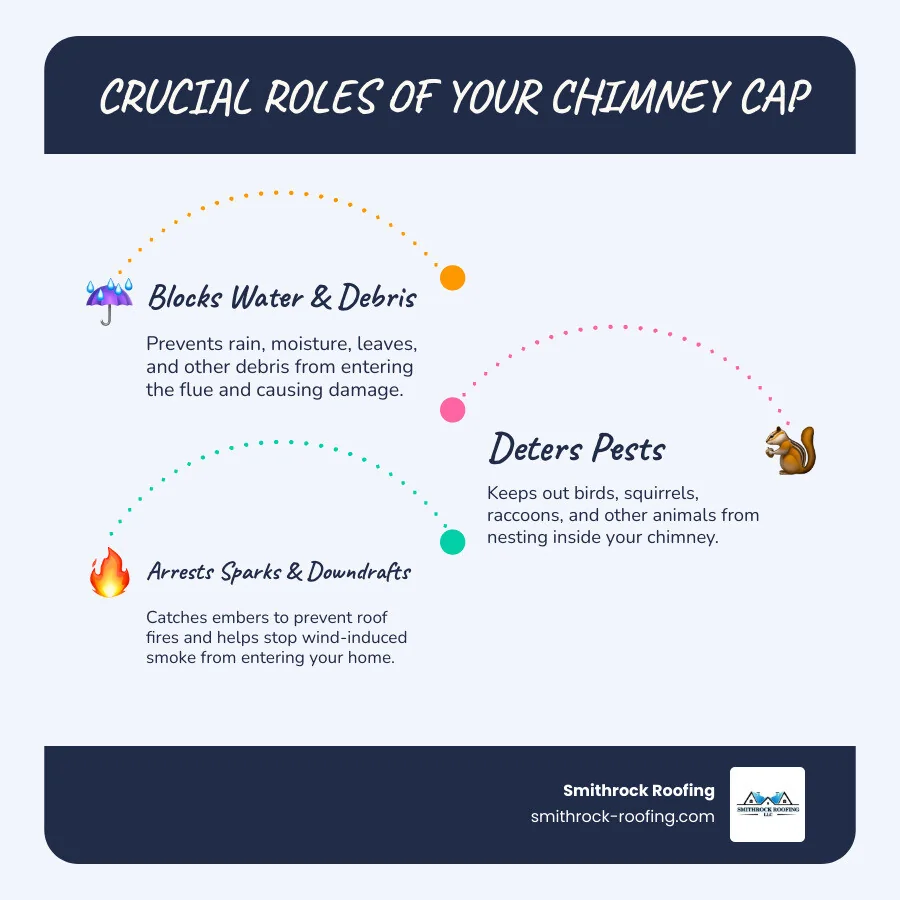
Its primary functions are multifaceted. As a spark arrestor, it catches hot embers that travel up the flue, preventing them from landing on your roof and starting a fire. It also provides critical protection against water damage by blocking rain, snow, and ice from pouring into the flue. This prevents rust, mortar deterioration, and mold growth. Finally, a cap blocks animals and debris. Critters like birds, squirrels, and raccoons often see an open chimney as an invitation to nest, creating blockages and fire hazards. Leaves and twigs can also accumulate, impairing ventilation and increasing the risk of carbon monoxide poisoning.
A missing or damaged cap can lead to rapid deterioration of your chimney system, resulting in costly repairs or even a complete rebuild. The safety risks, from chimney fires to carbon monoxide exposure, make a functional chimney cap essential.
It’s easy to confuse a chimney cap with a chimney crown, but they serve distinct, complementary roles. Understanding the difference is key to proper maintenance.
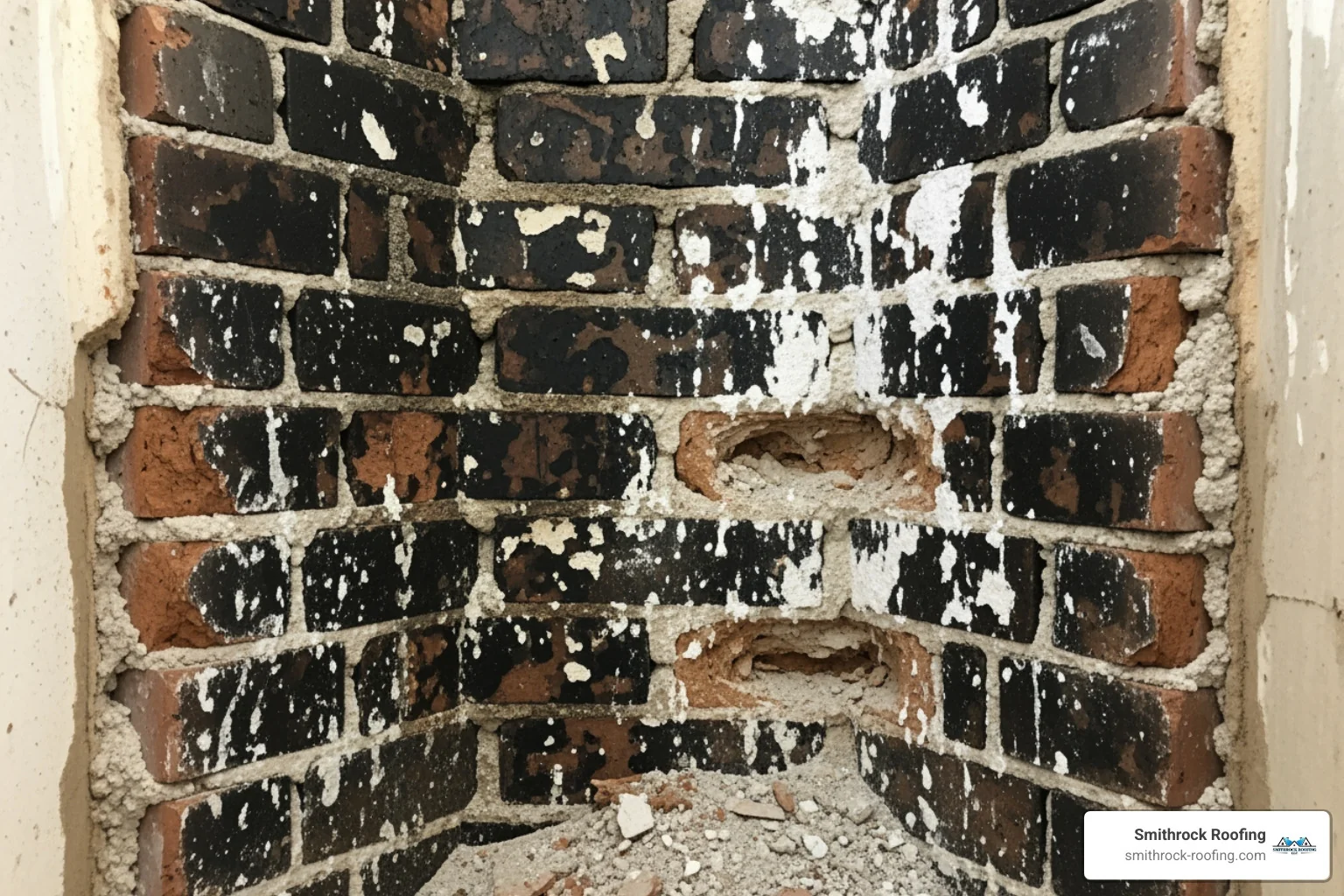
The chimney crown is the concrete or mortar slab on top of the chimney’s brick structure. Its job is to shed water away from the masonry, preventing moisture from seeping into the bricks and mortar joints. A well-made crown has an overhang to direct water away from the chimney’s sides.
The chimney cap is the metal cover attached to the flue opening at the very top. It specifically blocks rain, animals, and debris from entering the flue while allowing smoke to exit. It usually includes a mesh screen to act as a spark arrestor.
Essentially, the crown protects the chimney structure, while the cap protects the flue opening. Both are critical for the safety and longevity of your chimney system.
A compromised chimney cap exposes your home to numerous problems:
Need a hand with this in Winston-Salem, Greensboro and the NC Triad? Call (336) 971-0464 or request a free estimate. Honest answers, no pressure.
The big question remains: do I need a contractor to replace a chimney cap? While saving money with a DIY approach is tempting, weigh that against the benefits of professional installation, especially concerning safety, quality, and warranties.
Working on a roof is inherently risky. Professionals are trained in roof safety and have the specialized equipment to perform the job securely. A professional also ensures the cap is correctly sized, installed, and sealed for optimal protection. Improper installation can lead to leaks, wind damage, and ventilation issues that could cause carbon monoxide to enter your home.
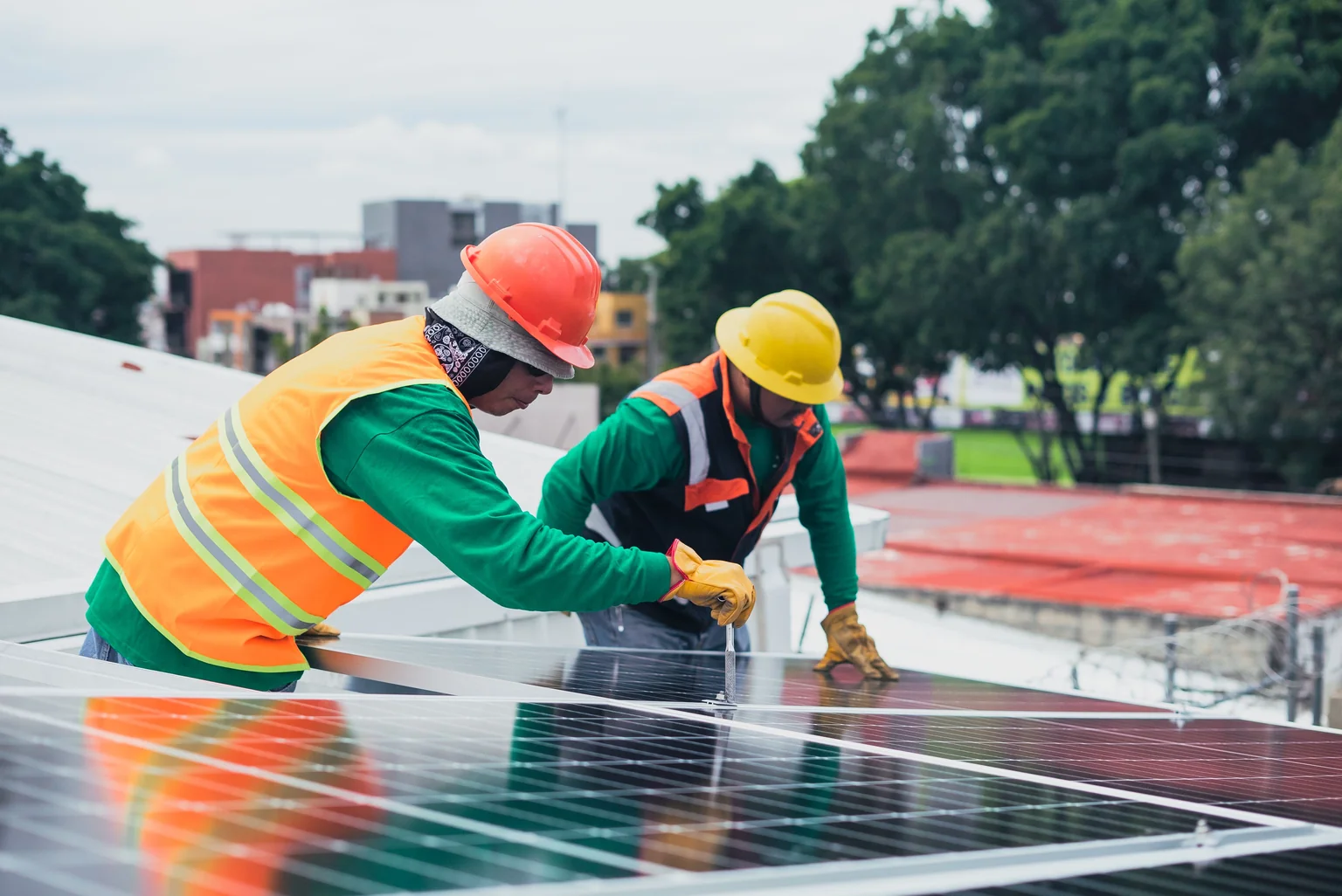
If you’re asking, “Can I replace my chimney cap myself?”, the answer is a qualified maybe. It’s feasible only if you have significant DIY proficiency and, most importantly, experience with safe roof work. You must be confident working at heights and have the right tools.
Essential tools for a DIY replacement include:
If you have a simple, single-flue chimney on an easily accessible, low-pitched roof and possess all the necessary skills and safety gear, you might consider it. However, safety must always be your top priority.
While saving money is appealing, the risks of a DIY chimney cap replacement are substantial.
The most severe risk is personal injury from falls. According to safety experts like the Chimney Safety Institute of America (CSIA), working at heights without proper training and equipment is extremely hazardous. Even a minor slip can result in serious injury.
Beyond personal safety, there’s the risk of improper installationwhich can cause:
A DIY attempt gone wrong can easily cost more in repairs and medical bills than the initial price of a professional installation.
There are clear situations where calling a professional is not just a suggestion, it’s a necessity for safety and proper function.
You should absolutely call a professional if:
A professional not only installs the cap safely but also inspects the entire chimney system, identifying potential problems that could otherwise go unnoticed.
Choosing the right professional for your chimney cap installation is an investment in your home’s safety and durability. It ensures a precise fit, proper ventilation, and lasting protection from the elements. Entrusting this task to a qualified expert provides peace of mind that the job is done correctly.
Several types of professionals are qualified to install a chimney cap, each with specific expertise:
When evaluating professionals, look for those who understand the entire roof system, not just the cap itself.
To ensure you hire a reputable and skilled professional, look for the following qualifications:
Taking these steps will help you choose a contractor who will provide a safe, high-quality, and lasting solution for your chimney.
Understanding your chimney cap options helps you make the best decision for your home’s protection and aesthetic. From materials to styles, choosing correctly is key.
Your chimney cap endures constant exposure to the elements. Knowing the signs of wear can help you act before minor issues become major problems. Here’s what to look for:
If you notice any of these signs, it’s time for a replacement to prevent more extensive and costly chimney repairs.
Selecting the right chimney cap involves choosing the best material and type for your needs and ensuring a proper fit.
Here’s a comparison of common materials:
| Material | Lifespan | Durability | Maintenance |
|---|---|---|---|
| Galvanized Steel | 3-5 years | Moderate, prone to rust | Regular inspection for rust, eventual replacement |
| Aluminum | 25+ years | Good, rust-resistant | Low, occasional cleaning |
| Stainless Steel | 25+ years | Excellent, corrosion-resistant | Low, occasional cleaning, virtually lasts forever |
| Copper | 25+ years, often lifetime | Superior, highly weather-resistant | Very low, develops a patina over time |
Investing in higher-quality materials like stainless steel or copper pays off with a longer lifespan and less maintenance. While galvanized metal is cheaper, it rusts quickly and is not suitable for gas logs. For more on copper options, see our Copper Chimney Cap Cost Guide.
Chimney caps also come in different types:
The importance of proper measurement and fit cannot be overstated. An improperly sized cap won’t work effectively. A good rule of thumb is to set the cap at least eight inches above the top of the flue to ensure a strong draft and prevent smoke from backing up into your home. Accurate measurements are critical for a secure, leak-proof fit.
A chimney crown is the concrete or mortar slab at the top of the chimney structure that sheds water. A chimney cap is a metal cover installed over the flue opening to prevent rain, animals, and debris from entering the flue itself. They work together to protect the entire chimney system.
The lifespan depends heavily on the material. A basic galvanized steel cap might last 3-5 years, while aluminum and stainless steel caps can last for decades. High-end copper caps can last a lifetime with proper care.
A chimney cap requires minimal maintenance. It should be visually inspected annually as part of a routine chimney inspection. Check for signs of rust, damage from weather, and ensure it is still securely fastened. Clear away any leaves or branches that may have accumulated around it.
When asking, “do I need a contractor to replace a chimney cap?“, the safest answer is almost always yes. While a DIY replacement might seem to save money upfront, the risks of working on a roof and the potential for improper installation can lead to far costlier damage, safety hazards, and a lack of protection for your home.
Your chimney cap is a critical defense against water damage, pests, chimney fires, and carbon monoxide. Its correct installation is essential for your safety and your home’s longevity. This is a job best left to experienced professionals.
At Smithrock Roofing, we understand the vital connection between your chimney, its cap, and your roof’s overall integrity. Serving Winston-Salem NC, King NC, Clemmons NC, and surrounding areas, our team has the expertise, tools, and safety protocols to ensure a perfect installation.
For a secure and professional installation that protects your home for years, trust the experts at Smithrock Roofing for all your chimney and roofing needs. Contact us today for a consultation.
Need a local pro? Learn more about our chimney services in Clemmons.
Yes, if your roof is steep or multi-story, you lack proper safety equipment, your chimney has multiple flues or needs a custom cap, there is damage to the chimney crown, bricks, or flashing, or you are uncomfortable working at heights.
A chimney cap is critical as it protects against water damage, fire hazards, and pests by blocking rain, snow, and ice, catching hot embers, and preventing animals and debris from entering the chimney.
The risks include potential water leaks, wind damage, carbon monoxide entering your home, and the inherent dangers of working on a roof without proper safety measures.
Professionals have the right equipment, training, and insurance to safely install chimney caps and can identify other potential issues with your chimney structure.

Smithrock Roofing © Copyright 2026 • All Rights Reserved • Privacy Policy • Maintained by Mongoose Digital Marketing