To replace a chimney cap, follow these core steps:
There’s an old saying in home repair: “A stitch in time saves nine.” Nowhere is that truer than at the top of your chimney. The chimney is often the most neglected part of a home’s exterior because it is “out of sight, out of mind.” However, the chimney cap is the first line of defense against the elements.
Your chimney cap is a small component, but it does a big job. It keeps out rain, snow, birds, squirrels, and windblown debris. It stops sparks from landing on your roof, which is a critical fire safety feature. And it prevents cold downdrafts from pushing back into your living room, which can significantly impact your home’s heating efficiency. Historically, chimneys were often left open, but as building science evolved, we realized that an open flue is essentially a giant straw sucking conditioned air out of the house and letting moisture in.
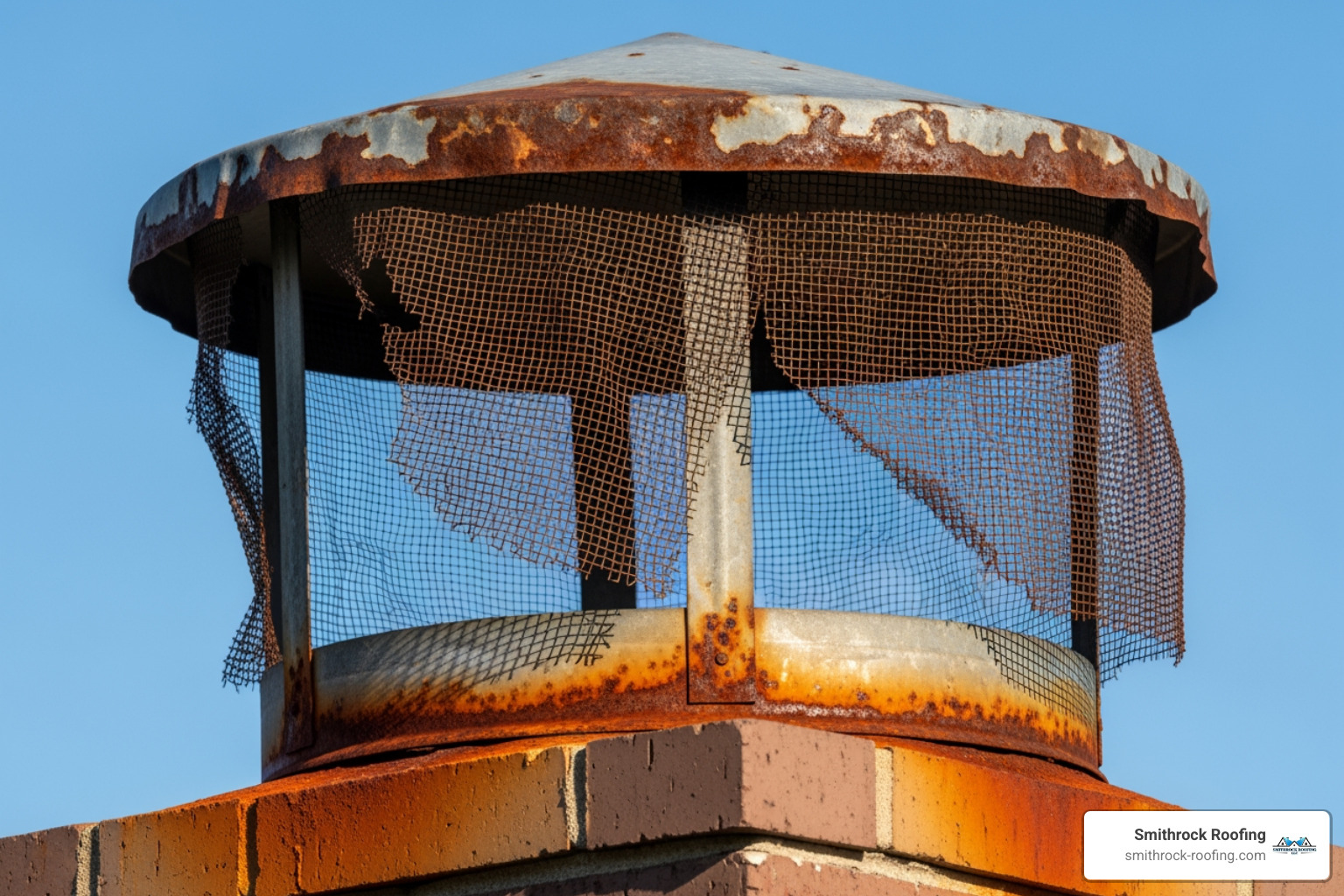
When it fails – through rust, storm damage, or simple age – water gets in. And water inside a chimney leads to stained masonry, corroded dampers, crumbling mortar, and in cold climates, bricks that freeze, crack, and spall. This process, known as the freeze-thaw cycle, can destroy a chimney from the inside out in just a few seasons.
Most chimney caps last between 3 and 25 years, depending on the material and your local climate. If yours is overdue, this guide walks you through everything you need to know to replace it safely and correctly – from choosing the right cap to securing it in place. We will dive deep into the physics of chimney drafts, the metallurgy of different cap materials, and the specific safety protocols required for high-altitude roof work.
Basic replace a chimney cap terms:
Think of your chimney as a “heavy little house.” Just like your actual home, it needs a roof to stay dry inside. When you replace a chimney cap, you aren’t just adding a decorative topper; you are installing the primary defense system for your entire fireplace structure. The chimney system is a complex assembly of masonry, metal, and air gaps, all designed to safely exhaust toxic gases while keeping the structure of your home intact.
Without a functional cap, your chimney is an open invitation for trouble. According to Fine Homebuilding, water is the number one enemy of masonry. Rainwater flowing down an unprotected flue can lead to “efflorescence”—those white, salty stains on your brickwork that indicate mineral deposits are being leached out of the mortar. This isn’t just an aesthetic issue; it’s a sign that your chimney is literally dissolving. Water can eventually rot out the metal firebox or damper, leading to thousands of dollars in structural repairs.
Beyond moisture, the chimney cap purpose includes being a guardian against local wildlife. In areas like Winston-Salem and Kernersville, birds and squirrels love the warmth of a chimney. They often build nests that can block the flue entirely. This is particularly dangerous because a blocked flue leads to carbon monoxide backup into the home. Furthermore, certain birds, like Chimney Swifts, are protected by federal law, meaning once they nest, you cannot legally remove them until they migrate. Using chimney covers to stop birds is a simple way to prevent these “uninvited tenants” from moving in and creating a legal and safety nightmare.
Furthermore, a good cap acts as a spark arrestor. It features a mesh screen designed to catch stray embers before they can float onto your shingles. This is especially critical if you have overhanging trees or a wood-shingle roof. It also helps prevent downdrafts, which occur when wind gusts push smoke and ash back into your home. A well-designed cap creates a low-pressure zone that actually helps pull smoke up and out, making your fireplace more efficient and your indoor air cleaner.
How do you know it’s time to replace a chimney cap? You don’t always have to climb onto the roof to find out. Keep an eye out for these red flags:
If you notice these issues, you might need a chimney cap repair in Winston-Salem or a full replacement to avoid more expensive structural damage.
An exposed flue is a ticking time bomb for your masonry. When water enters a chimney and the temperature drops—a common occurrence during North Carolina winters in places like Pilot Mountain or Mount Airy—the water inside the bricks freezes and expands. This leads to “spalling,” where the faces of the bricks literally pop off. Once the hard outer shell of a brick is gone, the soft interior absorbs even more water, accelerating the destruction.
Left unaddressed, this can lead to the need for rebuilding a brick chimney from the roofline up. Water also mixes with creosote (a byproduct of wood burning) to create a highly acidic paste. This acid eats away at mortar joints and metal dampers with surprising speed. By the time you notice a “musty” smell in the summer, the internal damage may already be extensive, potentially requiring a full chimney liner replacement.
When you decide to replace a chimney cap, you’ll find a variety of materials and styles. Choosing the right one depends on your budget, your home’s aesthetic, and how often you want to climb back up there. The environment plays a huge role; for instance, homes near the coast need different materials than those in the Piedmont.
There are several best types of chimney caps to consider, ranging from standard single-flue models to prefabricated chimney caps designed for specific factory-built systems. For a detailed breakdown of your options, check out our chimney cap replacement types guide.
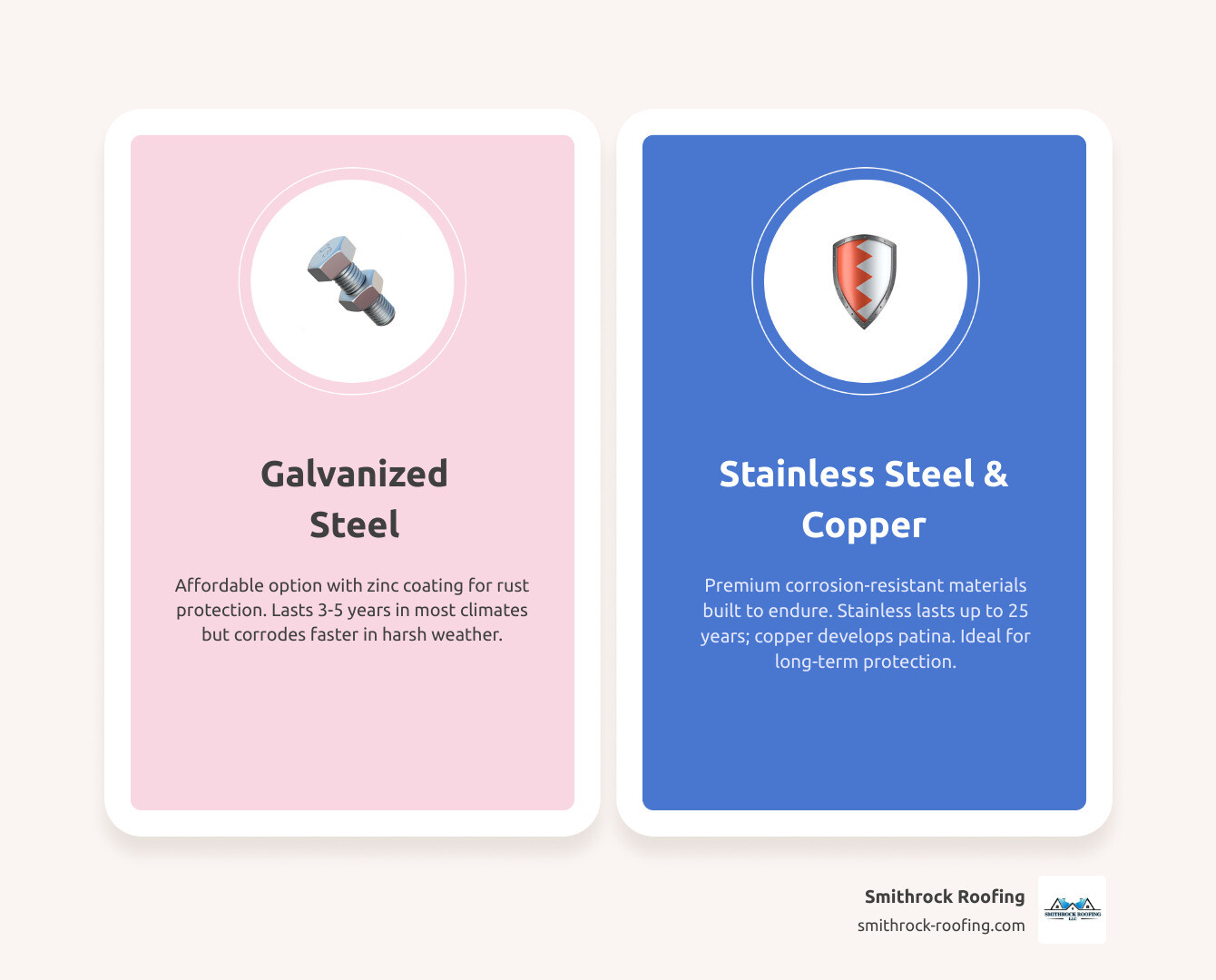
The material you choose is the biggest factor in the cap’s lifespan and performance.
Not every chimney is a standard rectangle. Some homes in our service area, like those in High Point or Greensboro, may require specialized solutions:
Precision is everything. A cap that is too small won’t fit, and one that is too large can be caught by the wind like a sail, potentially ripping off and damaging your roof or vehicles below. Before you buy, you must accurately measure your flue using a heavy-duty tape measure.
For a deeper dive into the components you might need, see our chimney cap replacement parts guide. You can also refer to this Expert Chimney Cap Installation guide for professional measurement tips.
To replace a chimney cap successfully, gather these items before you head up the ladder. There is nothing worse than being 30 feet in the air and realizing you forgot a screwdriver.
Our guide on fireplace cap installation provides more details on the specific hardware required for different fireplace types.
We cannot stress this enough: safety first. Ladder falls cause thousands of injuries every year. If you are not 100% comfortable with heights, it is always better to call a professional. The cost of a pro is much lower than a hospital bill.
For those working on a chase, our chimney chase cover installation guide offers additional safety tips for larger metal surfaces.
Ready to get to work? Here is how to replace a chimney cap like a pro. We will cover the two most common installation methods.
This is the most common DIY project for homeowners with a clay tile flue that extends above the chimney crown.
Check out our chimney cap types page to see which bolt-on model is right for you.
These caps attach to the chimney crown (the flat “floor” at the top of the masonry) rather than the flue itself. This is the preferred method if you have multiple flues or if the flue tile is flush with the crown.
For more on different rain protection styles, see the types of chimney rain caps guide.
While a simple bolt-on cap is a great DIY project, some situations require an expert hand. You should consider professional help if:
Hiring a pro ensures the job is done safely and often comes with a warranty. You can explore how much it costs for a chimney cap installation and whether you need a contractor to replace a chimney cap on our site. If your flue itself is damaged, you might also need to look into the cost to replace a chimney liner or chimney liner installation costs.
Once you replace a chimney cap, a little maintenance goes a long way. We recommend an annual inspection—ideally in the fall before you start your first fire of the season. This ensures that the summer storms haven’t damaged the unit and that no animals have tried to force their way in.
Regular maintenance can prevent the need for more expensive repairs to your chimneys down the road. A well-maintained cap can easily double the life of your chimney crown and liner.
Generally, no. A properly sized cap (one that is at least 6 inches taller than the flue) will not negatively affect your draft. In fact, by blocking wind gusts that would otherwise blow straight down the flue, it often improves draft consistency. However, if the mesh is too fine (less than 1/2 inch) and becomes clogged with soot, it will definitely reduce the draft.
Galvanized steel lasts about 5 years before rust sets in. Stainless steel and copper can last 20 to 25 years or more, often outlasting the roof itself. Factors like salt air (if you are near the coast) and heavy soot buildup from burning green wood can influence these timelines significantly.
Yes, if you have a standard single-flue chimney and are comfortable on a ladder. For multi-flue chimneys, steep roofs, or chimneys that require masonry repair, we recommend professional installation for safety and to ensure a proper seal. DIYers should always use a safety harness.
A chimney cap covers the opening of the flue pipe. A chase cover is a large metal plate that covers the entire top of a wood-framed chimney “chase” (common on prefab fireplaces). Most chase covers also have a chimney cap installed on top of them.
Whistling is usually caused by wind passing through the mesh at a specific angle or through a small gap in the sealant. It can also happen if the cap is slightly loose. Tightening the fasteners and ensuring a full bead of sealant usually solves the problem.
In many jurisdictions, a spark arrestor (the mesh screen on a chimney cap) is required by building code. Even if not required, it is highly recommended to prevent roof fires caused by floating embers.
Indirectly, yes. By preventing bird nests and debris from blocking the flue, the cap ensures that carbon monoxide can safely exit the home. However, a cap is not a substitute for a working CO detector.
Standard mesh is usually 3/4 inch. This is large enough to allow smoke to exit freely but small enough to keep out most birds and squirrels. Some areas with high wildfire risk may require 1/2 inch mesh to better catch sparks.
Yes, but you must use a high-temperature paint designed for metal. Standard spray paint will peel and burn off quickly. Stainless steel and copper are usually left unpainted for their natural aesthetic.
The rule of thumb is that the lid of the cap should be at least 5-6 inches above the top of the flue tile. This ensures there is enough “open area” for the smoke to exhaust without creating backpressure.
Whether you live in Danbury, Rural Hall, or Advance, keeping your chimney capped is one of the smartest investments you can make for your home. It’s a small price to pay to avoid the thousands of dollars in masonry damage that water and pests can cause. A chimney without a cap is like a house without a roof—it’s only a matter of time before the interior begins to deteriorate.
At Smithrock Roofing, we specialize in more than just shingles. We understand the entire building envelope, from the gutters to the chimney crown. From high-quality chimney caps to Norandex eXtreme 3000S windows and professional gutter systems, we are here to protect your home from the top down. We always emphasize the benefits of seasonal replacements—addressing these small issues in the spring or fall ensures your home is ready for whatever the North Carolina weather throws at it, whether it’s a summer hurricane or a winter ice storm.
If you’re ready to replace a chimney cap but would rather leave the ladder work to the experts, we’re here to help. Our team serves the entire Triad area with the quality and care your home deserves. We provide detailed inspections and use only the highest-grade stainless steel and copper materials to ensure your chimney remains protected for decades to come.
Smithrock Roofing © Copyright 2026 • All Rights Reserved • Privacy Policy • Maintained by Mongoose Digital Marketing