The cost of replacing window frames varies widely with material, window size and style, and the complexity of installation. Drafts, peeling paint, and rising energy bills are signals it may be time to act. Window frames are the backbone of your home’s thermal envelope—they support the glazing and keep weather out.
There’s no single answer to replacement costs because choices like frame material, custom sizing, and any hidden damage found during removal all affect the final investment. Many homeowners delay replacement out of budget concerns, yet deteriorating frames waste energy every month. According to the U.S. Department of Energy, poorly performing windows can drive up heating and cooling costs.
This guide explains the key factors that influence replacement costs—from materials and labor to potential hidden repairs—plus when repair makes sense versus full replacement, what DIY realistically involves, and how to get the most value from your investment.
Whether you need to address rotted wood frames in a historic home or want to upgrade to efficient materials, understanding these factors helps you plan confidently and avoid surprises.
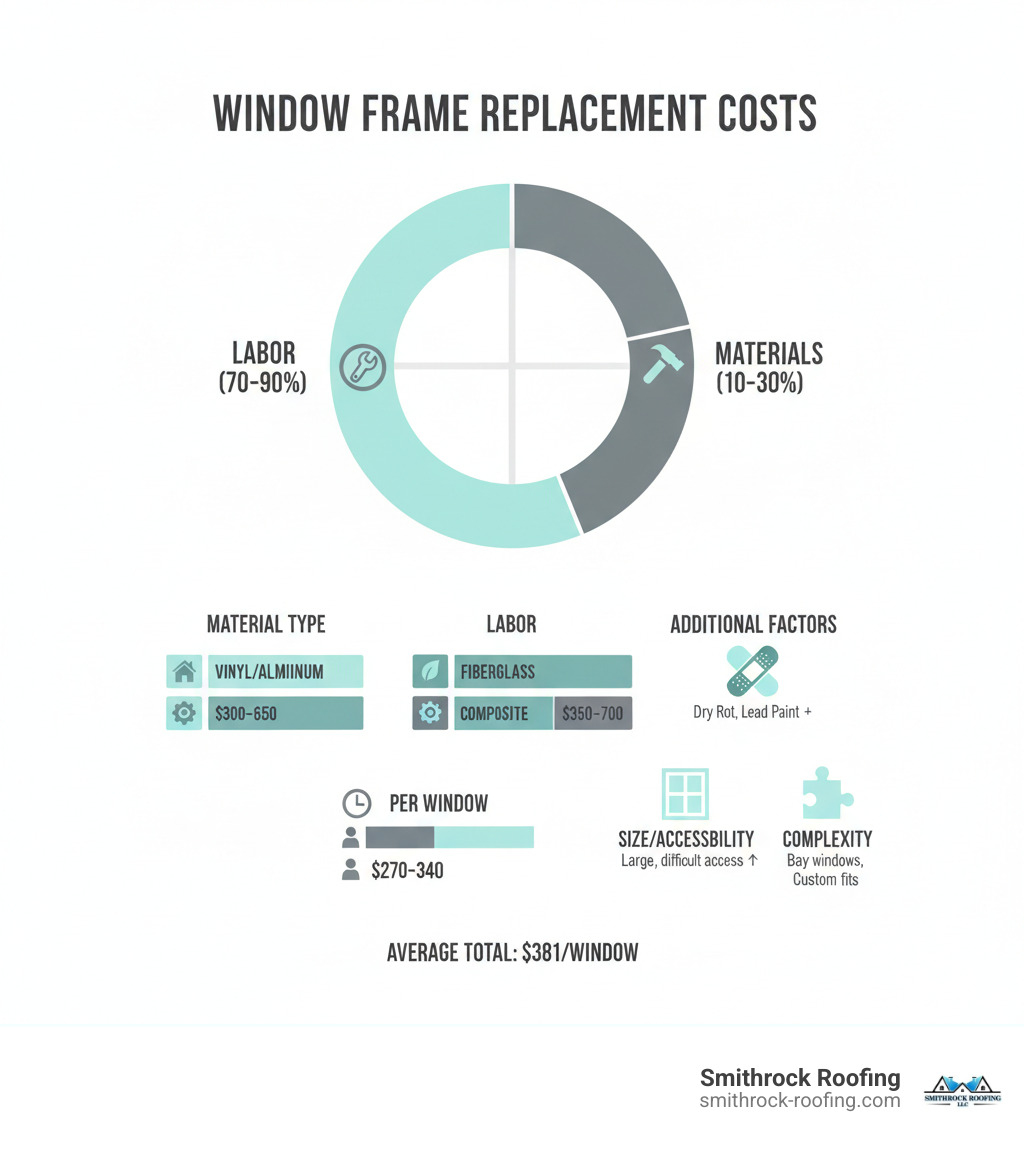
When planning a window frame replacement, a detailed understanding of the cost drivers helps you create an accurate budget and prioritize your investment. The total cost of replacing window frames is a combination of four key elements: the materials you choose, the physical characteristics of the windows, the full scope of the installation work, and the professional labor required to do the job right.
Replacing a standard-sized vinyl frame on the first floor is a vastly different project from installing a custom-arched wood window on the second story. Every choice has a cost implication. Material, size, style, location, installation complexity, your local labor market in North Carolina, and the total number of windows in your project all play a significant role. For larger projects, our broader guide on Window Installation and Replacement provides a comprehensive overview.
Your choice of frame material is the single largest factor influencing the price. It affects not only the upfront investment but also long-term value through durability, maintenance needs, and insulating properties. Here are some estimated per-window installed costs, which can vary based on brand, glass package, and project specifics:
Here’s how these materials compare across key factors:
| Material Type | Durability | Maintenance Requirements | Insulation Properties | Typical Lifespan |
|---|---|---|---|---|
| Vinyl | Good | Low | Good | 20-40 years |
| Wood | Excellent | High (painting/sealing) | Excellent | 30-50+ years |
| Fiberglass | Excellent | Very Low | Excellent | 30-50+ years |
| Aluminum | Excellent | Low | Poor (without thermal breaks) | 20-40 years |
| Composite | Excellent | Very Low | Excellent | 30-50+ years |
A lower initial investment isn’t always the most economical choice in the long run. Premium materials often pay for themselves through reduced maintenance costs and superior energy performance over the life of the window.
The physical characteristics of your windows directly affect material and labor costs. Standard, off-the-shelf sizes are more affordable than custom sizes, which require special fabrication and longer lead times. Window style is also a major factor:
Accessibility also impacts the project budget. Ground-floor windows are simple to access. Upper-story windows require ladders or scaffolding, increasing labor time and safety precautions. Obstacles like dense landscaping, decks, or interior built-ins can also add complexity and cost.
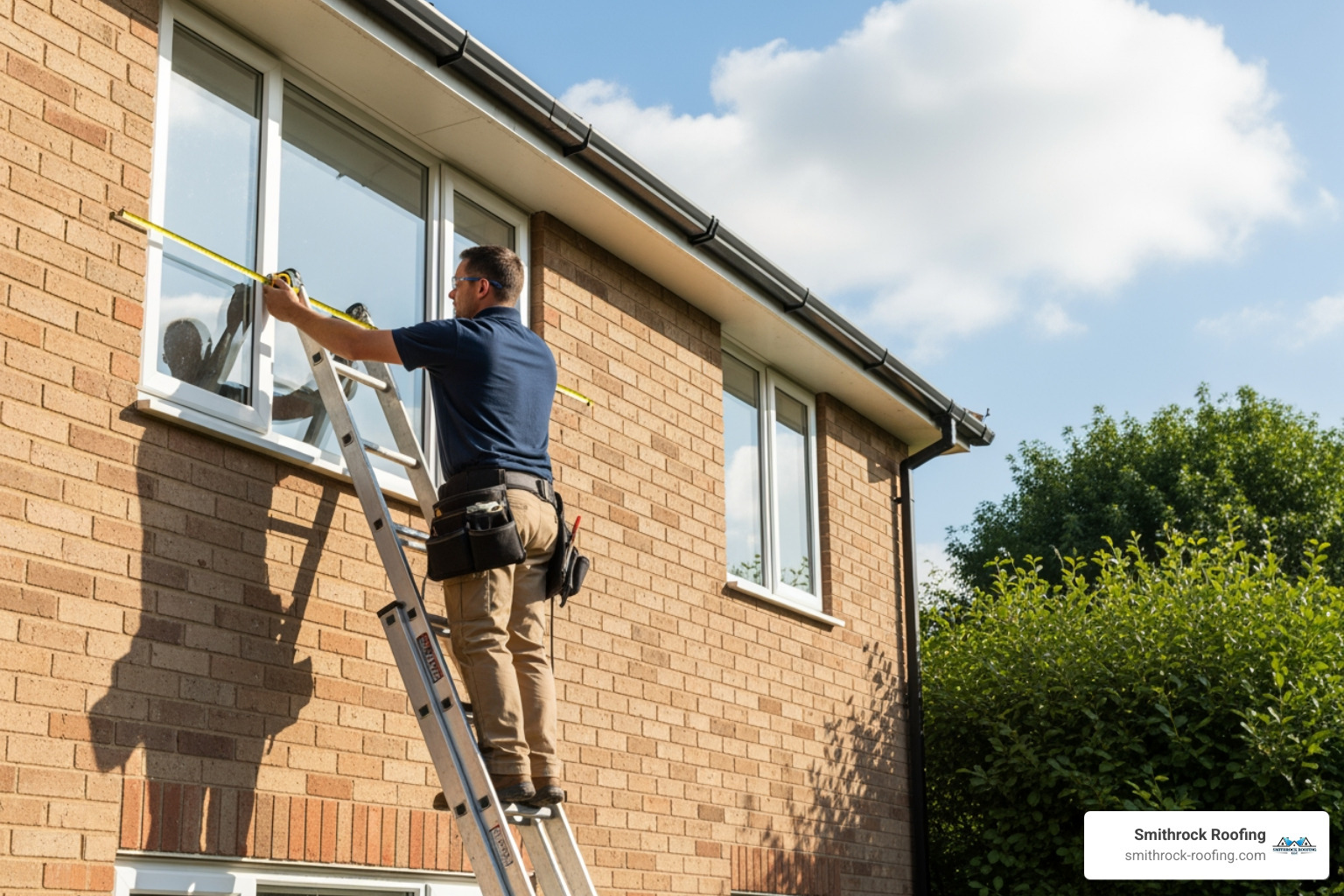
Careful planning and the right equipment are essential for keeping challenging installations safe and on track.
The cost of replacing window frames can increase if the job is more than a simple swap. A thorough inspection is key to identifying these potential issues upfront:
A thorough initial assessment from an experienced contractor helps minimize surprises. Many of these considerations align with our work on Energy Efficient Upgrades.
Labor typically accounts for 30-50% of the total project cost. Professional installation is not just about fitting a window into a hole; it’s a multi-step process involving careful removal, inspection, preparation, precise installation, and weatherproofing. Proper flashing, insulation, and sealing are crucial to prevent drafts and water intrusion. Larger or upper-floor windows often require a crew of two or more installers for safe handling.
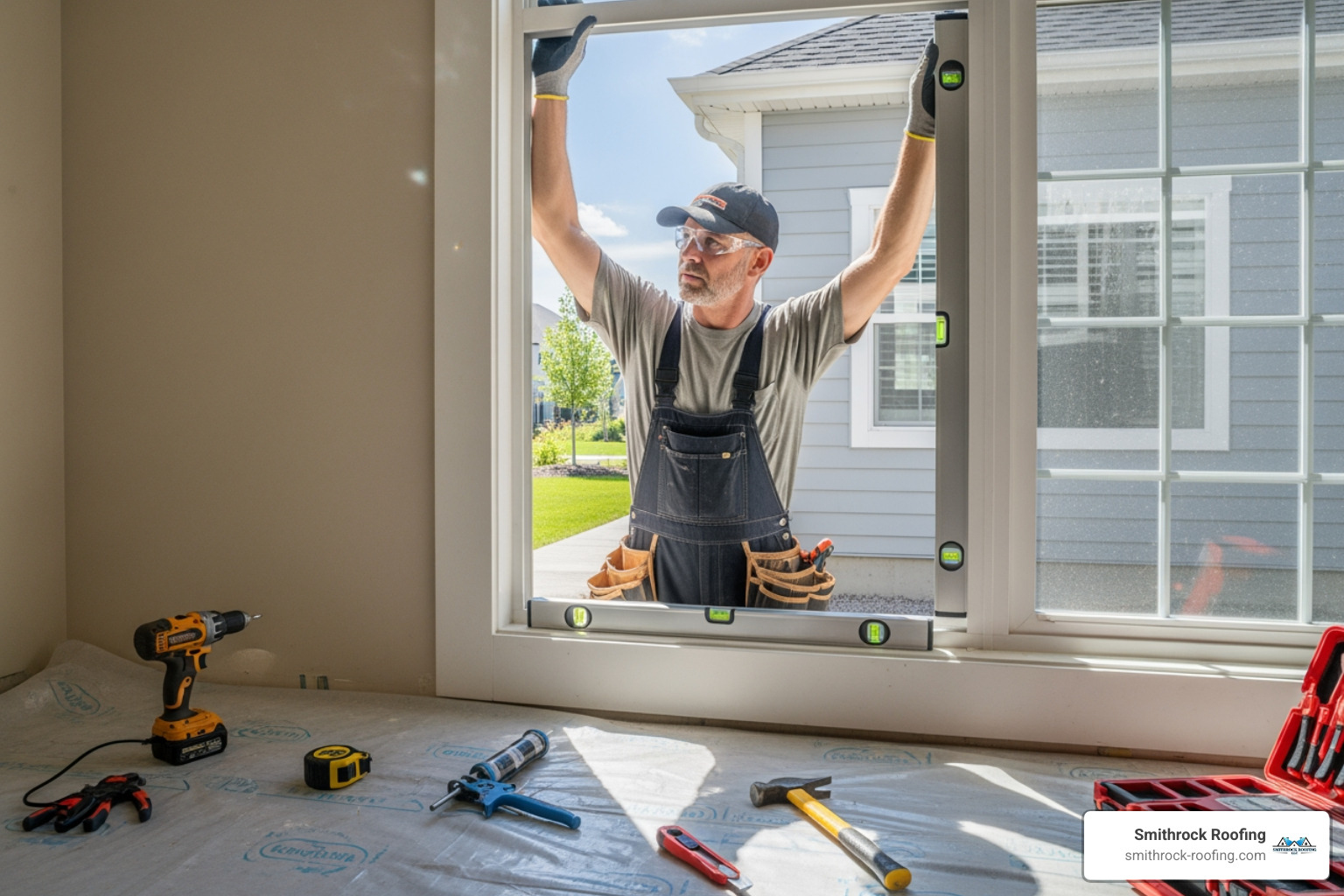
Investing in an experienced crew protects your home and your window manufacturer’s warranty. Local labor rates in communities like High Point, Clemmons, and Kernersville also influence the final project cost. Learn more about our meticulous approach on our Window Installation page.
Choosing the right material for your window frames is one of the most important decisions you’ll make in your replacement project. It affects everything from your home’s curb appeal and energy bills to the amount of maintenance you’ll perform over the next few decades. The material you select influences not just the initial cost of replacing window frames, but also your long-term satisfaction. Let’s walk through the pros and cons of your main options to find the perfect fit for your home and budget.
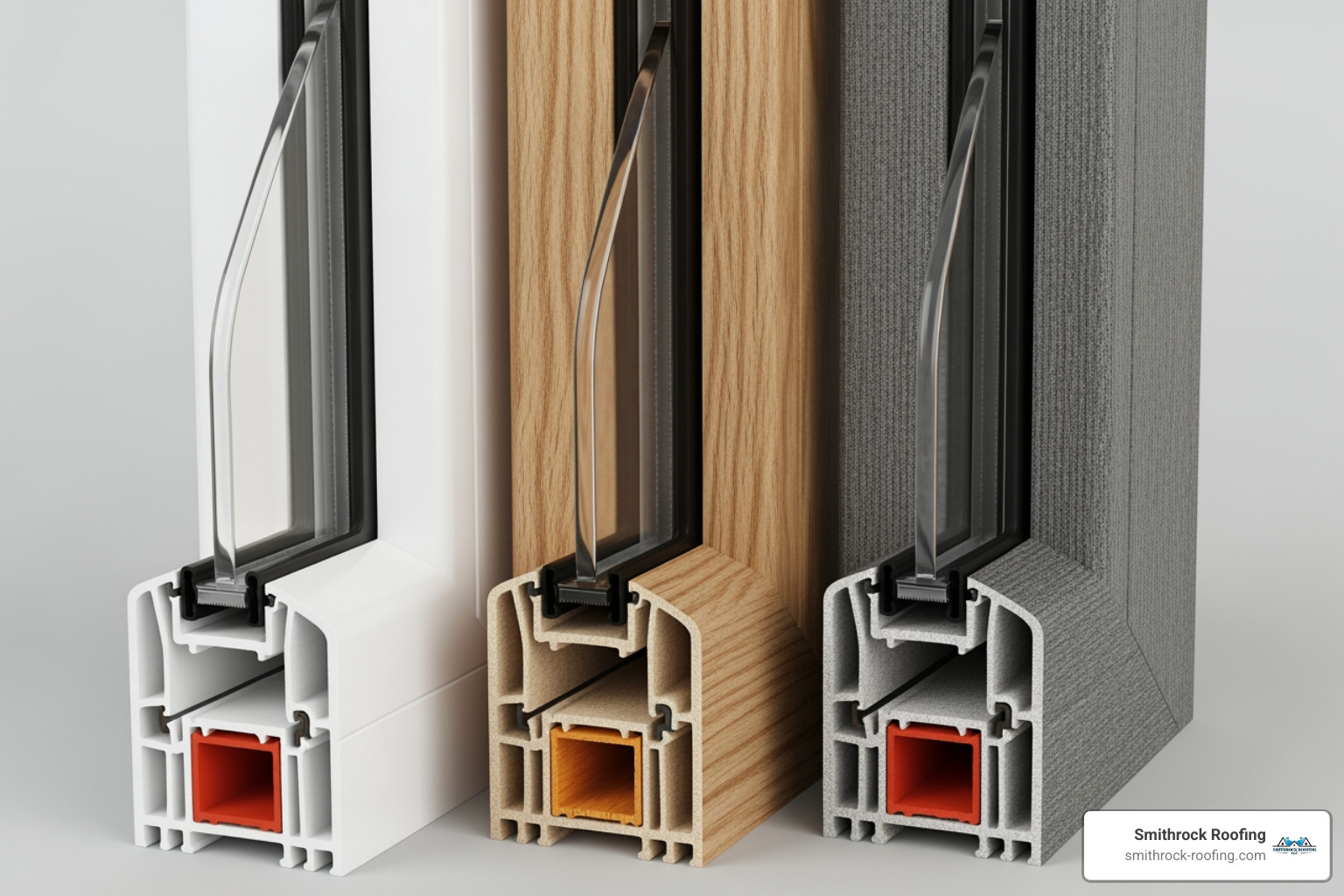
If you’re looking for a material that delivers outstanding performance without demanding much from your budget or your weekends, vinyl is an excellent choice. Its affordability makes it accessible for most homeowners, but its real advantage is its low-maintenance nature. High-quality vinyl frames are made from PVC (polyvinyl chloride) with additives that prevent breakdown from sunlight. They never need painting or sealing and will not rot, rust, or attract insects.
Modern vinyl frames feature multi-chambered, fusion-welded construction, creating dead-air pockets that act as an effective barrier against heat transfer, helping to lower your energy bills. They come in a wide range of colors and finishes, including realistic wood-grain textures. High-quality products like our Norandex eXtreme 3000S windows are engineered for durability, resisting warping, cracking, and fading for decades. For more details, explore our section on Vinyl Windows Winston Salem.
Wood window frames offer a timeless, crafted quality that brings warmth and character to a home, making them the premier choice for historic properties or for homeowners who appreciate traditional craftsmanship. As a natural insulator, wood’s cellular structure inherently resists heat transfer, contributing significantly to your home’s energy efficiency. The authentic aesthetic of wood can add significant value, especially in neighborhoods in Winston-Salem where architectural character is prized.
However, wood frames demand a commitment to maintenance. To protect against moisture, rot, and insects, they must be painted or stained every few years. Common wood species include pine (affordable and common), Douglas fir (stronger), and premium options like mahogany or oak for high-end applications. For homeowners who value authentic materials and don’t mind the upkeep, wood is a beautiful and durable choice when properly cared for.
For the best all-around performance modern technology can offer, fiberglass and composite frames are the top tier. Fiberglass frames are created through a process called pultrusion, where glass fibers are pulled through a resin and heated, resulting in a material that is incredibly strong and stable. It expands and contracts very little with temperature changes, meaning seals stay tight and operation remains smooth. Composite frames, like Andersen’s proprietary Fibrex®, are made from a blend of wood fibers and thermoplastic polymers, combining the strength and insulating properties of wood with the low-maintenance features of vinyl.
This strength allows for slimmer frame profiles, which means more glass area and more natural light. Both materials deliver excellent insulation and are considered among the Best Windows for Insulation. Their superior weather resistance makes them perfectly suited for North Carolina’s hot summers and damp winters. While these premium materials represent a higher upfront investment, many homeowners find it worthwhile for the exceptional longevity, superior performance, and minimal upkeep they provide.
Aluminum frames are known for their exceptional strength and durability, making them a popular choice for large, custom window openings and commercial buildings. This strength also allows for very slim, minimalist profiles, creating a sleek, modern aesthetic popular in contemporary architecture.
However, standard aluminum is an excellent conductor of heat and cold. Without a “thermal break”—a strip of insulating material like polyurethane inserted to separate the interior and exterior frame components—aluminum can severely undermine a home’s energy efficiency and lead to condensation problems. While modern thermally broken aluminum frames perform much better, they are generally more suitable for temperate climates or for projects where a specific modern look is the absolute top priority. For most homes in our North Carolina service area, vinyl, fiberglass, or composite materials typically offer a better balance of performance, value, and comfort.
When faced with a failing window, homeowners often ask: should I repair or replace it? The answer depends on the type and extent of the damage, the age and overall quality of the window, and your long-term goals. A targeted repair can be a smart, cost-effective solution for minor, isolated issues. However, repeatedly patching up an old, inefficient window rarely solves underlying problems like energy loss or structural weakness. In many cases, investing in the cost of replacing window frames is the better long-term financial decision.
If the frame is sound but the glass is broken or fogged, our page on Window Glass Replacement Winston Salem may be a better fit for your needs.
Repair makes sense when the frame is structurally sound and the issues are localized and cosmetic. You can likely opt for repair if you’re dealing with:
For details on specific window types, our Sash Window Costs page provides more information.
Replacement becomes the necessary and more valuable choice when the problems are widespread or compromise the window’s core function. It’s time to replace if you see:
Our Replacement Windows for Homes service covers all aspects of a complete upgrade.
Consider the lifecycle cost. A single repair on an old wooden window might seem cheap today, but these costs accumulate. Imagine a 25-year-old window:
In five years, you’ve spent $750 on temporary fixes for a window that continues to be inefficient, drafty, and difficult to operate. Meanwhile, it’s still leaking energy, costing you hundreds more in inflated heating and cooling bills.
Conversely, a new, high-quality vinyl replacement window might cost $850 upfront. But it immediately starts saving you money on energy, requires no maintenance, operates smoothly, and comes with a multi-decade manufacturer warranty. The long-term value and peace of mind clearly favor replacement over a cycle of recurring repairs. For a full cost overview, visit our Cost to Replace Windows page.
When considering the cost of replacing window frames, many handy homeowners wonder if they can save a significant amount on labor by tackling the installation themselves. While the appeal of DIY savings is strong, window installation is a high-stakes project. A window is not just an aesthetic feature; it is a critical component of your home’s building envelope. A flawless installation is required to prevent air and water leaks, and even small mistakes can lead to thousands of dollars in hidden damage down the road.
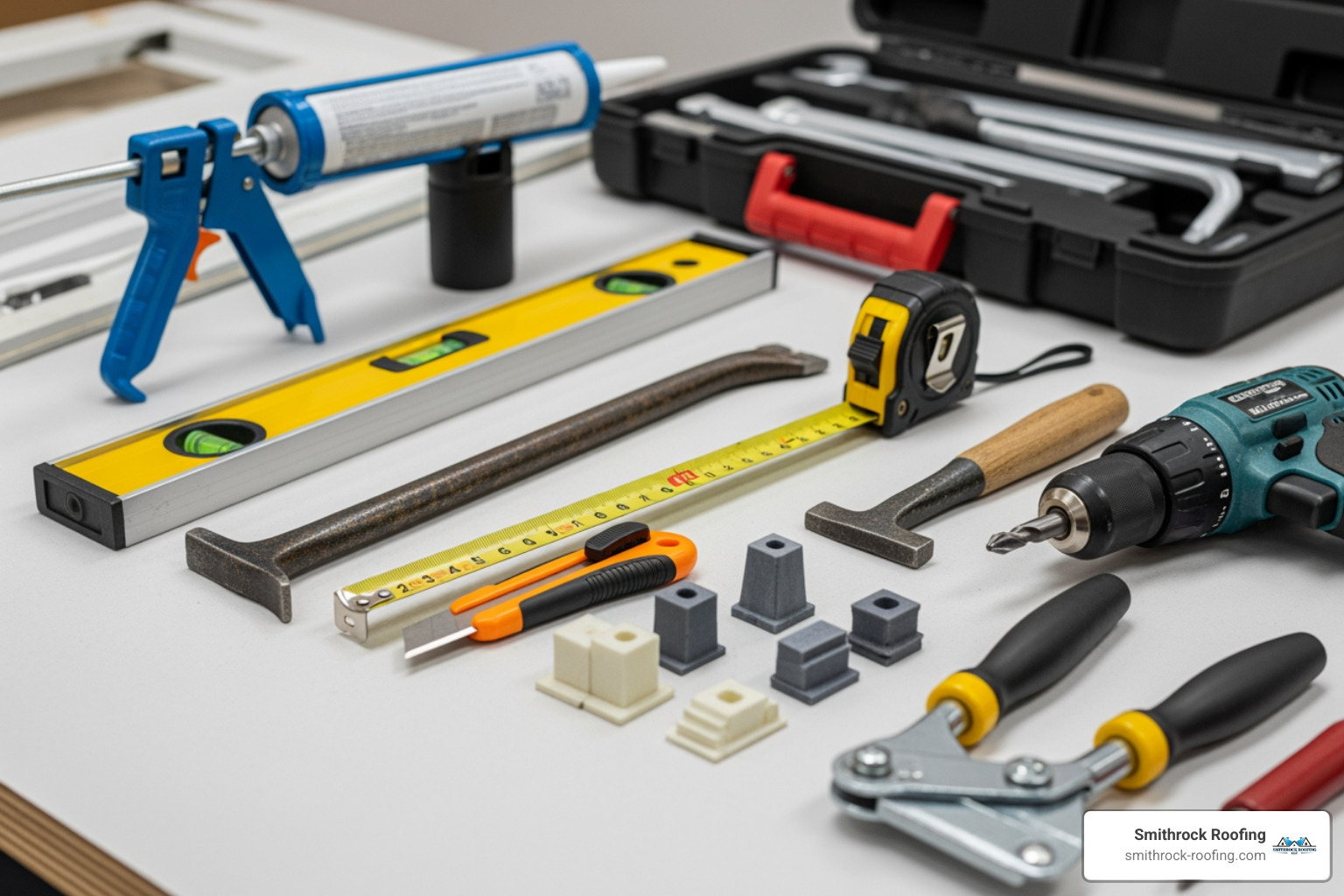
The primary motivation for DIY is saving money on labor costs. It can also be a satisfying project for those with the right skills. However, the risks are substantial and often underestimated:
Simple tasks like re-caulking or minor paint touch-ups are DIY-friendly. A full-frame replacement is a job best left to the experts.
A professional brings far more than just a pair of hands; they bring expertise, efficiency, and accountability. The labor cost you pay for covers a comprehensive service that guarantees performance and protects your home.
| Feature | DIY Installation | Professional Installation |
|---|---|---|
| Upfront Cost | Lower (materials only) | Higher (materials + labor) |
| Long-Term Cost | Potentially very high due to errors, water damage, energy loss, and voided warranties | Predictable; investment is protected by product and labor warranties |
| Time & Effort | Significant; can take a full weekend or more for a single window | Minimal for homeowner; an experienced crew can install multiple windows in a single day |
| Quality & Seal | High risk of improper flashing, insulation, and sealing, leading to leaks and drafts | Guaranteed airtight and watertight seal, installed to manufacturer specifications and local codes |
| Warranty | Voids the manufacturer’s product warranty | Preserves the product warranty and includes a separate contractor’s labor warranty |
| Tools & Safety | Requires purchasing/renting specialized tools; significant safety risks | Professionals arrive with all necessary tools, equipment, and safety training |
Professionals follow a meticulous process: they correctly flash the opening, set the window perfectly level and plumb, insulate the gaps with low-expansion foam, and apply multiple layers of sealant to create a durable, weatherproof barrier. This expertise, tailored to North Carolina’s climate, ensures your new windows perform at their peak efficiency for decades. For homeowners in Winston-Salem, Clemmons, and beyond, professional installation minimizes disruption and maximizes performance. Learn more about our proven process on our Window Installation page.
Replacing your window frames is a significant home improvement project. When evaluating the cost of replacing window frames, it’s crucial to think beyond the initial expense and consider it an investment in your home’s comfort, efficiency, and market value. The return on this investment (ROI) comes in multiple forms: immediate energy savings, enhanced curb appeal, stronger resale value, and fewer maintenance headaches for years to come. Our Winston Salem Window Cost Guide offers more local insights into project budgeting.
New windows are one of the first things potential buyers notice. They dramatically improve curb appeal and signal that a home is well-maintained and energy-efficient. This perception has a direct impact on resale value. According to Remodeling Magazine’s 2023 Cost vs. Value Report, a vinyl window replacement project in the South Atlantic region recoups an average of 68.6% of its cost upon resale. This makes it one of the home improvement projects with the highest ROI.
Beyond the numbers, quality windows improve the living experience, making a home feel brighter, quieter, and more comfortable. These are highly desirable features that can help your home sell faster and command a better market price.
The financial return begins the day your new windows are installed. The U.S. Department of Energy reports that heat gain and loss through windows are responsible for 25%–30% of residential heating and cooling energy use. By upgrading from old, leaky frames and single-pane glass to modern, properly sealed units, you create an effective thermal barrier that stabilizes your home’s temperature.
According to ENERGY STAR®, replacing single-pane windows with ENERGY STAR®-certified windows can save a typical homeowner $101–$583 a year. These savings help offset the initial investment over time. Choosing windows with frames and glass packages customized to the Southern U.S. climate zone ensures you get the best performance and maximum savings.
Federal incentives may also be available to help offset your investment. Review the Energy Efficient Home Improvement Credit information to see if your specific window upgrades qualify for a tax credit, further improving your ROI. Choosing Insulated Windows from Smithrock Roofing is a direct investment in long-term value.
Homeowners often have many questions when budgeting for and planning a window replacement project. Understanding the details can help you make confident decisions. Here are detailed answers to some of the most common inquiries about the cost of replacing window frames.
For a standard-sized window, a professional installation team can typically complete a full-frame replacement in four to six hours per window. An insert replacement is faster, often taking just two to three hours. However, the exact timeline depends on several factors:
This is a crucial distinction that significantly impacts cost and outcome:
Look for these key indicators that your window frames are at the end of their lifespan:
If you see these signs in your windows in Winston-Salem, King, or surrounding areas, a professional assessment can determine the best course of action.
You should receive two separate warranties: one from the window manufacturer and one from the installation contractor.
In most North Carolina municipalities, a permit is not required if you are replacing windows of the same size in the same opening (a like-for-like replacement). However, a permit is almost always required if you are:
A professional contractor will be familiar with the specific codes in Winston-Salem, High Point, and other local jurisdictions and will handle the permitting process for you when necessary.
You now have a comprehensive understanding of what goes into the cost of replacing window frames, from material choices to the importance of professional installation. Replacing your window frames is more than a maintenance task; it’s an investment in your home’s comfort, energy efficiency, and value. Those drafty, deteriorating windows are not just an eyesore—they are actively costing you money and compromising your home’s protective envelope.
While the upfront investment requires planning, the long-term benefits are substantial: lower utility bills, improved curb appeal, and the peace of mind that comes from properly sealed, energy-efficient windows backed by solid warranties. Attempting a complex frame replacement yourself can lead to costly mistakes like water damage and voided warranties. Professional installation is the surest way to protect your investment.
At Smithrock Roofing, we have helped countless homeowners throughout Winston-Salem, Greensboro, High Point, and surrounding communities transform their homes with quality window replacements. Our experienced team understands local building codes, knows how to handle unexpected issues like dry rot, and is committed to getting every detail right.
Ready to stop worrying about your old, inefficient window frames? Let’s talk about how we can improve your home’s comfort, appearance, and energy performance. Contact us for a comprehensive window assessment today, and we’ll provide honest recommendations custom to your home’s needs. Your windows are too important to leave to chance—let’s get them right together.
Smithrock Roofing © Copyright 2026 • All Rights Reserved • Privacy Policy • Maintained by Mongoose Digital Marketing