
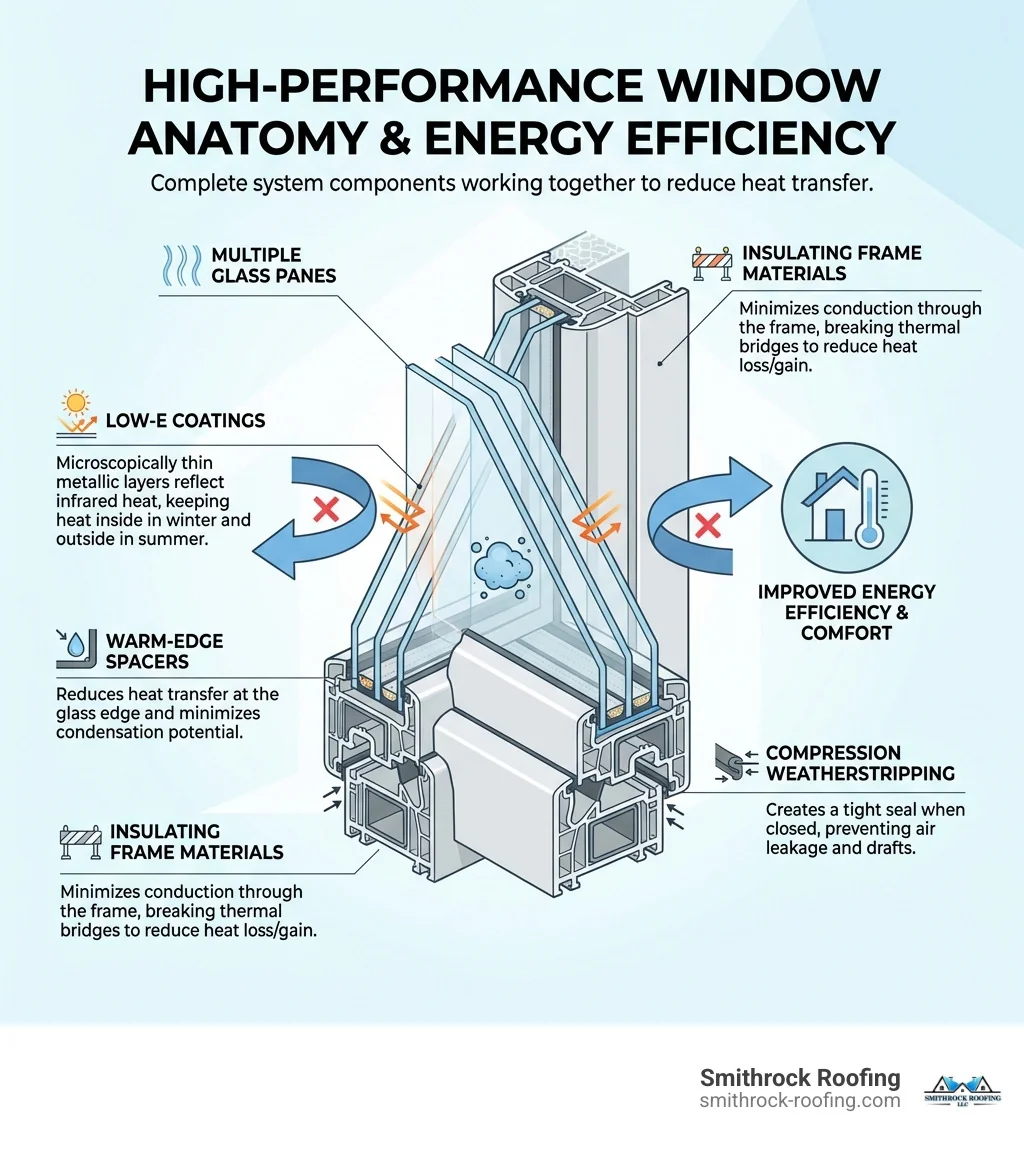
High performance windows represent the pinnacle of modern building science, engineered to serve as much more than just a transparent portal to the outdoors. In the context of contemporary architecture and home renovation, these systems are sophisticated thermal barriers designed to minimize heat transfer, drastically reduce energy consumption, and elevate the standard of indoor living. Unlike standard builder-grade windows, which often act as “thermal holes” in a home’s envelope, high-performance units utilize a combination of multi-pane glazing, advanced low-emissivity (Low-E) coatings, inert gas fills, and precision-engineered frames to create a highly efficient barrier against the elements.
To understand why these windows are necessary, one must first understand the physics of heat transfer. Heat moves in three ways: conduction (through solid materials), convection (through air movement), and radiation (through electromagnetic waves, like sunlight). Standard windows are notoriously poor at managing these forces. A single pane of glass has almost no insulating value, allowing heat to pour out in the winter and seep in during the summer. High-performance windows are designed to tackle all three modes of heat transfer simultaneously, creating a stable interior environment regardless of the chaos of the weather outside.
The Core Benefits of High Performance Windows Include:
For many homeowners, the realization that an upgrade is necessary comes during the peak of summer or the depths of winter. If you find yourself adjusting the thermostat constantly, or if you feel a noticeable draft while walking past a window, your current glazing is likely failing. The challenge lies in the fact that “high performance” is not a protected legal term; manufacturers may use it loosely. To truly understand what you are purchasing, you must look at the integrated system: the frame material (such as multi-chambered vinyl or pultruded fiberglass), the number of glass panes, the type of warm-edge spacers, and the specific gas fill used between the layers.
In the United States, windows account for a staggering amount of energy loss annually, estimated by the Department of Energy to be responsible for up to 30% of residential heating and cooling energy use. This is not merely an environmental concern; it is a direct financial drain on households. In mixed-humid climates like North Carolina, the requirements for a window are particularly demanding. The glass must be able to retain heat during a chilly Appalachian winter while simultaneously rejecting the intense solar heat gain of a Piedmont summer. This guide is designed to provide a deep dive into the metrics, technologies, and installation practices that define true high-performance fenestration.
Must-know high performance windows terms:
To accurately evaluate high performance windowsone must move beyond marketing jargon and into the realm of measurable physics. A window is essentially a complex assembly of materials with varying thermal properties. To provide consumers with a standardized way to compare these products, the National Fenestration Rating Council (NFRC) developed a comprehensive labeling system. This label is the most reliable tool for determining how a window will actually perform in your specific home environment. You can explore the NFRC certified product directory to see how various manufacturers compare under identical testing conditions.
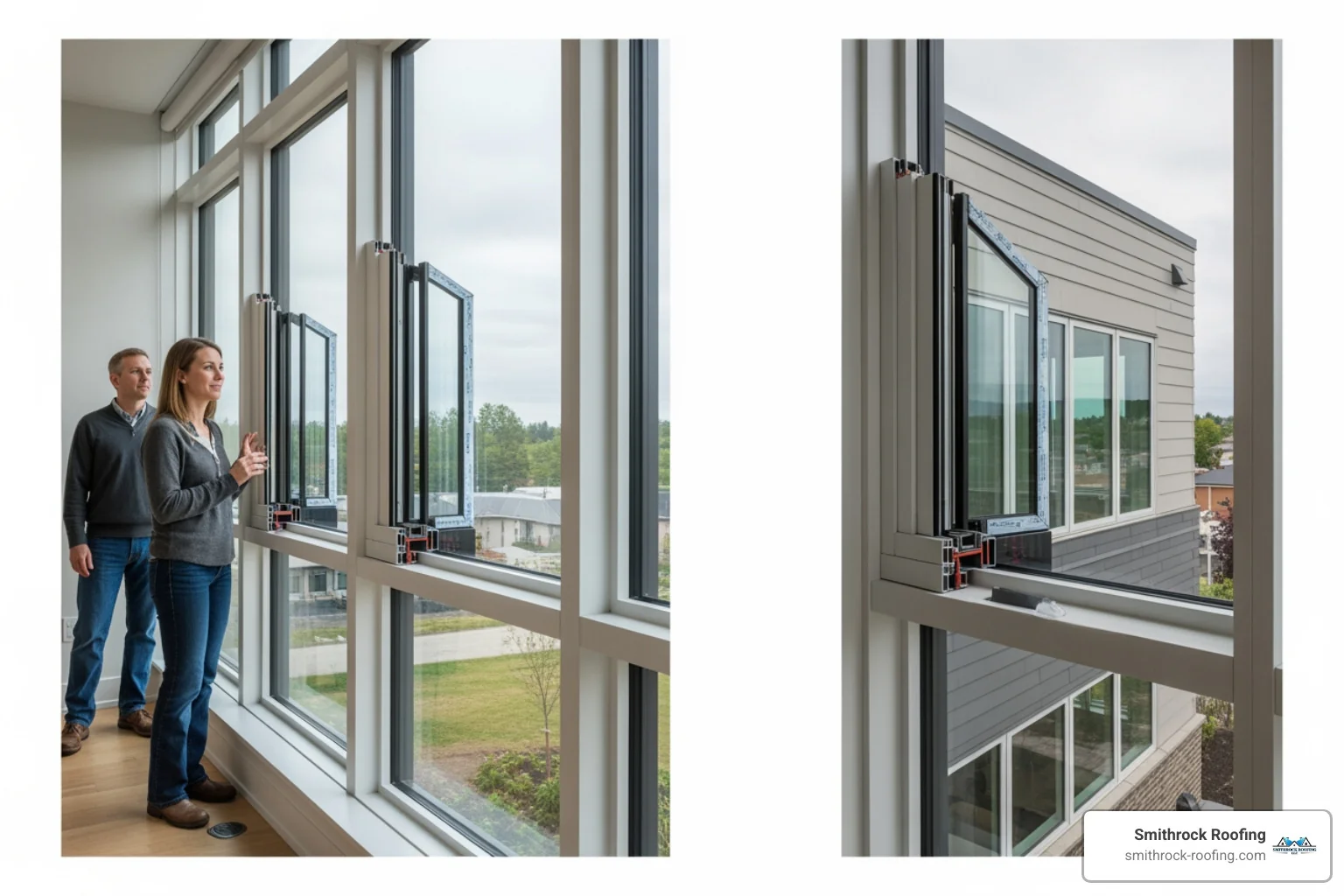
The primary metric for insulation is the U-factor. This number represents the rate at which a window, door, or skylight transmits non-solar heat flow. In simpler terms, it measures how well the window keeps heat inside during the winter and outside during the summer. The lower the U-factor, the better the window’s insulating properties. While the window industry standardizes on U-factor, many homeowners are more familiar with R-valuewhich is used for wall and attic insulation.
The relationship between the two is inverse: R-value is calculated as 1 divided by the U-factor. For instance, a high-performance window with a U-factor of 0.20 has an R-value of 5. In contrast, a standard double-pane window might have a U-factor of 0.50, resulting in an R-value of only 2. When you consider that a well-insulated wall might have an R-value of 20 or higher, you can see why the window is often the weakest link in a home’s thermal envelope. Upgrading to a window with a lower U-factor is the most effective way to “plug” these thermal holes and create a more resilient building envelope.
The Solar Heat Gain Coefficient (SHGC) measures the fraction of solar radiation admitted through a window. This is expressed as a number between 0 and 1. A lower SHGC means the window transmits less solar heat. In southern climates or regions with intense summer sun, a low SHGC (typically below 0.25) is vital for reducing cooling loads. However, in northern climates, a slightly higher SHGC might be desirable to allow for “passive solar heating” during the winter.
For homeowners in the North-Central and South-Central zones of North Carolina, finding a balanced SHGC is key to year-round efficiency. This balance ensures you aren’t overworking your air conditioner in July while still benefiting from some natural warmth in January. High-performance windows often use “spectrally selective” coatings that are engineered to block specific wavelengths of light (the heat-carrying infrared) while allowing others (visible light) to pass through.
Visible Transmittance (VT) measures the amount of light in the visible spectrum that passes through the glazing. While high-performance coatings are designed to block heat (infrared) and UV rays, they can sometimes reduce the amount of natural light. Modern high-performance windows use advanced coatings that maximize VT while minimizing SHGC, ensuring your home remains bright and airy without the associated heat gain. A VT rating of 0.50 or higher is generally preferred for maintaining a natural feel indoors.
Finally, Air Leakage (AL) ratings indicate how many cubic feet of air can pass through a square foot of window area. A lower AL rating means the window is tighter and less prone to drafts. High-performance units often feature advanced weatherstripping and compression seals to achieve AL ratings far below the industry maximum of 0.30. In fact, many top-tier windows achieve ratings of 0.10 or lower, which is essential for maintaining the integrity of a high-performance home’s air barrier. For those seeking the quietest and most comfortable home, looking for more info about insulated windows and their specific AL ratings is a critical step.
Need a hand with this in Winston-Salem, Greensboro and the NC Triad? Call (336) 971-0464 or request a free estimate. Honest answers, no pressure.
The engineering behind high performance windows has advanced significantly over the last decade. The “glazing package”, the combination of glass, gas, and spacers, is where the majority of the thermal resistance is created. Single-pane windows, which offer virtually no insulation, have been replaced by sophisticated multi-pane units. While double-pane windows are the current standard, triple-pane systems are rapidly gaining market share due to their superior performance in extreme climates. For a deeper understanding of these advancements, you can consult scientific research on insulating glass or find more info about insulated low-e glass.
The space between the glass panes in a high-performance window is not filled with ordinary air. Instead, manufacturers use noble gases like Argon or Krypton. These gases are denser than air and have lower thermal conductivity, which significantly slows the movement of heat through the window. Argon is the most common choice due to its excellent performance-to-cost ratio, while Krypton, being even denser, is often used in thinner glazing cavities or ultra-high-end triple-pane units to achieve maximum R-values. Some manufacturers even use a blend of these gases to optimize performance across different temperature ranges.
To keep these panes separated and the gas contained, spacers are used around the perimeter. Historically, these were made of aluminum, which conducted heat easily and led to condensation at the edges of the glass. Modern high-performance windows utilize “warm-edge” spacers made of stainless steel, structural foam, or composite materials. These spacers act as a thermal break, ensuring that the temperature at the edge of the glass remains close to the temperature at the center, effectively eliminating the “sweating” that can lead to sill rot and mold. This technology is crucial for preventing the degradation of the window frame over time.
The frame of a window must provide structural integrity while also contributing to the overall thermal performance. A high-quality glazing package in a poor-quality frame will fail to deliver the promised energy savings. Here is a detailed look at the most common materials used in high-performance applications:
| Material | Thermal Performance | Structural Integrity | Maintenance Requirements |
|---|---|---|---|
| Vinyl (PVC) | High (when multi-chambered) | Moderate to High | Very Low |
| Fiberglass | Very High | Excellent (High Strength) | Low |
| Wood | High | High | High (Requires Painting/Staining) |
| Thermally Broken Aluminum | Moderate | Excellent | Low |
For many residential applications, vinyl windows in Winston Salem represent an ideal balance of performance and value. Modern vinyl frames are designed with multiple internal chambers that trap air, acting as additional layers of insulation. They are also reinforced with steel or composite materials to prevent warping and ensure long-term structural stability. Fiberglass is another top-tier option; because it is made of glass fibers and resin, it expands and contracts at nearly the same rate as the glass panes themselves, which helps maintain the integrity of the seals over decades of use. Wood remains a classic choice for its natural insulating properties and aesthetic appeal, though it requires significantly more upkeep to prevent weathering and rot in humid climates.
The mechanical design of a window, how it opens, closes, and seals, is a major factor in its overall high-performance rating. Even the most advanced glass cannot compensate for a window design that allows air to bypass the seals. When selecting windows for a high-performance home, the choice of operation style should be guided by both functional needs and airtightness goals. This is particularly important in regions with high wind loads or extreme temperature fluctuations.
Fixed (Picture) Windows are the undisputed champions of energy efficiency. Because they do not open, they have no moving parts and can be permanently sealed into the frame. This eliminates air leakage entirely. For areas of the home where ventilation is not required, fixed windows provide the highest possible thermal resistance and the lowest risk of seal failure over time. They are often used in combination with operable windows to create large, efficient expanses of glass.
Among operable windows, Casement and Awning styles are the most efficient. These windows feature a sash that closes against the frame with a high-pressure compression seal, similar to a refrigerator door. When the wind blows against a casement window, it actually pushes the sash tighter against the weatherstripping, improving the seal. In contrast, Double-Hung and Sliding windows rely on brush-like weatherstripping to allow the sashes to slide past each other. While modern versions are quite good, they generally cannot match the airtightness of a compression-sealed window. For those prioritizing the tightest possible envelope, more info about the best windows for insulation can help clarify these distinctions.
The United States is divided into distinct climate zones by the Department of Energy to help homeowners choose the right products. North Carolina spans the North-Central and South-Central zones. In these regions, windows must be versatile. They need a low U-factor to keep heat in during the winter, but they also require a low SHGC to block the intense summer sun. This dual requirement makes the selection process more complex than in purely cold or purely hot climates.
Homeowners looking for the absolute best should aim for the ENERGY STAR Most Efficient criteria. These windows often feature triple-pane glass or advanced “thin-triple” technology, achieving U-factors of 0.20 or lower. This level of performance is particularly beneficial for homes with large expanses of glass, where the cumulative heat loss or gain can be massive. By matching the window’s performance metrics to the specific orientation of the house, for example, using lower SHGC windows on the west-facing side to combat the afternoon sun, you can optimize the home’s thermal behavior and significantly reduce the load on your HVAC system, leading to a more sustainable and comfortable living space.
Investing in high performance windows is a strategic decision that yields dividends in three primary areas: financial savings, physical comfort, and long-term property value. While the initial investment is higher than that of standard windows, the total cost of ownership is often much lower when energy savings and maintenance are factored in. According to data from the ENERGY STAR program, replacing single-pane or clear-glass double-pane windows with certified high-performance models can reduce energy bills by an average of 12% nationwide, with some homeowners seeing even greater returns. You can find more info about energy efficient window upgrades to calculate the specific impact on your household budget.
Beyond monthly utility savings, there are several financial mechanisms that make high-performance upgrades more accessible. Many local utility providers offer rebates for homeowners who install ENERGY STAR-certified products, as reducing residential energy demand helps stabilize the grid. Furthermore, the federal government often provides tax credits for energy-efficient home improvements through programs like the Inflation Reduction Act. These credits can cover a significant portion of the product cost, provided the windows meet specific efficiency thresholds.
From a real estate perspective, high-performance windows are a major selling point. Prospective buyers are increasingly savvy about energy costs and indoor comfort. A home equipped with modern, durable, and efficient windows often commands a higher resale price and spends less time on the market. It signals to the buyer that the home has been well-maintained and built to modern standards of quality, reducing their future maintenance concerns.
The impact on daily life is perhaps the most immediate benefit. High-performance windows dramatically improve Indoor Environmental Quality in several ways:
The performance of a window is inextricably linked to the quality of its installation. Even a window with the lowest U-factor in the world will fail to perform if it is not integrated correctly into the home’s wall system. Professional installation is the critical final step in ensuring that the laboratory-tested ratings of a window are realized in the real world. A poor installation can lead to air leaks, water intrusion, and even structural damage over time.
A truly high-performance installation involves a comprehensive approach to air and water management. This includes:
Choosing a qualified window replacement service in Winston Salem ensures that these technical details are handled correctly. For more detailed insights, you can explore more info about professional window installation.
The window industry is currently undergoing a technological revolution. One of the most promising developments is thin-glass triple-pane technology. Traditional triple-pane windows are heavy and require thick frames, which can make them difficult to retrofit into older homes. Researchers at the Lawrence Berkeley National Laboratory (LBNL) have pioneered the use of ultra-thin glass (less than 1mm thick) as the center pane. This allows for a triple-pane window that is the same weight and thickness as a standard double-pane unit, making it a “drop-in” replacement with significantly higher R-values. You can read the scientific research on thin-glass triple-pane technology for a deep dive into the data.
Another emerging technology is Vacuum Insulated Glazing (VIG). By removing the air between two panes of glass to create a vacuum, manufacturers can achieve incredible insulating values in a very thin profile. While still in the early stages of mass-market adoption, VIG represents the future of ultra-high-performance fenestration, potentially offering R-values that rival insulated walls. These innovations promise to make high-performance windows even more accessible and effective in the years to come.
High-efficiency windows are generally those that meet the standard ENERGY STAR requirements for their climate zone. They typically offer a 10-15% improvement over standard windows. Ultra-efficient windows, such as those meeting the “ENERGY STAR Most Efficient” or Passive House standards, often utilize triple-pane glass and advanced coatings to provide a 50% or greater improvement in thermal resistance, often reaching R-values of 5 to 10. These are ideal for homeowners seeking maximum energy independence.
When properly installed, high-quality vinyl or fiberglass high-performance windows are designed to last 20 to 30 years or more. The inert gas fills (Argon/Krypton) are sealed within the glass units; while a tiny fraction of a percent may escape over decades, the windows remain highly efficient for their entire lifespan. Choosing a window with a robust warranty on the “Insulated Glass Unit” (IGU) is essential for long-term peace of mind.
Yes, significantly. The multiple layers of glass and the gas-filled cavities act as different mediums that sound waves must travel through, which dissipates their energy. For maximum noise reduction, some homeowners choose “dissimilar glass,” where the two or three panes are of different thicknesses, which helps to cancel out a wider range of sound frequencies, from low-frequency traffic rumble to high-frequency sirens.
Interestingly, yes. With very high-performance windows, the outer pane of glass can sometimes become colder than the outside air because so little heat is escaping from the house to warm it up. This can lead to temporary exterior condensation (dew) in the morning, which is actually a sign that your windows are working perfectly to keep your expensive heat inside. It usually dissipates quickly as the sun rises.
While “glass-only” replacement is possible, it is rarely the best path to high performance. To achieve the best U-factors and air leakage ratings, the frame and the glass must be designed to work together. A high-performance IGU in an old, leaky frame will not provide the comfort or energy savings you are looking for. A full-frame replacement ensures that the entire opening is properly sealed and insulated.
For most homeowners, the answer is a resounding yes. While the upfront cost is higher, the combination of lower energy bills, increased home value, and significantly improved daily comfort provides a strong return on investment. Additionally, the protection of interior assets from UV damage and the reduction in HVAC wear and tear add further financial benefits over the life of the windows.
At Smithrock Roofingwe are committed to helping homeowners navigate the complex world of building science to find the best solutions for their properties. High performance windows are more than just a home improvement; they are a fundamental upgrade to your home’s efficiency, comfort, and long-term value. Whether you are located in Winston-Salem, High Point, Greensboro, or the surrounding areas, the transition to advanced glazing technology is one of the most impactful changes you can make to your living environment.
We take pride in offering industry-leading products like the Norandex eXtreme 3000S series, which are specifically engineered to meet the rigorous demands of the North Carolina climate. These windows combine multi-chambered frame construction with advanced Low-E glass packages to deliver exceptional year-round performance. By choosing a high-performance system and ensuring it is installed by experienced professionals, you are securing a quieter, more comfortable, and more energy-efficient future for your home. Our team is trained in the latest installation techniques to ensure that every window we install performs exactly as intended.
If you are ready to stop losing energy through your glass and start enjoying a more stable indoor environment, we are here to guide you through every step of the process. From initial consultation to final installation, our team ensures that your investment in high-performance technology is protected. We understand that every home is unique, and we work closely with you to select the metrics and styles that best fit your needs. For more info about window replacementreach out to us today and discover how we can transform your home into a model of modern efficiency and comfort. Your journey toward a better home starts with a single, high-performance choice.
Need a local pro? Learn more about our window replacement in King.
High performance windows matter because they minimize heat transfer, reduce energy consumption, and improve indoor living standards by acting as sophisticated thermal barriers, unlike standard windows that poorly insulate against the elements.
High performance windows differ from standard windows through their use of multi-pane glazing, advanced low-emissivity (Low-E) coatings, inert gas fills, and precision-engineered frames, creating an efficient barrier against heat transfer.
The core benefits include exceptional energy efficiency, superior thermal insulation, enhanced thermal comfort by eliminating cold spots and drafts, and advanced noise reduction.
By significantly reducing the demand on heating and cooling systems, high performance windows lower annual utility costs, with models rated R-3 or higher offering substantial energy savings.

Smithrock Roofing © Copyright 2026 • All Rights Reserved • Privacy Policy • Maintained by Mongoose Digital Marketing