Finding water dripping from your ceiling is a moment that makes your stomach drop. That telltale brownish stain or, worse, the steady drip… drip… drip… into a growing puddle on your floor is more than just an inconvenience; it’s a serious warning sign that demands immediate action. While the initial temptation might be to simply paint over a dried water stain and hope for the best, this approach only masks a potentially catastrophic problem. A comprehensive ceiling water leakage solution is not just about cosmetic fixes, it’s about protecting the very structure of your home and the health of your family.
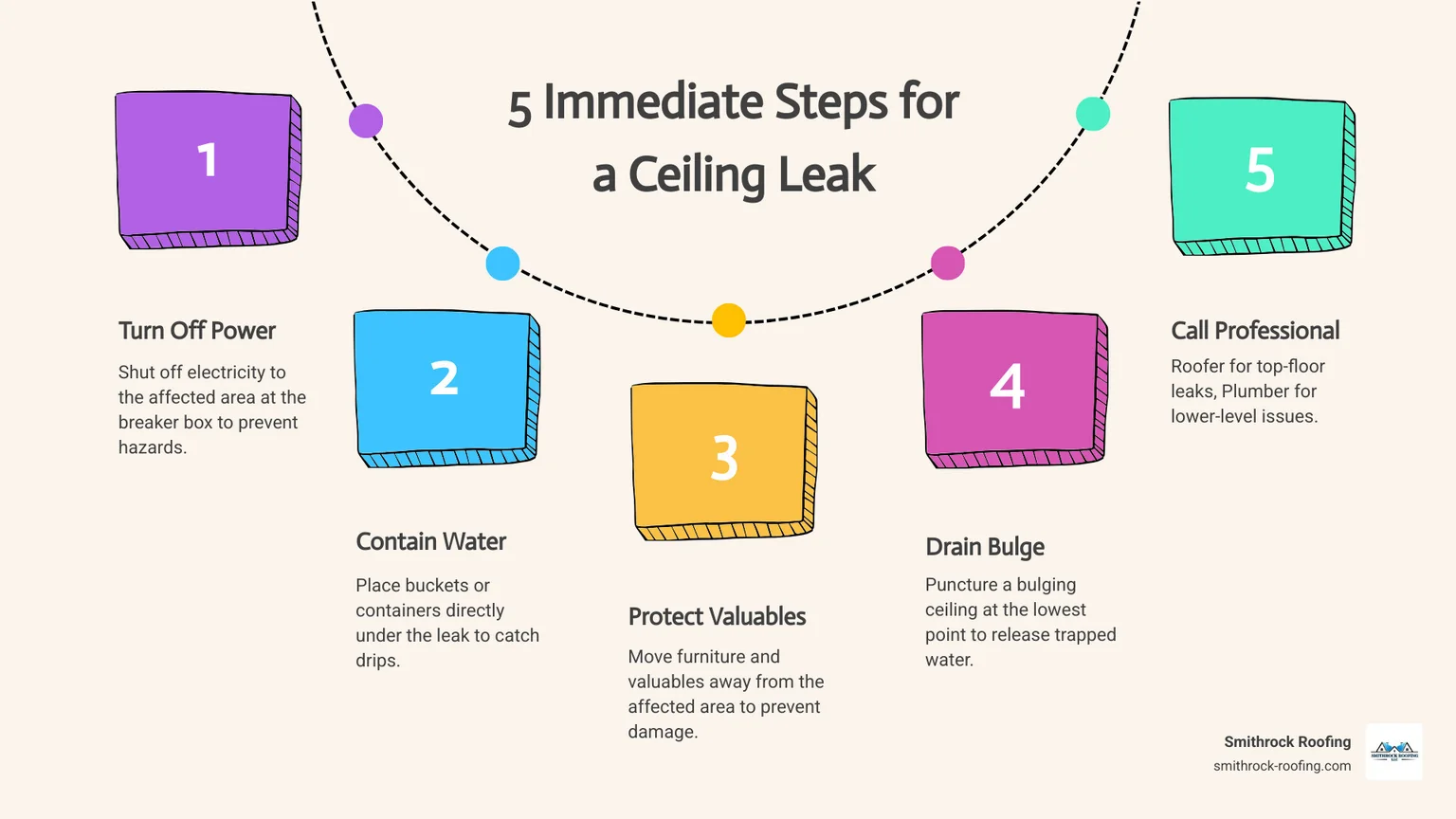
To stop the damage and regain control, a ceiling water leakage solution starts with these five critical, immediate steps:
Every ceiling leak is an emergency. The moment water penetrates your ceiling, a countdown begins. Within just 24 to 48 hours, the persistent dampness creates a perfect breeding ground for mold and mildew, which can release harmful spores into your air. Beyond the health risks, that small drip can quickly saturate insulation, lead to rotted wooden joists and wall studs, compromise electrical wiring, and result in repair bills that can climb into the thousands. Ignoring the problem doesn’t just risk cosmetic damage; it jeopardizes your home’s structural integrity and your family’s well-being.
The good news is that you can stop the damage from escalating by taking the right steps immediately. Whether the leak originates from a storm-damaged roof, a burst pipe hidden in a wall, or a clogged HVAC condensate line, understanding what to do can save you a significant amount of money and stress. This guide will walk you through everything from emergency containment and source identification to permanent repairs and long-term prevention. You’ll learn how to trace the water’s path, when you can safely handle repairs yourself, and when it’s absolutely essential to call in the professionals. Most importantly, you’ll gain the knowledge to prevent ceiling leaks from happening again.
Ceiling water leakage solution terms simplified:
When you spot a drip, discoloration, or bulge on your ceiling, your immediate actions are critical to minimizing damage and ensuring safety. This is your emergency playbook for a ceiling water leakage solutiondesigned to help you take control of a stressful situation.
Your top priority is safety. Water and electricity are a lethal combination. If the leak is near any light fixtures, ceiling fans, outlets, or switches, turn off the electricity to that area at your main circuit breaker immediately. Locate your home’s electrical panel (often in the garage, basement, or a utility closet) and flip the breaker that corresponds to the affected room. If you are unsure which breaker to flip or if the panel itself is in a damp area, err on the side of caution and shut off the main breaker that powers the entire house. Do not touch or use any electrical devices in the wet area.
Next, address the immediate physical hazards. Water on hard-surface floors creates a serious slip-and-fall risk. According to the CDC, falls are a leading cause of household injuries (Facts About Falls), so move cautiously and place towels on wet patches of floor.
With the immediate safety risks managed, focus on protecting your property. Move furniture, electronics, rugs, and personal items out of the affected area. For large or immovable items like a piano or heavy sofa, cover them completely with thick plastic sheeting or tarps, securing the plastic with tape if necessary. This is also the time to document everything with photos and videos for your future insurance claim. Use your smartphone to capture wide shots of the room, close-ups of the dripping ceiling, the source of the water if visible, and any items that have been damaged. This evidence is invaluable when filing a claim.
Now, manage the water itself. Place buckets, large pots, or plastic storage bins directly under every drip to catch the water. To prevent splashes, you can place an old towel or sponge inside the bucket to deaden the sound and impact of the drips. For a more widespread or faster leak, you can create a temporary drip diverter. Take a large plastic trash bag or tarp and use thumbtacks to secure the four corners to the ceiling around the leak, creating a funnel shape. Place a small weight in the center of the plastic to guide the water down into a large bucket placed underneath.
Pay close attention to any bulges or sagging in your ceiling. This indicates that water is pooling on top of the drywall or plaster, creating immense pressure and risking a sudden, messy collapse. To prevent this, you must release the water in a controlled way. First, place a large bucket directly under the lowest point of the bulge. Then, wearing safety glasses to protect your eyes from potentially contaminated water, use a screwdriver or an awl to carefully puncture the center of the bulge. Stand to the side as you do this. A small hole is all that’s needed to allow the water to drain safely into the bucket, relieving the pressure and preventing a larger section of the ceiling from failing.
After you have addressed the immediate safety concerns and contained the water, it’s time to call for professional help. Choosing the right expert is key to finding a permanent solution. The leak’s location and behavior will guide your decision:
If you’re unsure, pay attention to the timing. Leaks that appear only during heavy storms point to the roof or clogged gutters. Leaks that happen on clear days, or when you hear water running in the walls, strongly signal a plumbing issue.
Need a hand with this in Winston-Salem, Greensboro and the NC Triad? Call (336) 971-0464 or request a free estimate. Honest answers, no pressure.
Finding the precise origin of a ceiling leak is often the most challenging part of the repair process. Water is deceptive; it can enter your home at one point, travel along rafters, pipes, or wiring, and finally appear as a drip or stain on your ceiling many feet away. A successful and permanent ceiling water leakage solution depends on meticulous detective work to trace the water back to its true entry point. Simply patching the stained drywall without fixing the source guarantees the problem will return.
Your first clues are location and timing. A leak on the top floor that appears after a heavy rainstorm is a strong indicator of a roofing issue. A discolored spot on the first-floor ceiling directly below an upstairs bathroom suggests a plumbing problem. For more subtle leaks, a moisture meter can be an invaluable, non-invasive tool. A pinless moisture meter can detect dampness within walls and ceilings without leaving holes, allowing you to map the extent of the moisture and follow its path back toward the source.
Before any cosmetic repairs can begin, you must find and permanently fix the source of the water. The most common culprits fall into four main categories:
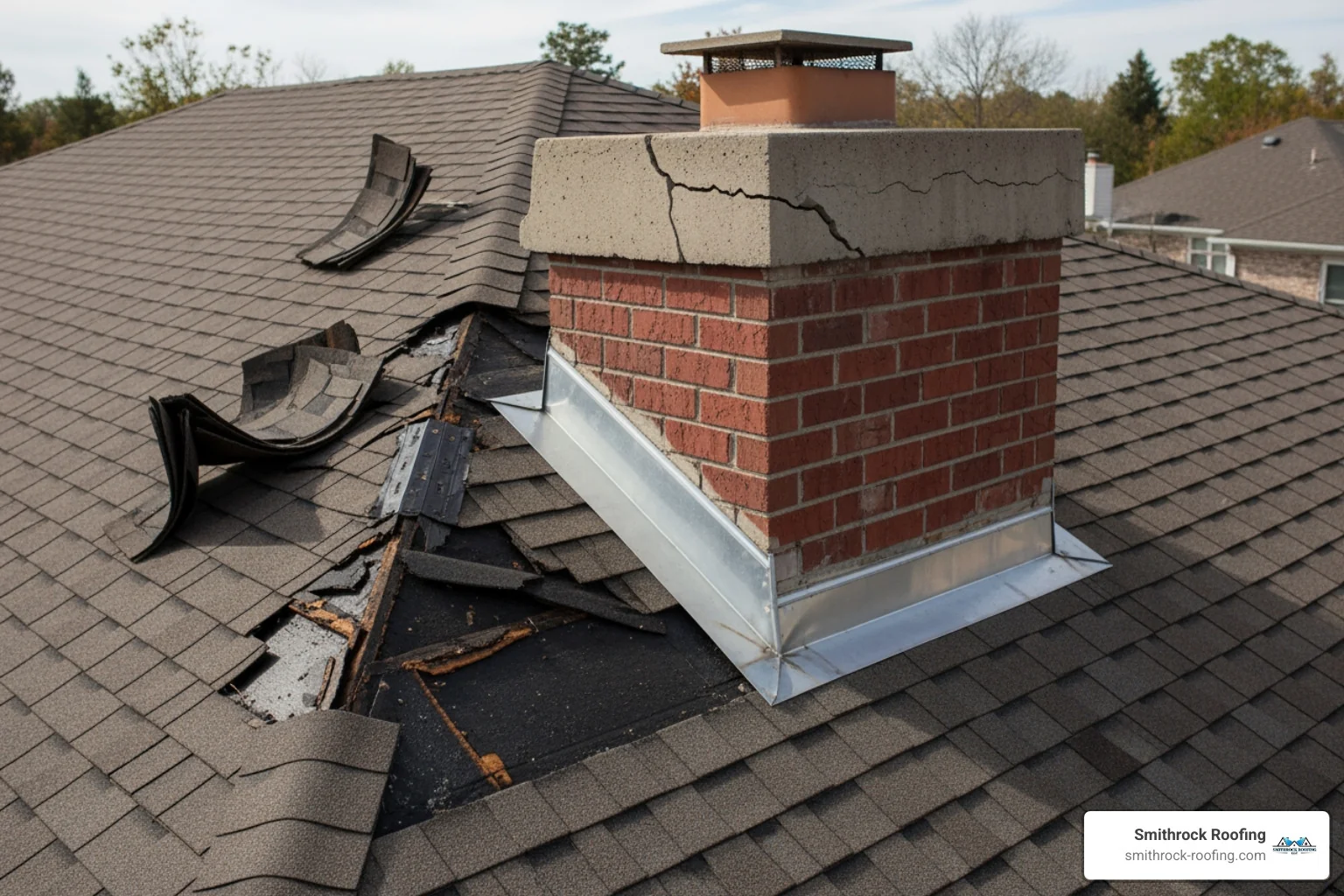
For any leak on your home’s top floor, the roof is the primary suspect. Common roof-related sources include:
A professional Roof Inspection from a trusted company like Smithrock Roofing is the fastest way to pinpoint and fix these issues.
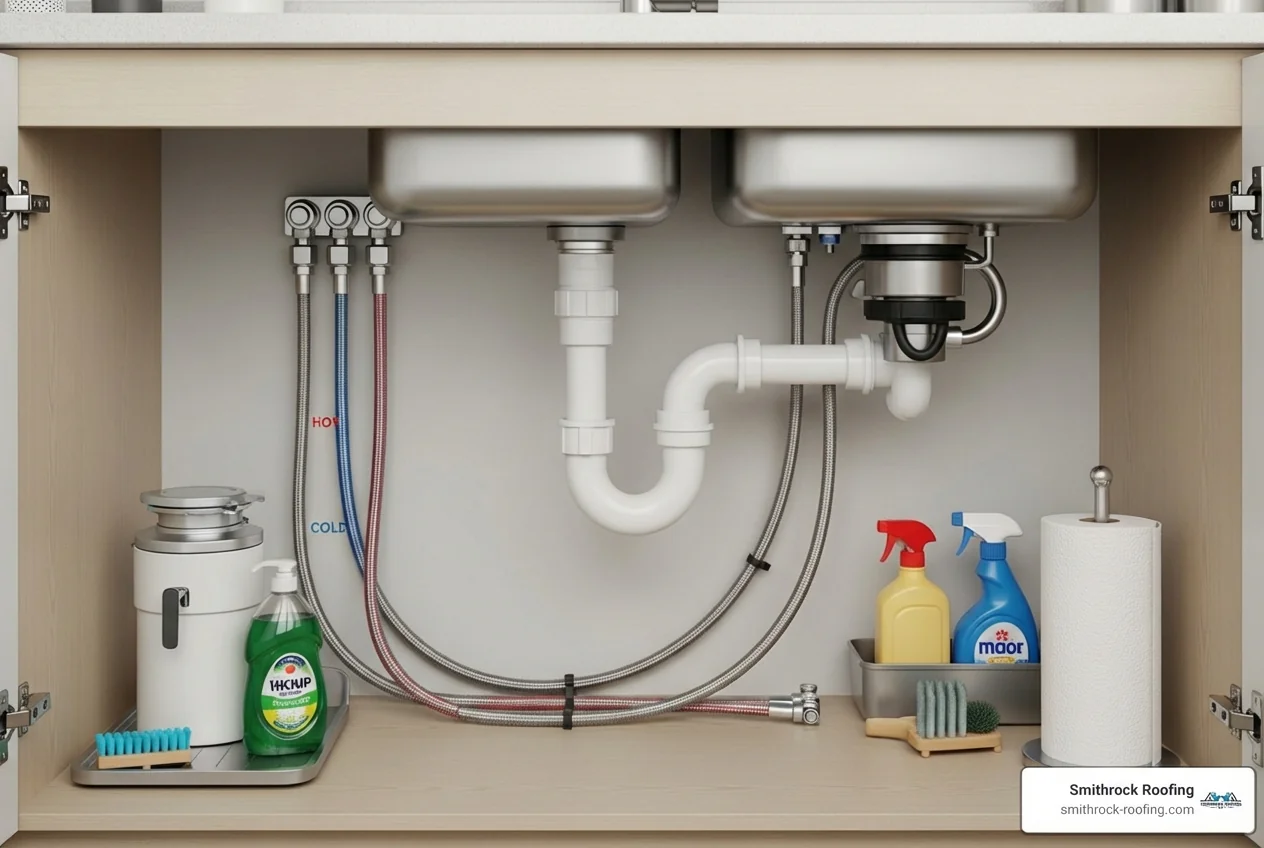
If the leak is below a bathroom, kitchen, or laundry room, plumbing is the likely cause. These leaks can be constant or intermittent. Typical sources include:
Sometimes the source isn’t the roof or a plumbing pipe. Your heating, ventilation, and air conditioning (HVAC) system can also be a major source of water.
Once the source of the leak has been definitively located and fixed, whether by a roof leak repair in Winston Salem professional or a licensed plumber, the second phase of your ceiling water leakage solution begins: repairing the damage to the ceiling itself. This is a multi-step process that involves thorough drying, mold prevention, and careful restoration of the ceiling’s structural and aesthetic integrity.
The short and emphatic answer is no, it is never safe to assume a wet ceiling will dry on its own. While the visible water stain on the surface might fade and feel dry to the touch, a significant amount of moisture can remain trapped within the drywall, plaster, and, most critically, the insulation and wood framing above.
This hidden moisture is a serious threat. It creates the perfect dark, damp environment for mold to flourish, with growth often beginning in as little as 24-48 hours. The potential health effects of indoor mold exposure are well-documented, as described on Wikipedia’s Mold health issues page. Furthermore, persistent moisture will cause wood joists and roof decking to rot and lose their structural strength, rust metal fasteners, and cause drywall to crumble and sag. Relying on passive air drying is a gamble that can lead to much more extensive and expensive problems down the road.
For a true and lasting ceiling water leakage solutionprofessional drying is non-negotiable. Restoration specialists use a combination of industrial-grade equipment, including high-volume air movers to promote evaporation and low-grain refrigerant (LGR) dehumidifiers to pull moisture out of the air and structural materials. This process is monitored with moisture meters to ensure the entire affected area is returned to a safe, dry standard.
After the area is confirmed to be completely dry, you can assess the cosmetic damage. For very minor, isolated issues, some DIY fixes might seem feasible:
However, the limitations and risks of DIY are significant. Without professional moisture detection equipment, you can’t be certain the area is truly dry. You might paint over hidden mold, fail to notice saturated insulation that has lost its R-value, or miss signs of compromised wood framing.
Call a professional for anything beyond a tiny, confirmed-dry stain. A water damage restoration contractor or a skilled general contractor is equipped to:
Whether your ceiling requires a simple patch or a full replacement depends on several factors:
Once you’ve endured the stress and expense of a ceiling leak, the last thing you want is a repeat performance. The most effective ceiling water leakage solution is a proactive one. By implementing a schedule of regular home maintenance that focuses on your home’s most vulnerable systems, roofing, gutters, plumbing, and HVAC, you can significantly reduce the risk of future water intrusion and protect your investment.
Your roof is your home’s first and most critical line of defense against the elements. Out of sight, out of mind is a dangerous approach to roof health. We strongly recommend scheduling a professional Roof Inspection at least once a year, as well as after any major weather event like a hailstorm or hurricane.
During a professional inspection, an expert will meticulously check for and address potential problems before they become leaks:
These routine check-ups offer numerous Benefits of Regular Roof Inspectionsincluding catching minor issues before they cause major damage, extending the lifespan of your roof, and preventing costly emergency repairs.
Clogged gutters are one of the most common and preventable causes of water damage. When gutters are full of leaves, pine needles, and other debris, rainwater cannot drain properly. It pools and overflows, often seeping behind the fascia board, under the roof shingles, and into your attic or wall cavities. To prevent this, you must:
Interior leaks can be just as destructive as roof leaks. A few preventive steps can save you from a major headache:
Proper attic conditions are key to preventing condensation-related leaks and ice dams.
When faced with a ceiling leak, homeowners in Winston-Salem, Trinity, Danbury, and surrounding areas often have urgent questions. Here, we provide detailed answers to the most common concerns to help you navigate the repair process and choose the right ceiling water leakage solution for your home.
Deciding who to call first can be confusing, but the leak’s characteristics will point you in the right direction. Here’s a breakdown:
If you are uncertain, a trusted roofer is often a good starting point for any top-floor leak. They can quickly rule out or confirm a roof issue, which is a critical first step.
Navigating an insurance claim can be complex. Generally, standard homeowners insurance policies cover water damage that is “sudden and accidental.” A classic example is damage from a burst pipe, a sudden washing machine hose failure, or a tree limb falling on your roof during a storm.
However, policies almost always exclude damage that results from gradual leaks, poor maintenance, or neglect. For instance, if your claim is for a ceiling damaged by a slow-dripping pipe that has clearly been leaking for months, or from a 25-year-old roof that has not been maintained, the claim is likely to be denied. It’s also critical to know that damage from natural flooding (rising groundwater, overflowing rivers) is excluded and requires a separate flood insurance policy.
To maximize your chances of a successful claim:
For general information, resources like the Home insurance article on Wikipedia offer an overview of policy structures. However, your actual policy document is the ultimate authority.
Ignoring a seemingly minor leak is one of the most costly mistakes a homeowner can make. The consequences of inaction escalate quickly and can be severe:
Prompt action, securing the area, containing the water, identifying the source, and calling qualified professionals, is always the most cost-effective and safest ceiling water leakage solution.
A water leak in your ceiling is a clear and urgent signal that your home’s protective envelope has been breached. From the initial emergency steps of shutting off power and containing the water to the crucial diagnosis of the source, every action you take is critical. Whether the culprit is a failing plumbing fixture hidden within a wall, gutters clogged with autumn leaves, or a compromised section of your roof battered by a storm, a swift and effective repair is essential to protect your property’s value, your structural integrity, and your family’s health.
By acting quickly and decisively, you can:
For all roof-related leaks in the greater Winston-Salem area, including King, Clemmons, Lewisville, Kernersville, Mt. Airy, High Point, Greensboro, and surrounding communities, the experienced team at Smithrock Roofing provides the definitive solution. We deliver thorough inspections and durable, long-lasting repairs tailored to your home’s specific needs. Our deep understanding of local weather patterns, common construction styles in the region, and the industry’s best practices ensures your roofing system is secure.
Do not let a small drip escalate into a full-blown disaster. If you see water stains, notice a sagging ceiling, or suspect your roof has been damaged after a storm, the time to act is now. To schedule a comprehensive inspection and secure a permanent ceiling water leakage solutioncontact us for a professional roof leak repair in Winston Salem today. Protect your investment and gain peace of mind.
Immediately turn off electricity to the affected area, place buckets to catch dripping water, move furniture and valuables away, puncture a bulging ceiling to release trapped water, and call a professional roofer or plumber depending on the leak's location.
Addressing leaks quickly prevents mold and mildew growth, structural damage to wooden joists and wall studs, electrical wiring issues, and can save you from expensive repair bills.
Ignoring a leak can lead to health risks from mold and mildew, compromise your home's structural integrity, damage electrical wiring, and result in significant repair costs.
A ceiling water leak can saturate insulation, rot wooden joists and wall studs, and compromise electrical wiring, threatening your home's structural integrity.

Smithrock Roofing © Copyright 2026 • All Rights Reserved • Privacy Policy • Maintained by Mongoose Digital Marketing