
The cost of replacing single glazed windows with double glazing is a primary and valid concern for any homeowner who is tired of feeling drafts, seeing high energy bills, and hearing every bit of outside noise through their inefficient single-pane windows. If you’re living with old, leaky windows, you’re not just experiencing minor discomfort; you’re actively losing money and compromising your home’s comfort and security every single day.
Upgrading to modern double glazing is more than just a simple home repair; it’s a strategic investment in your home’s long-term future. This single project delivers a powerful combination of benefits, including vastly improved energy efficiency, a more stable and comfortable indoor environment year-round, enhanced security, and a notable increase in your property’s market value. It’s one of the few home improvements that pays you back from the moment it’s installed.
This comprehensive guide is designed to walk you through every facet of this important home improvement project. We will delve into the various factors that influence your total investment, empowering you to make informed decisions that align with your budget and goals.
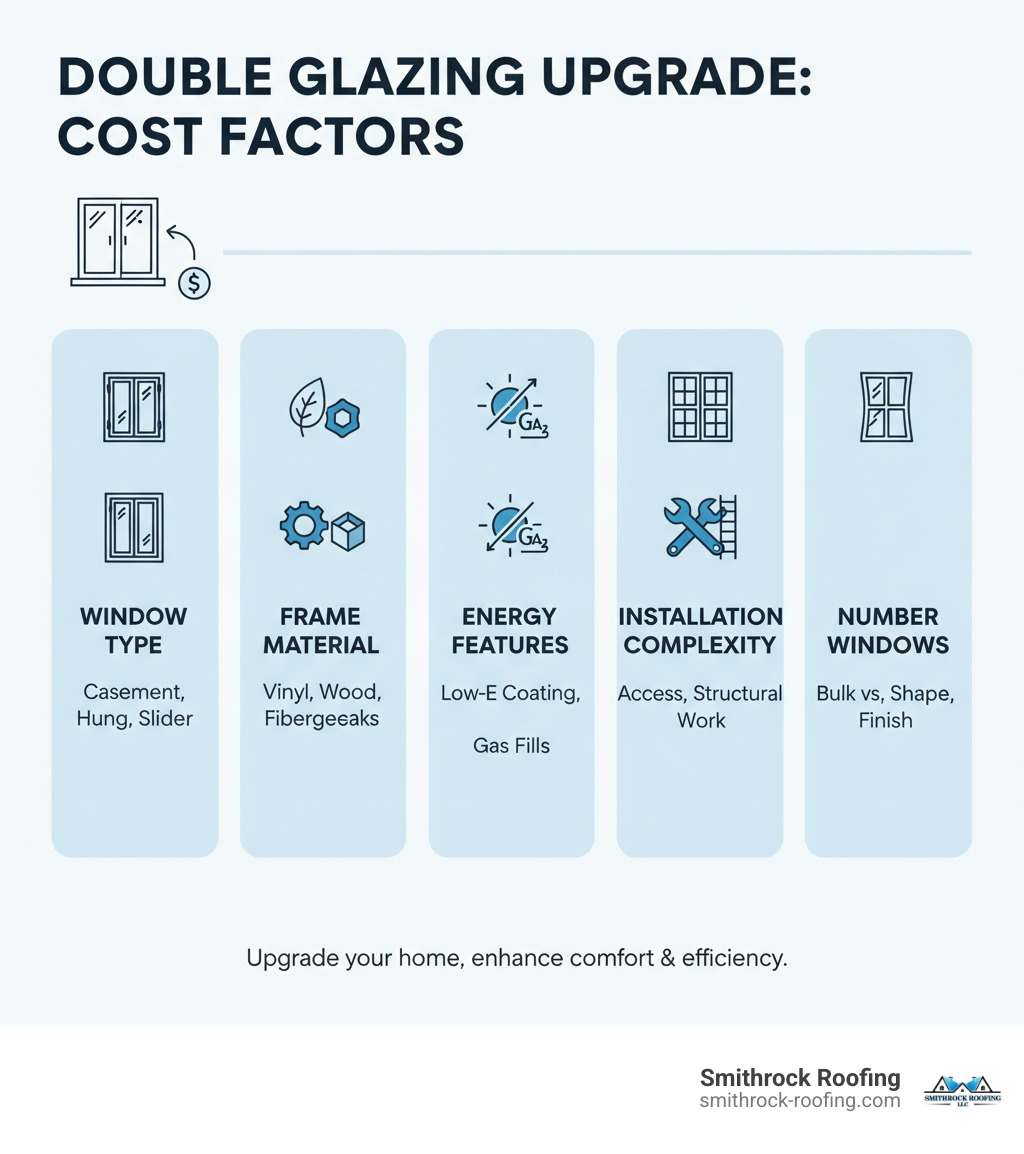
Here’s a more detailed look at what influences the overall cost, which we will explore in depth:
If you’ve ever stood near a window on a cold winter day and felt a distinct chill, or noticed one room becoming an oven in the summer sun, you’ve directly experienced the profound inefficiency of single-pane windows. These outdated windows, common in older homes, are little more than a thin barrier against the elements. They allow precious heat to escape in the winter and unwanted solar heat to pour in during the summer. This constant thermal exchange forces your HVAC system to work relentlessly, leading to uncomfortable temperature swings and unnecessarily high energy bills.
The cost of replacing single glazed windows with double glazing should be viewed as a direct investment in your home’s thermal performance and overall health. The technology is simple yet brilliant: double-pane (or double-glazed) windows consist of two sheets of glass separated by a sealed space. This space, known as an Insulated Glass Unit (IGU), is typically filled with a dense, inert gas like argon or krypton. This construction creates a powerful thermal barrier that dramatically slows the three forms of heat transfer: conduction (heat moving through a solid), convection (heat moving through air), and radiation (heat moving in waves). The result is a home that stays warmer in winter and cooler in summer, giving your HVAC system a much-needed break and putting money back in your wallet.
Beyond thermal performance, this sealed gap provides exceptional noise reduction benefits. The combination of two panes of glass and the insulating gas disrupts sound waves, significantly dampening noise from traffic, neighbors, and construction, transforming your home into a quieter, more peaceful sanctuary. Furthermore, double glazing is a powerful tool against condensation. By keeping the interior glass surface warmer and above the dew point, it virtually eliminates the moisture buildup that can lead to unsightly and damaging mold, mildew, and wood rot around your window frames. The dual-pane construction also enhances security; two panes of glass are inherently harder to break than one, and modern double-glazed units are engineered for superior durability and longevity, making your home a less attractive target for intruders. According to the International Association of Certified Home Inspectors, professionally installed double-pane windows can easily last 20 years or more, providing decades of reliable performance. You can learn more about how these features work on our page about insulated windows.
To make the best choices for your home, it’s helpful to understand the key performance metrics you’ll see on a window’s label. These ratings, often certified by the National Fenestration Rating Council (NFRC), provide a clear picture of a window’s efficiency.
The combination of a sealed, gas-filled space and advanced construction techniques effectively prevents air leakage (drafts), which is a primary source of energy loss in older windows. This reduced HVAC strain is the direct cause of lower monthly energy bills. The EPA’s ENERGY STAR program, a trusted benchmark for efficiency, notes that upgrading from single-pane windows to ENERGY STAR certified windows can lower a household’s energy bills by an average of 12% annually. This is why we are committed to providing the best windows for insulation to ensure year-round comfort and savings for our clients.
While the energy savings are compelling, the benefits of upgrading to double glazing extend far beyond your utility bills, enhancing your daily life and your home’s long-term value.
The cost of replacing single glazed windows with double glazing is not a single, fixed number but rather a tailored investment based on the unique characteristics of your home and the specifics of your project. Understanding the individual components that contribute to the final price is essential for effective budgeting and planning.
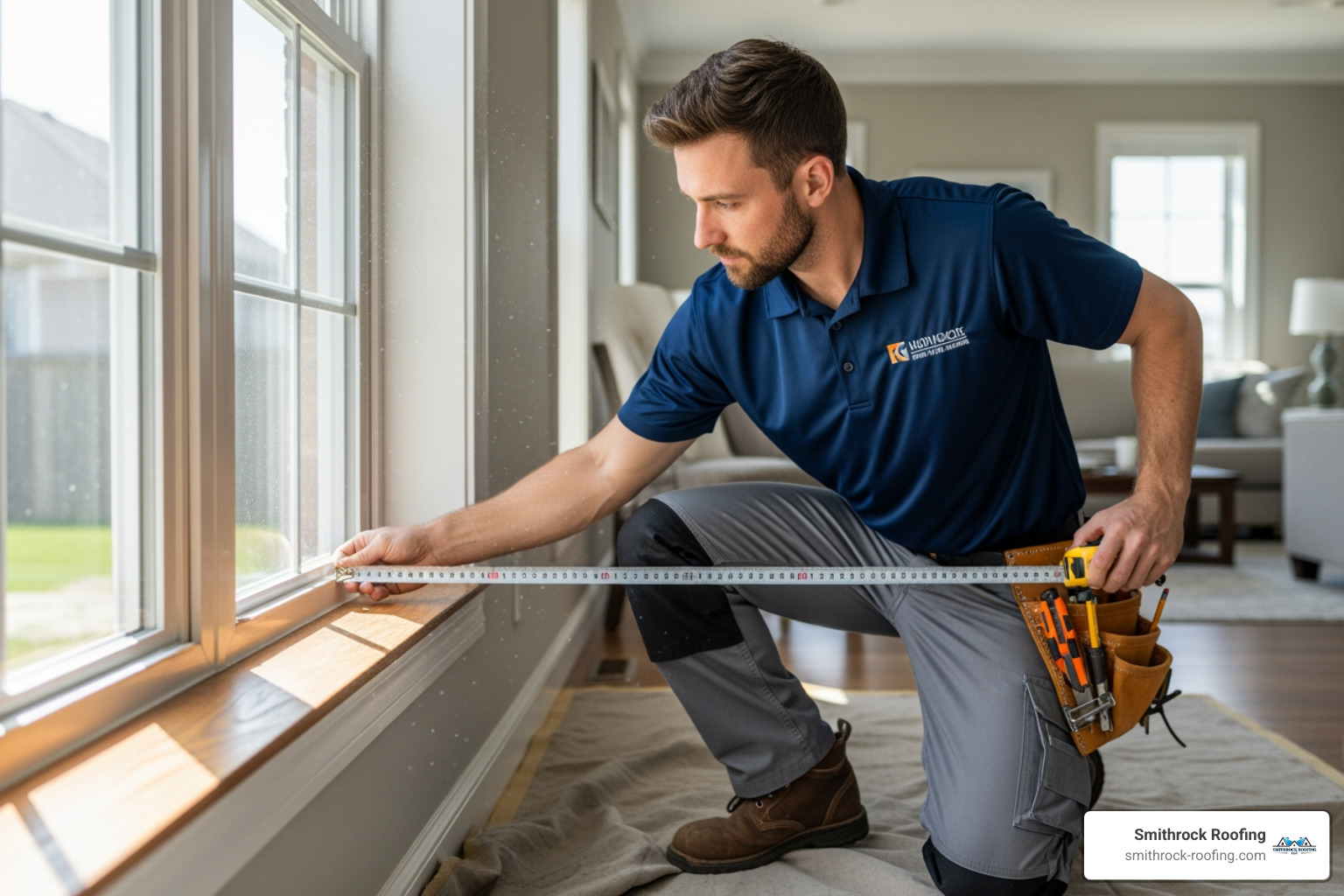
Labor costs represent a significant portion of the total project cost, typically accounting for 30-50% of the final bill. This is influenced by several factors. Your geographic location plays a major role, as labor rates in dense urban areas are generally higher than in rural communities. In North Carolina, costs can vary between cities like Winston-Salem and Greensboro. The project complexity is another critical variable. A straightforward replacement in a modern home is very different from a project in a historic house. Older homes may present challenges like out-of-square openings or the need for structural modifications, such as repairing rotted sills or headers, which adds time and cost. The presence of hazardous materials like lead paint, common in homes built before 1978, requires specialized containment and removal procedures, further increasing labor expenses. Window accessibility also matters; ground-floor windows are the easiest to replace, while upper-story windows, especially those on a third floor or over a sloped roof, may require scaffolding, lifts, or extra safety equipment, all of which affect the cost. Finally, the quote should include the responsible old window disposal, which is factored into our comprehensive project scope. At Smithrock Roofing, we believe in transparency, providing a detailed proposal that breaks down every aspect of your window-replacement project so there are no surprises.
The physical attributes of the windows you choose are a primary driver of material costs. Standard-sized windows, which are mass-produced by manufacturers in common dimensions, are the most affordable option. However, many homes, particularly older or custom-built ones, feature custom-sized windows. These non-standard openings require windows to be individually manufactured to precise measurements, a process that increases both the cost and the lead time for the product. Uniquely shaped windows—such as arches, circles, octagons, or trapezoids—are even more specialized. They demand intricate manufacturing processes and highly skilled, meticulous installation, placing them at a premium price point, often 50% to 200% more expensive than a standard rectangular unit of a similar square footage.
The total number of windows being replaced also has a significant impact. While more windows naturally mean a higher total cost, larger projects can benefit from economies of scale. Replacing all the windows in your home at once often allows us to secure better volume pricing from our manufacturers. Furthermore, our installation crew becomes more efficient, reducing the per-window installation time and cost compared to phasing the project over several smaller jobs. Of course, large windows require more materials, including more glass and a larger, often reinforced frame, which contributes to a higher cost per unit. Very large picture windows or multi-unit assemblies may also require more installers or specialized equipment to lift and set them safely, which is factored into the labor calculation. Understanding these variables is key to smart planning, and if you’re considering creating new openings, our guide on adding-windows-to-a-house offers more helpful insights.
When upgrading to double glazing, you’ll face a crucial decision between two primary installation methods: full-frame replacement and retrofit (or insert) installation. This choice has major implications for the project’s cost, scope, and final outcome.
Full-frame replacement is the most comprehensive method. It involves removing the entire existing window—sash, frame, and interior/exterior trim—right down to the rough opening in the wall. A completely new, pre-assembled double-glazed window unit is then installed, insulated, and sealed in the cleared opening. This approach is the best, and often necessary, choice if your existing window frames are showing signs of rot, water damage, or warping. It is also the required method if you want to change the window’s size or style, or if you want to maximize the visible glass area, as insert windows have a bulkier frame-within-a-frame appearance. The cost is generally higher due to the extensive labor involved in the tear-out, the potential for necessary repairs to the rough opening, and the cost of new interior and exterior trim. However, the major advantage is that it provides a complete overhaul, allowing the installer to properly insulate and air-seal the entire opening for the best possible energy performance and longevity.
Retrofit replacement, also known as an insert or pocket replacement, is a less invasive and more cost-effective method. In this process, the original window frame and trim are left in place, assuming they are structurally sound and square. The old sashes, stops, and hardware are removed, and a new, custom-made window unit is simply inserted into the existing frame. This is an excellent option if your frames are in good condition and you are happy with the current size and shape of your windows. The cost is typically lower than a full-frame replacement because it requires significantly less labor, generates less debris, and does not require new trim work. The installation is also much faster. The main drawback is that it doesn’t address any potential hidden issues like rot or lack of insulation within the old frame. It also results in a slightly smaller glass area because you are essentially putting a new frame inside the old one. The choice between these methods significantly impacts the final cost of replacing single glazed windows with double glazing, and our experts can perform a thorough inspection of your current windows to help you determine the most appropriate and cost-effective approach for your home. Learn more about the process on our window-installation page.
The style of your windows and the material of their frames are two of the most impactful decisions you’ll make in this process. These choices are not merely aesthetic; they define your home’s character, influence daily functionality, and play a significant role in the final cost of replacing single glazed windows with double glazing. Each combination of style and material offers a unique balance of performance, durability, maintenance, and price.
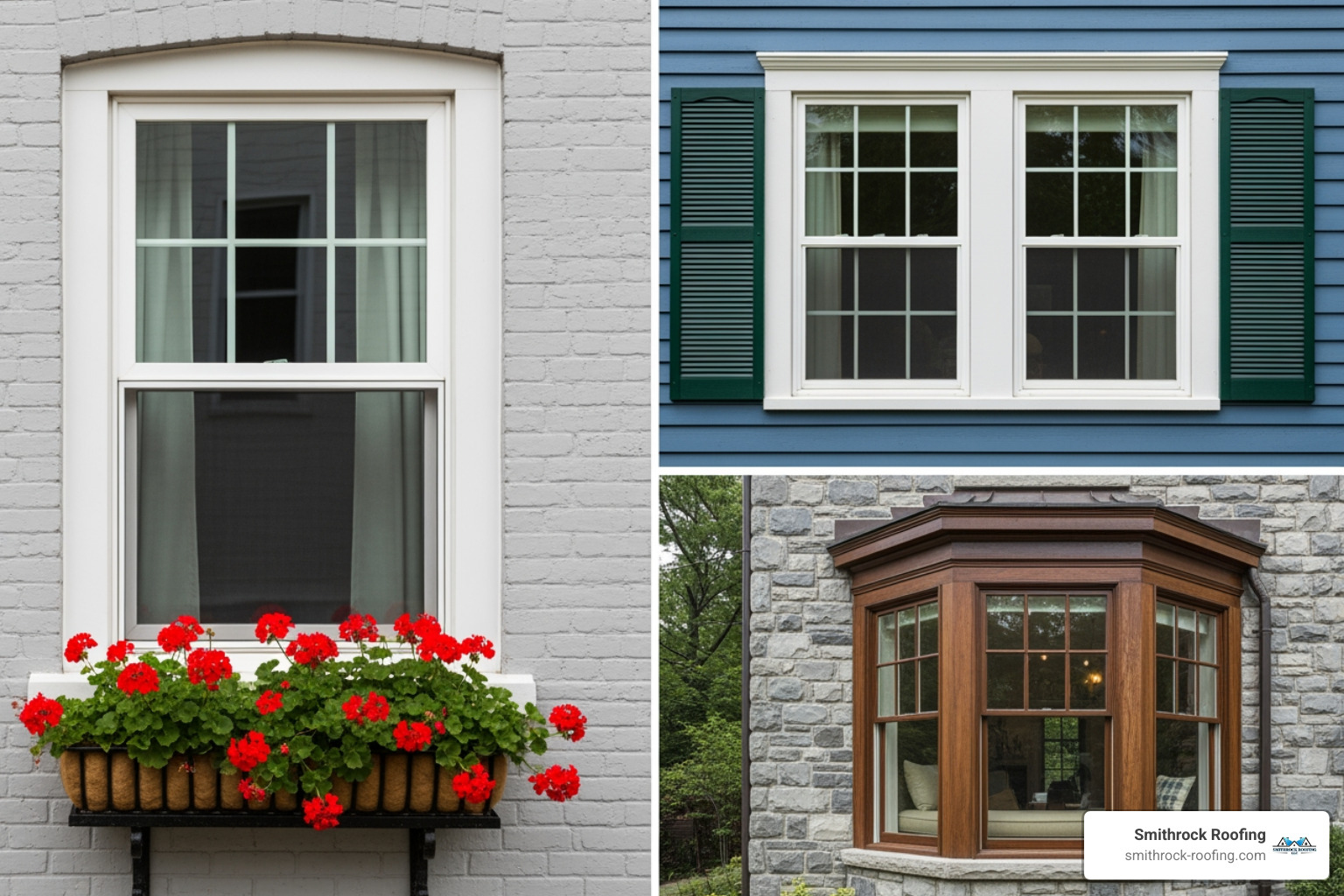
From the timeless, traditional appeal of double-hung windows to the expansive, dramatic flair of a bay window, each style carries its own price tag and functional attributes. Similarly, frame materials like low-maintenance vinyl, warm and classic wood, or ultra-durable fiberglass each present a different value proposition. We work closely with homeowners across Winston-Salem, King, and Greensboro to navigate these options and find the perfect combination that suits their home’s architecture, their personal needs, and their project budget.
The operational style you choose for your windows can cause significant variations in your project’s budget. Simpler, fixed designs are generally more affordable, while complex, multi-unit, or large-scale styles represent a larger investment.
For more on traditional styles, you might find our information on sash-window-costs helpful.
Your choice of frame material is a critical decision that profoundly impacts the initial cost, long-term performance, aesthetic, and maintenance requirements of your new windows.
When evaluating the cost of replacing single glazed windows with double glazing, it’s a common mistake to focus solely on the upfront price tag. A more strategic approach is to view this upgrade as a long-term investment that provides a significant and multifaceted return on investment (ROI) over the life of the windows.
New, energy-efficient windows begin delivering value from the moment they are installed. According to the U.S. Department of Energy, old, inefficient single-pane windows can be responsible for 25-30% of a home’s total heating and cooling energy loss. High-quality double-glazed windows, such as the Norandex eXtreme 3000S series we offer, effectively plug this energy drain, leading to an immediate and noticeable energy bill reduction. With ENERGY STAR certified windows saving homeowners an average of 12% on annual energy bills, these savings accumulate year after year, helping to offset the initial investment. For example, on a $2,500 annual energy bill, a 12% savings amounts to $300 per year. Over a 20-year lifespan, that’s $6,000 in savings, not even accounting for inevitable increases in energy costs. Furthermore, new windows are a powerful driver of home value appreciation. In today’s real estate market, savvy buyers actively seek out homes with modern, energy-efficient features, making your home more attractive and valuable. Explore more ways to improve your home’s efficiency on our energy-efficient-upgrades page.
To unlock the full potential of double glazing, it is essential to include modern technologies like Low-E coatings and inert gas fills. While these features add a modest amount to the initial cost of replacing single glazed windows with double glazing, they deliver a disproportionately large improvement in performance that quickly pays for itself through enhanced energy savings.
Low-Emissivity (Low-E) Coatings are microscopically thin, transparent layers of metallic oxides applied to one or more of the glass surfaces within the IGU. This coating is a heat-reflecting marvel. In the winter, it reflects your home’s radiant heat back into the room, preventing it from escaping. In the summer, it reflects the sun’s long-wave infrared heat away from the window, keeping your home cooler. There are different types of Low-E coatings designed for different climates. In a place like North Carolina, a spectrally selective coating that blocks solar heat gain (low SHGC) while allowing visible light to pass through is ideal.
Inert Gas Fills, such as argon or krypton, are used to fill the space between the two panes of glass. These gases are much denser and less thermally conductive than regular air. This density slows down the movement of heat (convection) within the IGU, providing a significant boost to the window’s insulating properties. Argon is the industry standard, offering a cost-effective performance upgrade. Krypton is even denser and a better insulator, but it is more expensive and typically reserved for high-end windows or the narrower gaps found in triple-glazing.
Together, these features dramatically improve insulation, significantly lowering your window’s U-factor and optimizing its SHGC for your climate. The extra investment is almost always recouped through long-term energy savings from substantially lower heating and cooling bills. These features are what allow a window to meet the stringent performance criteria set by organizations like the National Fenestration Rating Council (NFRC) and ENERGY STAR.
While upgrading from single to double glazing is a monumental leap in performance, some homeowners contemplate going one step further to triple glazing. This technology, which features three panes of glass and two separate gas-filled chambers, offers the pinnacle of thermal and acoustic performance.
Compared to double glazing, triple glazing provides superior insulation. A high-performance double-glazed window might have a U-factor around 0.25, whereas a comparable triple-glazed window could reach as low as 0.15. This can make a tangible difference in extremely cold climates where heating costs are the primary concern. It also offers unmatched soundproofing. The two air gaps and three panes of glass of varying thicknesses create a formidable barrier to sound waves, making it the ideal choice for homes located near airports, highways, or other sources of significant noise pollution.
However, this elite performance comes at a cost. Triple glazing carries a higher initial price, often 15-30% more than a similar double-glazed window, due to the extra materials and more complex manufacturing. The units are also significantly heavier, which can necessitate stronger, more robust frame construction and may limit the size of operable windows. For the majority of homes in a moderate climate like North Carolina’s, high-quality double-glazed windows equipped with Low-E coatings and argon gas provide an excellent and cost-effective balance of performance, comfort, and value. Triple glazing may be a worthwhile investment in specific, targeted situations—such as for a north-facing wall exposed to harsh winter winds or in a bedroom facing a noisy street—but it is often not necessary for an entire house. We can help you analyze the specific conditions of your home to determine if double or triple glazing is the right choice for you. Dive deeper into window insulation on our insulated-windows-near-me page.
Embarking on a full window replacement project is a significant financial undertaking, but with strategic planning and informed choices, you can manage the cost of replacing single glazed windows with double glazing effectively. A successful, budget-conscious project is built on a foundation of careful preparation and smart decision-making.
Before soliciting quotes, it’s essential to establish a clear and realistic budget. This budget should not only cover the cost of the windows themselves but also professional installation, potential repairs to window openings, new trim work, and a contingency fund (typically 10-15%) for unexpected issues. The next critical step is to find a qualified, reputable installer. Proper installation is paramount; even the most expensive, high-performance window will fail if it’s not installed correctly. Look for certified, insured contractors with a long track record of positive reviews. Finally, take the time to understand the warranties. There are typically separate warranties for the glass unit (covering seal failure), the window components (hardware, frames), and the installer’s labor. A strong, comprehensive warranty provides peace of mind and is a sign of a quality product and confident workmanship.
There are several clever strategies you can employ to lower the overall expense of your window upgrade without compromising on the quality and long-term benefits.
Yes, homeowners in North Carolina and across the country can often take advantage of various financial incentives that help to offset the cost of replacing single glazed windows with double glazing. These programs are designed to encourage homeowners to make energy-efficient improvements.
To take advantage of these incentives, you must be diligent. Verify that the windows you are purchasing meet the specific performance criteria of the program, keep all receipts and NFRC labels, and follow the application process precisely. Consulting with a tax professional regarding federal credits is also highly recommended. These programs can significantly reduce the net cost of your project, making your window upgrade even more financially attractive.
Deciding to upgrade to double-glazed windows is a major decision that naturally brings up many important questions. Having served countless families throughout Winston-Salem, King, and Clemmons, we’ve compiled answers to some of the most common concerns we hear regarding the cost of replacing single glazed windows with double glazing and the overall project.
High-quality double-glazed windows are engineered for impressive longevity, but their ultimate lifespan depends on several key factors. According to the International Association of Certified Home Inspectors (InterNACHI), you can generally expect them to last between 15 and 25 years, with many premium products lasting much longer. The primary factors influencing this are:
The most obvious sign of a failed double-glazed unit is condensation or fogginess between the two panes of glass. This indicates that the airtight seal has broken, the insulating gas has escaped, and the window is no longer providing its intended thermal performance.
This is a very common question from budget-conscious homeowners looking for a shortcut. While it is sometimes technically possible to have a custom-made insulated glass unit (IGU) retrofitted into an existing single-pane frame, it is very often not the recommended or most cost-effective long-term solution. There are several significant challenges:
In terms of cost-effectiveness, while replacing only the glass may seem cheaper upfront, a full insert (retrofit) or full-frame replacement often provides far better long-term performance, comes with a comprehensive warranty, and delivers a much stronger return on your investment. Our window glass replacement guide offers more insights on this topic.
Absolutely. Upgrading from single-pane to double-glazed windows is consistently ranked as one of the most valuable home improvements you can make, offering a strong return on investment (ROI) both financially and in terms of marketability. For example, Remodeling Magazine’s 2023 Cost vs. Value report found that a vinyl window replacement in the South Atlantic region recoups over 68% of its cost upon resale. The value is added in several ways:
The widely cited ENERGY STAR figure of saving an average of 12% annually by replacing single-pane windows is a helpful benchmark, but your actual savings will depend on a variety of factors. These include the condition of your old windows (the leakier they are, the more you’ll save), your local climate and energy costs, the performance ratings (U-factor and SHGC) of your new windows, and the overall insulation and air-tightness of the rest of your home. A homeowner in a cold climate replacing extremely drafty windows might save 20% or more, while someone in a milder climate with windows in better condition might see savings closer to 7-10%. The key is that you will see a noticeable reduction in energy consumption and a significant improvement in comfort.
A professional window installation is a streamlined process designed to minimize disruption to your home. A typical installation day looks like this:
A straightforward retrofit installation can take as little as 1-2 hours per window, while a more complex full-frame replacement might take 3-5 hours per window. A professional crew can typically replace all the windows in an average-sized home in 1-3 days.
Replacing your home’s outdated single-glazed windows with modern double glazing is a significant decision, but as we’ve explored in detail, it is a powerful investment that promises a wealth of immediate and long-term benefits for your home, your comfort, and your finances. We’ve delved deep into the many factors that influence the cost of replacing single glazed windows with double glazing, from the critical choices of window styles and frame materials to the performance-boosting impact of energy-efficient features and the different installation methods available.
The essential takeaway is that this upgrade should be viewed not as an expense, but as a strategic, long-term investment in your property. While the initial cost is a primary and valid consideration, the cumulative energy savings that begin on day one, the dramatic improvement in year-round comfort, the enhanced security for your family, and the proven increase in your property’s resale value create a compelling and undeniable return over time. The key to a successful project lies in finding the right balance between your initial investment and these crucial long-term benefits.
Throughout this process, the importance of professional, high-quality installation cannot be overstated. An expertly installed window is the only way to ensure you receive the maximum performance, energy savings, and durability that the product was designed to deliver. A poor installation can negate all the benefits of a premium window. At Smithrock Roofing, we specialize in guiding homeowners through every step of this journey, from selecting the right products to executing a flawless installation. Our commitment to quality craftsmanship and complete customer satisfaction means you can trust us to transform your home with beautiful, efficient, and long-lasting double-glazed windows.
Ready to stop losing money to inefficient windows and start enjoying a more comfortable home? We’re here to provide a clear, detailed plan. Learn more about the cost to replace windows and let us help you take the next step toward a more comfortable, energy-efficient, and valuable home.

Smithrock Roofing © Copyright 2026 • All Rights Reserved • Privacy Policy • Maintained by Mongoose Digital Marketing