Energy efficient window upgrades can transform your home’s comfort and dramatically reduce your utility bills. If you’re experiencing drafty rooms, uncomfortable temperatures near your windows, or high heating and cooling costs, your windows are likely the culprit.
Quick Answer: What You Need to Know
Uncomfortable cold spots in winter or sauna-like rooms in summer are more than just annoyances—they’re symptoms of inefficient windows that waste your money. The good news is that window technology has advanced dramatically. Today’s energy-efficient windows don’t just block drafts; they actively manage heat transfer, filter harmful UV rays, reduce outside noise, and can increase your home’s resale value.
This guide walks you through everything you need to know about energy-efficient window upgrades. You’ll learn how to read performance labels, match windows to your climate, and ensure your investment delivers maximum returns. Whether you’re dealing with old single-pane windows or looking to upgrade, you’ll find the information you need to make a smart decision.
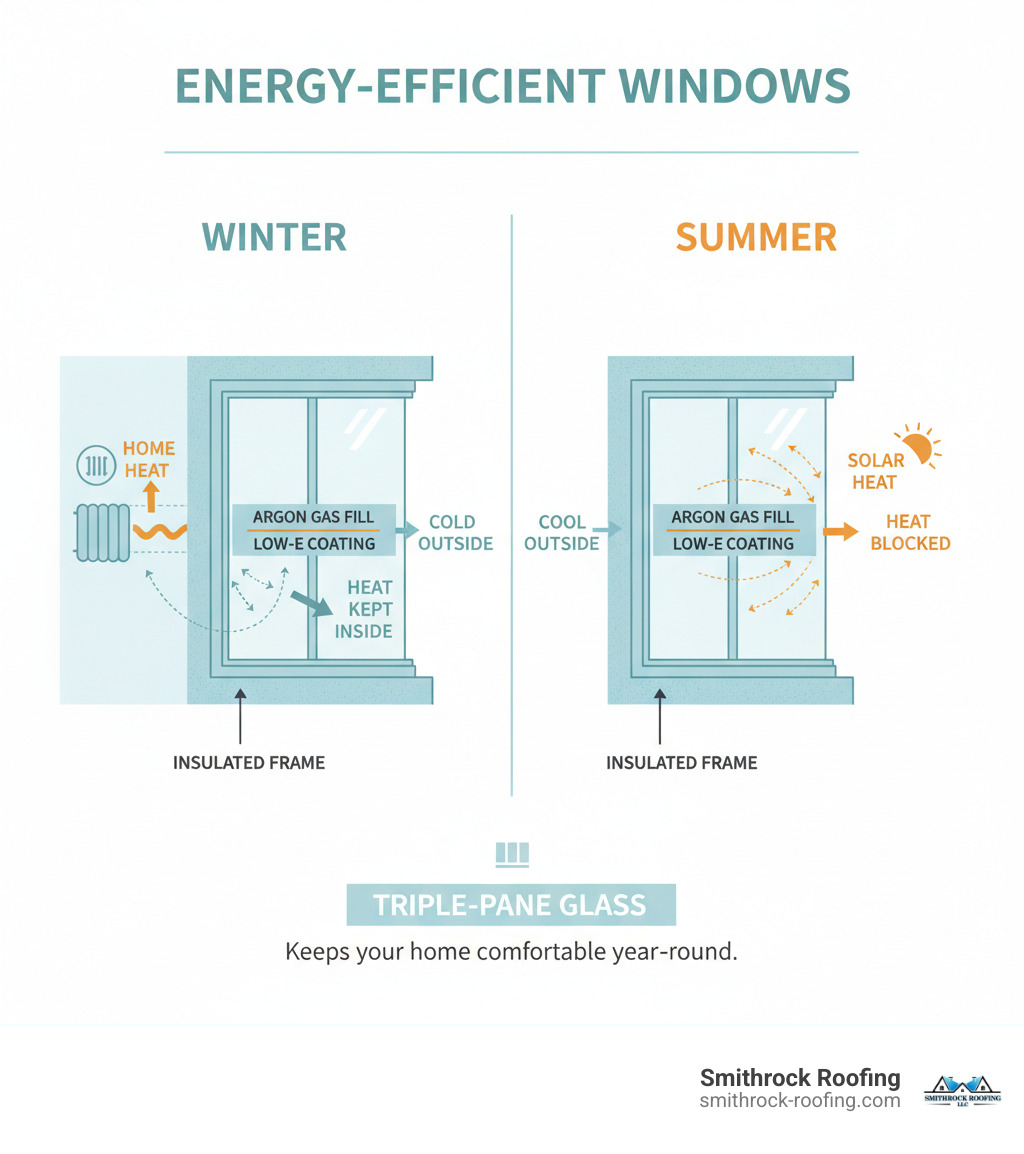
Upgrading your windows is a rare home improvement that pays you back in multiple ways. While there’s an upfront investment, the returns in comfort, savings, and peace of mind make it one of the smartest decisions for your home. Let’s walk through why energy efficient window upgrades deliver benefits that touch nearly every aspect of your daily life.

This is the benefit that gets most homeowners’ attention. Heat gain and loss through windows account for a staggering 25% to 30% of your home’s heating and cooling energy use. Replacing old, inefficient windows with modern ENERGY STAR certified models can lead to average savings of up to 13% on your energy bills. These savings add up month after month, year after year.
When your windows perform properly, your heating and cooling systems don’t have to work as hard. This reduced strain on your HVAC systems means lower energy consumption and less wear and tear on expensive equipment. It’s a long-term return on investment that keeps paying dividends. For a deeper look at the investment side, check out our guide on the cost to replace windows.
The difference in comfort after new windows are installed is dramatic and immediate. Modern energy efficient window upgrades create a solid thermal barrier that eliminates cold drafts in winter and reduces hot spots in summer. You’ll enjoy consistent indoor temperatures from room to room, making your entire home more livable.
Another benefit is reduced condensation on interior glass, which helps prevent moisture issues like mold. Furthermore, the multiple panes, insulating gas, and quality construction of modern windows create a quieter indoor environment. Traffic noise, barking dogs, and lawnmowers are all muffled, turning your home into a peaceful retreat.
Sunlight streaming through old windows can fade your floors, furniture, and artwork. Low-E coatings on energy-efficient windows block up to 75% of harmful UV rays, acting like sunscreen for your home’s interior. You get all the natural light without the damaging effects, keeping your valuables vibrant for far longer.
Beyond protecting what you own, new windows are an investment in your home’s future value. A window replacement project retains 65-75% of its value at resale, an impressive return for a home improvement. New windows also dramatically improve curb appeal, giving your home a clean, modern look that makes a strong first impression on potential buyers. If you’re curious about how different styles can improve your home’s appearance, explore different window styles.
Energy efficient window upgrades are a strategic investment that pays you back in comfort today and dollars tomorrow.
Understanding the technology behind an efficient window helps you make the best choice for your home. It’s not just about new glass; it’s about a system of components working together to keep your home comfortable and reduce energy use.
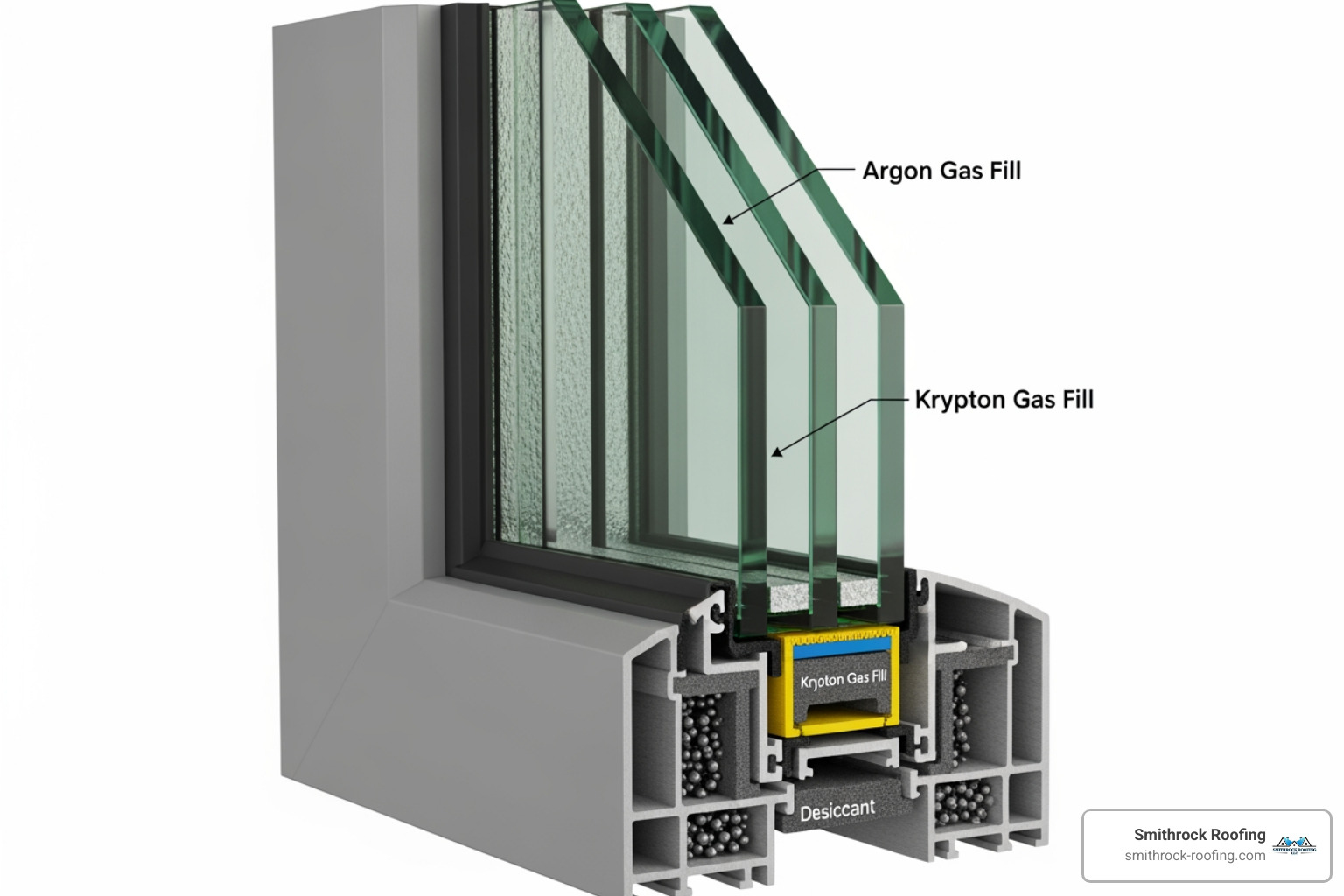
The number of glass panes, or “glazing,” is critical for insulation.
Choosing the right glazing directly impacts your comfort and energy bills. For a deeper look, see our guide on the best windows for insulation.
Modern energy efficient window upgrades use advanced technology between and on the glass panes.
The frame is just as important as the glass for overall performance. A high-tech glass package in a poor frame won’t deliver its full benefits.
When choosing a frame, consider your home’s style, your maintenance preferences, and your budget, but always prioritize energy performance.
Making smart energy efficient window upgrades requires understanding performance metrics, your local climate, and your home’s orientation. This section covers the core of your decision-making process so you can choose windows that will keep you comfortable and save you money for decades.
Window labels provide the information you need to compare products and make an informed choice.
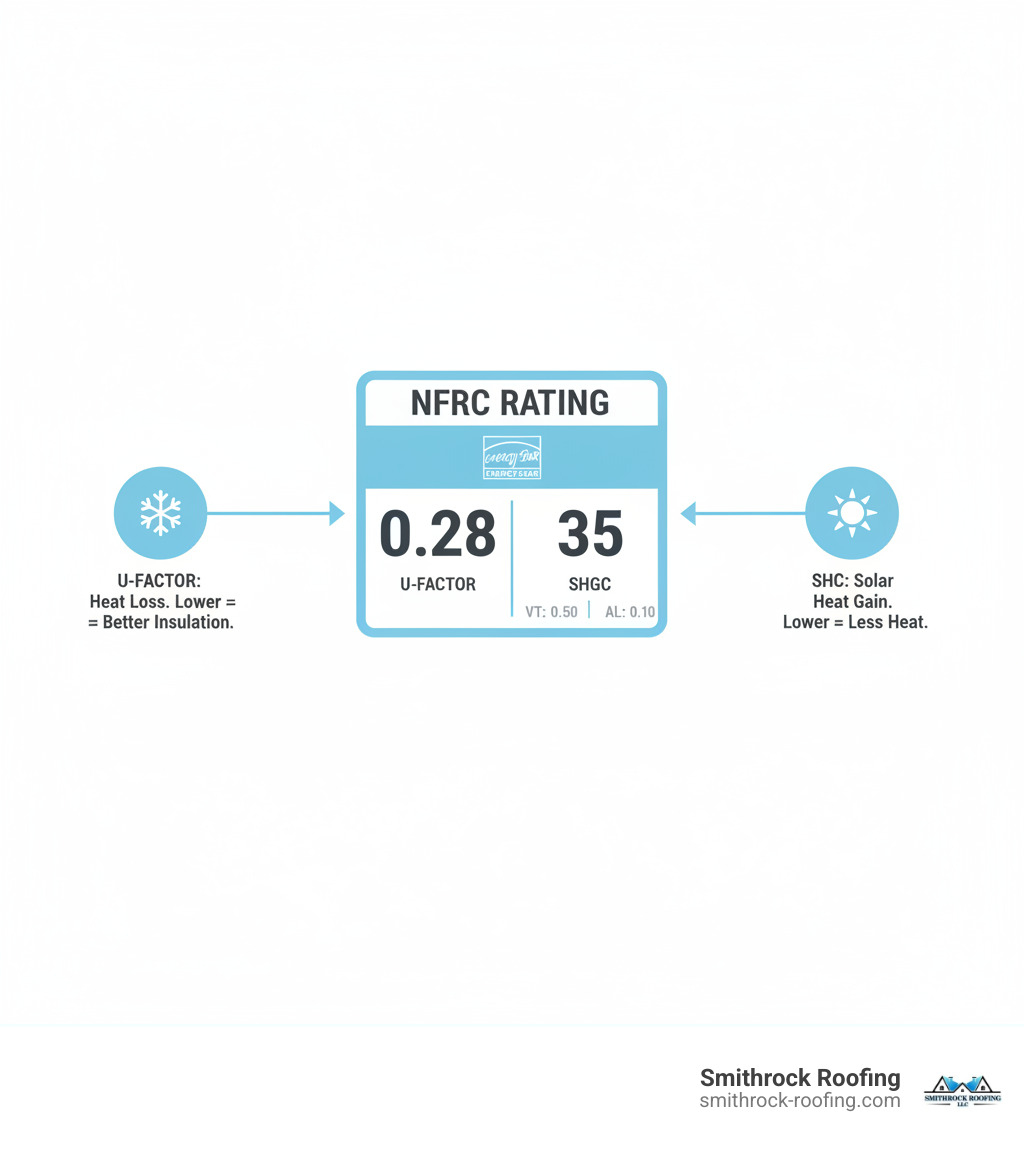
The most important label is from the NFRC (National Fenestration Rating Council), which provides standardized, reliable ratings. Two ratings are critical:
An even simpler guide is the ENERGY STAR label. This signifies that the window meets strict energy performance standards set by the EPA for your specific climate zone. Looking for the ENERGY STAR label is the easiest way to ensure you’re getting certified performance.
North Carolina’s varied climate means the best window depends on your location. The right choice for the mountains may differ from one for Winston-Salem or the coast.
Modern windows are designed for these challenges, so you don’t have to compromise. For detailed recommendations, the Efficient Windows Collaborative is an excellent resource.
The direction your windows face is just as important as the window type. Optimizing for orientation can fine-tune your home’s energy performance.
Thinking about orientation allows for a strategic approach that maximizes comfort and savings. To learn more about these principles, see how to design a home to take advantage of the sun.
Deciding between a full replacement and smaller improvements depends on your windows’ condition, your budget, and your long-term goals. Sometimes, strategic repairs can help, but often a complete overhaul is the most sensible path for your energy efficient window upgrades project.
If your windows are structurally sound but inefficient, several cost-effective strategies can improve performance without a full replacement:
These solutions are best viewed as temporary measures, as they don’t match the performance of modern units. For overall window care, we also offer window screen replacement service in Winston Salem NC.
Full replacement makes the most sense when you want to maximize energy efficiency and comfort, or when your current windows have significant issues. It’s time to replace if you see:
Full replacement allows you to install the latest technology—Low-E coatings, gas fills, and insulated frames—for maximum performance. New windows also boost curb appeal and home value, with projects typically retaining 65-75% of their value at resale. A complete window replacement offers the highest performance, durability, and long-term value, making it a sound investment in your home’s future.
Even the most advanced window won’t perform correctly if it’s not installed properly. Professional installation, financial incentives, and ongoing maintenance are the keys to getting the most out of your energy efficient window upgrades.
Poor installation can lead to drafts, moisture problems, and high energy bills, undermining your investment. Professional installation is crucial for several reasons:
To understand what goes into a quality installation, you can consult this guide with your window professional.
Upgrading to energy efficient window upgrades can be more affordable thanks to financial incentives.
Modern windows require little maintenance, but a few simple habits will protect your investment:
These simple tasks ensure your windows continue to deliver the energy efficiency and comfort you invested in. For help with project timing, see our guide on the best time to replace windows.
Replacing windows is a significant decision. Here are answers to some of the most common questions we hear about energy efficient window upgrades.
Your savings depend on your climate, home, and current windows. However, replacing old single-pane windows with ENERGY STAR certified models can lower energy bills by an average of up to 13% nationwide. For a typical home in the Winston-Salem area, this can mean hundreds of dollars in annual savings. Beyond cost, new windows reduce strain on your HVAC system and dramatically improve home comfort, which is a priceless benefit.
Not necessarily. Triple-pane windows offer superior insulation and noise reduction, making them ideal for very cold climates or homes on busy streets. However, they are more expensive. For North Carolina’s moderate climate, high-performance double-pane windows with Low-E coatings and argon gas often provide the best balance of efficiency, comfort, and value.
The most obvious sign is condensation or fogging between the panes of glass that you can’t wipe away. This means the airtight seal has broken, the insulating gas has escaped, and moisture has entered. Once a seal fails, the window loses its insulating properties and its energy efficiency is compromised. The only effective solution is to replace the glass unit or the entire window.
Upgrading to energy efficient window upgrades is one of the smartest investments for your home, delivering tangible returns in savings, comfort, and value. Modern windows lower energy bills, eliminate drafts and hot spots, reduce noise, protect your furnishings from UV damage, and increase your home’s resale value.
The key to achieving these benefits is choosing the right technology for your climate and ensuring flawless professional installation. A high-performance window is only as good as its installation.
For homeowners throughout Winston-Salem, King, Clemmons, Lewisville, Pilot Mountain, East Bend, Mt. Airy, Kernersville, and the surrounding North Carolina Piedmont communities, Smithrock Roofing is your trusted partner. We are committed to making your window replacement project smooth and stress-free. We’ll help you steer your options and select the best windows for your home and budget, including high-quality products like Norandex eXtreme 3000S windows.
Our commitment is to precision and care. We handle every window installation and replacement project with the attention to detail it deserves, following manufacturer guidelines to ensure maximum performance for years to come. We’re not just installing windows; we’re helping you create a more comfortable, efficient, and valuable home.
Ready to transform your home’s comfort and efficiency? Explore our window services today! Let’s work together to find the perfect energy efficient window upgrades for your home.

Smithrock Roofing © Copyright 2026 • All Rights Reserved • Privacy Policy • Maintained by Mongoose Digital Marketing