
When you decide to replace a window in your home, you aren’t just performing a simple maintenance task; you are making a strategic investment in your property’s structural integrity, energy profile, and overall aesthetic value. For many homeowners in the Piedmont Triad, windows are often an afterthought until they become a source of frustration—whether that’s through rising utility bills, stubborn sashes that refuse to budge, or unsightly condensation trapped between panes.
Replacing windows is a multifaceted project that addresses the two biggest complaints in residential living: sky-high energy costs and persistent, uncomfortable drafts. Modern window technology has advanced significantly over the last decade, moving far beyond the simple single-pane glass of the past. Today’s units are high-performance components designed to regulate temperature, block harmful UV rays, and even dampen the noise of a busy neighborhood.
Here’s a comprehensive overview of what a standard window replacement project involves:
This project is well within the reach of an intermediate DIYer who has a solid grasp of basic carpentry and a weekend to spare. A single window can realistically be completed in a day, though your speed will increase as you move through the house.
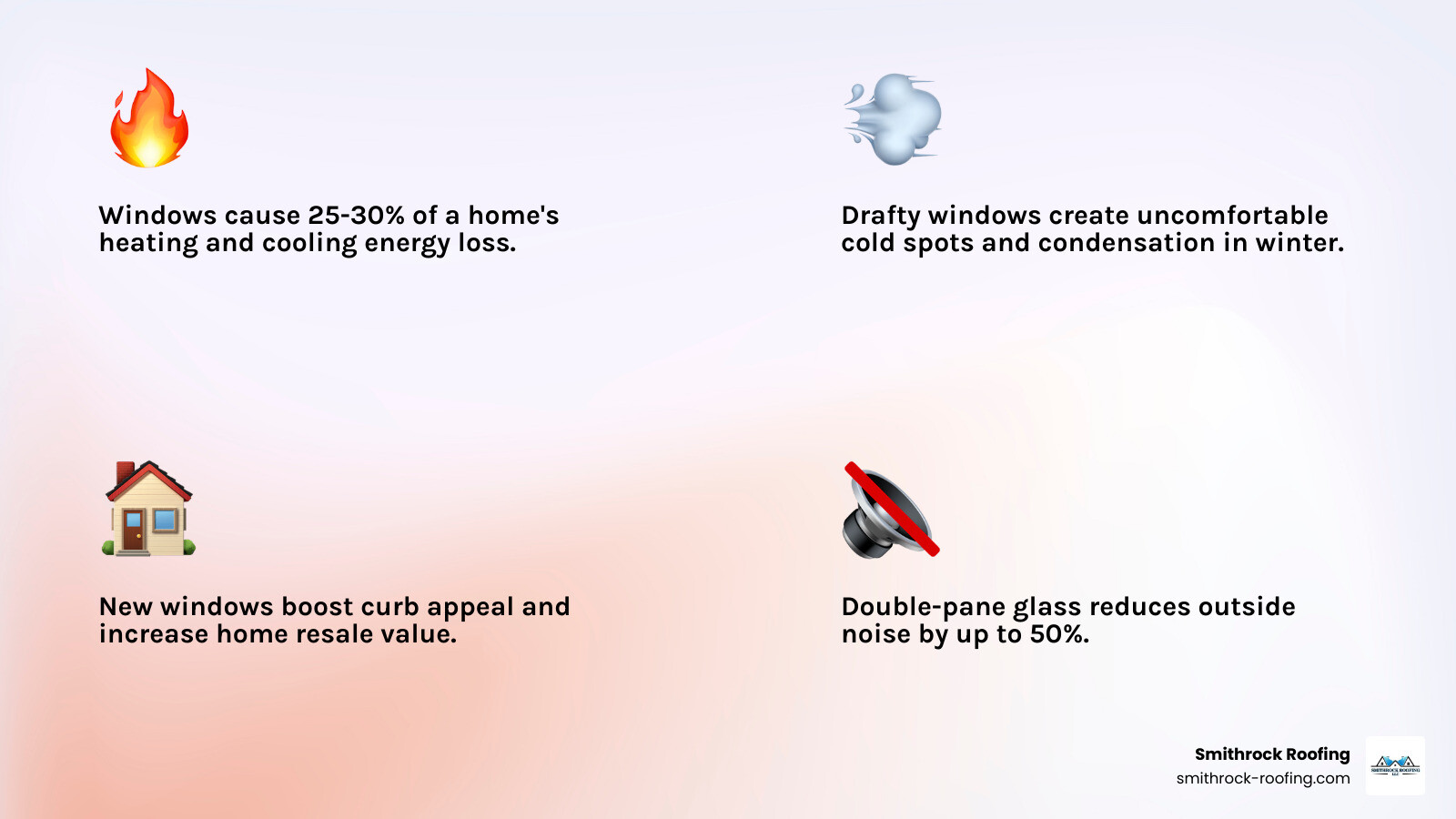
Why does this matter so much? Statistics from the Department of Energy show that windows are responsible for 25-30% of a home’s heating and cooling energy loss. In older homes, this number can be even higher. Drafty, single-pane, or aging windows are essentially holes in your thermal envelope, silently driving up your utility bills every single month.
Beyond the immediate energy savings, the decision to replace a window offers several long-term benefits:
Whether you’re a hands-on homeowner ready to tackle the DIY challenge or someone weighing whether to call a professional team, this guide walks you through every technical detail you need to know to ensure a successful installation.
Explore more about replace a window:
When we discuss the most effective and cost-efficient ways to replace a window, we must analyze the two primary installation methods. Not every window requires a total overhaul of the surrounding wall structure. In many cases, especially in the Winston-Salem and Greensboro areas where we encounter many sturdy, well-built older frames, you can opt for a more surgical, less invasive approach.
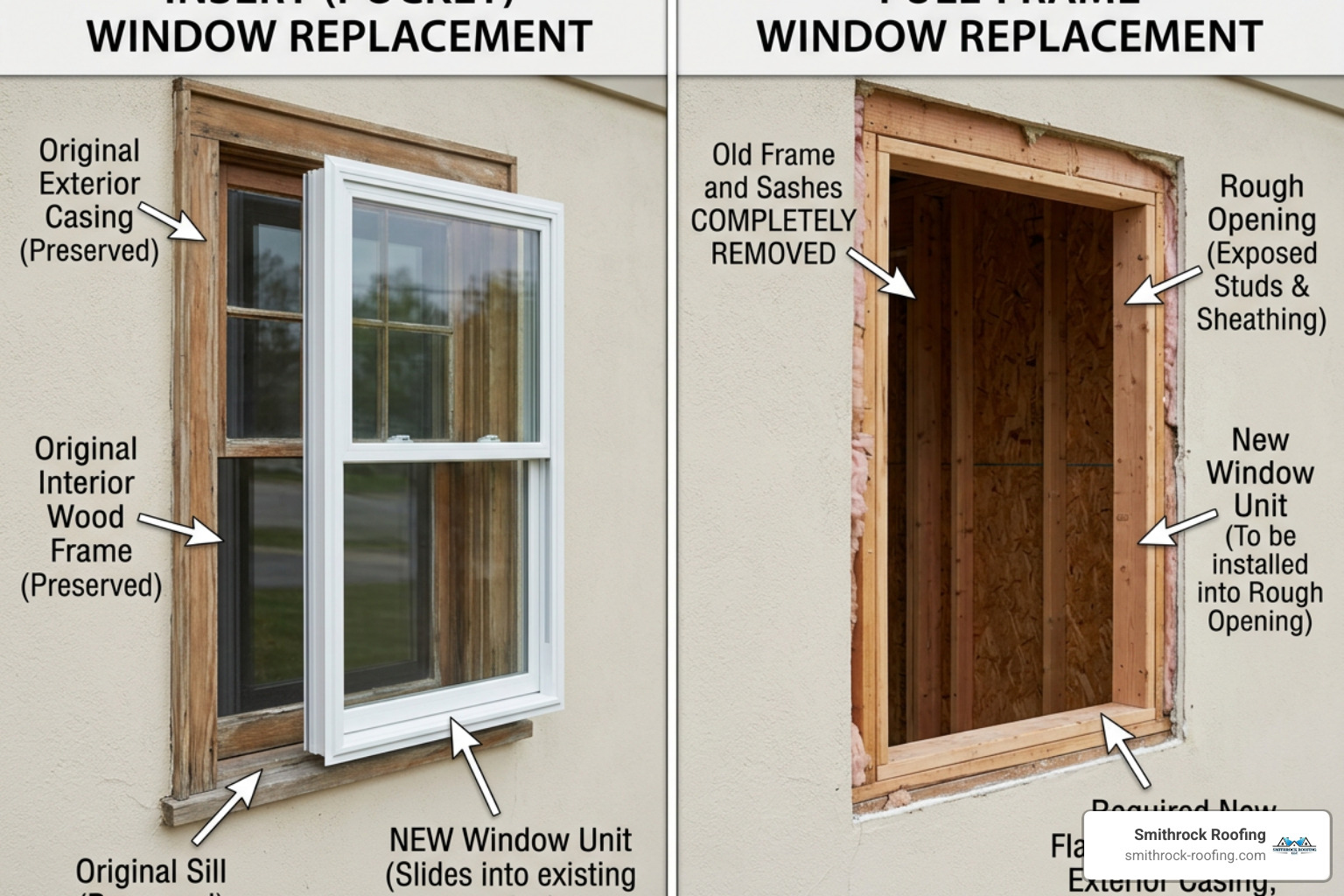
Insert windows, frequently referred to as pocket replacements, are generally the most budget-friendly and DIY-friendly option available. This method is designed for situations where the existing window frame is still structurally sound, square, and free of rot. The process involves keeping the existing window frame, interior trim, and exterior casing completely intact. We simply slide a new, fully contained window unit into the “pocket” created after the old sashes and parting beads are removed.
This is an excellent choice for homeowners who want to upgrade their glass performance without the mess of a full construction project. It saves significant money on materials and labor. Because you aren’t disturbing the siding or the interior drywall, the risk of needing additional paint or plaster work is minimized. However, the trade-off is a slight reduction in the total glass area, as the new frame sits inside the old one.
On the other hand, a complete window and frame replacement is necessary when the original frame is damaged, rotting, or severely out of square due to house settling. In this scenario, we remove everything—the sashes, the frame, the sill, and the interior/exterior trim—leaving only the rough opening of the house (the studs).
While more expensive and labor-intensive, this method is the “gold standard” for performance. It allows installers to inspect the structural integrity of the wall, add superior insulation around the frame, and maximize the glass area. It is also the only viable path if you intend to change the size or shape of the window opening. If you find moisture damage behind your walls, a full-frame replacement is the only way to ensure the problem is solved permanently.
For those with historic double-hung wood windows that are still in decent shape, sash kits offer a unique “middle ground.” These kits provide new sashes and jamb liners that fit into your existing frame. This preserves the historic wood look of the home while providing modern glass performance and better weatherstripping. However, your frame must be almost perfectly square (within 1/8 inch) for these to seal correctly, making them a niche choice for specific architectural styles.
| Feature | Insert (Pocket) Replacement | Full-Frame Replacement |
|---|---|---|
| Complexity | Intermediate | Advanced |
| Time per Window | ~1 Hour | 4–6 Hours |
| Trim Impact | None (Preserves original) | Complete removal/replacement |
| Best For | Sound frames, DIY projects | Rotted frames, size changes |
| Glass Area | Slightly reduced | Maximized |
For a deeper dive into which might work for your home, check out our guide on Window Installation and Replacement.
The material you choose for your new window will dictate its longevity, maintenance requirements, and energy performance for the next 20 to 30 years. In North Carolina, we deal with high humidity, intense summer sun, and occasional freezing winters, so material choice is paramount.
Before you order a single part to replace a window, you must perform a “poke test.” Take a flat-head screwdriver and press it firmly into the wooden sill, the side jambs, and the exterior brick mold. If the wood feels soft, spongy, or the screwdriver sinks in easily, you have active rot. Minor surface rot can sometimes be repaired with wood epoxy, but if the structural members are compromised, an insert window will fail within a year as the rot continues to spread. In these cases, you must perform a full frame replacement to ensure your home is protected from moisture. For more on this, see our Window Frame Replacement Cost Guide.
Accuracy is the absolute difference between a window that slides like butter and one that requires a crowbar to open. When you replace a window, you are usually ordering a unit that is slightly smaller (typically 1/4 to 1/2 inch) than the opening to allow for shimming, leveling, and the application of insulation.
Never assume your windows are square. Always measure in three places for both width and height to account for any settling of the house over time.
Always check for NFRC labels and energy performance ratings when buying your units. These labels provide unbiased data on U-factor and Solar Heat Gain, ensuring the windows meet the specific needs of our North Carolina climate. For more measuring tips, visit our page on Window Replacement.
Do not start this project on a Sunday afternoon if you don’t have these tools ready. Having the right equipment prevents damage to your home and ensures a professional seal.
If your home in Kernersville, Lewisville, or High Point was built before 1978, there is a high probability that it contains lead-based paint. Disturbing this paint by prying off trim or sanding can create toxic dust that is dangerous to children and pets. We strongly recommend using a lead test kit before starting. If lead is present, you must follow EPA RRP (Renovation, Repair, and Painting) guidelines, which include using 6-mil plastic barriers, wearing respirators, and using HEPA-filtered vacuums for cleanup.
Furthermore, be extremely wary of sash springs and weights. Older windows often use heavy cast-iron weights on cotton cords or spring-loaded balances hidden in the jambs. These springs are under intense tension; if they snap or release suddenly while you’re removing the window, they can cause serious injury. Always wear eye protection and keep your face away from the balance channel during disassembly. For more on safe research practices and protecting your home environment, you can view Privacy and data protection during home research.
Ready to get to work? Let’s walk through the detailed process of installing a pocket replacement window, as it’s the most common and rewarding DIY task for homeowners looking to improve their efficiency.
Start by using your utility knife to score the paint lines where the interior stops meet the frame. This is a crucial step; if you skip it, the wood will likely splinter as you pry it away. Carefully pry off the side and head stops using a thin pry bar. If you’re careful, you can sand and reuse these, saving you the cost of new trim.
Next, remove the lower sash. If your window has sash cords, cut them and let the weights fall into the pocket (don’t worry, you’ll insulate this cavity later). Remove the parting bead—the small strip of wood that separates the upper and lower sashes. This often breaks during removal, which is fine as it won’t be needed for the new unit. Finally, remove the upper sash and any remaining hardware like pulleys, sash locks, or old weatherstripping.
Clean the opening thoroughly. This is your chance to vacuum out decades of accumulated dust, debris, and dead insects. If you have sash weight pockets, do not leave them empty. Stuff them with fiberglass batts or fill them with Window Installation foam. This prevents the “chimney effect” where cold air is sucked into your walls.
Apply flashing tape to the windowsill. Start at the corners and work your way across, ensuring the tape laps over the exterior edge. This creates a waterproof pan that directs any incidental moisture back outside. You can find more detailed complete window and frame replacement guidance at the Building America Solution Center for advanced waterproofing techniques.
Before applying any sealant, perform a dry fit. Place the window in the opening to ensure it fits with about 1/8 to 1/4 inch of clearance on all sides. If it’s too tight, you may need to trim the opening; if it’s too loose, you’ll need extra shims.
Once confirmed, apply a thick, continuous bead of high-quality caulk along the interior side of the exterior stops (the “blind stop”). Lift the window into place, bottom first, and press it firmly against the caulk to create a primary air seal.
Now comes the shimming. Place shims at the pre-drilled screw holes and near the meeting rail. Use your level to check for:
Adjust the shims until the window is perfect. Check that the sashes operate smoothly and the locks engage without force before you drive any screws. If the window is hard to open, you might have over-shimmed and bowed the frame inward. For more on choosing the right units for your specific home style, see Replacement Windows for Homes.
Drive the installation screws through the shims and into the side jambs. Do not over-tighten, especially with vinyl windows, as you can easily distort the frame and cause air leaks.
Fill the gaps around the window with low-expansion spray foam. It is vital to use foam specifically labeled for “Window and Door.” Standard high-expansion foam can exert enough pressure to crush a vinyl window frame, rendering the sashes inoperable.
On the outside, install the sill adapter. Most replacement windows come with a vinyl trim piece that covers the gap between the new window and the old sloped wooden sill. Crucial Tip: Ensure you drill small “weep holes” in this adapter if the manufacturer requires them, so water can drain out rather than pooling against your new frame.
Finish by caulking the exterior perimeter with a high-quality silicone or butyl caulk and reinstalling your interior stops. For a professional finish that looks like it was done by a master carpenter, see our guide on Window and Door Replacement.
Once you replace a window, you want it to perform at its peak for decades. Modern windows are high-tech pieces of equipment that utilize advanced physics to keep your home comfortable.
When shopping for windows, don’t just look at the price tag. Look for the ENERGY STAR certified window performance label. You’ll see several key metrics:
Check out our Energy Efficient Window Upgrades Guide for more details on these metrics.
The best window in the world will underperform if it’s poorly installed. We always recommend a “shingle-fashion” flashing technique, where the top layers overlap the bottom layers to direct water away from the house. Ensure your drip cap (the metal flashing at the very top of the exterior trim) is intact. If it’s missing or rusted, water will run behind the window frame and rot your wall studs from the inside out. For more on this, see our Well Insulated Windows Guide 2025.
To keep your windows working like new and protect your investment:
Knowing the best time to replace windows can also help you plan these maintenance cycles effectively, ensuring your home remains a sanctuary of efficiency.
While we love a good DIY project, there are times when it’s better to call in the cavalry. At Smithrock Roofing, we’ve seen many “weekend projects” turn into “month-long headaches” because of unforeseen structural issues.
You should strongly consider hiring a professional team if:
If you’re unsure about the complexity of your project, you can always Find Window Installers in your area to get an expert opinion and a detailed quote.
For a comprehensive look at local challenges and solutions, check the Window Replacement Winston-Salem Ultimate Guide.
For a two-person professional crew, an insert window takes about 60 to 90 minutes from start to finish. For a DIYer, we recommend budgeting about 4 to 5 hours for your first window. As you become familiar with the tools and the specific quirks of your home’s construction, you’ll likely get that down to 2 hours per window.
Yes! One of the biggest advantages of insert/pocket windows is that they are designed to be installed from the interior. This is a huge benefit if you’re working on an upper floor, as it minimizes the need for tall ladders and allows you to work in any weather conditions.
A replacement window (or insert) is designed to fit into an existing, sound frame. It does not have a “nailing fin.” A new construction window has a flat plastic fin around the perimeter that is meant to be nailed directly to the exterior sheathing. New construction windows are used when the siding is being replaced or in brand-new builds.
In the North Carolina climate, double-pane glass with a Low-E coating and Argon gas fill is usually the “sweet spot” for value and performance. Triple-pane glass offers even better insulation and noise reduction but comes at a significantly higher price point and is much heavier, which can put more strain on the window’s balance system.
Exterior condensation is actually a sign that your new windows are working perfectly! It happens when the glass is very efficient at keeping the indoor heat away from the outer pane, allowing the outer pane to cool down to the dew point. It will evaporate as soon as the sun hits the glass.
Whether you decide to replace a window yourself or hire a team of experts, the benefits to your home’s comfort, security, and long-term value are undeniable. By choosing the right materials, measuring with precision, and ensuring every gap is sealed against the elements, you can stop throwing money out the window—literally.
At Smithrock Roofing, we pride ourselves on high-quality craftsmanship and professional service across the Piedmont Triad. As a Premier ShingleMaster Certified company, we bring the same level of excellence and attention to detail to our window replacements as we do to our roofing projects. We specialize in top-tier products like the Norandex eXtreme 3000S, which are engineered specifically for the durability and energy efficiency required in our unique North Carolina climate.
Don’t let another season of high energy bills pass you by. Ready to upgrade your home and enjoy a quieter, more comfortable living space? Contact us today for a professional consultation, and let us help you find the perfect windows for your home and budget.
Explore our Winston-Salem Replacement Windows services to get started on your home transformation today!

Smithrock Roofing © Copyright 2026 • All Rights Reserved • Privacy Policy • Maintained by Mongoose Digital Marketing