Finding a reliable aluminum siding company near me is the first step toward protecting your home, lowering energy bills, and boosting curb appeal for years to come. The exterior of your home is its first line of defense against the elements, and in regions like North Carolina, where humidity, heavy rain, and fluctuating temperatures are common, the quality of your siding installation can dictate the long-term health of your entire structure. Choosing a local expert isn’t just about convenience; it’s about finding a partner who understands the specific architectural styles of our neighborhoods and the unique weather patterns that your home must endure.
In our area, we deal with high humidity that can rot wood, intense UV rays that can fade vinyl, and the occasional severe thunderstorm or hail event that can puncture thinner materials. Hiring a local aluminum siding company near me means you are working with professionals who have seen how different materials age in local soil and climate conditions. They know which fasteners resist oxidation and which moisture barriers perform best against seasonal downpours.
Here’s a comprehensive guide to what you should look for when vetting local professionals:
Aluminum siding has been a trusted choice for homeowners for decades, evolving from a basic utility material into a high-performance architectural feature. When properly installed and maintained, it can last over 50 yearssignificantly longer than vinyl or wood alternatives. That kind of longevity makes choosing the right installer just as important as choosing the right material. A 50-year product is only as good as the 50-year installation behind it. If the flashing is installed incorrectly, the siding might look great, but your wall studs could be rotting silently behind the metal.
The problem? Not all siding companies are equal. Some lack proper licensing, which leaves the homeowner liable for accidents. Others cut corners on flashing or moisture barriers, leading to hidden rot. A poor installation can cost you significantly more in repairs, energy loss, and reduced home value down the road. Whether your home’s exterior is showing its age, you’re battling rising heating and cooling costs, or you simply want a fresh, polished look before harsh weather arrives, the right aluminum siding company can make all the difference.
This guide walks you through everything you need to know to find, evaluate, and hire the best local aluminum siding contractor with confidence, ensuring your home remains a safe and beautiful sanctuary for your family.
Basic aluminum siding company near me terms:
When we talk to homeowners in Winston-Salem or Greensboro about exterior cladding, aluminum often comes up as a “legacy” material. But don’t let its history fool you; modern aluminum siding is a high-tech powerhouse. One of the most compelling reasons to search for an aluminum siding company near me is the sheer durability of the metal. Unlike vinyl, which can crack in the cold or warp in extreme heat, aluminum remains structurally sound through the fluctuating temperatures we see here in North Carolina. It is a dimensionally stable material, meaning it doesn’t expand and contract as violently as plastic-based products, which helps maintain the integrity of the seals and fasteners over time.
The science behind modern aluminum siding is fascinating. Most high-end products are made from 3000-series aluminum alloys, which offer the perfect balance of strength and flexibility. Aluminum siding is famous for its 50-year lifespan. While vinyl and fiber cement often need replacement or significant repair after 25 to 30 years, a well-maintained aluminum exterior can practically last a lifetime. For those concerned about safety, aluminum is non-combustible and fire-resistant. This is a massive advantage over wood siding, providing an extra layer of protection for your family. In the event of a nearby fire, aluminum will not feed the flames or melt away, potentially saving the structural sheathing of your home.
Furthermore, pests like termites or carpenter ants find zero nutritional value in a metal house. You won’t have to worry about the rot or insect infestations that plague cedar or pine. From an environmental perspective, aluminum is a “green” choice. Most aluminum siding is manufactured from recycled materials, often up to 90% recycled content, and is 100% recyclable at the end of its life, unlike many petroleum-based products that end up in landfills. This makes it a sustainable choice for the eco-conscious homeowner who wants to reduce their carbon footprint without sacrificing performance. It even contributes to LEED certification points for green building projects.
To visualize how these materials might look on your specific architecture, you can explore Alside Visualizer tools. For a deeper dive into how this material fits into local neighborhoods, check out our article on Beyond the Brush: What to Know About Aluminum Siding in Your Neighborhood.
Many people ask us if metal siding makes a house hotter. The answer is actually the opposite! High-quality aluminum siding features reflective technology. It acts as a radiant barrier, reflecting solar heat away from your home during those humid North Carolina summers. This helps regulate indoor temperatures and can lead to lower cooling costs. By preventing the sun’s energy from soaking into your walls, your HVAC system doesn’t have to work nearly as hard to maintain a comfortable environment. This is particularly beneficial for older homes in historic districts that may lack modern wall insulation.
When we install aluminum siding, we ensure the creation of small air pockets between the siding and the exterior walls. This dead air space acts as an additional layer of insulation. Modern products often come with an integrated foam backing that significantly increases the R-value (insulation power) of your walls. This makes your home a fortress against both summer heat and winter cold in our area. This thermal break is essential for modern energy standards and can significantly improve the comfort of older homes that may have insufficient wall insulation. The foam backing also adds structural rigidity, making the panels much more resistant to denting from hail or stray baseballs.
In terms of storm resistance, aluminum is a champion. It doesn’t absorb moisture, so it won’t swell or rot after a heavy downpour. It is also designed to withstand high wind gusts, making it a reliable choice for areas prone to severe weather. The interlocking design of the panels creates a unified shield that resists being pulled away by the negative pressure of high winds. Unlike vinyl, which can become brittle and shatter during a hail storm, aluminum is malleable; while it may dent under extreme impact, it rarely breaches, keeping your home’s interior dry and protected.
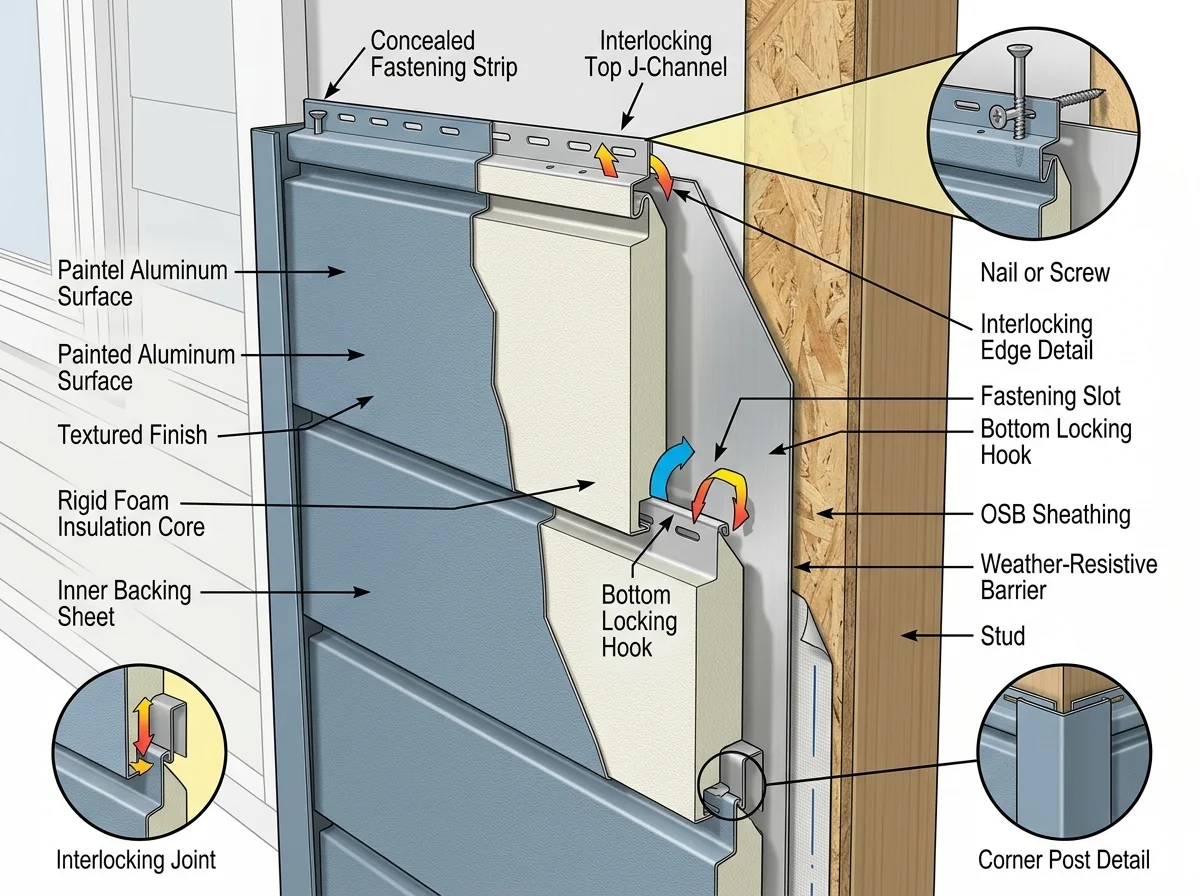
Gone are the days when aluminum siding only came in “industrial gray.” Today, the customization options are nearly endless. You can choose from a variety of profile styles, including traditional lap siding, Dutch lap, and even vertical board-and-batten styles. These profiles allow you to match the historical character of a colonial home or the sleek lines of a contemporary build. The vertical orientation is particularly popular right now for modern farmhouse designs, providing a clean, elongated look that increases the perceived height of the structure.
One of the most popular choices is the woodgrain finish. Manufacturers use advanced embossing techniques to give the metal a texture that mimics the look of real cedar planks, providing the beauty of wood without the high maintenance. If you prefer a more modern, “industrial-chic” look, smooth textures are also available. These smooth finishes are particularly popular for mid-century modern renovations where clean lines are paramount.
Colors have also evolved significantly. High-performance coatings, often using Kynar 500 or Hylar 5000 resins, are baked onto the metal at the factory. These are fluoropolymer finishes that are chemically engineered to resist UV degradation, fading, and chalking for decades. Whether you want a bold, modern navy or a classic neutral tone like “linen” or “sandstone,” a reputable aluminum siding company near me can provide samples that match your vision. Companies like ACM – American Construction Metals offer a wide range of these architectural styles and finishes, allowing for a truly bespoke exterior design that can completely transform the personality of your property.
Need a hand with this in Winston-Salem, Greensboro and the NC Triad? Call (336) 971-0464 or request a free estimate. Honest answers, no pressure.
Choosing the right siding is a big decision that involves balancing aesthetics, durability, and maintenance requirements. To help you weigh your options, we’ve put together a comparison of the most common materials used in our service areas like Clemmons and Lewisville. Understanding the technical differences between these materials is key to making an informed investment in your property. When considering the Return on Investment (ROI), aluminum often outperforms wood because of the lack of recurring costs. While wood might have a higher initial “curb appeal” for certain historical buyers, the savvy modern buyer looks for low-maintenance solutions that won’t require a $5,000 paint job every five years.
| Feature | Aluminum | Vinyl | Wood | Fiber Cement |
|---|---|---|---|---|
| Lifespan | 50+ Years | 25-30 Years | 15-20 Years | 30-50 Years |
| Maintenance | Very Low | Low | High (Paint/Stain) | Moderate |
| Fire Resistance | Excellent | Poor (Melts) | Poor | Excellent |
| Pest Resistance | Excellent | Good | Poor | Excellent |
| Eco-Friendliness | High (Recyclable) | Low | Moderate | Moderate |
| Rot Resistance | Immune | High | Low | High |
While vinyl is often a common choice for quick renovations, it lacks the longevity and fire resistance of aluminum. Vinyl is a petroleum-based product that can become brittle over time due to UV exposure, leading to cracks and holes from minor impacts like hail or a stray baseball. Wood offers a classic look but requires constant painting and is susceptible to rot, mold, and wood-boring insects. Fiber cement is a strong contender for durability, but it is much heavier and more difficult to install than aluminum, often requiring specialized tools and respirators during the cutting process due to silica dust. This silica dust is a significant health concern for installers and can lead to long-term respiratory issues if not managed with expensive vacuum systems.
Aluminum stands out because it offers the fire resistance of fiber cement with the low maintenance of vinyl, all while being more environmentally friendly and easier to customize through painting later in its life. If you ever grow tired of your home’s color, aluminum can be professionally repainted to look brand new, whereas vinyl is notoriously difficult to paint because its high thermal expansion rate causes paint to flake off. For a complete breakdown of how to prepare for a new exterior and what to expect during the transition, see our Siding Installation Complete Guide.
When you start searching for an aluminum siding company near methe results can be overwhelming. How do you separate the professionals from the “truck and a ladder” operations? Start with the Better Business Bureau (BBB). A company with an A+ rating and a history of resolving customer issues is a must. This rating reflects the company’s commitment to transparency and ethical business practices. Check how long they have held that rating; a company that has maintained an A+ for over a decade is far more reliable than one that just opened its doors last year.
Longevity in the business is another key indicator. A company that has survived for decades in the Winston-Salem area likely does so because they treat their customers right and stand behind their work. Local expertise matters too; a local contractor understands our specific climate challenges, such as the high humidity that can lead to oxidation if the wrong fasteners are used, and they are familiar with local building codes and permitting requirements. They will also have established relationships with local suppliers, ensuring that materials arrive on time and are of the highest quality.
We always recommend reading reviews on multiple platforms, including Google, Yelp, and specialized trade sites. Look for mentions of “cleanliness,” “timeliness,” and “communication.” A great contractor doesn’t just do good work; they make the process stress-free for the homeowner by keeping the job site tidy and providing regular updates. If you currently have damage and aren’t ready for a full replacement, you might want to look into Siding Repair services first to stabilize your home’s exterior and prevent further water intrusion.
Beyond online research, ask each company for references from recent local projects. Speaking directly with past customers can tell you a great deal about how the contractor handled scheduling, cleanup, communication, and any follow-up after installation. It is also helpful to ask whether the finished project has held up well through seasonal weather changes. A trustworthy contractor should be comfortable sharing examples of completed work and explaining the installation methods they use to protect the home from moisture intrusion and long-term wear.
Another smart step is to evaluate how clearly the company explains your options. A dependable contractor should be able to discuss panel profiles, trim details, ventilation considerations, and how the new siding system will integrate with soffits, fascia, windows, and doors. If a contractor seems vague, rushed, or unwilling to answer technical questions, that can be a sign that they are more focused on making a quick sale than delivering a durable exterior system. The best companies act like educators, helping homeowners understand not only what will be installed, but why each step matters. They should explain the difference between various gauges of aluminum and why a thicker gauge might be necessary for the windward side of your home.
Don’t be afraid to ask for “the paperwork.” Any reputable contractor will be happy to provide proof of their credentials. This isn’t just a formality; it’s your protection against financial risk. Ensure you verify:
Beyond the basics, look for manufacturer certifications. For example, an Alcoa Certified Master Contractor has undergone specialized training to ensure they are installing products according to the highest industry standards. These certifications often allow the contractor to offer extended warranties that “un-certified” installers simply cannot provide, giving you peace of mind for decades to come. It also shows that the company is invested in the professional development of its crew.
It is also wise to confirm whether the company pulls permits when required and follows local inspection procedures. Proper permitting helps ensure the work complies with current building codes, especially when the project involves replacing damaged wall assemblies, updating weather barriers, or making structural repairs discovered after old siding is removed. Code-compliant work protects both your home and its long-term resale value. If a contractor asks you to pull the permit yourself, that is a major red flag.
When vetting an aluminum siding company near mebe alert for these warning signs:
A professional consultation should be more than just a number. When we provide a project scope, we conduct a thorough in-person assessment. We don’t just measure the walls; we look at the condition of your current exterior, check for underlying rot in the sheathing, and inspect the flashing around windows and doors. This prevents “surprises” once the project begins. We also check the ventilation of your attic, as siding and roofing work together to manage the temperature and moisture levels of your home.
Your project documentation should include:
A strong consultation should also address ventilation and water management. Siding is not just a decorative shell; it is part of a complete exterior assembly. The contractor should explain how they will handle house wrap, flashing tape, corner posts, starter strips, and transitions around penetrations like light fixtures, vents, and utility lines. These details have a major impact on the performance of the finished system. Finally, pay attention to professionalism during the consultation itself. Was the appointment on time? Were your questions answered thoroughly? The consultation stage often reflects the quality of the entire project experience.
The “secret sauce” of a 50-year siding job is the installation process. It begins with meticulous surface preparation. We remove the old siding and inspect the sheathing for any signs of moisture damage, mold, or structural weakness. If we find issues, we fix them before the new metal goes on. Installing new siding over rotten wood is a recipe for disaster and will void most warranties. We also check for level and plumb walls; if the house has settled, we may need to shim the walls to ensure the new siding looks perfectly straight.
Next, we install a high-quality moisture barrier, often referred to as a house wrap. This is a critical step that prevents water from seeping into your home’s structure while still allowing the walls to “breathe,” letting internal moisture escape. We pay special attention to flashing, the metal pieces installed around windows, doors, and corners. Proper flashing ensures that water is directed away from the house and onto the surface of the siding where it can drain safely. We use high-grade flashing tape to seal the edges of the house wrap to the window frames, creating a secondary defense against leaks.
One of the unique aspects of aluminum is the ability for custom fabrication. Many professional companies use onsite cutting and bending tools (brakes) to ensure every piece fits your home’s unique dimensions perfectly. A siding brake is a specialized piece of equipment that allows our technicians to bend aluminum coils into custom shapes for window casings and corner posts. This “custom-fit” approach is what separates a professional job from a DIY attempt. This minimizes seams, which are the most common entry points for pests and water. We ensure a secure fit that allows for the natural expansion and contraction of the metal as temperatures change. This is achieved by using specialized fasteners and not over-tightening them, allowing the panels to “float” slightly. If the panels are nailed too tightly, they will buckle and warp when the sun hits them.
A professional installation also involves the correct use of J-channels and starter strips. The starter strip is the very first piece installed at the bottom of the wall; it must be perfectly level, as every subsequent row of siding relies on it. J-channels are used around windows and doors to hide the cut ends of the siding panels and provide a finished look. We also ensure that “weep holes” are clear. These are small openings in the bottom of the siding panels that allow any moisture that gets behind the siding to drain out safely. Without these, moisture can become trapped, leading to mold growth on the sheathing.
While aluminum is “low maintenance,” it isn’t “no maintenance.” To get that 50-year lifespan and keep the finish looking vibrant, we recommend a few simple steps:
For minor dings or repairs, some homeowners have found success using Bondo for Aluminum Sidingthough we always recommend professional assessment for larger issues to ensure the structural integrity of the panel isn’t compromised. If you decide to repaint the entire house, ensure the surface is cleaned with a solution of TSP (trisodium phosphate) to remove any oxidation before applying a high-quality 100% acrylic latex paint.
Properly cared for, aluminum siding can last 50 years or more. Vinyl typically lasts between 25 and 30 years before it becomes brittle or starts to fade significantly. Aluminum’s ability to be repainted also extends its functional life far beyond that of vinyl; while vinyl must be replaced when you want a new color, aluminum can simply be refreshed with a high-quality exterior paint. This makes aluminum a much better long-term value for homeowners who plan to stay in their house for decades.
Yes! This is one of the biggest advantages of aluminum. If you decide you want a different look in ten years, you can simply repaint it. Vinyl siding is difficult to paint because it expands and contracts so much that the paint often peels or cracks. Aluminum holds paint beautifully if the surface is properly cleaned and primed. This allows your home to evolve with changing design trends without the need for a full siding replacement. It is one of the few siding materials that truly allows for a “color reset.”
This is a common myth! When aluminum siding is installed with a proper insulating backer board or foam insulation, it is no noisier than any other type of siding. The insulation acts as a sound dampener, absorbing the impact of raindrops and hail. In many cases, the added insulation actually makes the interior of the home quieter by blocking out street noise and wind. If you hear a “pinging” sound, it is usually a sign that the siding was installed without an insulation layer or that the panels are loose.
Aluminum siding comes in different thicknesses, known as gauges. Thicker gauges (such as .024 or .019 inches) are more durable and resistant to denting. While thinner gauges may be lighter and cheaper, they are more susceptible to damage from hail or impacts. A professional aluminum siding company near me will typically recommend a thicker gauge for the main walls of the home to ensure maximum longevity and impact resistance. Thinner gauges are sometimes used for soffits or trim where impact is less likely.
No, this is a common misconception. While a solid metal box might block signals, the siding on a home is not a continuous Faraday cage. It is made of individual panels with gaps and is interrupted by windows, doors, and the roof. It does not interfere with modern cellular or Wi-Fi signals. You will be able to stream and call just as easily as you did with wood or vinyl siding.
Aluminum is actually excellent for insurance purposes because damage is often visible in the form of dents. Vinyl damage, such as small cracks or “star fractures,” can sometimes be hidden or dismissed by adjusters as “wear and tear.” Because aluminum clearly shows the impact of hail, it is often easier to document the damage and secure a fair settlement for a full or partial replacement. Always have your siding contractor present during the adjuster’s inspection to ensure all damage is noted.
No, you don’t need expensive chemicals. A simple mixture of water and a mild dish soap or a specialized house wash is usually sufficient. The key is to avoid abrasive scrubbers or harsh bleach-based cleaners that could damage the baked-on finish. Always rinse thoroughly from the top down to prevent streaking. If you have heavy oxidation (a white chalky powder), you may need a specialized oxidation remover before painting.
Investing in your home’s exterior is a significant undertaking, but finding the right aluminum siding company near me makes the journey much smoother and ensures that your investment pays off for decades. At Smithrock Roofing, we pride ourselves on being more than just contractors; we are your neighbors. Whether you are in Winston-Salem, Greensboro, or any of our surrounding service areas, we bring a level of craftsmanship that is backed by years of experience and the highest industry credentials. We understand that your home is likely your most valuable asset, and we treat it with the respect it deserves.
As a Premier ShingleMaster, we apply the same rigorous standards to our siding projects as we do to our award-winning roofing work. We emphasize high-quality products, like the Norandex eXtreme 3000S windows, and understand the seasonal benefits of upgrading your home’s protection. From King to High Point, we are here to ensure your home remains beautiful, energy-efficient, and safe for the next 50 years. By focusing on education, meticulous installation, and long-term value, we help you make the best choice for your family’s future. We don’t just want to finish a job; we want to build a relationship that lasts as long as the siding we install.
Choosing the best contractor ultimately comes down to trust, technical skill, and a commitment to doing the job correctly from the very beginning. The right company will not just install aluminum siding panels; they will evaluate the wall system, protect against moisture, use proper trim and flashing details, and leave you with an exterior that performs as well as it looks. That kind of careful workmanship can improve comfort, reduce maintenance demands, and preserve structural integrity for many years. It also provides a significant boost to your home’s resale value, as modern buyers recognize the quality and durability of a well-maintained aluminum exterior.
A well-executed aluminum siding project also offers benefits beyond appearance. It can refresh an aging exterior, support better energy performance when paired with modern insulation strategies, and provide reassurance during severe weather seasons. For homeowners who want a durable, fire-resistant, low-maintenance exterior, aluminum remains a smart and dependable option when installed by knowledgeable professionals. The peace of mind that comes from knowing your home is wrapped in a non-combustible, pest-proof, and rot-proof shield is invaluable.
Ready to transform your home and enjoy the peace of mind that comes with a high-performance exterior? Explore our full range of Siding Services and let’s build something lasting together. Our team is ready to provide the expert guidance you need to navigate your home improvement journey with confidence. Whether you need a minor repair or a full exterior overhaul, we are the local experts you can count on for quality, integrity, and lasting results.
Need a local pro? Learn more about our siding installation and repair in Winston-Salem.
Choosing the right local aluminum siding company helps protect your home, reduce energy bills, and improve curb appeal over the long term. A qualified local contractor also understands the regional weather and housing styles that affect how siding performs.
A local company in North Carolina is more familiar with challenges like humidity, heavy rain, fluctuating temperatures, UV exposure, and occasional hail. They also know which materials, fasteners, and moisture barriers work best in our area’s climate and soil conditions.
You should look for proper licensing, comprehensive liability insurance, and BBB accreditation. The article notes that an active North Carolina license and an A+ BBB rating are strong signs of trust and professionalism.
The article recommends choosing a company with a long local track record, ideally one that has been in business for decades. A contractor should also be able to show examples of homes in your area that they worked on five or ten years ago.
Top contractors offer both manufacturer warranties on the siding material and labor warranties on the installation work. They should also provide an in-person, itemized consultation that clearly explains the scope of the project and the installation process.

Smithrock Roofing © Copyright 2026 • All Rights Reserved • Privacy Policy • Maintained by Mongoose Digital Marketing