High Point NC Roofing: What Homeowners Must Know

Key Takeaways

  • North Carolina has almost no trade-level licensing requirements for roofers, meaning any homeowner hiring a contractor in High Point must verify insurance, workers’ compensation, and manufacturer certifications independently rather than relying on state oversight.
  • High Point’s Piedmont Triad location — at roughly 940 feet elevation with high seasonal humidity — creates a specific roofing stress profile that includes accelerated algae growth, thermal cycling nail pops, and freeze-thaw ice dam risk that coastal NC contractors rarely encounter.
  • The shingle is only one component of a complete roof system; attic ventilation failures, compromised OSB decking, and improper underlayment choices are the leading causes of premature roof failure in High Point’s older housing stock.
  • Roofing replacements in the City of High Point and Guilford County typically require a permit — a step many contractors quietly skip, leaving homeowners exposed to liability and resale complications.
  • Manufacturer certifications like CertainTeed PREMIER ShingleMark Master recognize fewer than a small fraction of all roofing contractors and represent the closest thing to meaningful credential verification available to NC homeowners.

When something goes wrong with your roof, the instinct is to find someone fast. That’s understandable — a compromised roof is a stressful situation, and the longer it stays unresolved, the more damage it tends to cause. But in High Point, NC, “finding someone fast” without the right knowledge behind that decision can lead to results that are worse than the original problem.

The High Point roofing market has plenty of contractors. Some are excellent. Some are not. And because North Carolina’s regulatory framework around roofing is thinner than most homeowners realize, the burden of vetting falls almost entirely on you.

This guide is designed to change that. We’ll walk through what actually makes a roofing decision in High Point different from other parts of the state, what your roof system is really made of beneath the shingles, and what questions to ask before you let anyone near your home. Whether you’re planning a full replacement or trying to understand a repair estimate, the information here is the kind experienced contractors already know — and that you deserve to know too.


What High Point Homeowners Need to Know About NC Roofing Regulations

North Carolina Has Almost No Roofing-Specific Licensing Requirements

This surprises a lot of homeowners, but it’s important to say plainly: in North Carolina, there is no state-issued roofing contractor’s license. Any person can legally pick up tools tomorrow, print business cards, and advertise roofing services in High Point without passing a single competency exam or demonstrating any professional training.

The one meaningful licensing threshold that does exist is the NC General Contractors License, which is required for projects valued over $30,000. This license covers general contracting activity and financial responsibility — not roofing-specific skill or craftsmanship. It does not verify that a contractor knows how to properly flash a chimney, install starter strips at the correct exposure, or balance attic ventilation.

This isn’t a criticism of every contractor in the market. Many excellent roofing companies operate here with deep experience and genuine professional standards. The point is that you cannot rely on a state license as your quality filter the way you might in Georgia, Florida, or other states with stricter trade-specific boards. You have to look deeper.

The 5 Questions to Ask Before Signing Any Roofing Contract in High Point

Because state oversight is limited, the screening process matters more here than almost anywhere else. Before you commit to any roofing contractor, get clear answers to these five questions:

  1. Can you provide a certificate of insurance that names me as an additional insured? A standard certificate shows the contractor has coverage. Being named as an additional insured means you’re protected if a claim arises from work done on your property. Don’t skip this distinction — and don’t just accept the certificate at face value. Call the insurer directly to verify the policy is active.

  2. Do you carry workers’ compensation insurance for your crew? If an uninsured worker is injured on your roof, you can be held liable as the property owner. Ask for the workers’ comp certificate specifically, separate from general liability.

  3. What manufacturer certifications does your company hold? Manufacturer certification programs — like CertainTeed’s PREMIER ShingleMark Master designation — require contractors to meet installation training standards, maintain adequate insurance, and demonstrate a track record of quality work. These programs are the closest thing to meaningful credentialing in a state with minimal licensing. Fewer than a small fraction of all roofing contractors nationally qualify for the top certification tiers.

  4. Do you have a physical business address in the area — not just a P.O. box? Storm-chasing contractors often descend on the Triad after severe weather events. They operate from temporary addresses, collect deposits, and disappear. A verifiable physical location and established local reputation are meaningful protections.

  5. Will you pull the required permits for this job? In the City of High Point and Guilford County, roofing replacements typically require permits. A contractor who skips this step is cutting a corner that could affect your homeowner’s insurance coverage, your home’s resale value, and your legal liability. Ask directly — and expect a straight answer.

5 Questions to Ask Before Hiring a High Point Roofer


How High Point’s Climate Affects Your Roof Differently Than You Might Expect

The Piedmont Triad Creates a Specific Stress Profile for Roofing Materials

Most roofing content you’ll find online talks about “storm damage” in broad terms. What it rarely addresses is how your specific location shapes the risks your roof faces. High Point’s position in the Piedmont Triad — sitting at roughly 940 feet elevation in a humid subtropical climate zone — creates a combination of stressors that is genuinely distinct from the NC coast or the western mountains.

Understanding these stressors helps you make smarter decisions about materials, installation specifications, and maintenance timing.

Thermal Cycling and Fastener Back-Out

The Triad experiences meaningful temperature swings across seasons — summer highs that regularly push into the upper 90s, winter lows that drop below freezing with some regularity. For roofing materials, this means repeated expansion and contraction cycles throughout the year.

Over time, this thermal cycling works fasteners loose — a phenomenon called fastener back-out or nail pops. When nails back out even slightly, they create raised points under the shingles, break the seal between shingles, and eventually create pathways for water infiltration. This is more common in the Piedmont region than in more climatically stable areas, and it’s one reason why the quality of the fastening pattern during installation directly affects long-term performance. The right nail length, correct placement within the nailing zone, and proper pneumatic pressure settings during installation all matter — details that experienced local contractors know to get right.

Algae and Granule Degradation

High Point’s combination of warm temperatures and persistent humidity creates near-ideal conditions for Gloeocapsa magma, the cyanobacterium responsible for the dark streaks and black staining you see on roofs throughout the Triad. Those streaks aren’t just cosmetic. The organism feeds on limestone filler in asphalt shingle granules, accelerating granule loss and reducing the shingle’s UV protection and overall service life.

Homeowners in High Point are not just dealing with a visual problem — they’re dealing with an active biological process that shortens roof life. When selecting shingles for a replacement, algae-resistant products with copper-infused granules are worth serious consideration in this climate. They’re available in the same architectural profiles as standard shingles and carry longer algae-resistance warranties.

Freeze-Thaw Cycles and Ice Dam Risk

High Point isn’t the mountains, but it isn’t immune to winter ice events either. The Piedmont does experience freeze-thaw cycles that create ice dam conditions on roofs with inadequate underlayment protection in valleys and eave zones. When snow or ice melt during warmer daytime temperatures and refreezes at the eave line overnight, water backs up under shingles and finds any available pathway into the attic. Our guide on how to get rid of ice dams covers the full prevention and remediation process for Piedmont homeowners.

Proper ice-and-water shield installation in valleys, eaves, and around penetrations is the defense against this. It’s not optional in this region — it’s a code and best-practice requirement for good reason. Contractors who treat it as a cost-cutting line item are creating future problems for homeowners.

Wind Uplift and Starter Strip Compliance

High Point falls in a wind zone that makes proper starter strip installation a real performance factor, not a formality. Starter strips are the first course of material applied at the eave and rake edges, and they determine how well the field shingles resist wind uplift at their most vulnerable points. The correct product (not just inverted field shingles), proper overhang, and manufacturer-specified nailing patterns all contribute to wind resistance ratings that are only as good as the installation behind them.


Understanding the Complete Roof System: What Lives Beneath the Shingles

Why the Shingle Is the Last Line of Defense, Not the First

Here is something that most roofing conversations miss entirely: the shingle on top of your roof is the most visible component of a system that has five or six distinct layers, each doing a specific job. A premium shingle installed over a compromised deck, inadequate underlayment, or a poorly ventilated attic will fail well before its rated service life. The shingle gets the blame, but the root cause was almost always something underneath.

When you’re evaluating a roofing proposal or trying to understand why a relatively young roof is already having problems, understanding the full system is what lets you ask the right questions.

Roof Deck Integrity

The roof deck — typically oriented strand board (OSB) or plywood — is the structural foundation everything else sits on. In High Point, a significant portion of the housing stock was built between the 1970s and 1990s, when OSB became the standard deck material. OSB performs well when it stays dry, but it is vulnerable to delamination from prolonged humidity exposure and repeated moisture infiltration. Once OSB delaminates, it loses structural rigidity, fasteners pull through more easily, and shingle adhesion is compromised.

A proper roof replacement in an older High Point home includes a systematic inspection of every deck board — not just the visible surface area from the top. Soft spots, dark staining, and delaminated edges are all indicators that replacement is necessary before new materials go on. Covering bad deck with new shingles is a shortcut that always catches up with the homeowner.

Underlayment: Felt Paper vs. Synthetic

The underlayment is the moisture barrier installed directly over the deck before shingles go down. For decades, #15 or #30 felt paper was standard. Synthetic underlayments have largely replaced felt in quality installations because they offer substantially better performance in several areas that matter specifically in High Point’s climate:

Feature Felt Paper Underlayment Synthetic Underlayment
Tear resistance Low — tears easily during installation in wind High — designed to stay intact during spring weather delays
Moisture absorption Absorbs water, wrinkles, and can buckle Water-resistant, lies flat
UV exposure tolerance Degrades rapidly if exposed before shingles go on Typically rated for 30–180 days of UV exposure
Weight Heavier per roll, fewer square feet Lighter, covers more area per roll
Slip resistance Poor when wet Textured surface for better footing
Longevity Can dry out and crack over decades More stable long-term performance

In a region like the Triad where spring weather can interrupt installations for days at a time, synthetic underlayment’s ability to handle UV exposure without degrading is a practical advantage — not just a marketing point.

Attic Ventilation: The Most Overlooked Factor in Roof Longevity

Improper attic ventilation is, in our experience, the single most common undiagnosed cause of premature roof failure in residential High Point homes. It’s also the factor least likely to be discussed honestly in a standard roofing sales visit.

Here’s why it matters: heat and moisture accumulate in an attic space. In summer, an improperly ventilated attic can reach temperatures well above the ambient outdoor temperature — hot enough to literally cook shingles from the underside, causing them to blister, curl, and lose granules at an accelerated rate. This heat damage can void manufacturer warranties, which typically include ventilation compliance requirements.

In winter, warm moist air rising from the living space into an inadequately ventilated attic condenses on the cold deck boards. Over time, this condensation causes the deck delamination described earlier, promotes mold growth, and contributes to the ice dam conditions at the eave line.

A balanced ventilation system — with sufficient intake through soffit vents and exhaust through ridge or static vents — keeps the attic close to ambient exterior temperature year-round. The standard most often referenced is one square foot of net free ventilation area per 150 square feet of attic floor space, split roughly evenly between intake and exhaust. When that balance is off, the entire roof system pays the price. Our article on roof vent installation cost and what drives the price breaks down exactly what’s involved in correcting a ventilation imbalance.

Flashing: Where Most Leaks Actually Start

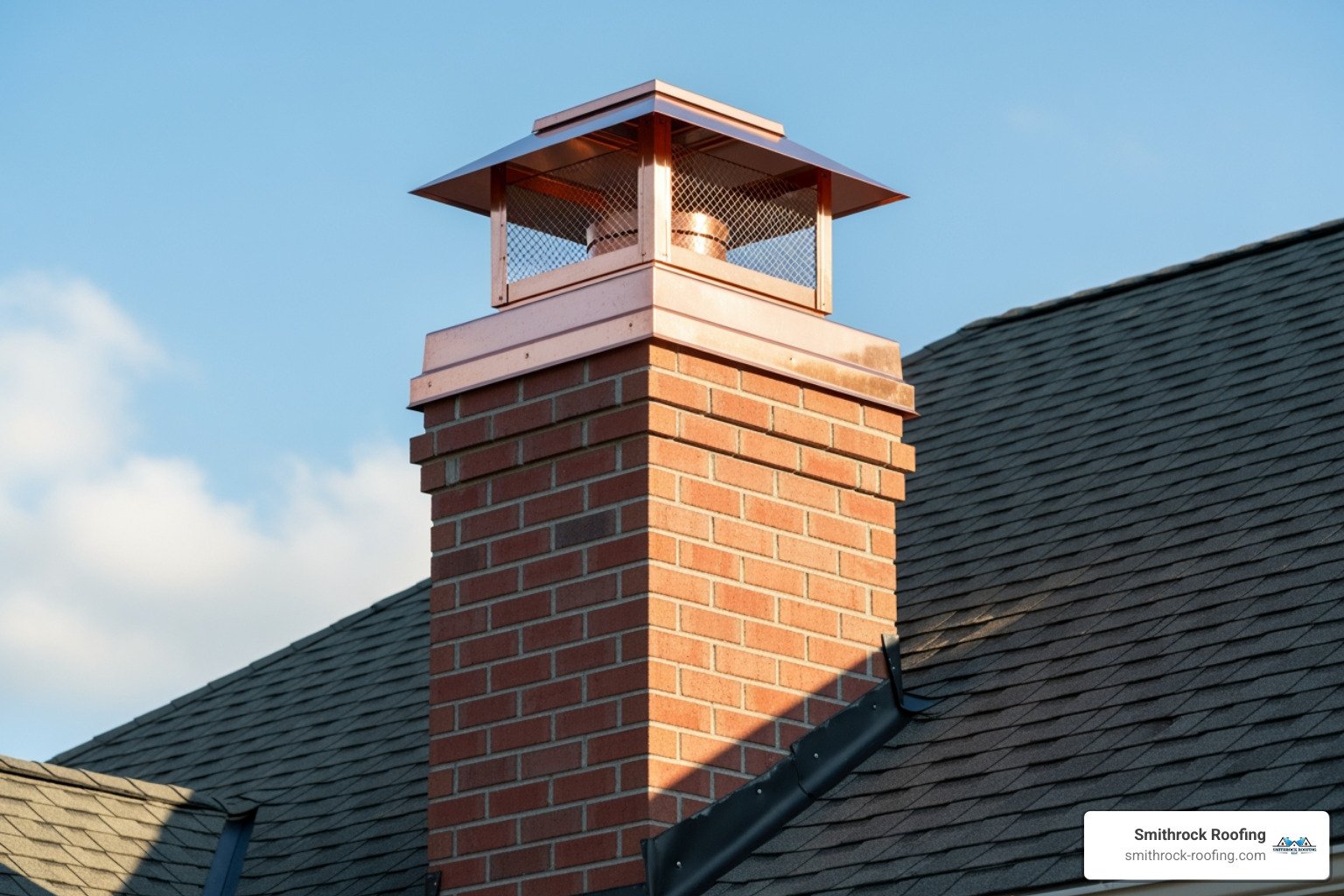
Ask any experienced roofer where leaks originate, and the honest answer is almost always the same: flashing points. Chimneys, skylights, pipe penetrations, dormers, and roof-to-wall transitions are all locations where flat or sloped surfaces meet, and where water will find any available gap.

In High Point specifically, there’s an additional factor worth noting. The region’s clay-heavy soil creates conditions where foundations shift gradually over time — a slow, subtle movement that stresses the connections between your roof’s rigid components. Flashing at chimney bases and sidewall transitions can pull away incrementally from this structural movement, creating gaps that don’t appear on a visual surface inspection but allow water infiltration during heavy rain events.

Proper flashing uses the right metal gauge, correct step and counter-flashing sequence, and appropriate sealants — and it gets inspected closely during any quality roof replacement. It’s a detail that separates thorough work from a shingle-and-go job.

Close-up of layered CertainTeed shingles, underlayment, and flashing on a High Point NC roofing installation.


Decoding Roofing Warranties: What “Lifetime” Actually Means

Manufacturer Warranties vs. Contractor Workmanship Warranties

The word “lifetime” appears on nearly every roofing proposal in High Point. It sounds reassuring, but it requires context to be meaningful.

Most manufacturer warranties for architectural shingles are “limited lifetime” warranties — meaning they cover the original purchaser for as long as they own the home. When the home is sold, the warranty typically transfers to subsequent owners at a significantly reduced term (often ten years from the transfer date, depending on the manufacturer). The warranty also carries prorated value after the first several years, meaning the coverage amount decreases over time even while it remains technically “active.”

Beyond transfer limitations, manufacturer warranties contain conditions that can void coverage entirely:

  • Inadequate attic ventilation — Most manufacturers require specific ventilation ratios. Homes that don’t meet these ratios have their material warranty voided regardless of the shingle’s condition.
  • Improper installation — Incorrect nail placement, wrong fastener type, or failure to follow manufacturer specifications allows the manufacturer to deny claims on the basis of installer error.
  • Non-approved repairs — If a different contractor uses incompatible materials to patch or repair the original installation, it can compromise the warranty on the entire roof.
  • Acts of God — Hail, wind above specified thresholds, and other weather events are often excluded or have separate, lower coverage limits.

The contractor workmanship warranty is a separate instrument that covers the quality of the installation itself — not the materials. A contractor who offers a five-year labor warranty is standing behind their own work; if a leak develops within that period due to an installation error, the repair is covered regardless of what the material manufacturer’s warranty says about it.

When comparing roofing proposals, look at both warranties independently. Understand the duration, transfer terms, and exclusions for each. A manufacturer’s limited lifetime warranty backed by a certified installer is meaningfully stronger than the same product installed by an uncertified contractor, because many manufacturer certification programs offer enhanced warranty coverage specifically through their certified installer networks. You can review the specific coverage terms Smithrock Roofing stands behind on our Warranty page.


Why Permits Matter More Than Most High Point Homeowners Realize

Pulling a permit for a roofing replacement isn’t just administrative paperwork. In the City of High Point and Guilford County, a roofing permit triggers an inspection that verifies the work was completed to current building code standards. That inspection creates a documented record that the work was done — and done correctly.

The practical implications of skipping permits are significant:

  • Homeowner’s insurance complications: If you file a claim after an unpermitted roof replacement, your insurer may deny coverage or reduce the payout on the basis that the work was not code-compliant.
  • Resale liability: Unpermitted work is a disclosure issue in North Carolina real estate transactions. Buyers and their inspectors increasingly check permit histories, and unpermitted roofing work can delay or derail a sale.
  • Code compliance gaps: Building codes for roofing in NC have been updated in recent cycles. A permit ensures the replacement meets current standards for underlayment, ventilation, and fastening — not just the standards that were in place when the home was built.

Ask any contractor you’re considering whether they pull permits as a standard part of their process. A straightforward “yes” is the right answer. Any hedging around this question is a red flag worth paying attention to.


Choosing the Right Roofing Material for High Point’s Conditions

Architectural Shingles vs. Impact-Resistant Shingles

The standard recommendation for residential roofing in the Triad is a dimensional or architectural asphalt shingle — a laminated product with a textured, three-dimensional profile that performs well aesthetically and structurally. Architectural shingles have replaced the older three-tab style as the baseline quality option, offering greater wind resistance and longer service life.

For High Point homeowners in areas with higher hail exposure history, impact-resistant shingles rated Class 3 or Class 4 under UL 2218 testing standards are worth evaluating. The Piedmont Triad sits in a hail corridor that sees meaningful hail events in most years — not at the frequency of the Texas or Colorado hail belts, but enough that impact resistance is a legitimate material consideration, not just an upgrade pitch. Some homeowners’ insurance providers offer premium reductions for Class 4 impact-resistant roofing products, which is worth confirming with your insurer before selecting materials.

The Case for Algae-Resistant Shingles in the Triad

Given the Gloeocapsa magma discussion earlier, algae-resistant shingles with copper-infused granules are particularly well-suited to High Point’s climate. These aren’t a specialty product — they’re widely available across major manufacturers in standard architectural profiles and color palettes. The copper granules inhibit the cyanobacterium growth that causes premature granule loss, extending the visual and functional life of the shingle in a humid environment where standard shingles would show staining within five to ten years.


What a Quality High Point Roofing Contractor Actually Looks Like

There’s a difference between a contractor who can put shingles on a house and a contractor who understands the complete system, the local conditions, and the long-term responsibility that comes with the work. In a market with minimal state oversight, that difference falls entirely on the contractor’s own standards — and on the homeowner’s ability to recognize them.

The markers of a genuinely qualified roofing contractor in High Point include:

  • Manufacturer certification at the highest available tier — Not just a participation-level certification, but one that required documented installation quality, sufficient insurance levels, and demonstrated customer satisfaction. CertainTeed’s PREMIER ShingleMark Master designation, for example, is a rigorous credential that a small minority of contractors hold.
  • A verifiable local track record — Years of reviews from identifiable High Point and Triad-area customers, with a consistent pattern of communication quality, job-site cleanliness, and follow-through.
  • Transparent process communication — A contractor who explains what they’re doing beneath the shingles, why certain materials matter, and what the inspection found is a contractor you can trust. Vague answers to specific questions are a consistent red flag.
  • Permit compliance as standard practice — Not optional, not something that adds to the timeline, just part of the job done right.
  • Honest inspection findings — A trustworthy contractor tells you what actually needs work — not the maximum possible scope, and not a minimum that leaves real problems unaddressed.

At Smithrock Roofing, we’ve been serving High Point and the broader NC Triad for years with an approach built on exactly these standards. Our CertainTeed PREMIER ShingleMaster Certification reflects a genuine credential — not a marketing badge — and our 312+ five-star reviews reflect how we actually treat customers, not just how we describe ourselves. When you want to understand what the NC Contractors License Board covers and doesn’t cover for roofing work specifically, that context is part of how we help homeowners make genuinely informed decisions.

The goal isn’t just a new roof. It’s a roof system — properly decked, ventilated, underlaid, flashed, and shingled — that performs reliably for decades and protects the investment you’ve made in your home.

Strategic Recommendations for 2026

As roofing materials, contractor standards, and storm patterns continue to evolve across the Triad, here are three specific steps High Point homeowners should take heading into 2026:

1. Schedule a Post-Winter Roof Assessment Before Spring Storm Season
The freeze-thaw cycles that affect Guilford County each winter — even mild ones — create conditions that weaken flashing seals, expand small cracks, and stress older shingle adhesive strips. Getting a documented inspection from a licensed, certified contractor before April gives you a clear picture of your roof’s condition before severe weather arrives, not after. Look for a contractor who provides written findings with photos, not just a verbal summary.

2. Verify Your Homeowner’s Insurance Roof Coverage Terms
Many High Point homeowners discover mid-claim that their policy has shifted to ACV (actual cash value) coverage for roofs over a certain age — meaning depreciation is factored into any payout. In 2026, reviewing your policy language specifically around roof age thresholds and material coverage before you need to file a claim is a genuinely useful exercise. Ask your insurance agent directly: what is my current roof coverage structure, and at what point does that change?

3. Use CertainTeed’s Contractor Locator to Cross-Reference Any Contractor You’re Considering
Before signing any roofing contract in High Point or the broader Triad area, verify the contractor’s certification status directly through CertainTeed’s official contractor locator. This takes less than two minutes and confirms whether the credential a contractor advertises is current and at the tier they claim. It’s one of the simplest verification steps available to homeowners — and one of the most frequently skipped.


Frequently Asked Questions

Does roofing work in High Point, NC require a permit?

In most cases, yes. Full roof replacements in High Point typically require a building permit through the City of High Point Inspections Division. Some repairs may fall below the threshold requiring a permit, but any contractor who recommends skipping the permit process on a full replacement is creating a problem for you — not solving one. Permitted work is inspected, documented, and legally recorded, which matters when you sell your home or file an insurance claim. A reputable contractor handles this as a routine part of the job.

What does a CertainTeed PREMIER ShingleMark Master certification actually mean?

It means the contractor has met a documented set of requirements established by CertainTeed — not self-reported, but verified — including minimum installation standards, insurance coverage levels, and demonstrated customer satisfaction. It’s the highest designation within the ShingleMaster program and is held by a small percentage of roofing contractors nationally. One practical benefit is access to CertainTeed’s SureStart PLUS warranty, which extends coverage beyond the standard manufacturer product warranty. You can verify any contractor’s certification status directly at CertainTeed’s website.

How do I know if I need a full roof replacement or just repairs?

The honest answer is: it depends on the specific condition of your decking, underlayment, flashing, and shingles — and you can’t reliably assess most of those from the ground. A granule-losing shingle visible from the street might sit over perfectly sound decking. Alternatively, a roof that looks acceptable from below can have water-damaged decking in areas that aren’t visible until shingles are lifted. A thorough inspection from a licensed contractor — with findings documented in writing — is the only reliable basis for that decision. Be cautious of any contractor who gives you a firm replacement recommendation before physically examining the roof.

What should I ask a roofing contractor before signing a contract in the Triad area?

At minimum, ask for their NC General Contractor’s license number and verify it with the NC Licensing Board for General Contractors. Ask whether they’ll pull permits for the job. Ask specifically what manufacturer certification they hold and at what tier. Ask what their process is for handling unexpected decking damage discovered mid-job. And ask for references from local High Point or Triad-area customers — not just a star rating, but actual names or reviews you can trace to a verifiable project. A contractor confident in their work will answer these questions directly and without deflection.


Conclusion

Choosing the right roofing contractor in High Point — or anywhere across the NC Triad — comes down to verified credentials, local accountability, and a process that prioritizes your home over a quick sale. Smithrock Roofing has built its reputation serving homeowners in High Point and Greensboro by doing exactly that: licensed, certified work with honest communication at every stage. If you’re ready to get a clear, honest assessment of your roof’s condition, Get a Free Estimate from a team that knows this area and stands behind its work.

Share:

Categories

Follow us

You can find us on Facebook, Instagram, and Google.
Smithrock Roofing LLC logo featuring stylized rooftops with chimneys and arched windows
Smithrock Roofing proudly services the cities of Winston-Salem, King, Clemmons, Lewisville, Pilot Mountain, East Bend, Mt. Airy, Kernersville, Siloam, Danbury, High Point, Trinity, Pfafftown, Tobaccoville, Greensboro, Walnut Cove, Belews Creek, Rural Hall, Pinnacle, Bethania, Advance, Wallburg, Horneytown, Union Cross, and Midway, NC.

Newsletter

Sign up to receive important tips, special offers, and discounts.

Smithrock Roofing © Copyright 2026 • All Rights Reserved • Privacy Policy • Maintained by Mongoose Digital Marketing